
 By Basiran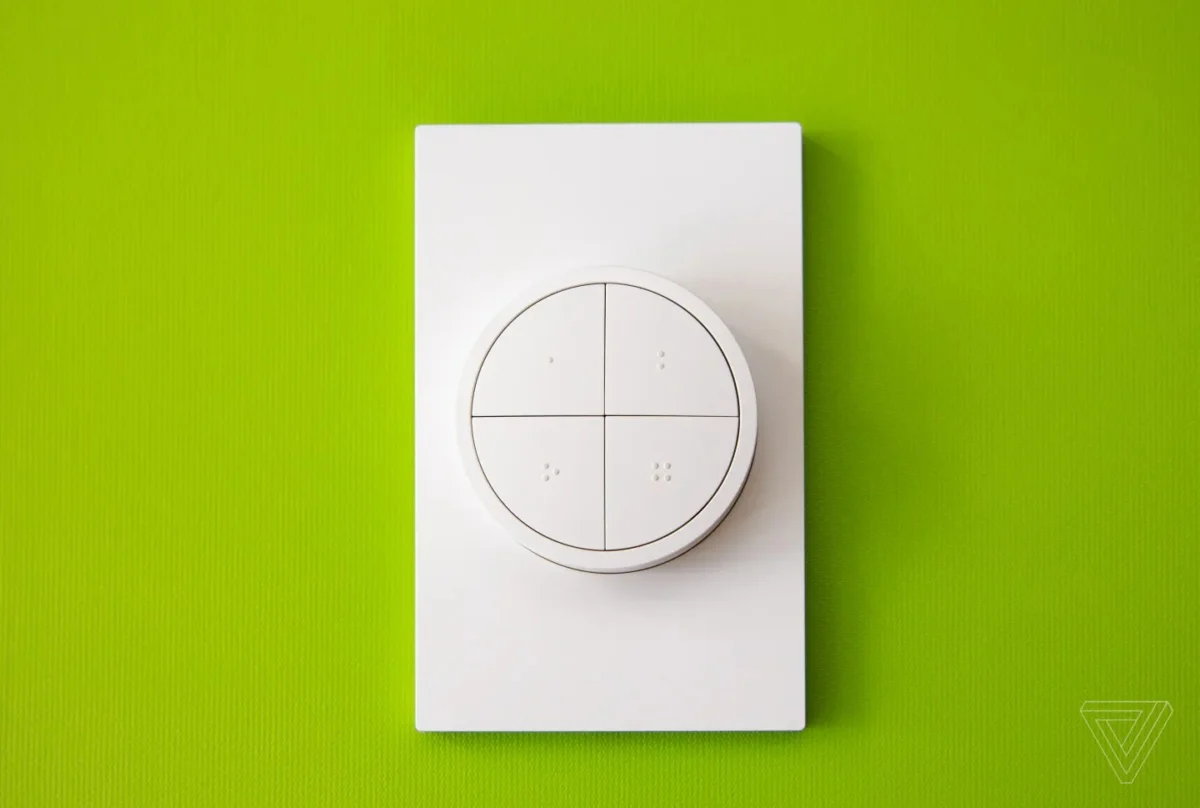
For enthusiasts of smart home technology, the ecosystem surrounding Philips Hue has long been considered the "gold standard." Known for its vibrant color accuracy, extensive third-party integration, and robust build quality, the brand rarely sees the deep, market-wide discounts often associated with more budget-friendly competitors. However, this year’s Prime Day event has defied that trend, offering a sweeping range of price drops across the company’s catalog. From essential starter kits to high-end home theater lighting solutions, the current discounts represent one of the most accessible entry points for consumers looking to build or expand a premium smart lighting setup.
The Landscape of the Sale
Smart lighting is a foundational element of the modern connected home. It does more than simply replace traditional light switches; it provides an ambient layer to living spaces that can adapt to circadian rhythms, enhance entertainment experiences, and improve home security.

This year’s Prime Day, retailers have moved beyond simple bulb discounts. We are seeing significant price reductions on hardware that typically sits at a high barrier to entry, such as the Philips Hue Twilight bedside lamp and the advanced HDMI Sync Box. While Amazon serves as a primary hub for these deals, astute shoppers will note that in several instances, the manufacturer’s own direct-to-consumer store is matching or beating those prices, creating a competitive environment that benefits the consumer regardless of where they choose to shop.
Chronology of the Philips Hue Ecosystem
To understand the significance of these deals, one must look at how Philips Hue has evolved.

- Early Adoption (2012–2015): Philips Hue introduced the world to the "connected bulb," requiring a physical Bridge to translate zigbee signals into usable light commands.
- Expansion (2016–2020): The brand moved into outdoor lighting, motion sensors, and the "Entertainment" space, introducing the first Sync Boxes that allowed lights to react to screen content.
- Standardization (2021–Present): With the introduction of the "Essentials" line and full support for the Matter smart home standard, Philips Hue shifted focus toward interoperability. The current deals reflect this, focusing heavily on products that play nice with Apple Home, Alexa, Google Home, and SmartThings.
Key Product Highlights and Current Pricing
The Philips Hue Twilight ($262)
Perhaps the most sophisticated offering in the current lineup is the Twilight lamp. Designed with a focus on human-centric lighting, the Twilight is built to support natural circadian rhythms. Its dual-light source system allows it to mimic the subtle transitions of a sunrise or sunset, making it a functional health tool rather than just a decorative fixture. At its current price, it is a significant investment, but one that targets users interested in "wellness-tech."
The Smart Bulb Starter Kit ($68)
For those just beginning their journey, the starter kit remains the best value. This bundle provides the necessary Hue Bridge, which serves as the nervous system for your setup, and a set of color-changing bulbs. Because these bulbs are Bluetooth-compatible, users can start small and scale up to 50 lights over time as their budget allows.

The Essential 16ft LED Strip Light ($51)
A newcomer to the "Essentials" line, this strip light is a game-changer for budget-conscious decorators. Unlike older, more expensive models, this RGBIC strip functions without the strict requirement of a Bridge, though it remains compatible with the full system. It offers the same dynamic color-blending features as the flagship models at a fraction of the cost.
Portable Ambiance ($123)
The water-resistant portable lamp is a unique offering. With 48 hours of battery life, it is designed for both indoor accent lighting and outdoor patio use. Its integration with the Matter protocol ensures it remains future-proof, allowing it to be controlled by virtually any smart home platform currently on the market.

The 8K HDMI Sync Box ($308)
The crown jewel of the home theater setup is the 8K-compatible Sync Box. By analyzing the color output of any connected HDMI device (such as a gaming console or streaming box), it mirrors that color across your room via your wall-mounted Hue lights. While expensive, it creates an immersive "Ambilight" experience that was previously only available on high-end, proprietary television sets.
Accessories: Tap Dial and Motion Sensors
The "invisible" part of a smart home is the control method. The Tap Dial ($42) is widely regarded as the most tactile and intuitive remote for the Hue ecosystem. It can be mounted on a wall or used as a handheld dial. Complementing this is the Outdoor Motion Sensor ($41), which is essential for home security automations, such as triggering porch lights when a guest approaches.

Supporting Data: Why Now?
The timing of these discounts is not incidental. As smart home adoption reaches a saturation point, manufacturers are competing to capture the "ecosystem loyalty" of new users. Data suggests that once a consumer invests in a Bridge and three or more bulbs, they are highly unlikely to switch to a competing brand due to the "lock-in" effect of the mobile application and the established lighting scenes.
By lowering the price of the entry-level starter kits and accessories, Philips Hue is successfully lowering the barrier for the "mass market." Furthermore, the integration of Matter—a universal language for smart devices—has reduced the fear of obsolescence among consumers who were previously worried about being tied to a single platform.

Official Stance and Market Position
In recent statements, Signify (the parent company of Philips Hue) has emphasized that their strategy involves a two-pronged approach: maintaining a premium identity through superior color reproduction and longevity, while simultaneously expanding their entry-level "Essentials" portfolio.
Industry analysts note that while companies like Govee and LIFX have aggressively attacked the lower end of the market with cheaper hardware, Philips Hue has maintained its market share by focusing on reliability. The current sale is a calculated move to remind consumers that while alternatives exist, the "Hue experience"—characterized by zero-latency response times and consistent software updates—remains superior for long-term home installations.

The Implications for the Consumer
1. The Death of the "Dumb" Home
These discounts mark a transition point where smart lighting is no longer a luxury hobby. At $68 for a starter kit, the cost of entry is now comparable to purchasing a set of high-quality non-smart LED bulbs. The logical implication is that within the next few years, standard light switches will become the exception rather than the rule in many households.
2. The Rise of Circadian Lighting
The inclusion of the Twilight lamp and other "natural light" products at reduced prices suggests that the market is moving toward health-conscious lighting. Consumers are becoming increasingly aware of how blue light impacts sleep quality. By putting this technology on sale, Philips Hue is effectively normalizing the use of smart lighting as a tool for physical and mental well-being.

3. The Need for Infrastructure
As users take advantage of these deals, the demand for stable local network infrastructure increases. A home with 30–50 connected lights requires a robust Wi-Fi or Zigbee mesh. The inclusion of the Hue Bridge in many of these deals is a proactive step by the company to ensure that users do not suffer from network congestion, a common complaint in budget smart home setups that rely solely on 2.4GHz Wi-Fi.
4. Sustainability and Longevity
One of the core arguments for the premium pricing of Philips Hue has always been the longevity of the hardware. While a $5 "smart bulb" from a generic brand may fail within 12 months, Philips Hue products are engineered for years of continuous use. During a sale, this value proposition becomes even stronger, as the price-per-year of the product drops significantly, making the "buy once, cry once" philosophy more palatable for the average household budget.

Conclusion
The Prime Day discounts on Philips Hue products serve as a bridge between the high-end, enthusiast-driven market and the average consumer. Whether you are looking to automate a single desk space with the 16ft LED strip, or overhaul your entire living room with an 8K Sync Box and Wall Washers, the current price points offer a rare opportunity to invest in a system that is likely to remain the industry standard for the foreseeable future.
As the smart home market continues to mature, the focus will likely remain on interoperability and ease of use. For now, those who have been waiting on the sidelines to upgrade their lighting environment have been given a clear, cost-effective green light. If you are planning to build out your smart home, the current sales period provides a rare convergence of value and reliability that is unlikely to be repeated until the end-of-year holiday shopping season.
 Raul Delapena Setiawan
  Siti Muinah
  Asro
Asro 