
 By Ali Ikhwan
In the modern digital landscape, vanity metrics like follower counts are increasingly being sidelined in favor of a more critical indicator: Engagement Rate. As social media algorithms evolve to prioritize meaningful interaction over passive consumption, understanding how your audience connects with your content has become the cornerstone of any successful marketing strategy.

Whether you are a social media manager for a global enterprise or an independent creator, knowing how to calculate, interpret, and optimize your engagement rate is essential to proving ROI and ensuring long-term growth.

The Core Metric: What is Engagement Rate?
At its simplest, the engagement rate is a performance metric that quantifies how much your audience interacts with your content relative to your total reach or audience size. It moves beyond "passive" metrics—such as impressions or video views—to focus on "active" participation.
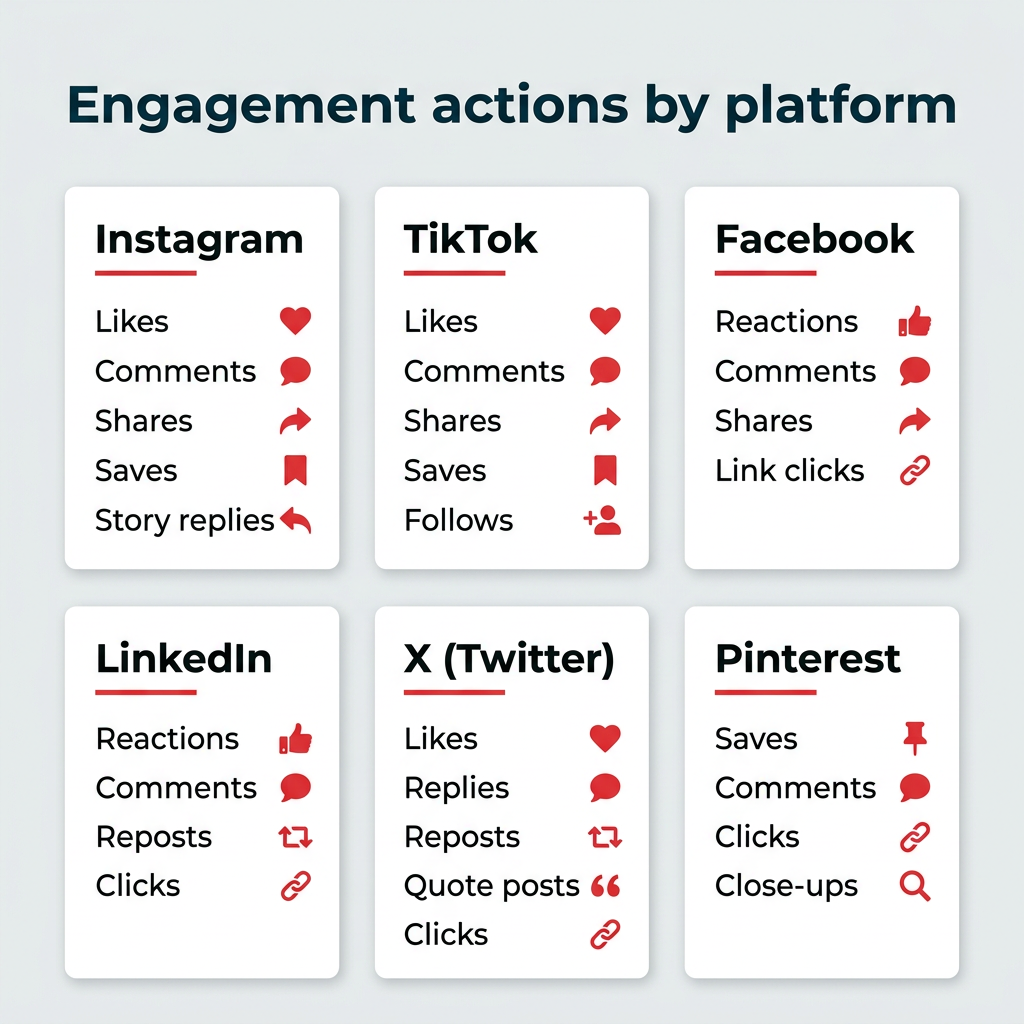
Broadly defined, an engagement is any action a user takes to interact with a post. This includes, but is not limited to:
- Likes and Reactions: The baseline of sentiment.
- Comments: A signal of active discussion and community building.
- Shares/Reposts: The ultimate indicator of brand advocacy.
- Saves: A metric that highlights high-value, educational, or evergreen content.
- Link Clicks: The transition from social interest to website traffic.
- Direct Messages: A signal of deep, one-on-one brand connection.
Why Engagement Rate Matters
Engagement is the currency of the social media age. When users interact with your content, they are effectively "voting" for your brand. This serves three vital purposes:
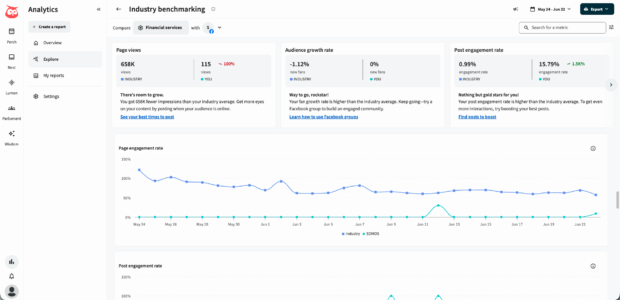
- Algorithm Optimization: Platforms like Instagram, TikTok, and LinkedIn are designed to surface content that keeps users on the app. High engagement signals to the algorithm that your content is high-quality, prompting it to show your posts to a wider, new audience.
- Trust and Social Proof: A profile with a high volume of comments and active discussions appears more trustworthy to first-time visitors. It transforms a brand from a static page into a living, breathing community.
- Proving ROI: For enterprise teams, engagement rate is the most transparent way to connect creative content efforts to tangible audience behavior, providing leadership with clear, data-backed evidence of social success.
Chronology of Engagement: From Passive to Interactive
Social media metrics have undergone a significant transformation. In the early 2010s, "Follower Count" was the primary KPI, often leading to inflated, disconnected audiences. By 2018, the industry pivoted toward "Reach and Impressions," focusing on brand awareness.
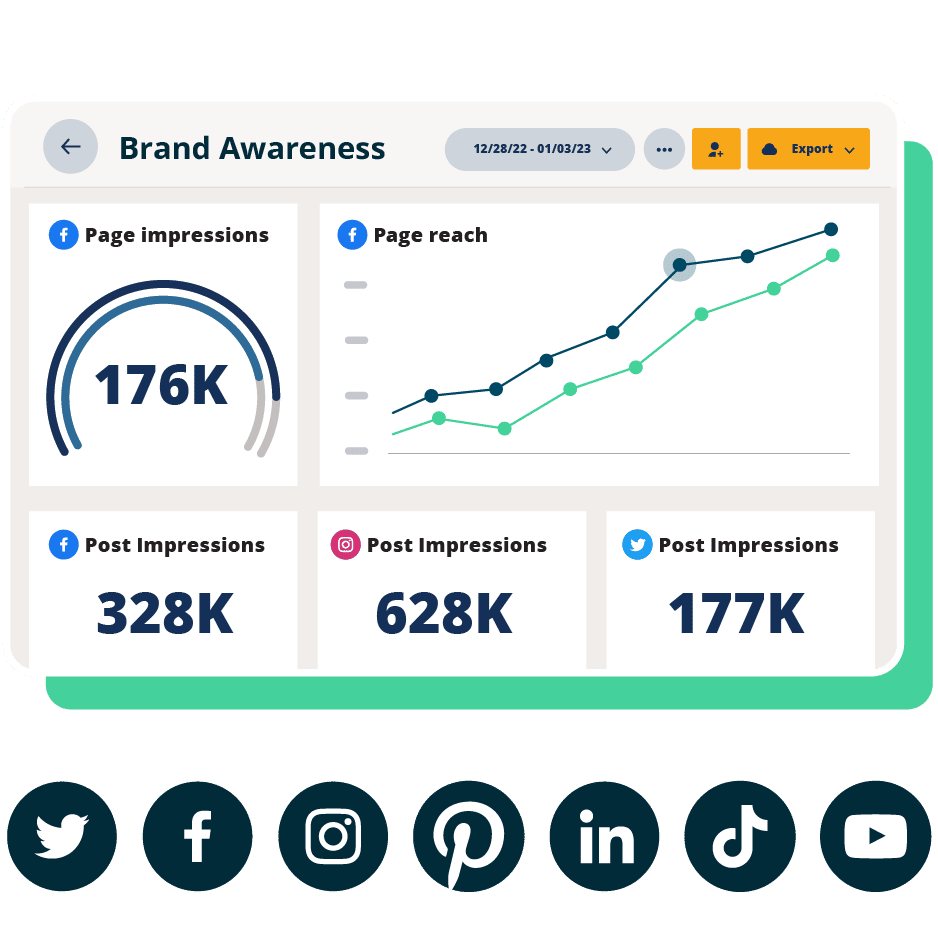
Today, we are in the era of "Action-Oriented Analytics." Following the rise of short-form video (Reels, TikTok) and the saturation of static feeds, the industry has realized that 10,000 followers who do not interact are far less valuable than 1,000 followers who actively comment and save content. This shift has forced brands to adopt more complex formulas that account for the nuances of specific platforms, acknowledging that a "like" on LinkedIn carries a different weight than a "share" on TikTok.

Supporting Data: The 2026 Industry Benchmarks
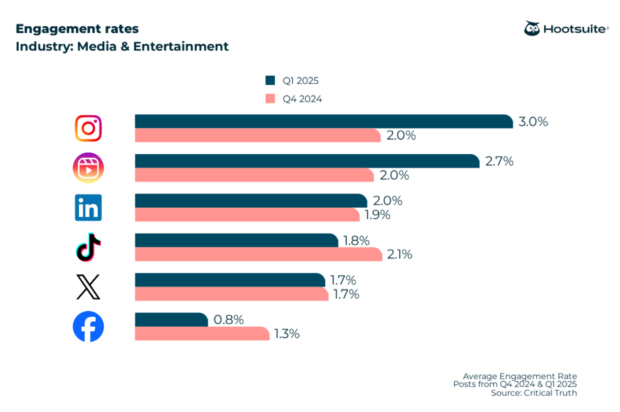
What constitutes a "good" engagement rate? While a universal standard is often sought, reality is more nuanced. Data gathered from over one million social posts by Hootsuite and Critical Truth suggests that a healthy engagement rate typically sits between 1% and 5%.
Platform-Specific Benchmarks (All Industries)
- Instagram: 3.0%
- Instagram Reels: 2.7%
- LinkedIn: 2.0%
- X (formerly Twitter): 1.8%
- TikTok: 1.5%
- Facebook: 0.8%
These figures demonstrate that video-heavy platforms and professional networks drive distinct types of engagement. For instance, the higher engagement rate on Instagram often reflects its visual, community-focused nature, whereas Facebook’s lower average reflects its role as a more "passive" consumption platform.
Sector-Specific Performance
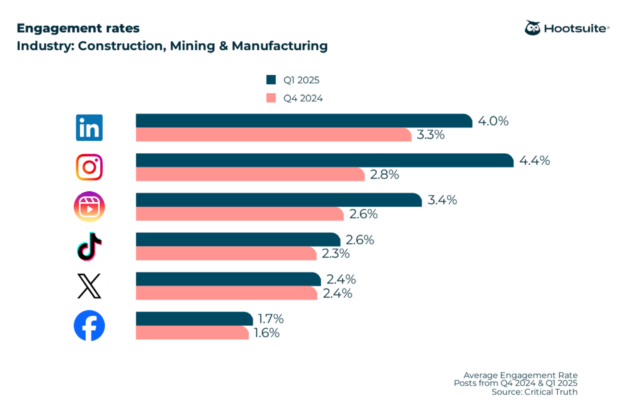
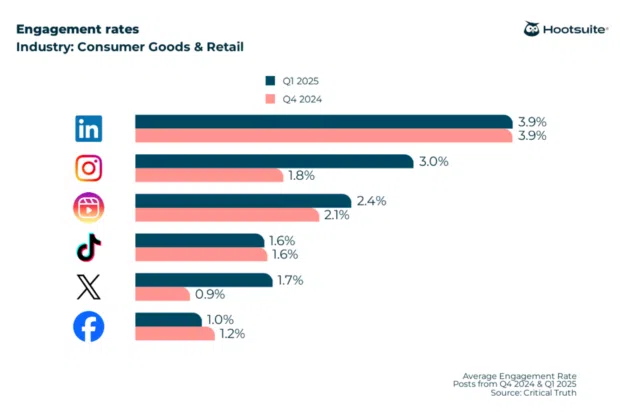
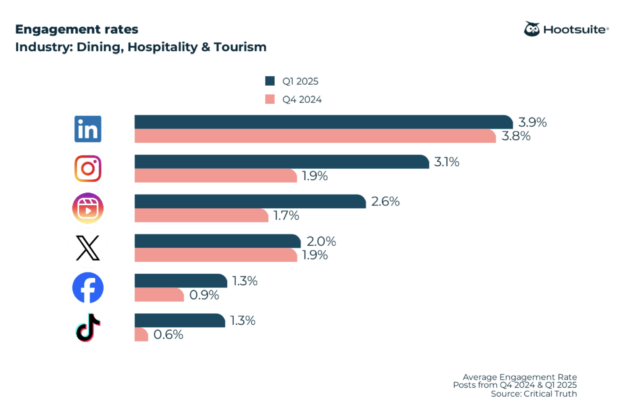
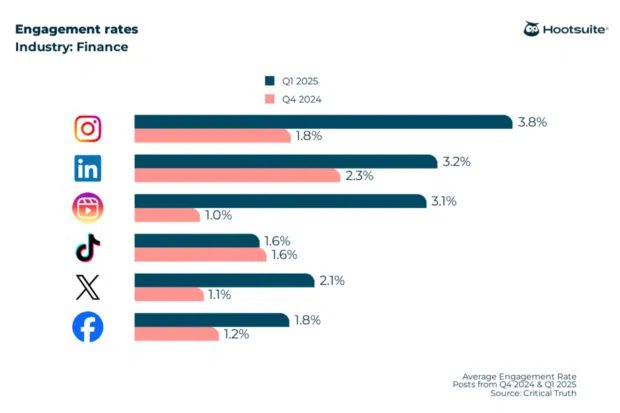
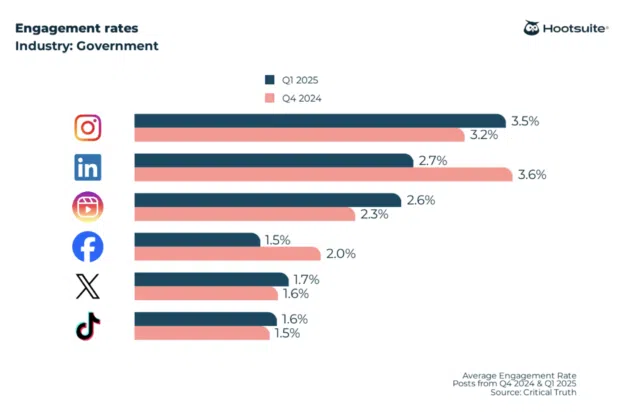
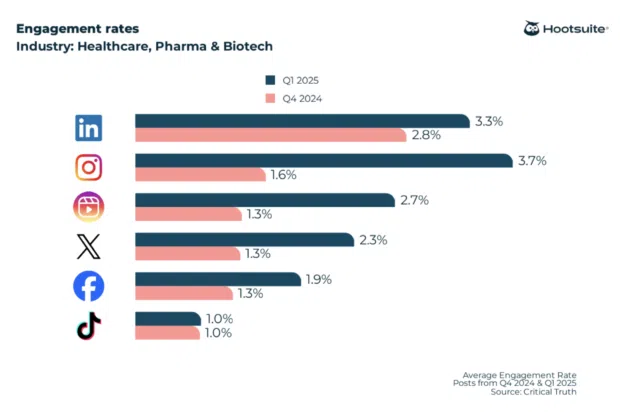
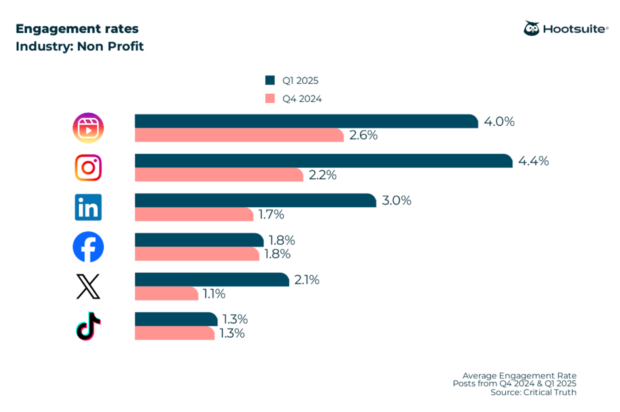
Engagement rates vary wildly by industry. For example, the Nonprofit sector often sees higher engagement (averaging up to 4.4% on Instagram) because the content is inherently emotive and purpose-driven. Conversely, Financial Services must balance compliance with engagement, yet still sees robust performance (3.8% on Instagram) when providing high-value, educational content.
Calculating Your Success: Six Essential Formulas
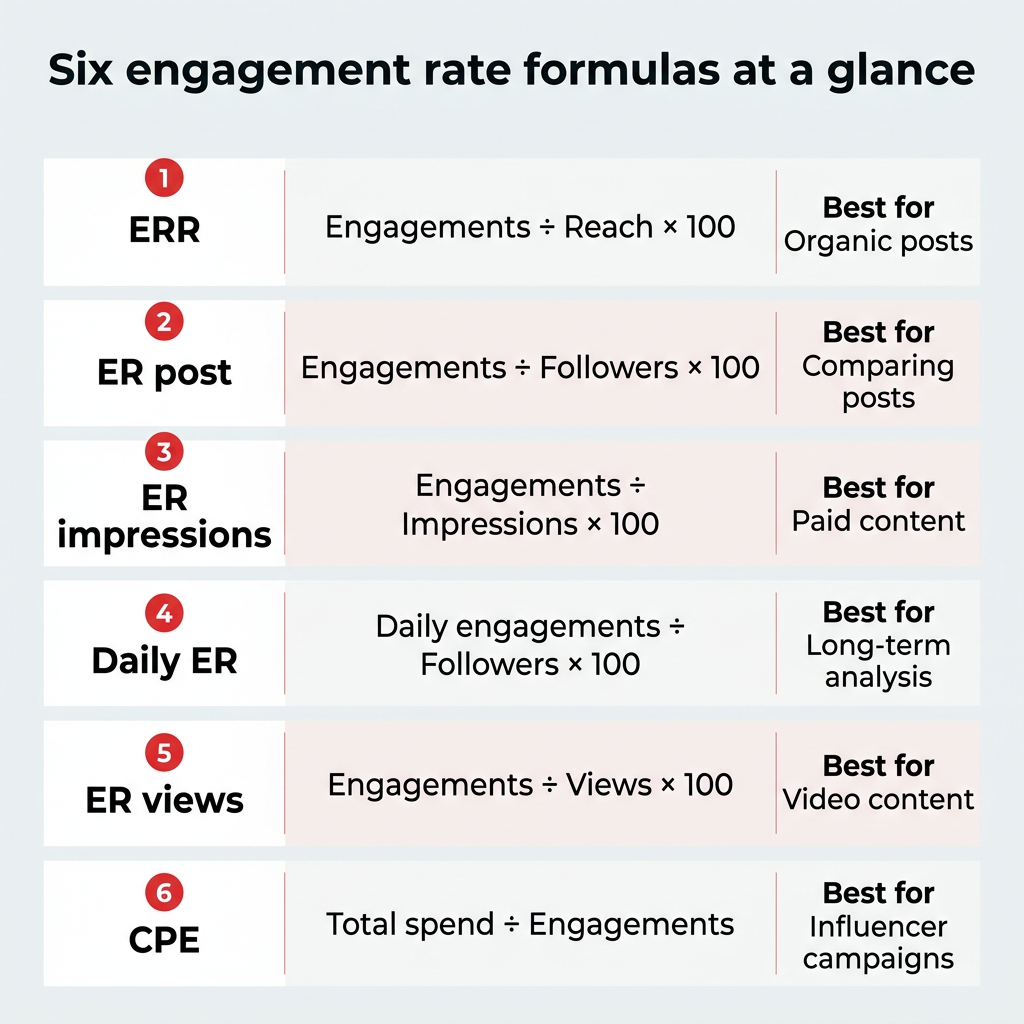
Choosing the right formula depends on your business goals. Each calculation uses a different denominator to tell a specific story about your content performance.
1. Engagement Rate by Reach (ERR)
- Formula: (Total Engagements / Total Reach) * 100
- Use Case: The "Gold Standard" for organic posts. It measures how effectively your content converts viewers into participants.
- Pros: Highly accurate for algorithm-driven feeds.
2. Engagement Rate by Post (ER Post)
- Formula: (Total Engagements / Total Followers) * 100
- Use Case: Comparing individual posts against one another.
- Pros: Provides a stable baseline for longitudinal performance tracking.
3. Engagement Rate by Impressions (ER Impressions)
- Formula: (Total Engagements / Total Impressions) * 100
- Use Case: Critical for paid advertising campaigns.
- Pros: Essential for calculating the efficiency of CPM-based media spend.
4. Daily Engagement Rate (Daily ER)
- Formula: (Total Engagements per Day / Total Followers) * 100
- Use Case: Long-term account health analysis.
- Pros: Captures interaction with your entire account, including older content that continues to circulate.
5. Engagement Rate by Views (ER Views)
- Formula: (Total Engagements / Total Video Views) * 100
- Use Case: Video-first strategies (TikTok/Reels).
- Pros: Measures the "stickiness" of your video content.
6. Cost Per Engagement (CPE)
- Formula: (Total Spend / Total Engagements)
- Use Case: Influencer marketing and conversion-focused ad spend.
Official Perspective: How to Optimize Your Strategy
Social media experts agree that the most effective way to improve engagement is to move away from "guessing" and toward "testing."
Practical Tactics for Improvement:
- Analyze Your "Winning" Content: Look at your top-performing posts from the last 90 days. Is it the format (video vs. image)? The tone (humorous vs. educational)? The length? Replicate those variables in future posts.
- The "Community-First" Approach: Algorithms reward conversations. Replying to comments—and asking questions in your captions—is the fastest way to boost your visibility.
- Optimal Timing: Use analytics tools to identify when your specific audience is most active. Posting when your followers are online increases the likelihood of immediate engagement, which signals the algorithm to boost your content further.
- Leverage Interactive Features: Polls, quizzes, and "Ask Me Anything" stickers on platforms like Instagram Stories are designed to generate high engagement with minimal friction for the user.
Implications for Future Strategy
The implication for brands is clear: Quality is the new reach.
As social platforms move toward AI-driven curation, the "shotgun approach" of mass posting will likely see diminishing returns. Instead, the future of social media marketing lies in building a "high-engagement core"—a dedicated audience that interacts with your brand consistently.
For enterprise teams, this means shifting resources from broad-spectrum content creation to community management and data-driven reporting. Using tools like Perch by Hootsuite, teams can now aggregate these complex calculations automatically, freeing up time to focus on the human side of social media: creating content that actually resonates.
Ultimately, your engagement rate is a reflection of your brand’s relationship with its community. By treating engagement not just as a number, but as a pulse check on your brand’s health, you can build a more sustainable, profitable, and authentic social media presence.
 Reynand Wu
  Muslim
  Nila Kartika Wati