
 By Dwi Wanna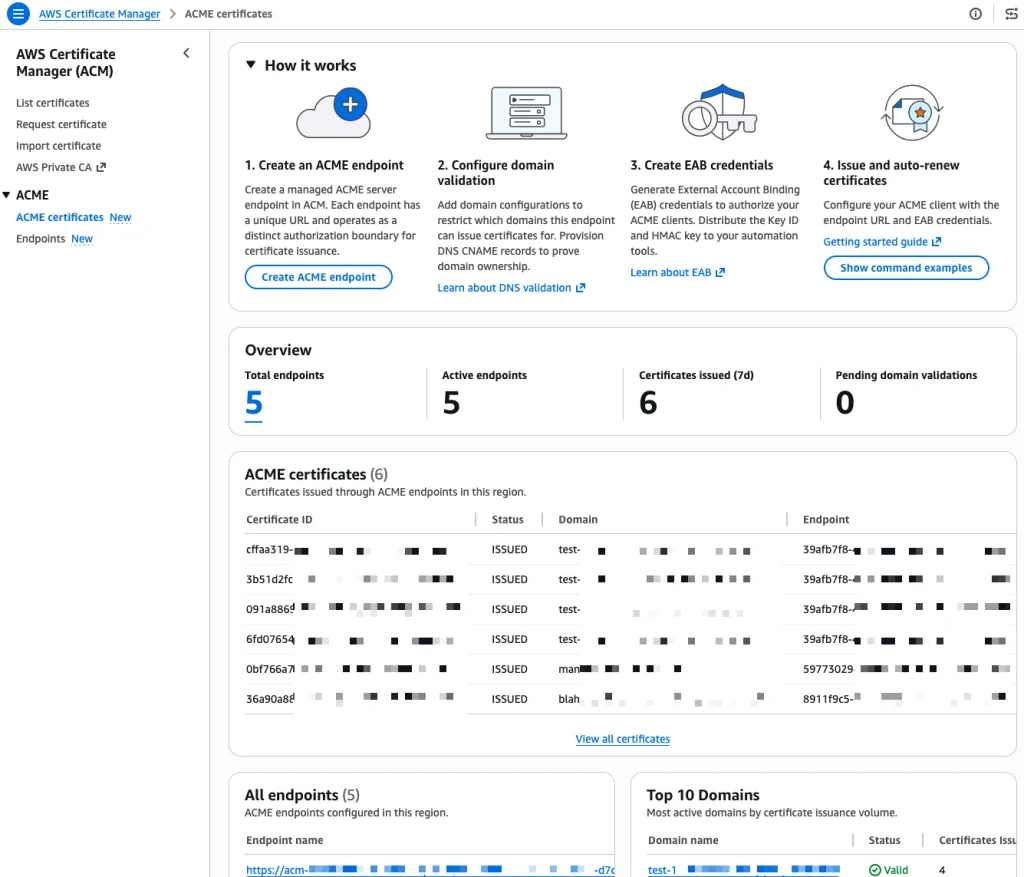
In a significant leap forward for cloud infrastructure security, Amazon Web Services (AWS) has announced the immediate availability of native support for the Automatic Certificate Management Environment (ACME) protocol within AWS Certificate Manager (ACM). This development marks a pivotal shift in how enterprises handle the increasingly complex task of TLS/SSL certificate lifecycle management, offering a centralized, automated, and policy-driven approach to maintaining encrypted communication channels.
As the global cybersecurity landscape shifts toward shorter certificate validity periods—driven by the CA/Browser Forum’s mandates to reduce validity to 100 days by March 2027 and 47 days by 2029—the manual administration of TLS certificates has become a significant operational liability. By integrating ACME directly into ACM, AWS is providing a standardized, "batteries-included" solution for the industry.

The Urgency of Automation: Why Manual Management is Dead
For years, the manual renewal of TLS certificates has been a high-risk activity for IT operations teams. Expired certificates are not merely a compliance issue; they represent a tangible threat to service availability. When a certificate expires, customers are greeted with browser-level security warnings, and automated systems may reject connections, leading to cascading service outages.
Historically, organizations have relied on a patchwork of solutions to manage these lifecycles. While some certificates were handled through ACM, others were managed via external certificate authorities (CAs) and third-party orchestration tools. This fragmentation created significant blind spots for PKI (Public Key Infrastructure) administrators, who often lacked visibility into the full scope of their organization’s certificate footprint. Without a "single source of truth," maintaining compliance and security standards became an uphill battle.

The impending shift to ultra-short validity periods makes the status quo untenable. At 47-day intervals, manual intervention is impossible to scale. The industry has reached a consensus: automation via the ACME protocol is the only viable path forward.
Chronology of a Digital Transformation
The integration of ACME into AWS Certificate Manager follows a multi-year trend of AWS prioritizing automated governance for enterprise security.
- The Rise of ACME: Originally popularized by the non-profit organization Let’s Encrypt, ACME (Automatic Certificate Management Environment) became the industry standard for programmatic certificate issuance and renewal. Its ability to facilitate machine-to-machine communication without human intervention proved its worth in cloud-native environments.
- The Fragmented Era: As adoption grew, AWS customers struggled to bridge the gap between the ease of use of ACME and the rigorous security requirements of enterprise-grade PKI. Customers were forced to choose between managing their own ACME infrastructure or relying on external CAs that lacked integration with the AWS ecosystem.
- The Pivot to Managed Services: Recognizing this gap, AWS began engineering a native ACME server endpoint. By bringing the ACME protocol directly into the ACM control plane, AWS effectively eliminated the need for external, unmanaged middleware.
- The Launch: As of this month, the service is now generally available across all commercial AWS regions, providing a seamless transition for organizations looking to move away from legacy certificate management practices.
Supporting Data and Technical Infrastructure
The new managed ACME server endpoint in ACM is compatible with any ACMEv2-compliant client, including industry-standard tools such as Certbot, cert-manager for Kubernetes, and acme.sh. This compatibility ensures that developers and DevOps engineers can continue using their existing toolsets while reaping the benefits of a fully managed, high-availability backend provided by Amazon Trust Services.
Key Technical Components:
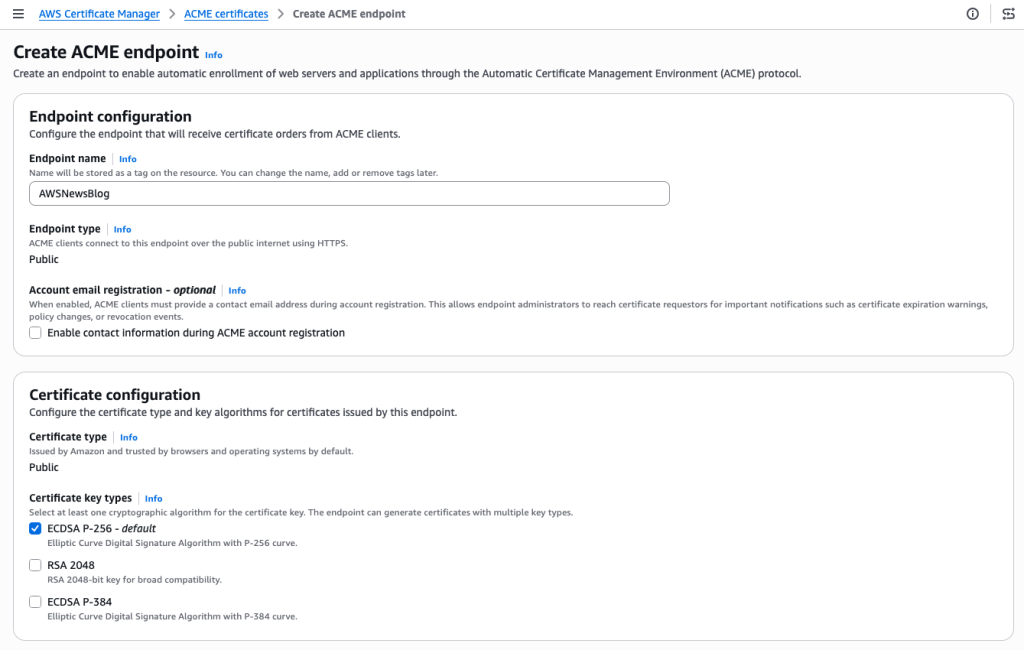
- External Account Binding (EAB): This feature serves as the bridge between existing organizational identities and the ACME server. By utilizing a Key ID and an HMAC key, administrators can ensure that only authorized clients can request certificates, preventing unauthorized issuance within the cloud environment.
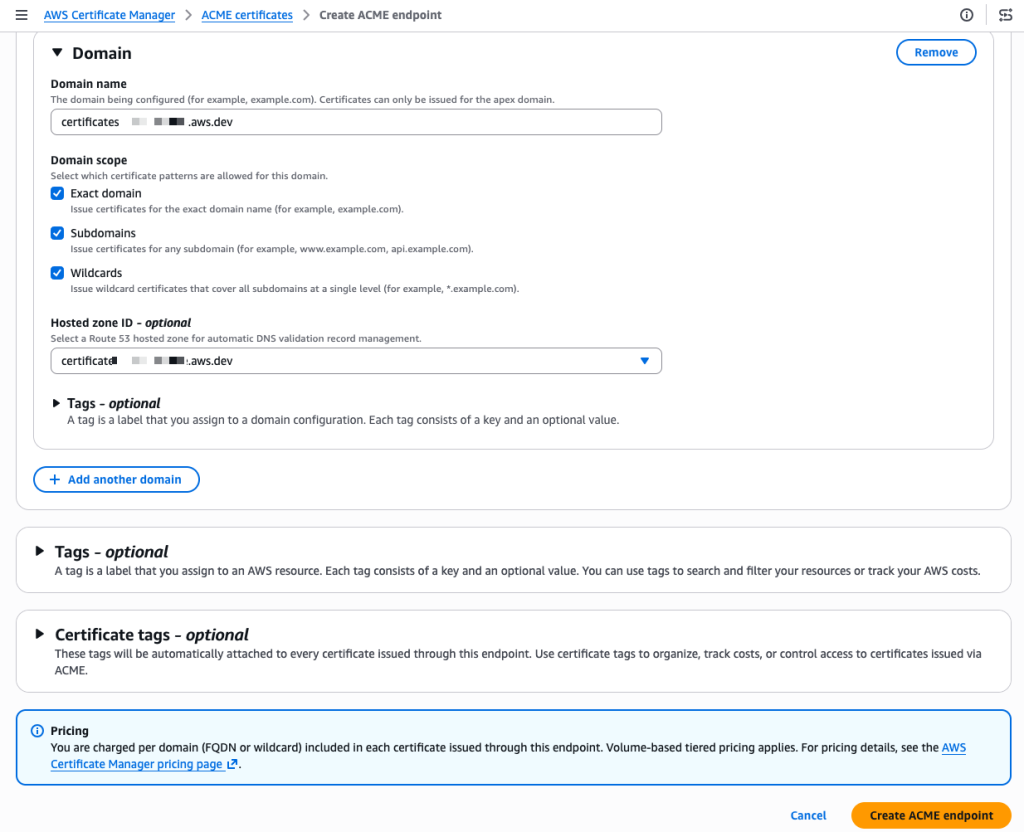
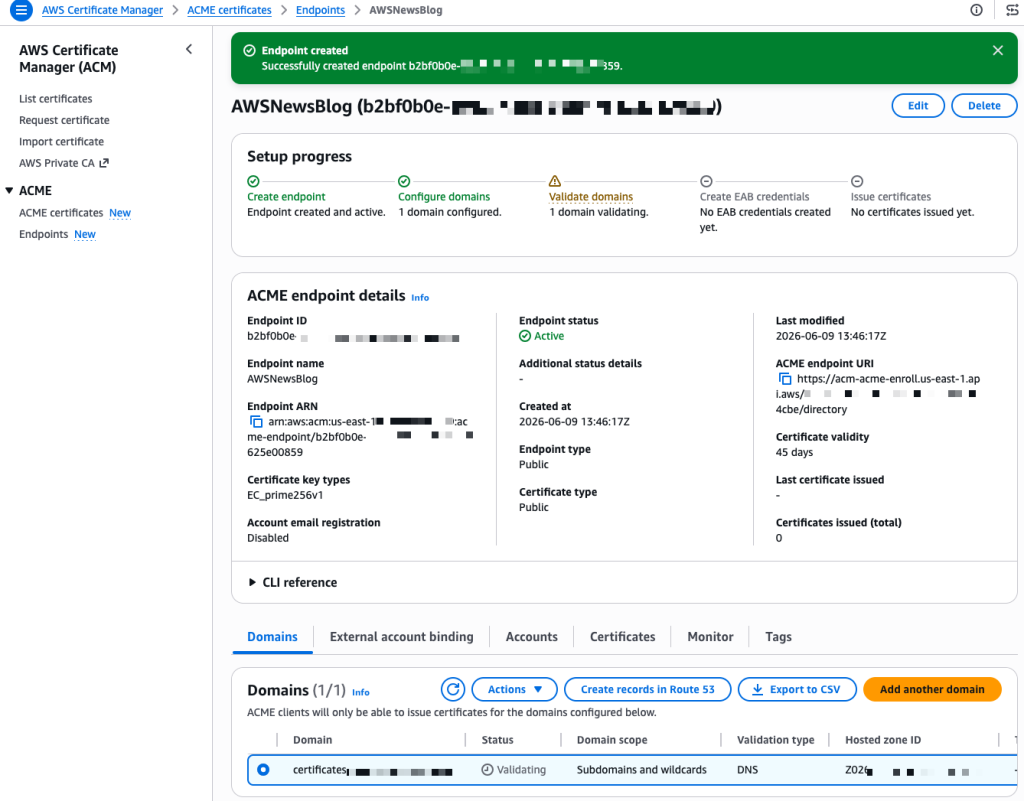
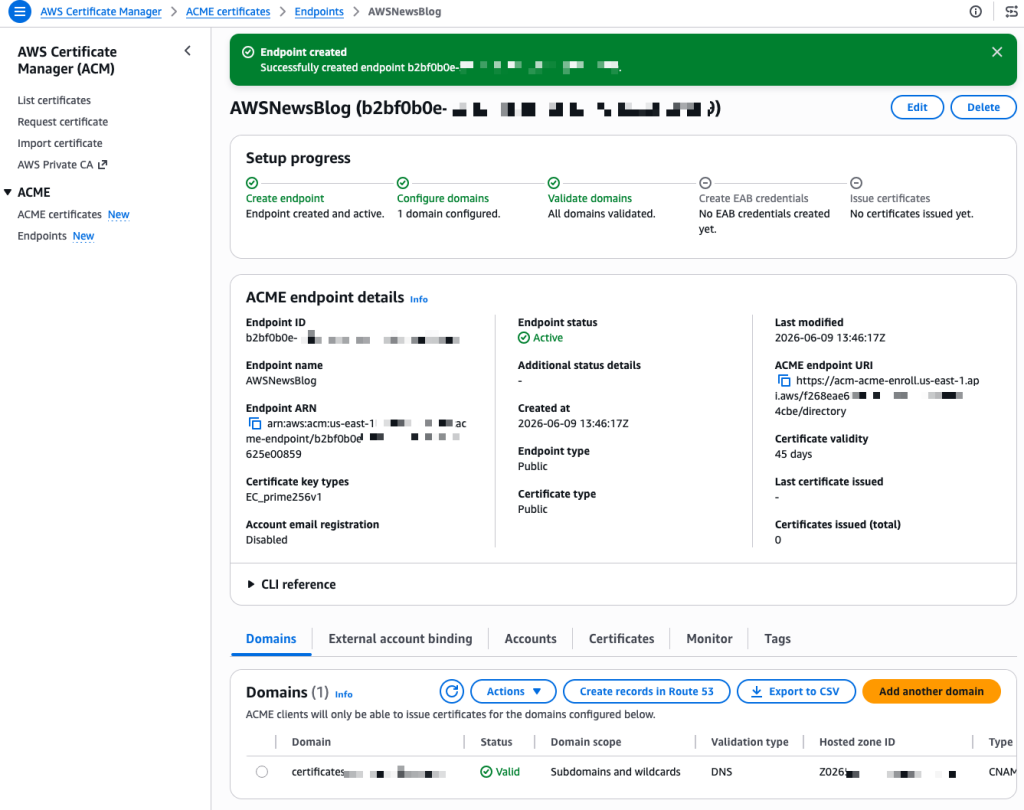
- Domain Scoping: The new console interface allows administrators to define specific domain patterns, such as "Exact Domain," "Subdomains," or "Wildcards." This granular control prevents the accidental issuance of overly permissive certificates.
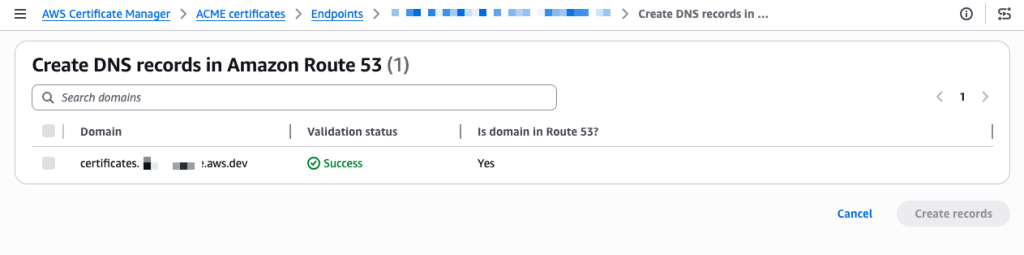
- DNS Automation: Through deep integration with Amazon Route 53, ACM can automate the CNAME record creation required for domain validation. This removes the "human in the loop" for the most tedious part of the certificate request process.
Official Perspectives: Governance as a Service
From the perspective of a PKI administrator, the most significant advancement is not just the automation itself, but the centralized governance layer that comes with it. AWS has designed this service to be an "all-in-one" management console.
Centralized Visibility and Auditability
Every request made via an ACME client is logged within AWS CloudTrail. This provides a comprehensive audit trail, allowing security teams to track who requested which certificate, when it was issued, and for which domain. Furthermore, Amazon CloudWatch integration allows teams to set up proactive monitoring, ensuring they are alerted before certificates approach their expiration dates.
IAM Integration
By binding AWS Identity and Access Management (IAM) roles to ACME accounts, organizations can enforce fine-grained access control. This means an application team can be granted permission to request certificates for api.example.com without being given the keys to the entire DNS kingdom. This separation of concerns—where PKI admins validate the domains and application owners manage the lifecycle—is a significant improvement over previous models.
Implications for the Future of Cloud Security
The implications of this launch are far-reaching. As organizations move toward a Zero Trust security model, the ability to rapidly rotate and renew cryptographic assets is paramount.
Reducing Operational Overhead
The cost of managing a separate certificate lifecycle product is not just the licensing fee; it is the "hidden" cost of maintenance, security patching, and integration testing. By moving this into the ACM ecosystem, AWS is effectively commoditizing certificate management. Organizations no longer need to build custom policy layers; the policy engine is now a native feature of the platform.
Standardizing the Industry
By supporting the open-source ACME protocol, AWS is reinforcing the standard’s position as the universal language of TLS management. This move will likely accelerate the adoption of shorter certificate lifecycles across the entire enterprise sector. Companies that were previously hesitant to adopt 100-day or 47-day rotations now have the tooling to do so with minimal friction.
A Greener, More Secure Web
The push toward shorter certificate lifecycles is fundamentally about security: if a certificate is compromised, a shorter lifespan limits the window of opportunity for an attacker. By making the renewal process near-instant and fully automated, AWS is contributing to a more resilient internet.
Conclusion: Moving Forward
For teams operating at scale, the message is clear: the era of manual certificate management has come to an end. The introduction of ACME support in AWS Certificate Manager is not merely a feature release; it is a fundamental shift in the way organizations manage trust.
As we approach the regulatory deadlines of 2027 and 2029, the tools provided by AWS today will likely become the baseline requirement for any cloud-native architecture. By embracing these managed services, IT leaders can move away from the "firefighting" mode of certificate expiration and toward a state of continuous, automated, and highly observable security.
Whether you are running a single web server or a global Kubernetes cluster across multiple AWS regions, the path to secure, automated communication is now significantly clearer. The integration of ACME into ACM ensures that the future of TLS management is not just automated—it is scalable, compliant, and deeply integrated into the very fabric of the cloud.
 Neng Nana
  Suro Senen
  Lina Hope