
 By Nana
Close your eyes and visualize the fashion of the 1980s. The mental reel likely flickers with neon spandex, gravity-defying perms, and oversized shoulder pads. Shift to the 1990s, and the image sharpens into grungy flannels, slip dresses, and minimalist streetwear. The 2000s conjure the unmistakable silhouette of low-rise jeans, velour tracksuits, and trucker hats.
For decades, fashion was tethered to the calendar. Each ten-year block possessed a distinct, singular "vibe" that acted as a visual shorthand for the culture of the time. But if you were asked to define the 2010s, the answer becomes a hazy montage of colored leggings, checkered Vans, and fleeting indie-sleaze iterations. When we arrive at the 2020s, the picture dissolves entirely. The cohesive, decade-defining style has effectively vanished, replaced by a hyper-fragmented landscape of niche aesthetics.
The Chronology of Style: From Runway to Feed
Historically, fashion operated on a top-down model. Trends were born on the runways of Paris, Milan, and New York, curated by high-fashion houses and disseminated through the gatekeepers of the era: glossy magazines, blockbuster films, and music videos. This "trickle-down" process took years to reach the suburban shopping mall. A trend would follow a predictable five-stage life cycle: introduction, rise, peak, decline, and eventual obsolescence.
This model guaranteed a sense of cultural homogeneity. In the 1950s, 60s, and 70s, you didn’t just know what was "in"—you lived it. The internet, however, dismantled this structure with ruthless efficiency.
As internet penetration exploded over the last 25 years, the power dynamic shifted from the magazine editor to the individual user. Today, Gen Z and Alpha do not wait for the seasonal trend report; they generate it in real-time. According to recent consumer behavior data, 42% of Gen Z identifies social media as their primary source of fashion inspiration. The "trickle-down" effect has been replaced by a "scrolling-up" phenomenon, where a micro-trend can originate from a single TikTok user in a bedroom and achieve global saturation within weeks.
The Data: Why We Long for the Past
The blurring of stylistic lines has fundamentally altered our collective appreciation for fashion. Data from Statista underscores a fascinating paradox: while we live in an era of unprecedented sartorial choice, we remain deeply nostalgic for the days when fashion was simpler.
When polled on their favorite fashion decade, respondents consistently gravitate toward the eras with defined boundaries. The 1990s lead the pack at 11.25%, followed by the 1980s at 9.5% and the 2000s at 8.25%. Conversely, the 2010s and 2020s consistently rank lowest in terms of perceived "fashionable" identity.
The data suggests that humans crave coherence. The modern, hyper-fast trend cycle—where styles rise and fall in a matter of months—has created a state of "trend fatigue." We are witnessing the speed-running of fashion, where the five stages of a trend occur not over fifteen years, but over fifteen days.
The Digital Echo Chamber: A World of 8 Billion Influencers
The sheer volume of input has created a crisis of individuality. In the pre-digital era, fashion inspiration was localized. You dressed like your peers, your local music scene, or the singular movie star who defined the summer. In 2026, the average young adult is exposed to thousands of strangers daily.
With over 5.17 billion people using social media—and the average user spending over two hours a day scrolling—the pressure to curate a "look" is immense. Platforms like Instagram and TikTok, which host a combined 4.9 billion monthly active users, have become the primary galleries for personal branding.
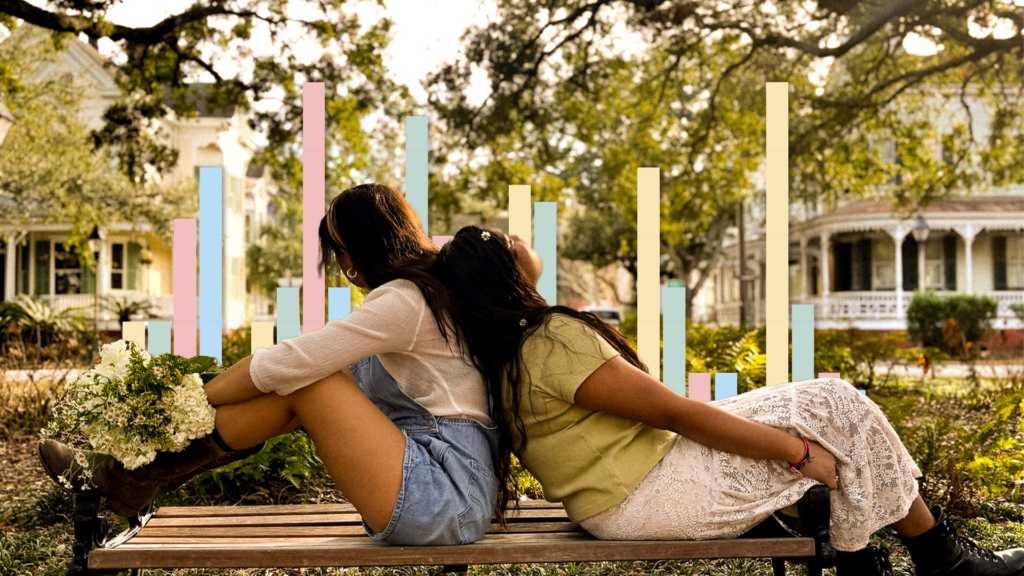
When 89% of Gen Z users on Instagram are constantly fed a stream of curated imagery, the desire to stand out becomes an exercise in absurdity. How can one be unique when they are part of a global, algorithm-driven collective? The answer, ironically, has been to narrow the focus.
The Rise of the "Core": Navigating the Aesthetic Niche
In the absence of a singular "decade look," we have seen the emergence of the "Aesthetic Niche." According to the Copenhagen Fashion Summit, an aesthetic is no longer just an artistic principle; it is a visual theme that ties a wardrobe together. There are now at least 42 distinct, codified aesthetics, including:
- Cottagecore: A romanticized return to rural simplicity, characterized by puffed sleeves, earthy tones, and a lifestyle centered on baking and gardening.
- Dark/Light Academia: A stylized appreciation for classic literature and scholarly pursuits, featuring tweed blazers, pleated skirts, and neutral palettes.
- Indie Vanguard: A bold, cynical reimagining of 2010s hipster culture, mixed with punk sensibilities—exemplified by the "Brat" aesthetic of 2024.
- Contemporary Classics: A modern take on "old money," prioritizing stability and reliable staples like those found at Ralph Lauren.
- Minimalist Renaissance: A reaction against the noise of overconsumption, focusing on craftsmanship, cashmere, and clean, architectural lines.
These aesthetics function as digital tribes. By adopting a "core," users find a sense of belonging in a decentralized world. These labels provide a shortcut to identity, allowing individuals to signal their personality through a pre-packaged visual vocabulary.
Implications: The Environmental Cost of Velocity
While the fragmentation of style offers a playground for self-expression, it carries a heavy price tag for the planet. The environmental impact of "fast fashion"—the manufacturing engine that fuels these rapid trend cycles—is reaching a breaking point.
The fashion industry is responsible for up to 10% of annual global carbon emissions. The reliance on cheap, synthetic materials like polyester—which requires significant fossil fuels to produce—means that the clothes we buy to satisfy a three-week trend cycle often end up in landfills or oceans within months.
However, there are signs that the pendulum is swinging back. The rapid rise of the secondhand market, driven by platforms like Depop and Vinted, signals a shift in values. Between 2024 and 2025, downloads for major ultra-fast fashion retailers like Shein dropped by nearly half, suggesting that consumers are becoming increasingly conscious of the human and environmental costs of their closets.
Conclusion: The New Frontier of Individuality
The internet did not kill fashion; it liberated it, and in doing so, it destroyed the notion of the "decade." We have traded the uniformity of the 20th century for the kaleidoscopic chaos of the 21st.
While we may feel nostalgic for the clear-cut style markers of the past, the current era offers something arguably more valuable: the freedom to exist in a thousand different identities simultaneously. The challenge for the next generation is not to find the "look of the decade," but to cultivate a style that survives the algorithm. As the fascination with ultra-fast trends begins to wane, we may finally be entering an era where personal expression is defined not by what is currently trending on a For You page, but by what is enduringly, intentionally chosen.
The earth may not have ended with the Y2K scare, but the world of fashion as we knew it certainly did. In its place, we have built a fragmented, global, and highly creative landscape where the only trend that truly matters is the one you decide to keep.
 Lina Irawan
  Nila Kartika Wati