
 By Ammar Sabilarrohman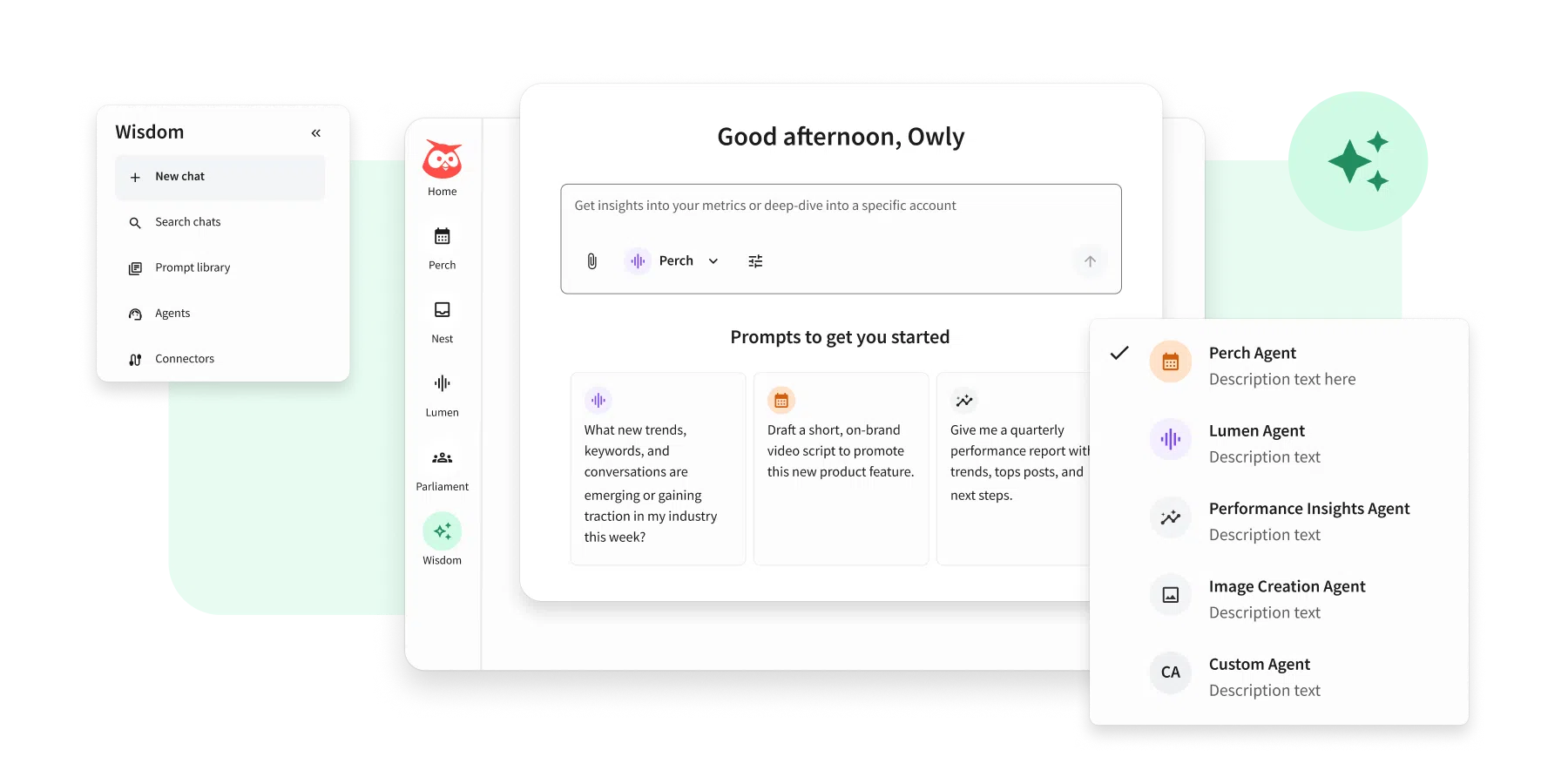
In a bold strategic pivot that marks a significant departure from traditional social media management, Hootsuite has officially unveiled its new "Social OS." This overhaul represents the most substantial architectural shift in the company’s 18-year history, moving away from static, dashboard-centric management toward a fluid, AI-driven operating system designed to capture real-time market signals.
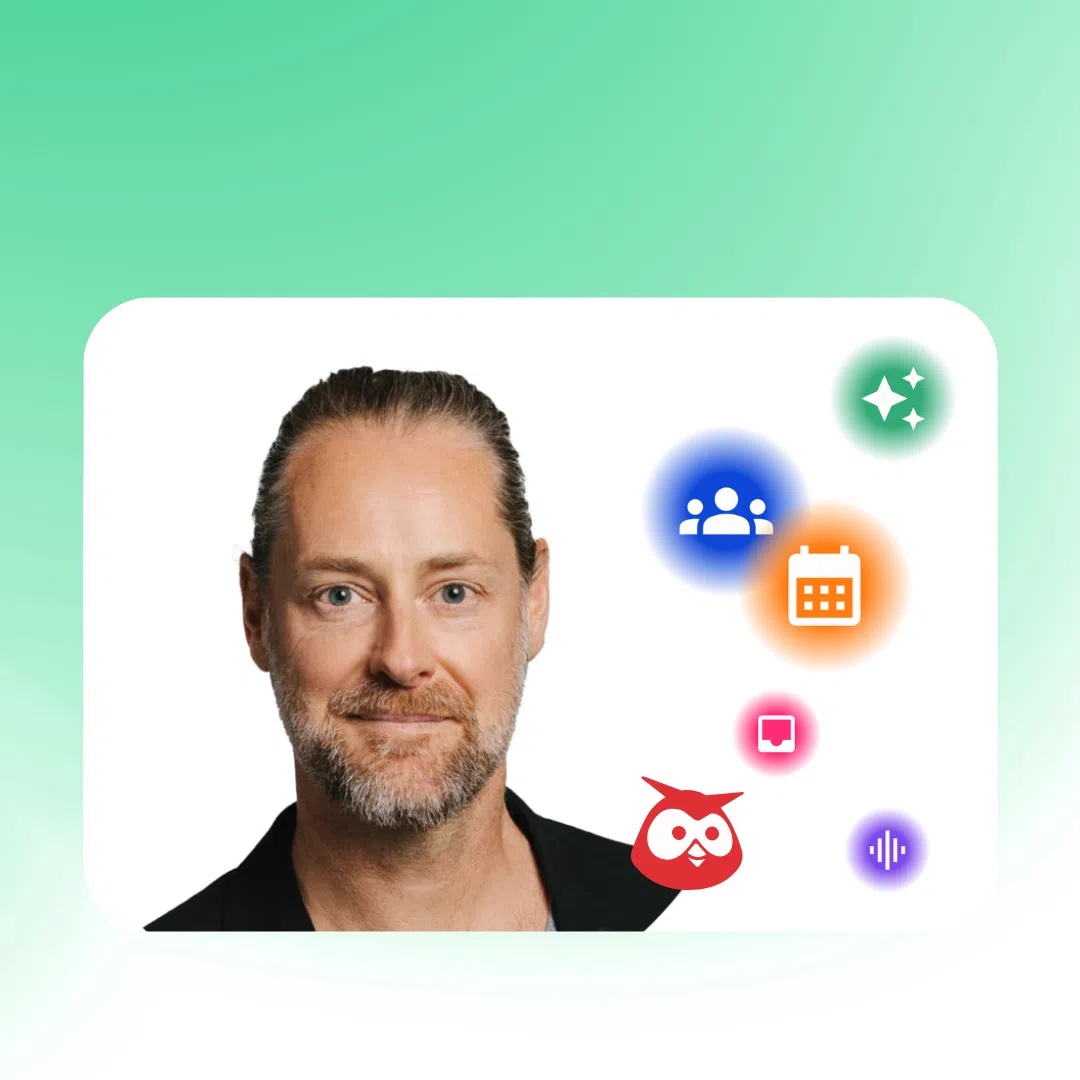
Returning CEO Ryan Holmes, who stepped back into the leadership role earlier this year, has made it clear that the objective is not merely to update the interface, but to fundamentally change how brands perceive and interact with the digital landscape.
Main Facts: The Shift to Real-Time Intelligence
The core thesis behind Hootsuite Social OS is the recognition of a growing "relevance gap." Historically, AI in marketing has been trained on historical data—summarizing trends that occurred last quarter or last month. While useful for retrospective reporting, this approach renders brands "blind" to the immediate, high-velocity narratives that define social media success today.
Hootsuite’s new architecture is built on a proprietary "live signal layer." By leveraging 18 years of data across 150 million sources and 187 languages, the company claims it has created a system that identifies what people are thinking and saying in the present moment. This is not a bolt-on feature; it is a foundational change in how the platform processes information.
Key Pillars of the New Platform:
- Wisdom: A centralized, social-first AI agent that replaces previous tools like OwlyGPT and Yeti. Users can interact via plain language queries to receive actionable insights grounded in current market conditions.
- Social OS: A unified ecosystem where publishing, customer care, advocacy, and intelligence apps share a single data and AI layer.
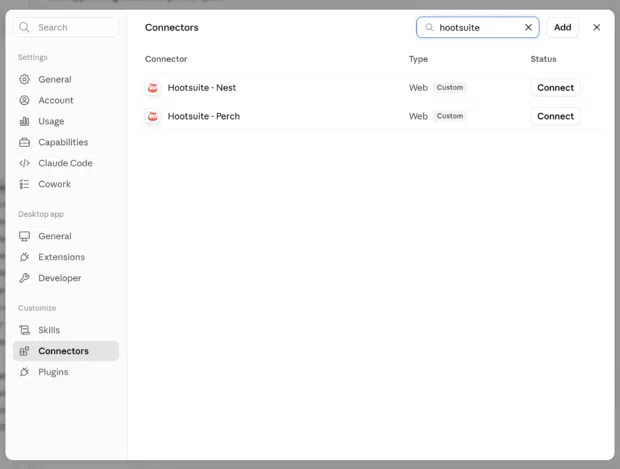
- MCP (Model Context Protocol) Integration: A "headless" approach that allows Hootsuite’s intelligence to flow directly into third-party AI assistants like Claude, ChatGPT, and Microsoft Copilot.
A Chronology of Transformation
The journey to the Social OS began shortly after Ryan Holmes returned to the helm of the company in early 2026. Recognizing that the industry was approaching a plateau where incremental updates would no longer suffice, the executive team made the difficult decision to "take apart products that worked."
- The Re-Founding Era (Q1 2026): Upon his return, Holmes initiated an audit of the platform’s existing capabilities. The conclusion was that the legacy infrastructure, while robust, was designed for a different era of social media.
- Development Phase (Q2 2026): The engineering team prioritized the integration of a real-time signal layer, shifting resources from traditional UI improvements to deep, AI-native infrastructure.
- The Pivot (Mid-2026): Hootsuite shifted focus toward the Model Context Protocol (MCP), recognizing that modern power users prefer working within their AI agents rather than navigating between multiple browser tabs.
- The Launch (June 2026): The official release of Social OS marks the transition from a "social media management tool" to an "operating system for social," enabling real-time, cross-functional automation.
Supporting Data: Why "Real-Time" Matters
The necessity for this pivot is supported by the changing behavior of social media audiences. Data indicates that the window for brand relevance during a trending topic has shrunk from days to mere hours.
General-purpose Large Language Models (LLMs) often struggle with this velocity because they are disconnected from the live, fragmented, and noisy environment of social media. Hootsuite’s internal research suggests that by narrowing the gap between signal acquisition and action, brands can improve their engagement metrics by a factor of three.
The "signal layer" mentioned by the company aggregates data from every major platform, creating a live feedback loop. By connecting this to the four core apps—Lumen (listening), Perch (content), Nest (customer care), and Parliament (advocacy)—Hootsuite allows for a "connected system." For example, a sentiment shift detected by Lumen can automatically trigger a change in the content calendar in Perch and alert the care team in Nest, effectively breaking down the organizational silos that have long plagued large marketing departments.
Official Responses and Strategic Philosophy
Ryan Holmes, reflecting on the launch, emphasized that this is not just a technology update, but a philosophical shift in business operations. "I’d rather risk confusion now than wake up irrelevant later," Holmes stated in his announcement.
The company is positioning this launch as a "first wave." They are actively soliciting feedback from their user base, particularly regarding the trade-offs of such a massive structural change. By hosting an open dialogue on professional platforms like LinkedIn, the leadership team is attempting to maintain the agility of a startup despite the company’s enterprise scale.
"We aren’t asking you to come to Hootsuite," says Holmes. "We are bringing Hootsuite to where you work." This focus on MCP (Model Context Protocol) is perhaps the most significant indicator of the company’s new strategy. By allowing other AI agents to "call" Hootsuite directly—whether to triage a customer inbox or pull sentiment reports—the company is betting that the future of software is invisible and API-first.
Implications for the Industry
The launch of Hootsuite Social OS has several profound implications for the social media marketing industry:

1. The End of the "Dashboard Fatigue" Era
For years, social media managers have been forced to bounce between a half-dozen platforms to monitor, create, and report. By unifying these functions under a single, AI-led operating system, Hootsuite is setting a new expectation for software consolidation. Future competitors will likely find it difficult to compete if they remain fragmented.
2. The Rise of "Headless" Marketing
The integration of MCP connectors is a watershed moment for martech. If a marketing team can perform complex tasks (like publishing or crisis management) via a custom internal Copilot or ChatGPT instance, the traditional "login and click" model of SaaS platforms will face an existential threat. Hootsuite’s decision to embrace this "headless" model early suggests they are prioritizing utility over platform retention.
3. The New Standard for AI in Business
Many companies have spent the last two years "sprinkling" AI on top of legacy features. Hootsuite’s approach suggests a shift toward "Social-First AI"—systems that are built specifically to process the unique, high-velocity data of social media rather than generic web text. This distinction will likely become the benchmark by which all future marketing software is judged.
Looking Forward: A Call for Collaboration
As Hootsuite rolls out the Social OS, the company is acutely aware that change of this magnitude requires buy-in from the user community. The platform is currently available for trial, with the company emphasizing that the current iteration is merely the beginning of a long-term roadmap.
By inviting users to identify what the company "cannot afford to lose," Hootsuite is attempting to balance the breakneck speed of technological advancement with the reliability required by enterprise-level marketing teams.
Ultimately, the release of the Social OS serves as a warning to the rest of the industry: the era of static social media management is coming to a close. In an environment where the "right now" is the only thing that matters, companies that rely on last quarter’s data will find themselves increasingly left behind. For Hootsuite, the future is not just about managing social—it is about operating at the speed of human conversation.
 Reynand Wu
  Muslim
  Nila Kartika Wati