
 By Muslim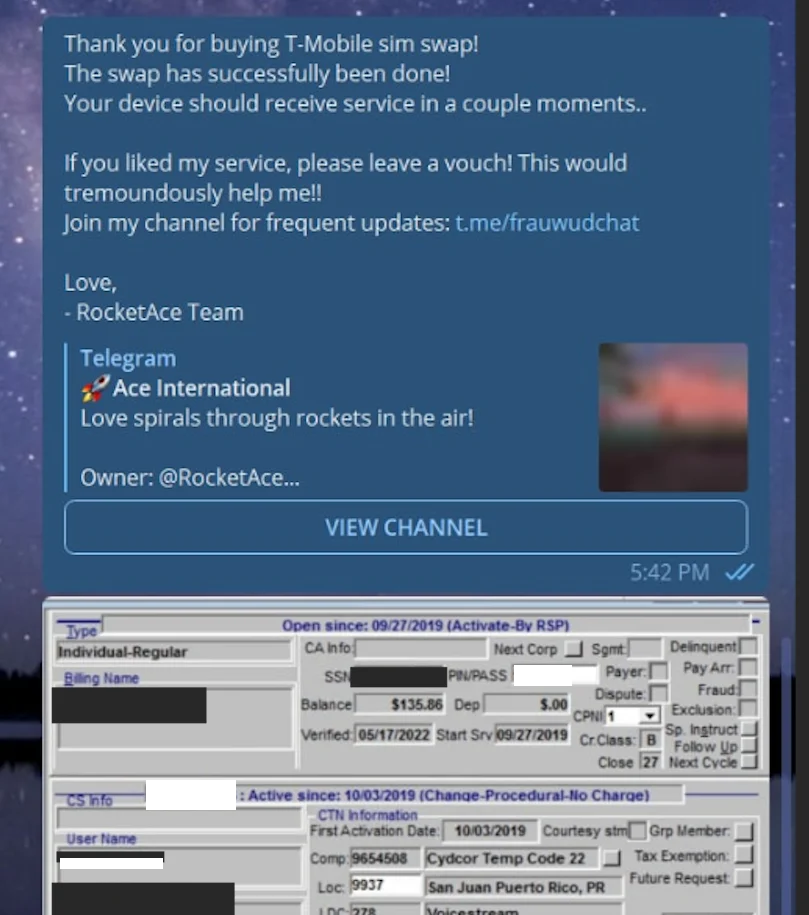
In a landmark development for international cybersecurity enforcement, two young British men appeared before a London court this week to enter guilty pleas for their roles in a series of devastating cyberattacks that crippled critical infrastructure and extorted hundreds of millions of dollars from global organizations.
Thalha Jubair, 20, of East London, and 18-year-old Owen Flowers of Walsall, admitted to conspiring to commit unauthorized acts against the computer systems of Transport for London (TfL)—the backbone of the Greater London public transit network—during a high-profile attack in August 2024. The duo, identified as core members of the notorious cybercrime syndicate known as "Scattered Spider," entered their pleas at the commencement of what was scheduled to be a six-week trial, signaling a significant blow to the operational capabilities of one of the most prolific hacking groups in recent history.
The Magnitude of the TfL Crisis
The August 2024 attack on Transport for London served as a stark reminder of the vulnerability of urban infrastructure to modern digital warfare. By paralyzing the systems responsible for the Greater London area’s public transport, the attackers did more than just disrupt transit; they compromised the security and daily welfare of millions of commuters.
Jubair and Flowers faced charges specifically related to the "risk of serious damage to human welfare," a reflection of the potential life-safety implications inherent in disabling transit signaling, ticketing, and administrative networks. While the immediate disruption caused chaos across London, the legal proceedings have now exposed the depth of the duo’s involvement in a global campaign that stretched far beyond the United Kingdom.
A Chronology of Digital Malfeasance
The Early Days: Phishing and "Everlynn"
The criminal career of Thalha Jubair began long before he became a household name in law enforcement circles. As early as age 15, operating under the alias "Everlynn," Jubair was already pioneering sophisticated social engineering techniques. His early work involved the creation and sale of fraudulent "emergency data requests" (EDRs). By compromising police and government email accounts, he and his cohorts would submit urgent demands to major tech corporations for subscriber data—such as IP addresses and account credentials—under the guise of life-or-death investigations. This bypass of standard legal processes became a hallmark of his methodology.
The 2022 Summer of Phishing
By 2022, the scale of these operations ballooned. Jubair was a central figure in a massive SMS-based phishing campaign that targeted hundreds of major corporations. This campaign successfully breached over 130 organizations, including industry giants such as LastPass, DoorDash, Mailchimp, Plex, and the privacy-focused messaging app Signal. The objective was clear: the harvest of single sign-on (SSO) credentials that provided keys to the kingdom for corporate networks worldwide.
The Rise of Scattered Spider
As members of Scattered Spider, Jubair and Flowers elevated their tactics from simple credential harvesting to high-stakes ransomware. In 2023, the group gained global notoriety for the disruptive ransomware attacks against MGM Resorts and Caesars Entertainment in Las Vegas. Investigative reporting by KrebsOnSecurity later identified Owen Flowers as the individual who acted as the group’s media spokesperson, granting interviews to outlets to taunt security researchers and boast of the chaos wrought upon the casino giants.
Supporting Data: The Financial Toll of Extortion
The financial impact of Scattered Spider’s activities is staggering. According to a 2025 indictment unsealed by federal prosecutors in New Jersey, the group orchestrated over 120 intrusions involving 47 U.S. entities between May 2022 and September 2025. During this period, victims were coerced into paying at least $115 million in ransom payments to regain control of their systems.

The group’s efficiency was bolstered by their mastery of "SIM-swapping." Jubair co-ran a Telegram channel dubbed "Star Chat," which served as an underground marketplace for cyber-thieves. By utilizing voice and SMS-based phishing to target employees at major telecommunications providers, the group could intercept one-time multi-factor authentication (MFA) codes, effectively bypassing the security measures meant to protect user accounts.
In addition to the TfL breach, Flowers admitted to participating in a separate conspiracy to infiltrate U.S.-based healthcare providers, specifically SSM Health Care Corporation and Sutter Health, in September 2024. These attacks highlight a disturbing trend where cyber-criminals move from targeting commercial retailers like Harrods and the Co-op Group to attacking the very systems that provide essential medical care.
The Global Crackdown: Law Enforcement Responses
The arrests of Jubair and Flowers were the result of unprecedented collaboration between the UK’s National Crime Agency (NCA) and U.S. federal authorities, including the Department of Justice and the FBI.
This is not the first time Scattered Spider members have faced justice. In April 2026, 24-year-old Tyler "Tylerb" Buchanan pleaded guilty to wire fraud conspiracy and aggravated identity theft. Buchanan was a key architect of the 2022 SMS phishing spree, which resulted in the theft of over $8 million in cryptocurrency. Furthermore, in August 2025, Noah Michael Urban, a Florida-based member of the group, was sentenced to 10 years in federal prison and ordered to pay $13 million in restitution.
Despite these victories, the Department of Justice continues to pursue other key members. Ahmed Hossam Eldin Elbadawy, Evans Onyeaka Osiebo, and Joel Martin Evans remain under indictment, with the DOJ signals that the hunt for the remaining nodes of the Scattered Spider network is far from over.
Implications for Corporate and Public Security
The guilty pleas of Jubair and Flowers carry profound implications for the future of digital defense:
- The Failure of Traditional MFA: The success of the "Star Chat" group proves that relying solely on SMS-based or voice-based MFA is no longer sufficient. Organizations must transition to hardware-based security keys or push-based authentication that is resistant to interception.
- The "Insider" Risk: Scattered Spider consistently succeeded by targeting the human element—the employees. Whether through phishing or bribing telecom staff, the group demonstrated that the weakest link in any network is the individual behind the terminal.
- The Escalation of Ransomware: The transition from targeting luxury retail to critical infrastructure and healthcare represents a dangerous evolution in cybercrime. As criminals realize that the potential for extortion is higher when lives or essential services are at stake, the threat landscape shifts from a financial nuisance to a national security priority.
- International Cooperation: The case proves that jurisdictional boundaries are becoming less effective shields for cyber-criminals. The NCA and FBI’s joint success highlights a maturing international framework designed to extradite and prosecute offenders regardless of where they sit behind a keyboard.
Conclusion: A Turning Point
As the London court prepares to hand down sentences on July 15, 2026, the case of Jubair and Flowers serves as a cautionary tale for the next generation of digital insurgents. The "Scattered Spider" phenomenon, once thought to be an unstoppable force that could hold entire industries hostage, is currently being dismantled piece by piece.
However, the ease with which these young men could disrupt national infrastructure suggests that the work of securing the digital world is far from complete. While the arrests bring a sense of closure to the victims of the TfL, MGM, and healthcare breaches, the underlying vulnerabilities that these hackers exploited remain, reminding organizations that in the digital age, security is not a product, but a constant, evolving process.
 Sagoh
Sagoh  Evan Lee Salim
  Ammar Sabilarrohman