
 By Nila Kartika Wati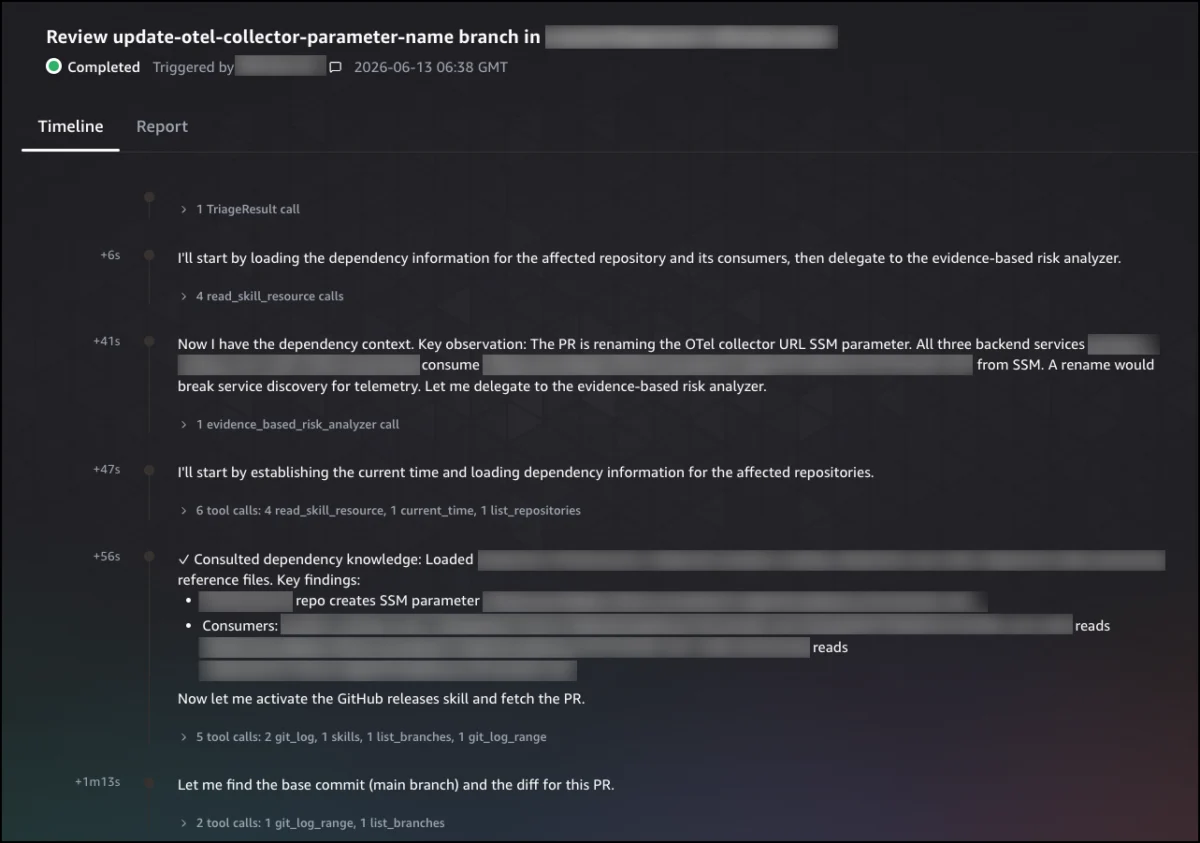
In an era where AI-generated code is accelerating software development velocity to unprecedented levels, engineering teams are increasingly finding themselves caught in a bottleneck: the "review gap." As pull requests flood pipelines, the human capacity for thorough code review, security vetting, and integration testing is being pushed to its breaking point. Today, Amazon Web Services (AWS) is addressing this challenge head-on by announcing a powerful new suite of release management capabilities for the AWS DevOps Agent, now available in preview.
The AWS DevOps Agent, already a staple for post-deployment incident investigation and root cause analysis, is evolving into an end-to-end "always-available" teammate. By extending its reach into the pre-deployment phase, the agent now provides autonomous release readiness reviews and intelligent, change-specific testing. This shift signals a fundamental change in the DevOps lifecycle: moving from manual gatekeeping to AI-orchestrated quality assurance.
Main Facts: Bridging the Gap Between AI Velocity and Production Stability
The core value proposition of the updated AWS DevOps Agent lies in its ability to understand the complex, interconnected nature of modern software environments. Unlike static analysis tools that look at code in isolation, the DevOps Agent maintains a "knowledge graph" of an organization’s entire ecosystem—spanning AWS, multicloud, and on-premises infrastructure.
The Two Pillars of New Functionality:
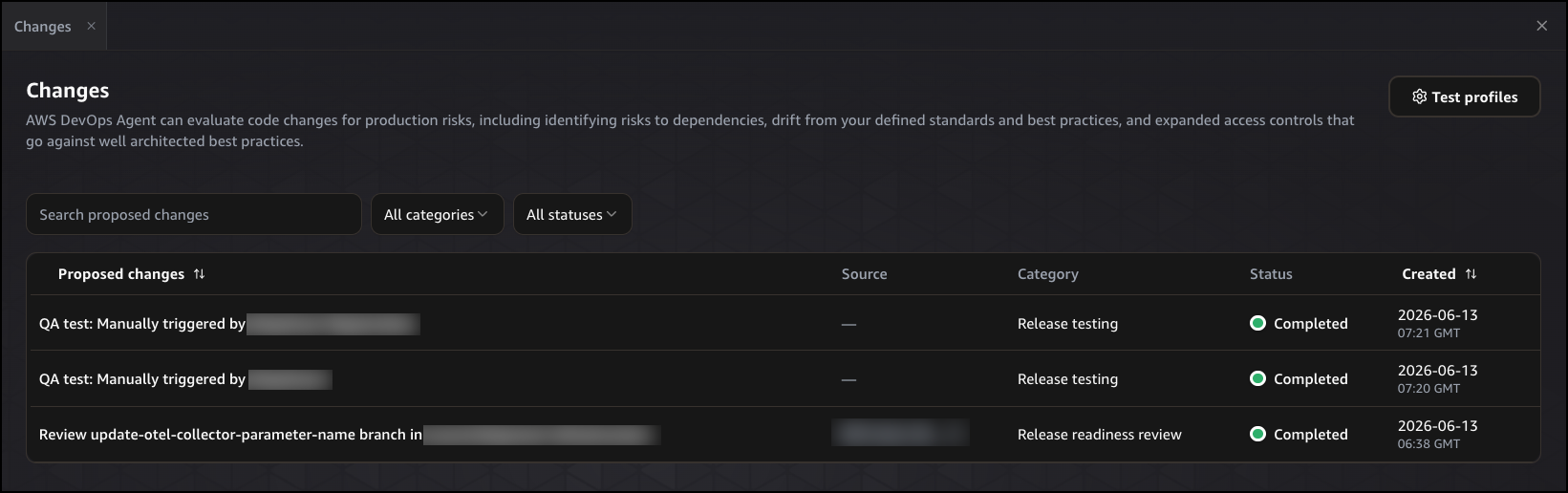
- Release Readiness Review: This feature evaluates every code change against a set of "natural language standards" defined by the engineering team. It checks for cross-repository dependency risks, ensures adherence to the AWS Well-Architected Framework, and validates security and compliance postures before a single line of code is merged.
- Autonomous Release Testing: Rather than relying on rigid, pre-configured test suites that often drift from production realities, the agent dynamically reasons about the nature of a specific code change. It constructs bespoke test plans for web and API-based applications, executing them in production-like environments to catch functional regressions and integration errors that humans might overlook.
These tools are designed to work seamlessly within existing developer workflows. Whether through the AWS DevOps Agent console, GitHub/GitLab pull request comments, or directly within an IDE via plugins like Claude Code, the agent provides actionable feedback, effectively acting as an automated senior engineer on every team.
Chronology: The Evolution of the DevOps Agent
To understand the significance of this update, it is necessary to track the progression of the AWS DevOps Agent’s capabilities:
- Phase 1: Post-Deployment Maturity. Initially launched as a post-deployment operational tool, the agent gained industry recognition for its ability to autonomously investigate incidents. It provided root cause analysis and automated mitigation steps, significantly reducing the "mean time to recovery" (MTTR) for organizations.
- Phase 2: The Integration of Generative AI. As organizations began adopting AI-assisted coding tools, the volume of code produced began to outpace traditional quality assurance (QA) processes. AWS recognized that the "value" of these coding agents was becoming trapped in stagnant review queues.
- Phase 3: The Pre-Deployment Shift (Current). With the announcement of the release management preview, the agent now spans the entire development lifecycle. It has transitioned from being a "firefighter" (fixing production issues) to an "architect" (preventing issues from reaching production in the first place).
Supporting Data: Why Automated Governance is a Necessity
The industry is currently facing a "paradox of speed." While AI coding tools can increase developer productivity by 30% to 50%, the downstream impact on SRE and DevOps teams is often a degradation in deployment safety.

The "Review Queue" Problem
Data suggests that as the number of pull requests grows, the quality of human reviews tends to decline due to "review fatigue." When teams are pressured to maintain velocity, there is a dangerous tendency to approve changes without thorough examination.
The Environment Drift
A critical issue identified by AWS is the divergence between test environments and production environments. By running software in AWS-managed isolated environments, the new DevOps Agent mitigates this risk. It executes lightweight user journey tests that verify not just the syntax, but the actual functional viability of the code within a production-like context.
Implications for Modern Engineering Teams
The introduction of these features has profound implications for how organizations manage risk and compliance.
Empowering Developers with Immediate Feedback
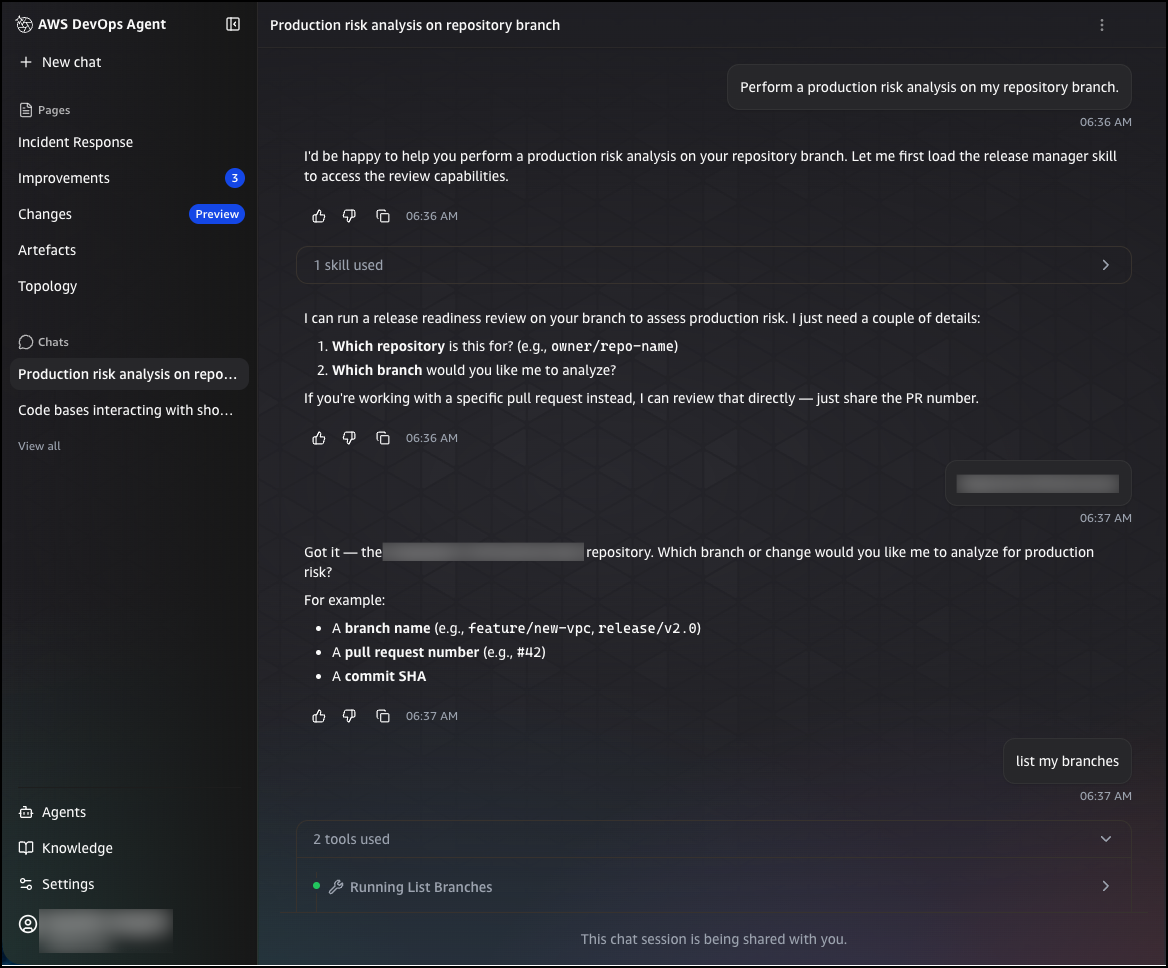
By enabling developers to trigger a "production risk analysis" from their IDE, the agent creates a "shift-left" security and operational culture. Developers no longer have to wait hours for a CI/CD pipeline to fail; they receive immediate, actionable insights into how their changes might impact downstream consumers or violate internal security policies.
Codifying Institutional Knowledge
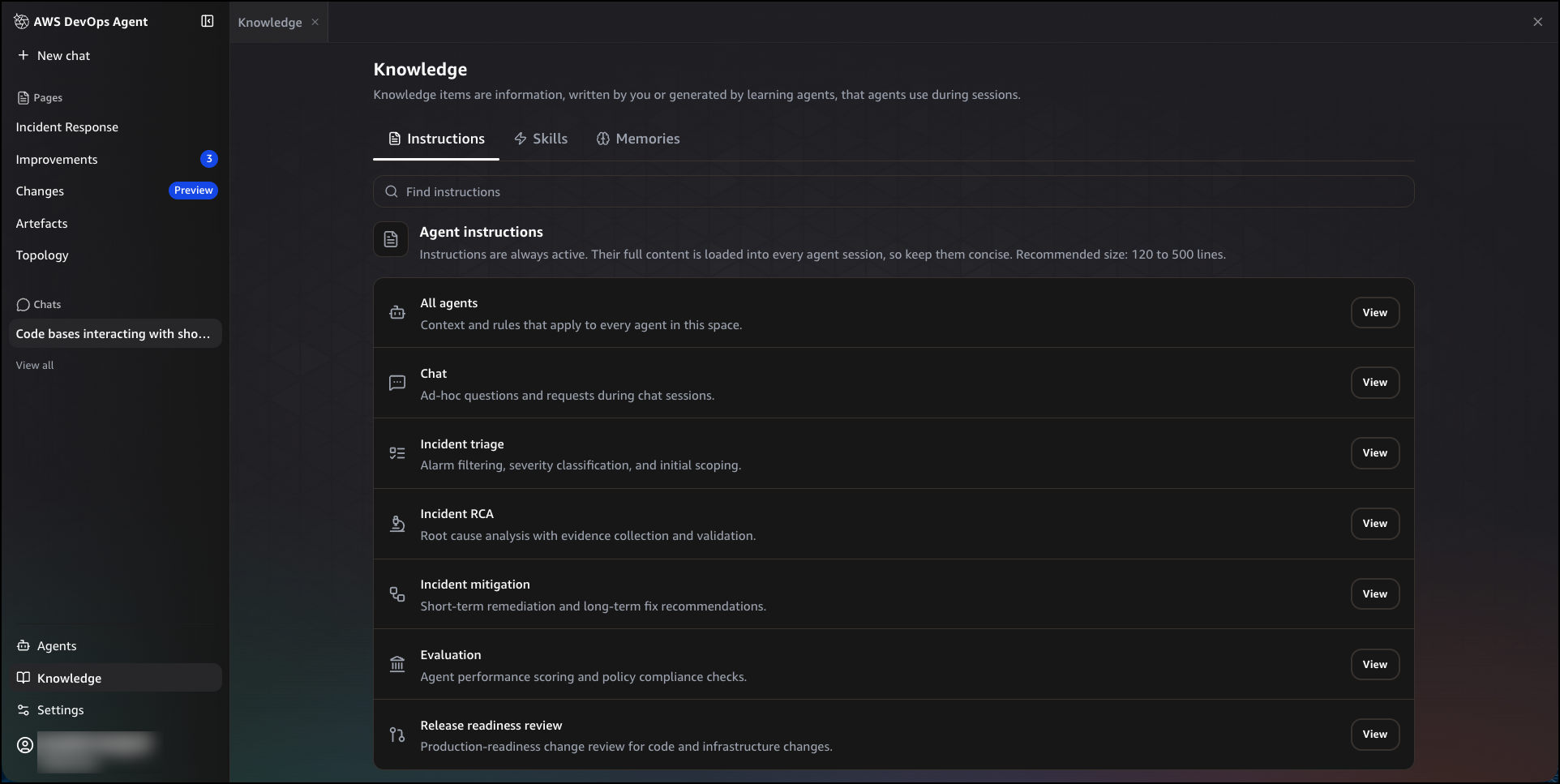
The ability to define "Instructions" in plain English is a transformative feature. Organizations can now codify their internal best practices—such as specific encryption standards, network access rules, or data classification protocols—directly into the agent’s knowledge base. This ensures that every developer, regardless of tenure, is held to the same high standard of production readiness.
Transparency and Auditability
Every decision made by the agent is logged in a "Timeline" view. This provides a transparent, step-by-step audit trail of the reasoning process, the tools called, and the evidence gathered. This level of traceability is invaluable for compliance-heavy industries that require documentation for every change introduced into production.
Official Responses and Strategic Outlook
While the industry continues to debate the role of AI in software engineering, AWS’s strategy is clear: they are not looking to replace the human developer, but to provide them with an "intelligent force multiplier."
"The practice of DevOps aims to make software change and operations smooth and increasingly autonomous," a spokesperson noted, emphasizing that the agent’s role is to keep pace with the sheer volume of modern software development. By automating the mundane aspects of release readiness, AWS is freeing up human engineers to focus on higher-level architectural decisions and product innovation.
Future Roadmap Expectations
The current preview in the US East (N. Virginia) Region is a testing ground for what will likely become a mandatory component of the enterprise DevOps stack. As the agent learns from more environments, its ability to reason about complex, cross-service dependencies will only become more refined.
Conclusion: A New Standard for Delivery
The integration of release readiness reviews and autonomous testing into the AWS DevOps Agent represents a milestone in the "Autonomous DevOps" movement. By providing a structured, data-driven approach to production-readiness, AWS is setting a new benchmark for how software should be shipped.
For engineering leads, the message is clear: the future of shipping code safely is not about adding more manual checkpoints, but about embedding intelligence into the pipeline itself. As the preview period continues, organizations are encouraged to begin indexing their repositories and defining their "Instructions." The goal is no longer just to move fast, but to move fast with the unwavering certainty that the system will remain stable, secure, and compliant.
Getting Started:
Teams interested in exploring these capabilities can navigate to the AWS DevOps Agent console, connect their GitHub or GitLab repositories, and begin configuring their internal instruction sets. With the agent’s ability to provide a "BLOCK," "Proceed with Caution," or "Safe to Release" recommendation, the path to autonomous, high-velocity delivery has never been clearer.
 Neng Nana
  Suro Senen
  Lina Hope