
 By Nana Muazin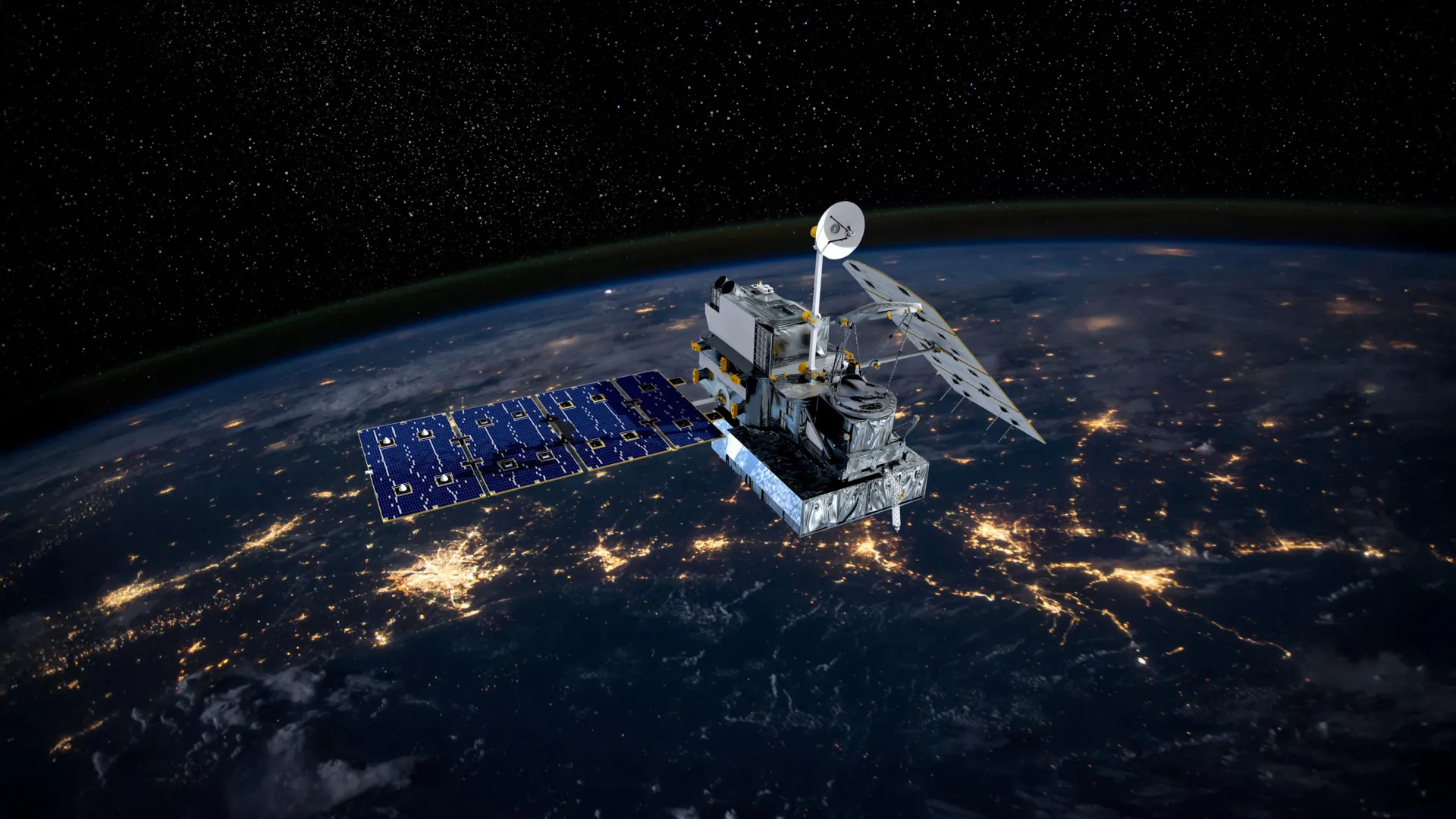
The modern digital economy is built on a foundation of silicon and cooling fans. As artificial intelligence continues its meteoric rise, the world’s insatiable appetite for compute power is pushing Earth-based infrastructure to its breaking point. In response, a visionary—some might say radical—concept has captured the imagination of Silicon Valley and the aerospace industry alike: the orbital data center.
Imagine a world where the "cloud" is literal. Proponents envision massive, autonomous server arrays orbiting the Earth, fueled by unceasing solar energy and unburdened by terrestrial constraints like zoning laws, water scarcity, or local political backlash. As companies like SpaceX push toward the next generation of space infrastructure, investors are beginning to view the orbital ecosystem not just as a transport network, but as the next utility grid for the 21st century.
The Genesis of Orbital Computing: A Chronology of Ambition
The transition from "rocket company" to "orbital utility provider" is a pivot of monumental proportions. To understand how we arrived at this juncture, one must look at the progression of space-based technology:
- 2019–2022 (The Satellite Broadband Era): With the initial deployment of constellations like SpaceX’s Starlink, the feasibility of low-latency, space-to-ground communication was proven. The focus was on connectivity, but the infrastructure paved the way for something more sophisticated.
- 2023–2024 (The AI Compute Crunch): As generative AI models exploded in popularity, terrestrial data centers faced a crisis of capacity. Energy grids struggled to keep pace, and environmental concerns regarding water-intensive cooling systems brought new construction to a standstill in several major tech hubs.
- 2025 (The Hardware Pivot): Early reports emerged of companies experimenting with high-performance computing (HPC) modules designed for the harsh environment of low Earth orbit (LEO).
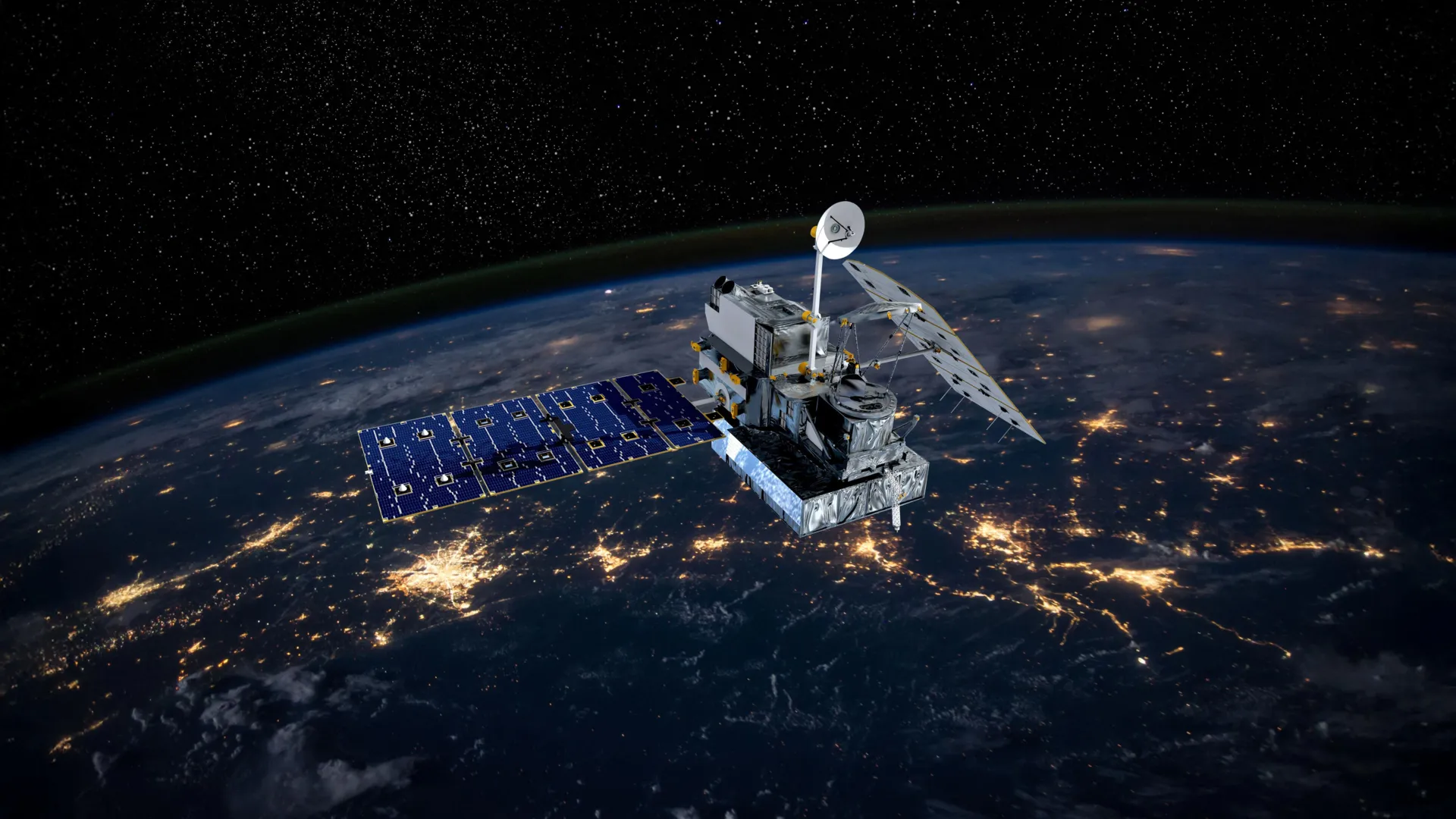
- 2026 (The Announcement): SpaceX unveiled its "AI1 Compute Satellite," a specialized platform designed to handle edge computing tasks in orbit. While currently a fraction of the power of a terrestrial data center, it represents the first major industrial step toward space-based cloud services.
Supporting Data: The Physics of the Final Frontier
Building a data center in the vacuum of space is an exercise in extreme engineering. Professors who specialize in space systems and data architecture note that the trade-offs are significant.
The Power Paradigm
On Earth, data centers are slaves to the local electrical grid. In space, they are masters of their own destiny. Solar panels offer a constant, 24/7 supply of power, uninterrupted by the day-night cycle or cloud cover. However, the efficiency problem persists: current solar cell technology converts only about 50% of incoming sunlight into usable energy. Furthermore, the necessity of batteries or fuel cells to bridge the gap when the craft enters Earth’s shadow adds significant mass—and thus, launch cost—to the project.
The Thermal Conundrum
Perhaps the most counterintuitive hurdle is cooling. In a vacuum, there is no air to facilitate convection. Heat must be dissipated through infrared radiation, a process that is notoriously slow. To move 10 megawatts of heat, a facility would require radiators spanning the size of two football fields. This necessity for massive surface area creates structural challenges, as these radiators must be deployed and stabilized in a zero-gravity environment without obstructing solar collection.
The Harshness Factor
Space is not a hospitable place for delicate electronics. Constant exposure to cosmic radiation causes bit flips and material degradation. Furthermore, the extreme temperature fluctuations—ranging from intense solar heating to the freezing darkness of Earth’s shadow—place massive thermal stress on delicate hardware, potentially shortening the lifespan of server components to a fraction of what would be expected on the ground.
Official Responses and Industry Sentiment
While the vision is alluring, the industry is split between "space optimists" and "terrestrial realists."
Major players like SpaceX argue that the scalability of orbital infrastructure is the only way to satisfy the long-term demands of AI. "We are no longer just launching hardware; we are launching the foundation for the next stage of human intelligence," a company representative noted in recent briefings.
Conversely, infrastructure analysts point to the "refresh cycle" problem. On Earth, data centers upgrade their chips every three to five years to keep pace with Moore’s Law. In orbit, the cost and logistical complexity of launching replacement hardware are prohibitive. "If your hardware becomes obsolete every 36 months, but your satellite platform is designed for a 15-year lifecycle, you are essentially launching millions of dollars of space junk," warns an independent aerospace consultant.
The Environmental and Social Implications
The move to space is often pitched as an "environmental win," promising to relocate energy-intensive industries away from fragile local ecosystems. Yet, this narrative is not without its detractors.
The Space Debris Crisis
Launching thousands of server modules adds to an already crowded orbital environment. The risk of collisions is not just a financial concern; it is an existential one. A major collision could create a cascade of debris, potentially rendering certain orbital altitudes unusable for generations—a scenario known as the Kessler Syndrome.
The Launch Burden
Protests in regions like Boca Chica, Texas, highlight that the environmental impact is not disappearing—it is merely being relocated to the launch site. The ecological cost of constant, high-frequency heavy-lift rocket launches is a subject of growing contention, with environmental groups arguing that the carbon and acoustic footprint of these launches may offset the "clean" energy benefits of the data centers themselves.
Future Outlook: A Hybrid Computing Ecosystem
Do space-based data centers make sense? The current consensus suggests a nuanced reality. For the immediate future, we are unlikely to see the migration of mainstream cloud services—like Netflix streaming or personal cloud storage—to orbit. The latency requirements for these services are too high; the physical distance between a user on the ground and a server in LEO introduces delays that, while small, are detrimental to real-time financial trading or interactive AI.
Instead, the first wave of space-based computing will likely be "space-centric." These data centers will serve as processing hubs for Earth-observation satellites, military reconnaissance, and scientific research. By processing data in orbit, we can filter vast amounts of raw imagery and telemetry, sending only the actionable intelligence back to Earth. This reduces the bandwidth burden on the satellite-to-ground link and allows for faster reaction times for critical operations.
As in-space servicing, assembly, and manufacturing (ISAM) technologies mature, we may eventually see modular data centers that can be upgraded in orbit by robotic maintenance crews. If we can master the art of "living" in space, the data center of the future may well be a permanent, orbiting monument to human ingenuity.
For now, however, the "railroad of the space economy" remains under construction. Investors, engineers, and policymakers remain locked in a complex dance, balancing the seductive promise of an infinite frontier against the unforgiving laws of physics and the delicate balance of our own planet’s atmosphere. The question is not just whether we can build data centers in space, but whether we can do so sustainably enough to justify the voyage.
 Sagoh
Sagoh  Asro
Asro  Siti Muinah