
 By Pevita Pearce
The creator economy has matured. What began as a landscape dominated by “tip jars” and simple donation buttons has evolved into a sophisticated ecosystem where creators are essentially digital entrepreneurs. For many, Ko-fi has served as the perfect gateway—a low-friction, low-pressure entry point for monetizing an audience. However, as your creative practice scales, you may find that the very simplicity that once attracted you to Ko-fi now acts as a ceiling.
If you are a podcaster looking to offer complex bonus tiers, an artist transitioning to physical merchandise, or a writer ready to turn a blog into a professional publication, the limitations of entry-level platforms can become a hurdle to growth. This guide explores the premier alternatives to Ko-fi, analyzing how they provide the control, customization, and specialized features necessary to professionalize your income streams in 2026.

The Evolution of Creator Monetization: Main Facts
The shift away from "support-only" platforms toward robust, all-in-one business solutions is driven by a need for better data, higher margins, and more complex product offerings. While Ko-fi provides an excellent baseline, it lacks the deep integration, fulfillment capabilities, and advanced marketing tools required by full-time creators.
When evaluating an alternative, creators must consider:
- The Revenue Model: Is the platform taking a flat fee, a percentage, or a monthly subscription?
- Fulfillment: Does the platform handle physical goods, or are you responsible for the logistics?
- Community Integration: Does the platform facilitate direct communication, or is it merely a transactional storefront?
Chronology: When to Outgrow Your Current Platform
The decision to migrate or diversify your income sources typically follows a predictable timeline for most creators:
- The Hobbyist Stage (Months 0–6): You are testing the waters. You need a simple link-in-bio tool to accept coffee money or small donations. Ko-fi or Liberapay are ideal here.
- The Professionalization Stage (Months 6–18): You have a consistent audience. You need to segment your supporters into tiers, offer gated content, or sell digital assets like presets or ebooks. This is when platforms like Gumroad or Patreon become essential.
- The Enterprise Stage (18+ Months): You are managing inventory, selling physical merchandise, or hosting online courses. You require a unified dashboard for email marketing, affiliate management, and customer support. This is the realm of Fourthwall, Payhip, and Podia.
Supporting Data: Platform Comparison at a Glance
| Platform | Best For | Starting Price | Platform Fee | Standout Feature |
|---|---|---|---|---|
| Patreon | Membership content | Free | 10% | Built-in community tools |
| Fourthwall | Merchandise | Free | 5% (digital) | Integrated merch fulfillment |
| Gumroad | Digital products | Free | 10% + $0.50 | Rapid checkout |
| Payhip | Scalable storefronts | Free | 5% (on free) | Flexible pricing models |
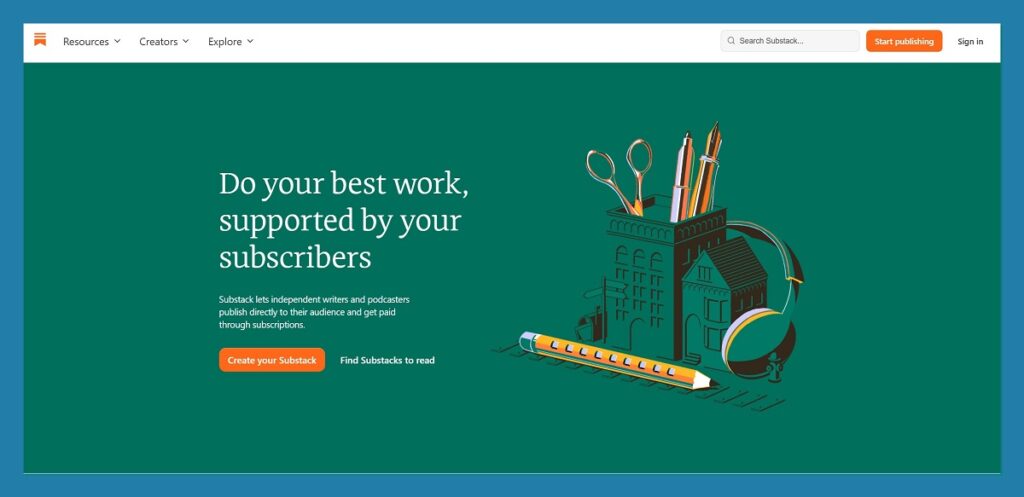
| Substack | Newsletters | Free | 10% | Built-in email delivery |
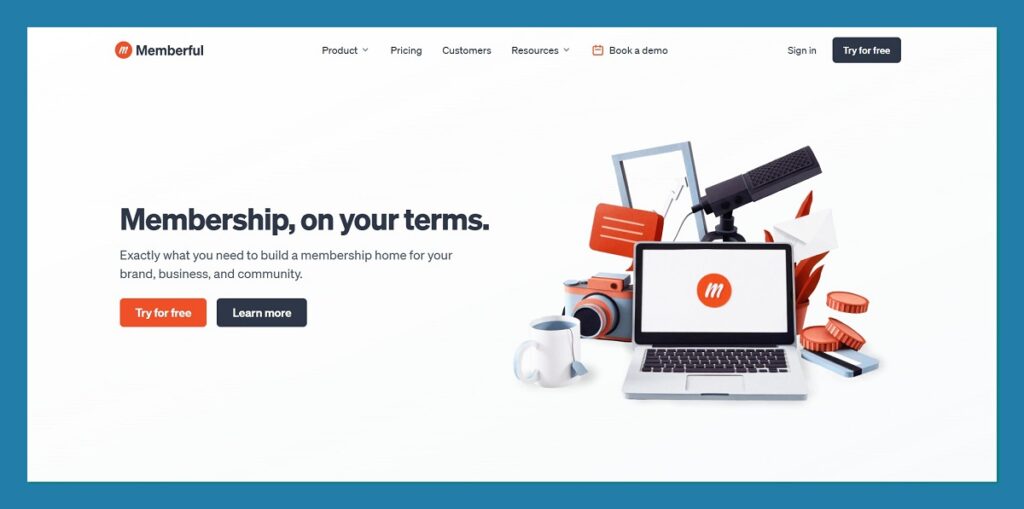
| Memberful | Own-site memberships | Custom | 4.9% | Deep CMS integration |
| Podia | All-in-one/Courses | $33/mo | 5% | Course + email + sales |
| Liberapay | Non-profit/Tips | Free | 0% | Zero platform fees |
Deep Dive: Top-Rated Alternatives
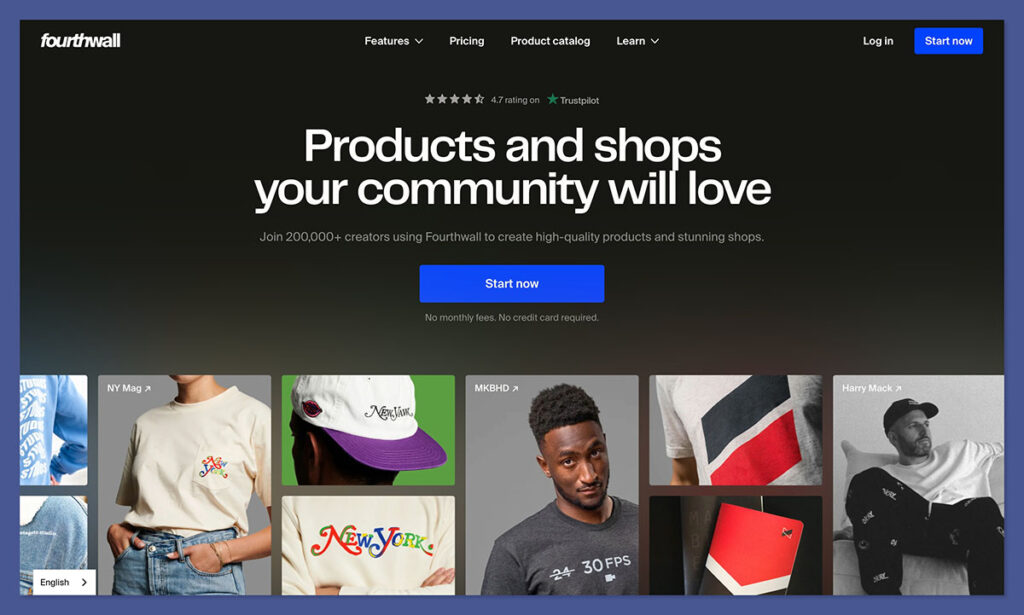
1. Fourthwall: The Merch Powerhouse
Fourthwall has emerged as the gold standard for creators who want to bridge the gap between digital content and physical goods. Unlike Ko-fi, Fourthwall provides high-quality print-on-demand fulfillment.
- Implications: You can design a hoodie or a mug and have it shipped to a fan in Tokyo without ever touching a box yourself.
- Why it works: It combines "tip jar" functionality with a professional ecommerce store, allowing for a seamless transition from viewer to customer.
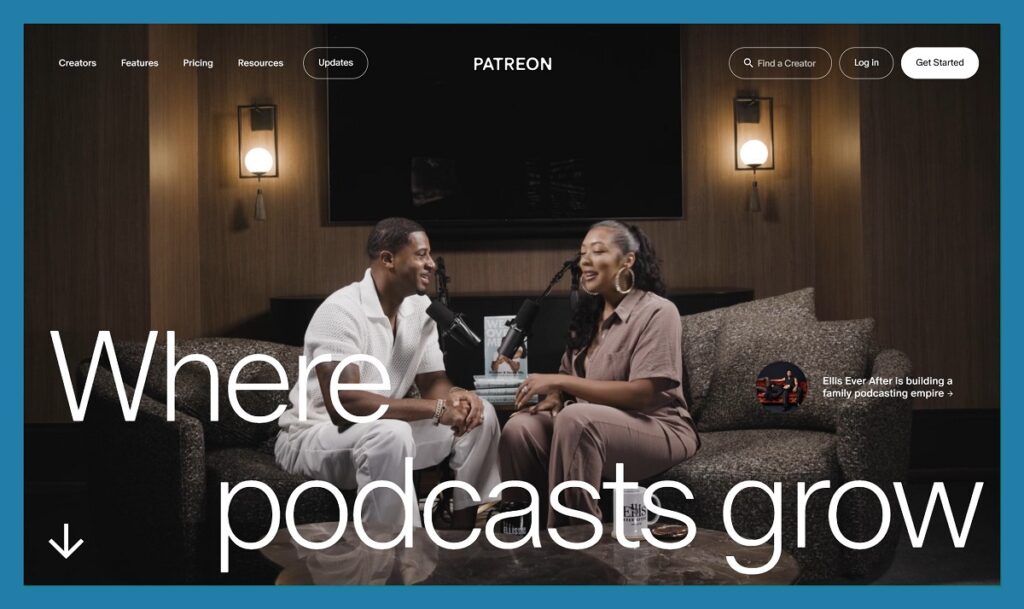
2. Patreon: The Community Backbone
Patreon remains the undisputed leader in membership-based income. It isn’t just a payment processor; it’s a community platform.
- Official Stance: Patreon has heavily invested in native video hosting and direct messaging to keep fans on the platform longer.
- Best for: Creators who produce serialized content—podcasters, serial artists, and video essayists who thrive on "behind-the-scenes" engagement.
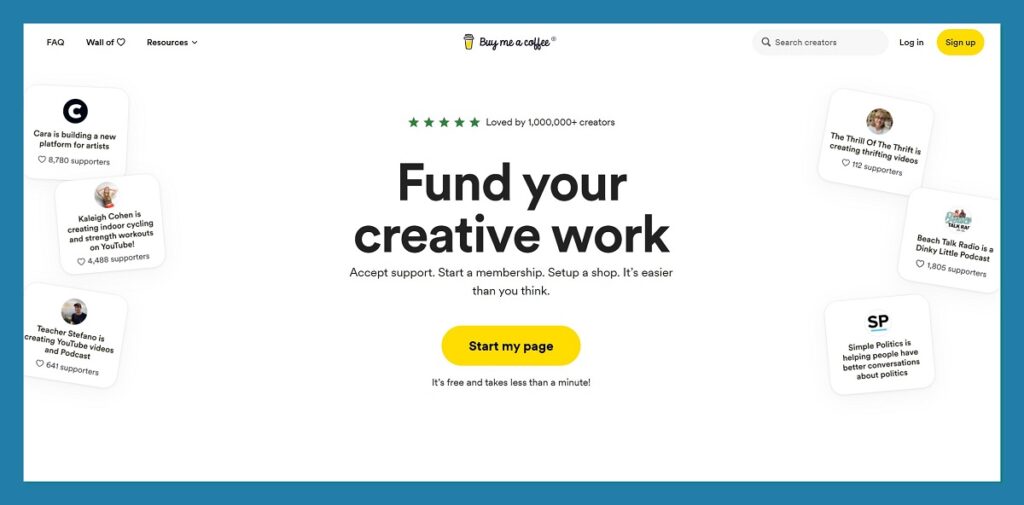
3. Gumroad: The Speed King
For creators who just want to sell a file and move on, Gumroad is unparalleled. Its checkout flow is designed to minimize drop-offs.
- Pros: Minimal setup time. You can go from a blank page to a live store in under five minutes.
- Cons: Very little in the way of visual branding or community building.
4. Payhip: The Scalable Choice
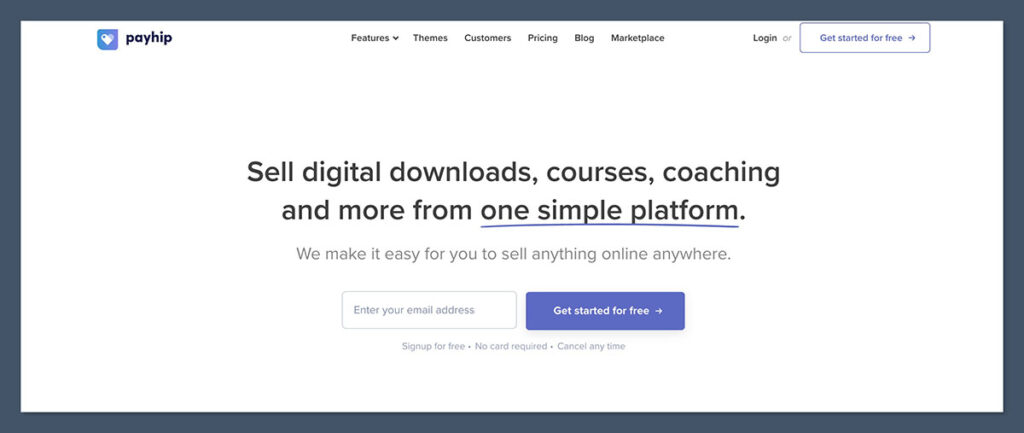
Payhip is perhaps the most underrated platform for creators who plan to grow. It offers a "middle ground" between a simple link-in-bio and a full Shopify store.
- The Edge: It handles EU VAT compliance and offers robust analytics, which are critical as your revenue grows into the five-figure range.
Official Perspectives and Industry Implications
The current climate of the creator economy reflects a move toward Platform Sovereignty. Many creators are finding that relying on a single third-party site is risky due to policy changes (such as Apple’s recent subscription rules) or sudden shifts in algorithm visibility.
- Memberful represents the shift toward self-reliance. By integrating into your own website (e.g., WordPress), you own the audience data. You are not at the mercy of a third-party’s terms of service changes.
- Podia reflects the consolidation trend. Creators are tired of "tool sprawl"—using Mailchimp for email, Teachable for courses, and Ko-fi for sales. Podia offers a "single pane of glass" approach to managing a digital business.
Strategic Implications: How to Choose Your Next Move
Match the Platform to the Output
If your primary output is text, Substack is the logical evolution. If your output is knowledge, Podia’s course infrastructure is superior. If your output is lifestyle and personality, Fourthwall’s merchandise capabilities will maximize your brand’s potential.
Diversification is Key
You are not restricted to one platform. Many of the most successful creators in 2026 utilize a "Hub-and-Spoke" model:
- The Hub: A personal website (using Memberful for recurring revenue).
- The Spokes: Gumroad for one-off digital downloads, and Fourthwall for seasonal merch drops.
The "Cost of Ownership"
Remember that "Free" platforms like Ko-fi often cost you more in the long run through higher percentage fees or lack of conversion optimization. As your revenue grows, paying a $33/month fee (as with Podia) to reduce transaction fees from 10% to 5% or 0% often results in a net profit increase.
Final Thoughts: The Path Forward
Choosing the right platform is not a one-time decision but a phase-gate process. If you are currently feeling the "Ko-fi ceiling," it is a sign of success. It means you have built an audience that wants more than just to "buy you a coffee"—they want to buy your expertise, your art, and your physical brand.
Do not be afraid to migrate. The modern creator toolset is designed for portability. Most platforms allow you to export your email lists and customer data, ensuring that your transition to a more powerful, professional tool is as smooth as possible.
In 2026, the creators who win are those who view their audience not as passive "supporters," but as active participants in a business. Whether you choose the community-heavy route of Patreon or the professional storefront model of Payhip, the goal remains the same: Building a resilient, sustainable income stream that allows you to continue creating the work you love.
Start by auditing your most successful content of the last six months. If your audience is asking for deeper access, go with Memberful or Patreon. If they are asking for more tangible products, go with Fourthwall. If they are asking for knowledge, go with Podia. The tools are ready—the only question is, are you ready to grow?
 Dwi Wanna
  Lina Irawan
  Basiran