
 By Pevita Pearce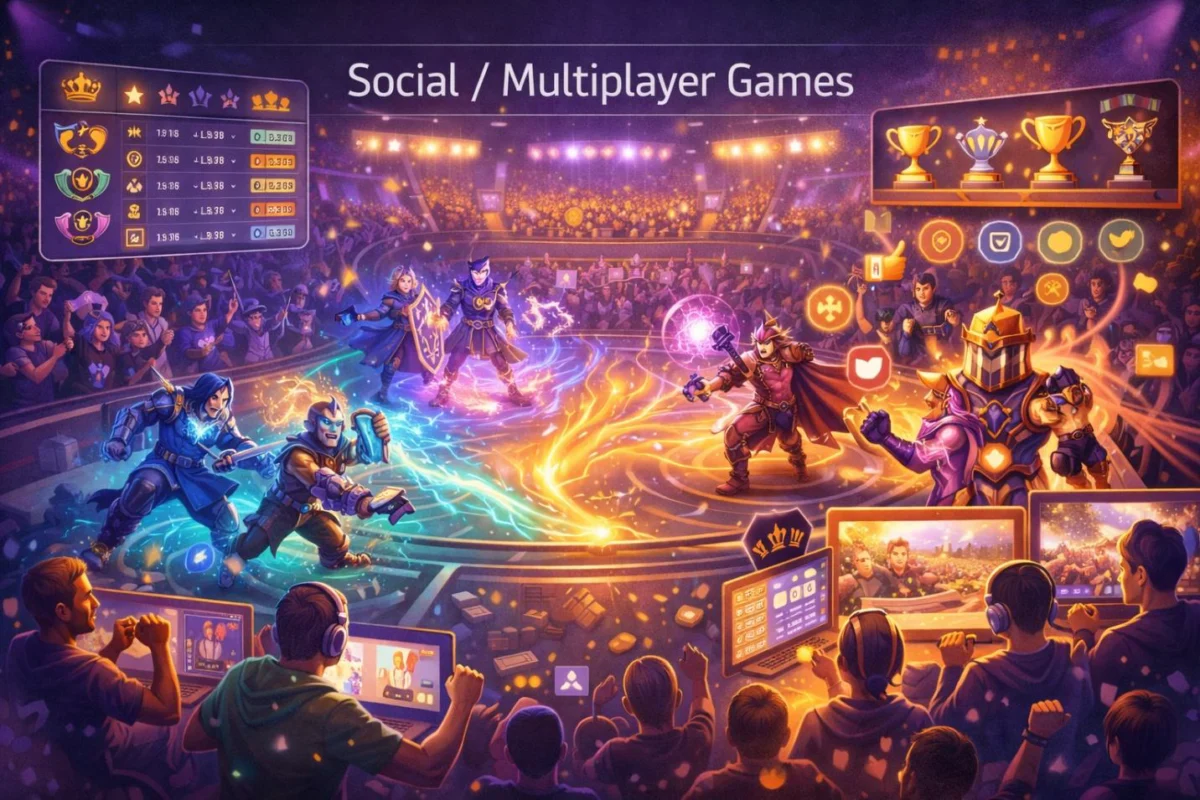
Part 3 of the “Gamification Series”
In the modern digital landscape, the term “gamification” has become a catch-all buzzword, frequently misused by product teams to justify the addition of leaderboards, progress bars, and arbitrary point systems. However, a growing consensus among top-tier user experience (UX) designers suggests that this "one-size-fits-all" approach is fundamentally flawed. The core realization driving the next evolution of product design is simple yet profound: there is no such thing as a monolithic "game psychology."
When a product team decides to “add gamification,” they are making the same strategic error as a music producer saying, “let’s add music” to a film without specifying the genre. A jazz score elicits a vastly different emotional response than a heavy metal soundtrack or a classical composition. Similarly, gaming genres attract distinct audiences through unique psychological triggers. By ignoring these distinctions, developers often create features that feel superficial, alienating the very users they intend to engage.
The Core Thesis: Gamification 2.0
The framework for what industry experts are calling "Gamification 2.0" is predicated on intentionality. Designers must stop treating game mechanics as a "plug-and-play" module and instead analyze which genre their product naturally aligns with. Whether it is a project management tool or a fitness tracker, understanding the underlying motivational structure—be it narrative, mastery, or social connection—is the only way to build long-term retention.
The Psychology of Play: Why Genre Matters
To understand how to apply these lessons, one must first deconstruct the primary pillars of gaming psychology.
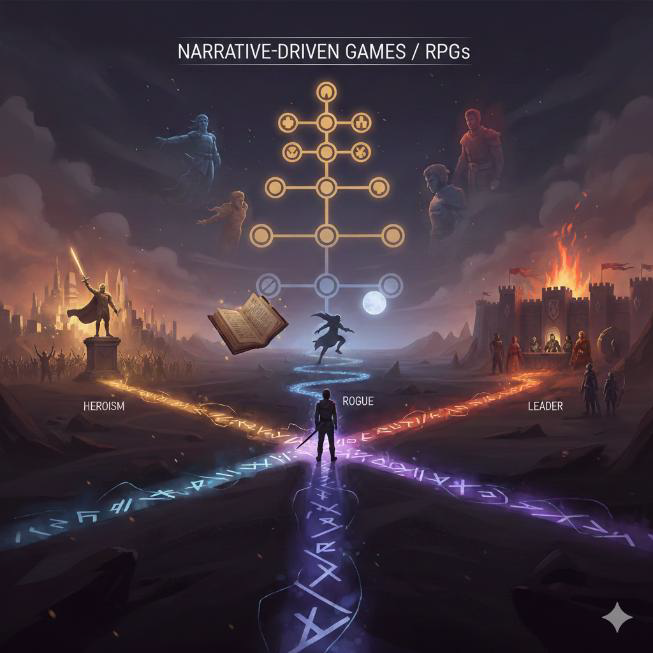
- Narrative-driven games (RPGs) thrive on character development and world-building.
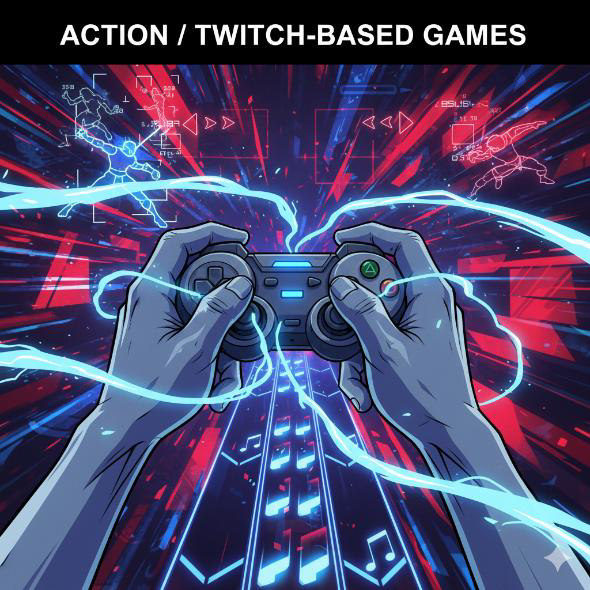
- Action/Twitch-based games rely on immediate sensory feedback and motor mastery.
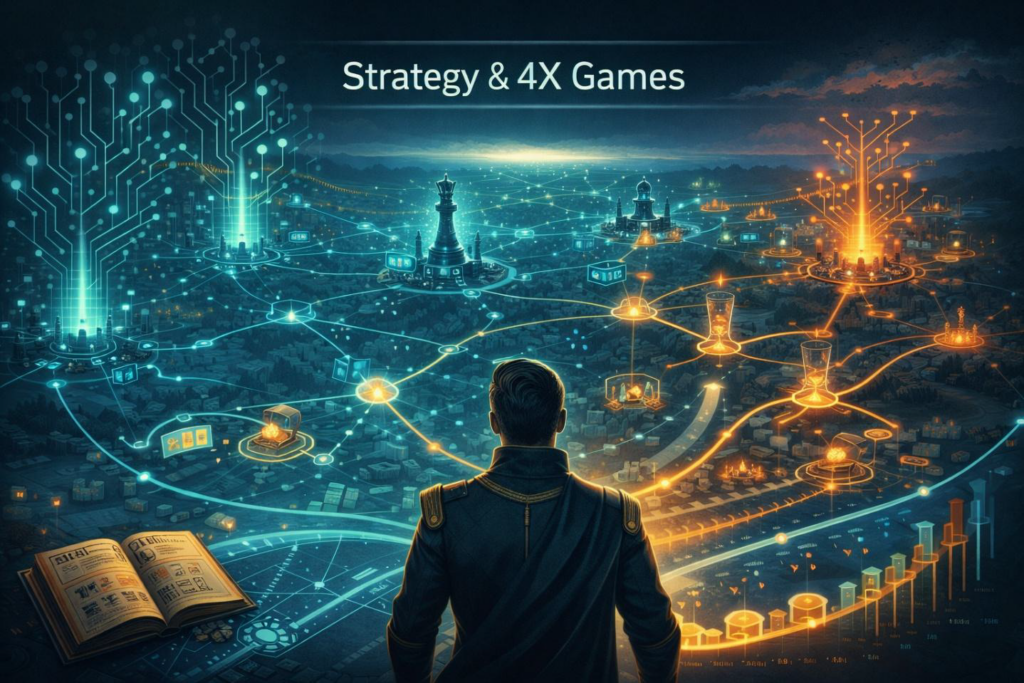
- Strategy (4X) games utilize long-term planning and complex system interdependencies.
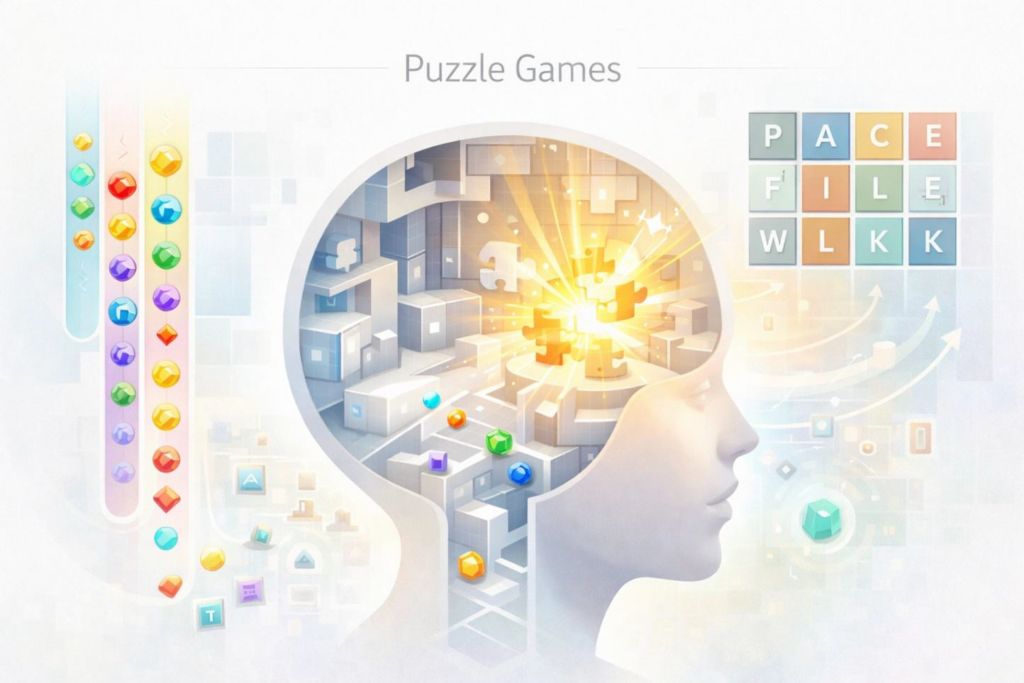
- Puzzle games focus on the “aha!” moment of problem-solving.
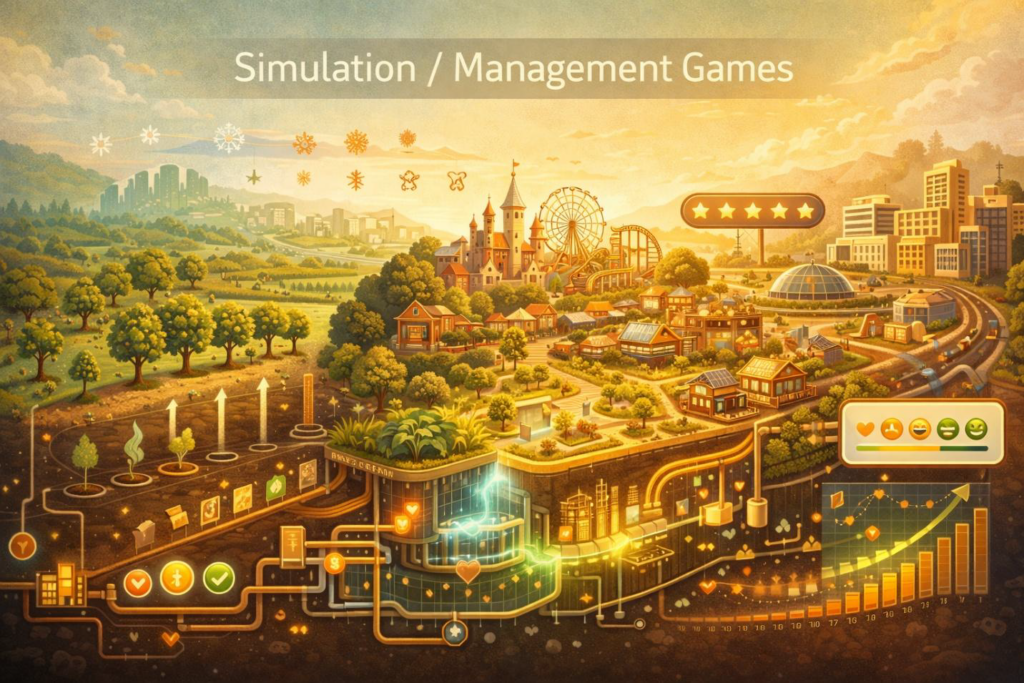
- Simulation/Management games appeal to the desire for creation and optimization.
- Sandbox games offer pure agency and creative freedom.
- Social/Multiplayer games leverage status, competition, and communal responsibility.
Analyzing the Framework: Lessons from the Masters
1. The Narrative Arc: Moving Beyond Checklists
RPGs like The Last of Us or Mass Effect succeed because they offer the player a sense of meaning. In the context of an app, designers often replace narrative with a simple feature checklist.
The Shift: Instead of a progress bar that shows 70% completion, frame the journey as a narrative. If an app helps a user learn a language, don’t just show "Level 5." Frame it as "You have mastered the present tense, allowing you to narrate your daily life in a new culture." This creates identity and capability rather than just tracking arbitrary numbers.
2. Action and Sensory "Juice"
Action games like Street Fighter or DOOM are the gold standard for immediate feedback. They teach us that the core interaction must be inherently satisfying. Many productivity apps fail because they treat the act of logging data as a chore.
The Strategy: Incorporate "juice"—the industry term for satisfying animations, haptic feedback, and responsive sound design. When a user logs a workout, the interaction should feel as responsive and rewarding as landing a perfect combo in a fighting game. If the core action feels good, the user doesn’t need a badge to perform it.
3. Strategy: The Power of Long-Term Compounding
Strategy games like Civilization or Whiteout Survival generate billions because they allow for long-term planning. Unlike apps that focus on Daily Active Users (DAU) through shallow login rewards, these games encourage players to spend months building a system that evolves.
The Application: Financial planning or project management apps should adopt the "tech tree" model. Rather than showing a linear to-do list, visualize how a decision today compounds into a outcome five years from now. Create interdependencies where users feel accountable to a team, similar to how alliances function in mobile strategy games.
4. The Puzzle Dynamic: The "Aha!" Moment
Puzzle games—from Portal to Royal Match—rely on the human desire to solve problems. The key takeaway for developers is to avoid overwhelming the user with complexity.
The Insight: Teach through play. Instead of providing a wall of text as an onboarding tutorial, present the app as a series of puzzles. Let the user deduce the patterns themselves. When a user figures out how to optimize their budget or workflow through their own discovery, the "aha!" moment acts as a stronger retention tool than any external reward.
5. Management and Simulation: Building Ownership
Games like The Sims or Cities: Skylines succeed because they allow for personal expression. Users aren’t just consuming content; they are constructing something that reflects their personality.
Actionable Step: Give users building blocks rather than rigid templates. In a CRM tool, allow the user to visualize their relationship network like a garden that needs tending. By allowing customization and experimentation, you transform the user from a passive consumer into an active architect.
6. Sandbox: The Ultimate Agency
Sandbox games like Minecraft or Terraria offer the ultimate freedom. They teach developers a critical truth: agency is often more engaging than progress.
For power users, being forced down a linear path is a deterrent. By providing a sandbox environment where users can define their own success—whether that’s building an elaborate organization system in Notion or a complex model in Obsidian—developers cultivate a core user base that will stay for years.
7. Social and Multiplayer: Building Community
Finally, games like Roblox or Fortnite prove that the strongest retention comes from social connection.
The Strategy: Social features cannot be "bolted on." They must be fundamental to the product design. If you are building a fitness app, create "guilds" where users rely on one another to reach group goals, rather than just leaderboards that rank strangers against each other. Status through contribution is far more sustainable than status through consumption.
Implications for Future Development
The shift toward "Gamification 2.0" requires a fundamental change in how companies view their users. When products transition from being tools to being platforms for personal and social growth, the revenue models change accordingly.
The industry is currently seeing a move away from shallow, engagement-driven metrics (like streaks or daily check-ins) toward value-driven metrics (like creative output, strategic planning, and community contribution).
The Bottom Line
As we move forward, the most successful applications will be those that respect the intelligence and unique motivations of their users. Whether you are designing a SaaS platform, a health app, or an educational tool, the question should not be "How do I gamify this?" but rather "What kind of player is my user, and what is their core motivation?"
By choosing a genre intentionally and designing for deep, intrinsic satisfaction, developers can move past the era of the "participation trophy" and into a new age of deeply engaging, meaningful digital experiences.
Stay tuned for Chapter 4 of the "Gamification Series": "Beyond Points and Badges: Designing for Players, Not Metrics," where we will dive into the technical and ethical considerations of building for human behavior.
Featured image courtesy: Cash Macanaya.
 Ammar Sabilarrohman
  Neng Nana
  Sagoh
Sagoh 