
 By Raul Delapena Setiawan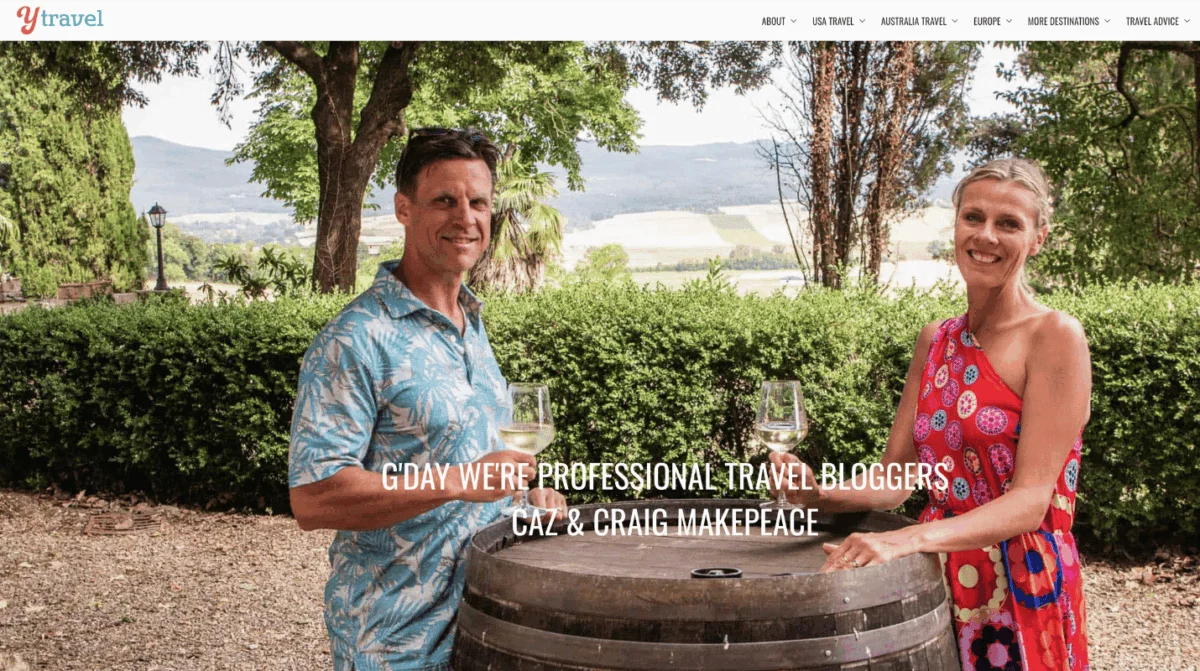
In an era defined by content saturation and the relentless march of AI-generated prose, the digital landscape has become increasingly homogeneous. Thousands of bloggers execute the "perfect" strategy—meticulous keyword research, impeccable SEO, and consistent posting schedules—only to find their traffic plateauing. They are doing everything right, yet their metrics remain stagnant.
What is the missing ingredient? Often, it is the one element that algorithms cannot replicate: personality.
Personality is the bridge between a casual visitor and a loyal subscriber. It is the differentiator that transforms a website from a sterile information repository into a trusted, human-centric resource. By examining the strategies of ten elite bloggers, we can distill the essential components of personal branding that create lasting impact.
The Anatomy of an Authentic Blog
The shift from corporate-style blogging to personal branding is not merely a stylistic preference; it is a business imperative. Readers today are fatigued by generic, robotic content. They crave transparency, vulnerability, and a distinct voice. When a reader connects with the human behind the screen, they are significantly more likely to return, share, and purchase.

1. Visual Storytelling: The YTravel Approach
Photography is not just an aesthetic choice; it is a narrative tool. Travel bloggers Caz and Craig of YTravel understand that their medium demands high-quality imagery to establish trust and wanderlust.
- The Strategy: Use candid, family-oriented photography to humanize the experience.
- The Implication: When you place your face and your life in your content, you move from being a "publisher" to being a "guide." Whether you are in food, fashion, or travel, your photography should tell the story of your unique journey, not just the product you are selling.
2. Radical Transparency: The Pat Flynn Signature
Pat Flynn of Smart Passive Income provides a masterclass in identity branding. By clearly defining his roles—father, husband, and entrepreneur—he creates an immediate, multi-dimensional portrait of himself.

- The Strategy: Use "flair" elements—quirky bios or personal side-notes—to break the barrier between expert and reader.
- The Implication: Professionalism does not require a lack of personality. By injecting humor and personal identity into the header or sidebar, you invite the reader into a community rather than a classroom.
3. The Power of a Distinct Tone: Shannon Kelly White
Salty, unfiltered, and unapologetically honest—Shannon Kelly White proves that polarizing content can be a powerful magnet.
- The Strategy: Adopt a consistent, strong voice that isn’t afraid to use "salty" language or take a stance.
- The Implication: If you try to please everyone, you will connect with no one. A strong, identifiable tone ensures that the right readers—those who truly resonate with you—will stay, while those who don’t will naturally filter themselves out. This creates a more loyal, engaged base.
Chronology of Personalization: Building a Brand over Time
Effective branding is not a "set it and forget it" process. It evolves alongside the blogger’s life and business.

4. Custom Visual Assets: The "Blog Tyrant" Model
Ramsey of Blog Tyrant utilizes a signature, red-shirted superhero avatar. This illustration serves as a visual anchor across the site, from the banner to free reports.
- The Strategy: Invest in custom illustrations or logos that represent your brand persona.
- The Implication: Recognition is the first step toward authority. A unique, consistent visual marker makes your content instantly identifiable in a crowded feed.
5. The "About" Page as a Conversion Engine
A Beautiful Mess treats their About page not as a biography, but as a brand manifesto.

- The Strategy: Use high-energy, bold photos and concise, punchy narratives.
- The Implication: Your About page is often the second or third page a new reader visits. It is your best opportunity to convert a one-time visitor into a community member by answering the fundamental question: "Why should I care about you?"
Supporting Data: Why Personality Drives Metrics
Industry research consistently shows that personal connection increases time-on-site and return-visitor rates. While SEO brings people to the door, personality keeps them in the room.
6. Multi-Platform Consistency: The Chris Ducker Standard
Chris Ducker maintains a unified aesthetic and professional headshot across LinkedIn, Facebook, and his blog.

- The Strategy: Ensure your brand identity is seamless across all digital touchpoints.
- The Implication: Trust is built on familiarity. When a reader sees the same persona on a blog post as they do on social media, it reinforces the legitimacy of the brand.
7. Color Psychology and Brand Cohesion: Jadah Sellner
Jadah Sellner uses a deliberate, warm color palette that extends from her website design to the clothing she wears in her photography.
- The Strategy: Align your visual environment (colors, fonts, photography) with your personal brand message.
- The Implication: A well-curated visual palette communicates intentionality. It suggests that you are an authority who cares about the user experience.
Official Responses: The Strategic Pivot
In interviews regarding their growth, many of these bloggers emphasize that personalization was not just a design choice, but a strategic pivot to survive market changes.

8. The Brand Statement: James Schramko’s Directness
On SuperFastBusiness, James Schramko utilizes a crystal-clear brand statement immediately upon entry.
- The Strategy: Define exactly who you are, who you serve, and what you offer within five seconds of the user arriving.
- The Implication: Ambiguity is the enemy of conversion. By stating your value proposition upfront, you respect the reader’s time and filter your audience effectively.
9. The Call-to-Action (CTA) Philosophy: Kelly Exeter
Kelly Exeter eschews complicated funnels in favor of direct, actionable language.

- The Strategy: Use a clear, human-focused CTA that tells the reader exactly what to do next.
- The Implication: If you have something of value, make it easy to find. A simple "Find out here" button often outperforms a complex, multi-step subscription process.
Implications: The Future of Blogging
The final lesson comes from Emily at Puttylike, who successfully built a movement around the term "Multipotentialite."
10. Community Definition
By identifying her readers as a specific group, she gave them a sense of belonging.

- The Strategy: Create a quiz or a defining term that helps your readers see themselves in your content.
- The Implication: The ultimate form of personalization is not about you—it is about them. When you give your audience a name or a diagnostic tool to define their own experience, you move from being a content creator to a community leader.
Conclusion: The Path Forward
The common thread among these ten top bloggers is not that they followed a specific template, but that they chose to inhabit their own space fully. Whether through radical honesty, custom branding, or clear community identification, they chose to be human in a digital world.
If your blog is missing that "something," look inward. Personalization is not an added feature; it is the core of the experience. The next step in your blogging journey is to audit your site: Does it sound like you? Does it look like you? And most importantly, does it invite your reader to be a part of your story?

Start small—perhaps with a more honest About page or a consistent visual theme—and watch how your audience responds. The data shows that the human connection is the only competitive advantage that cannot be automated.
 Asep Darmawan
  Siti Muinah
  Azzam Bilal Chamdy