
 By Ali Ikhwan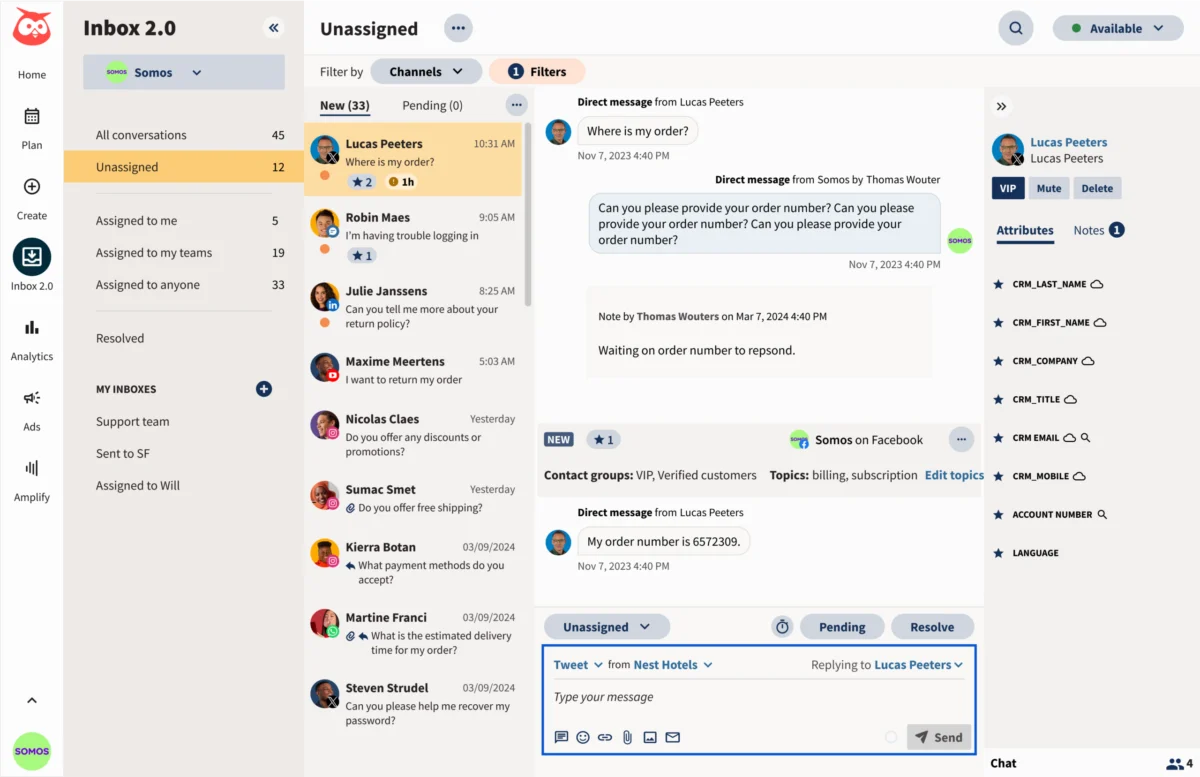
In the digital-first era, the distance between a customer’s frustration and a brand’s reputation has shrunk to the length of a smartphone screen. Social media customer service—once viewed as a secondary communication channel—has evolved into the front line of modern business operations. Today, it is no longer just about answering questions; it is about managing brand equity, driving revenue, and fostering loyalty in an environment where 75% of consumers demand that businesses communicate with them with the same casual, instant familiarity they reserve for friends and family.
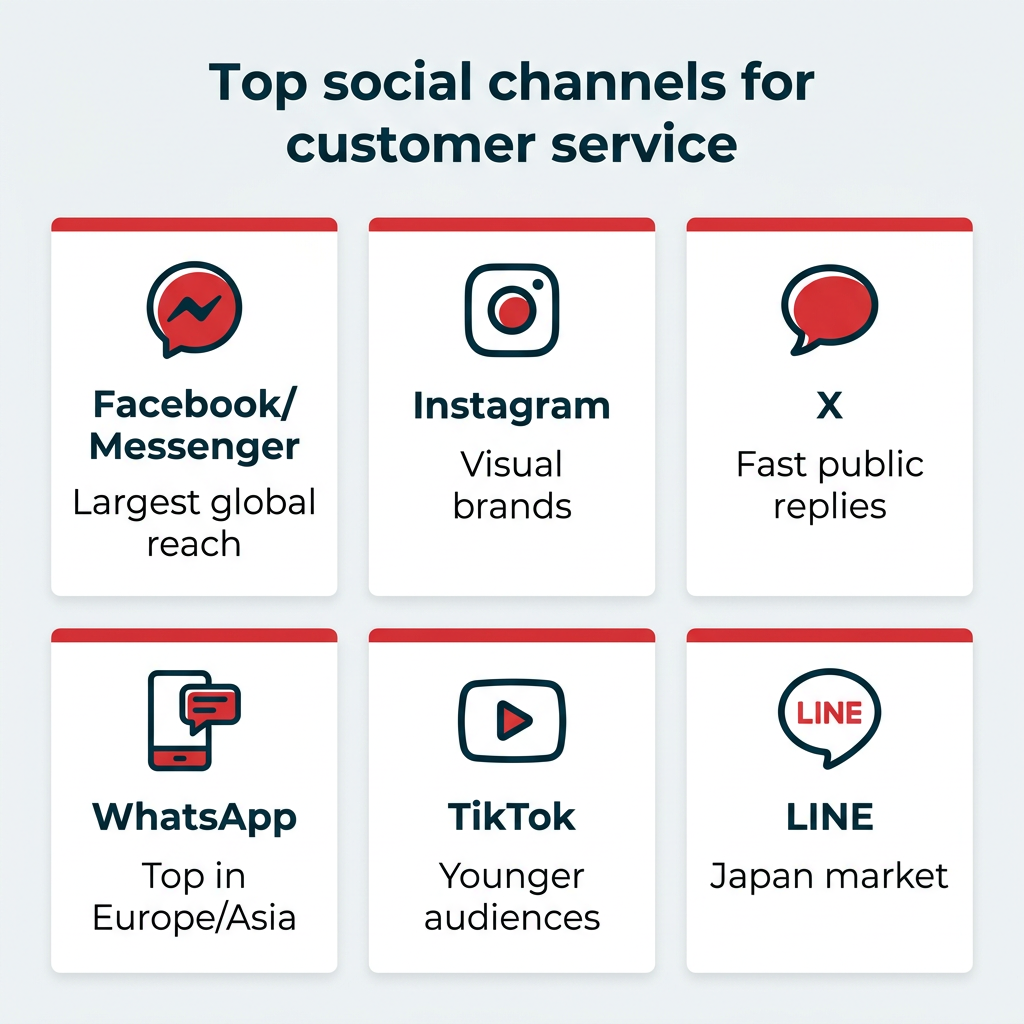
As platforms like Facebook, Instagram, TikTok, and WhatsApp become the primary hubs for consumer interaction, the lines between marketing, public relations, and support have blurred. A single public response can serve as both a resolution to a specific grievance and a masterclass in brand personality for thousands of onlookers.

The Evolution of the Support Landscape: Main Facts
Modern social media support is a multifaceted discipline that integrates human empathy with AI-powered efficiency. It spans public comment threads, private direct messages (DMs), and automated workflows triggered by social listening.
The shift toward this model is driven by a fundamental change in consumer behavior. Data from Gartner and Salesforce indicates a clear trend: the traditional call center is being superseded by asynchronous, digital-first support. By 2027, self-service tools and live chat on social channels are expected to surpass traditional phone and email as the primary technologies for customer service. This is not merely a preference for convenience; it is a necessity for a generation of consumers—particularly Millennials and Gen Z—who abandon support interactions entirely if they cannot find a solution quickly or if they are forced to wait on hold.

A Chronology of Expectation: How We Got Here
The trajectory of social media service has moved from "reactive" to "predictive":
- The Early Years (Pre-2015): Social media was largely a marketing megaphone. If a customer reached out, they were often met with silence or redirected to a support email address.
- The Rise of Transparency (2015–2020): As platforms grew, customers began using public comments as a pressure point. Brands that ignored these public complaints suffered, leading to the rise of dedicated "Social Care" teams.
- The AI and Hybrid Era (2020–Present): The pandemic accelerated the need for 24/7 support. The introduction of generative AI, sophisticated chatbots, and unified inbox dashboards has allowed companies to scale their efforts. We have moved into a "hybrid model" where marketing and support teams share responsibility, ensuring that every touchpoint is both on-brand and technically accurate.
Supporting Data: The Business Case for Social Care
The decision to invest in social media customer service is backed by cold, hard metrics. Companies that embrace this shift are not just seeing higher satisfaction rates; they are seeing bottom-line growth.

- The Revenue Connection: According to research by Accenture, companies that apply generative AI to customer-related initiatives can anticipate 25% higher revenue growth over a five-year period compared to those that prioritize productivity over customer experience.
- Customer Retention: Salesforce reports that great service drives not only repeat purchases but also brand advocacy and forgiveness. When a brand handles a mistake well on social media, they often turn a disgruntled user into a lifelong fan.
- Efficiency Gains: B2B marketers have identified social media as a leading driver for customer acquisition—outperforming traditional digital ads and email marketing. Every interaction, when handled correctly, serves as a proof-point of the company’s expertise.
- The Urgency Factor: 77% of customers expect an immediate response when they contact a company. The "modern standard" has effectively become a response time of under one hour.
Official Perspectives: The Hybrid Ownership Model
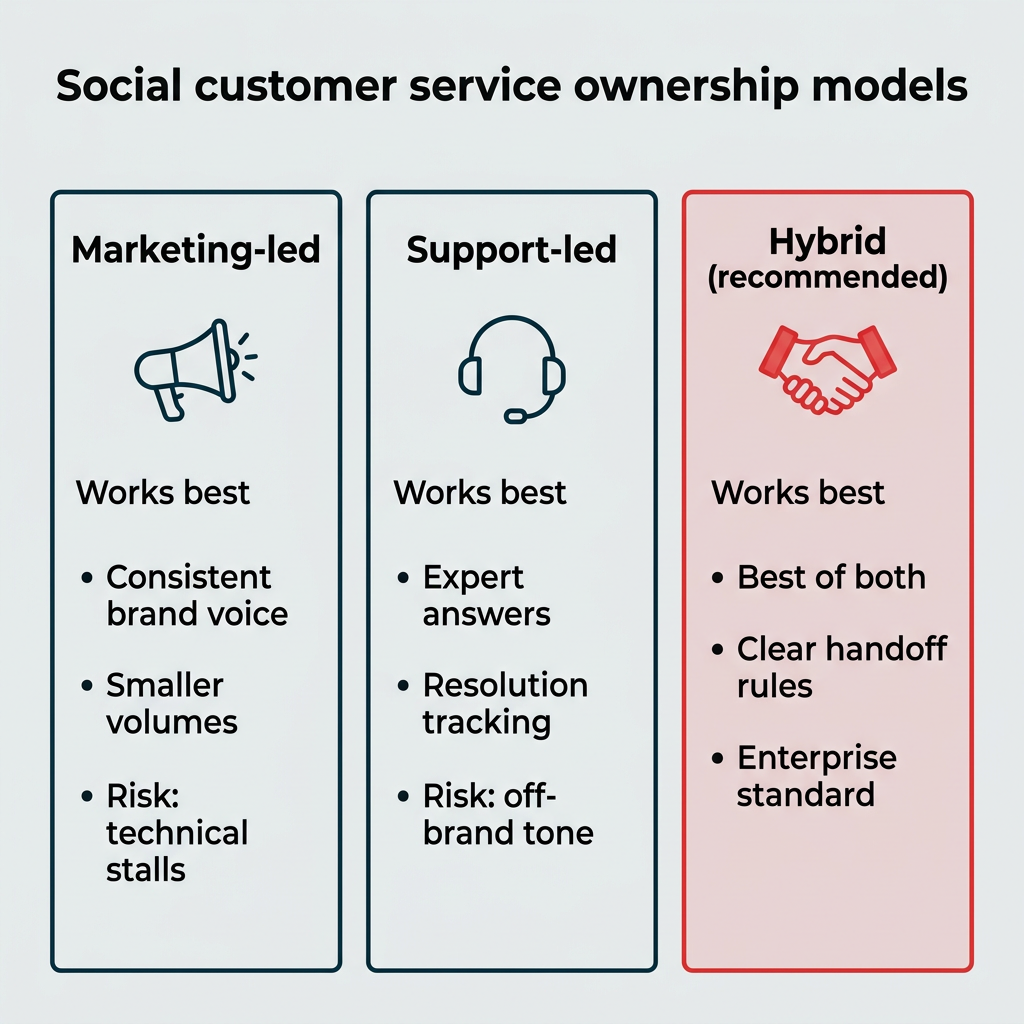
Industry leaders increasingly advocate for a "Hybrid Ownership Model." In this framework, the marketing department and the customer support department are no longer siloed.
Marketing provides the "voice" and the brand guidelines, ensuring that even when a customer is upset, the response feels authentic to the company identity. Meanwhile, the support team provides the technical resolution and, crucially, the escalation paths. This ensures that complex issues—such as billing errors or privacy concerns—are moved from public social feeds into secure, private channels without the customer feeling "passed around."

Experts argue that having a clear escalation policy is the difference between a minor customer service hiccup and a viral public relations crisis.
Implications: The Risks and Rewards of Public Support
Operating on a public stage carries significant implications for any organization.

The Pros
- Visibility: You demonstrate your value to every potential customer watching the thread.
- Cost-Efficiency: Managing high volumes of inquiries via chat is significantly cheaper than staffing a high-overhead call center.
- Proactive Engagement: With social listening tools, brands can identify issues before they escalate, responding to customers who might be talking about the brand, even if they aren’t talking to the brand.
The Cons
- Public Scrutiny: Every mistake is archived by the internet. A poorly worded reply can cause long-term brand damage.
- 24/7 Pressure: The "always-on" nature of social media creates an expectation of constant availability that can overwhelm smaller teams.
- Platform Dependency: Brands are subject to the rules, algorithms, and technical stability of third-party platforms like X, Meta, or LinkedIn.
Best Practices for Navigating the Future
To thrive in this environment, organizations must adopt a structured approach to social support:
1. Unified Inbox Management
Stop jumping between tabs. Use a unified inbox (such as Hootsuite Inbox) to consolidate messages from Instagram, Facebook, X, and WhatsApp. This allows for real-time triaging, ensuring that no message is left behind.
2. The Power of "Social Listening"
Listening is not just about sentiment tracking; it is about opportunity. By scanning for keywords and brand mentions across billions of sources, companies can join conversations in real-time, providing help to users who may not have even realized the brand was listening.
3. AI as a Force Multiplier
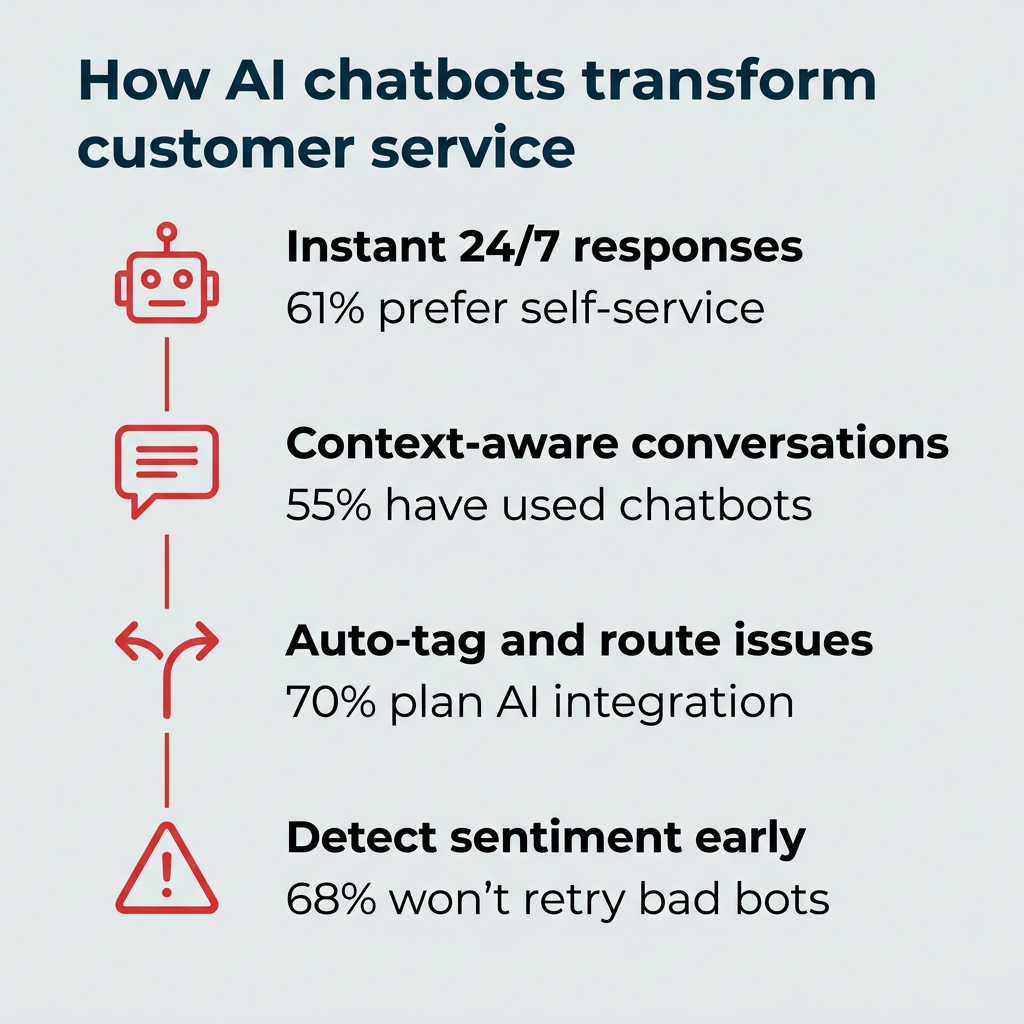
AI is not a replacement for human empathy; it is a tool to facilitate it. Chatbots should handle high-volume, low-complexity queries (FAQs, store hours, tracking links), which clears the way for human agents to focus on the high-touch, complex scenarios that truly define the brand-customer relationship.
4. Handling Negativity with Grace
The rise of "trolling" is a reality, but it must be distinguished from legitimate customer frustration. When facing negative feedback, the golden rule remains: Respond quickly, take it private, and remain professional. There is a legal distinction between a bad experience and defamation; brands that maintain a professional, factual tone rarely face the latter.
5. Measuring Success
You cannot manage what you do not measure. Essential metrics include:
- Average Response Time (ART): The goal should be under 60 minutes.
- Customer Satisfaction Score (CSAT): Measured via post-interaction surveys.
- Net Promoter Score (NPS): A long-term gauge of loyalty.
- Resolution Rate: The percentage of conversations that reach a definitive conclusion.
Conclusion: The Path Forward
The organizations that will win in the next decade are those that view social media not as a marketing channel, but as a holistic service ecosystem. By combining the speed of AI with the nuance of human support, and by integrating these interactions directly into the broader business intelligence stack (such as Salesforce or other CRM systems), companies can build a feedback loop that informs product development, improves marketing, and fosters deep, lasting customer loyalty.
The question is no longer whether your business should be doing social media customer service; it is how well you can scale that service to meet the demands of a hyper-connected, impatient, and increasingly vocal global audience. In this new landscape, your responsiveness is your greatest competitive advantage.
 Lina Irawan
  Nana Muazin
  Nila Kartika Wati