
 By Nila Kartika Wati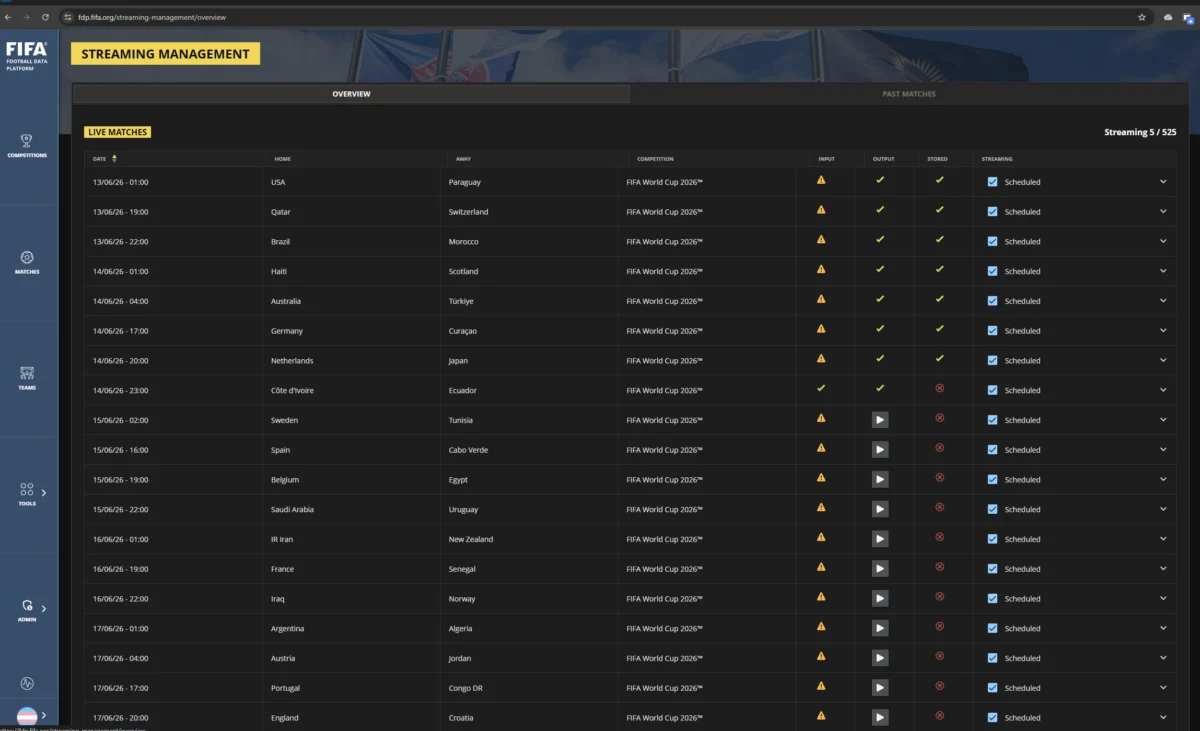
In the world of high-stakes cybersecurity, there is a concept known as "security by obscurity"—the dangerous assumption that if an interface is hidden or requires an obscure registration process, it is effectively secure. For FIFA, the governing body of global football, this assumption nearly led to a catastrophic failure of the 2026 World Cup broadcast.
An independent security researcher recently uncovered a massive vulnerability within FIFA’s internal digital ecosystem. By simply registering as a licensed football agent on a public-facing portal, the researcher gained unauthorized access to the live production streaming controls for the entire World Cup. This included access to real-time camera feeds, broadcast ingest URLs, and sensitive match management tools—all while FIFA remained completely oblivious to the breach.

The Architectural Flaw: Client-Side Illusion
The root of the vulnerability was a fundamental architectural failure: the reliance on client-side authorization. FIFA’s suite of internal applications, including the Football Data Platform (FDP), utilized Microsoft Entra (formerly Azure AD) for authentication. When a user logs in, the application checks the user’s JSON Web Token (JWT) to determine their role.
The vulnerability existed because the front-end interface—built in a modern web framework—would verify these roles and hide certain menus if the user lacked authorization. However, the backend APIs behind these applications failed to perform any such check. They operated on the assumption that if a user was authenticated within the FIFA Entra tenant, they were trusted.
This meant that while the UI might show an "Access Denied" page, a user could simply bypass the front-end logic or directly query the API endpoints to retrieve sensitive data, perform administrative actions, and control production infrastructure.
Chronology of a Midnight Crisis
The discovery occurred during the live broadcast of the World Cup. Upon realizing the depth of the exposure, the researcher initiated a frantic, multi-front disclosure effort. With no bug bounty program or clear security disclosure path provided by FIFA, the researcher was forced to escalate to national and international authorities.
The Timeline of Disclosure
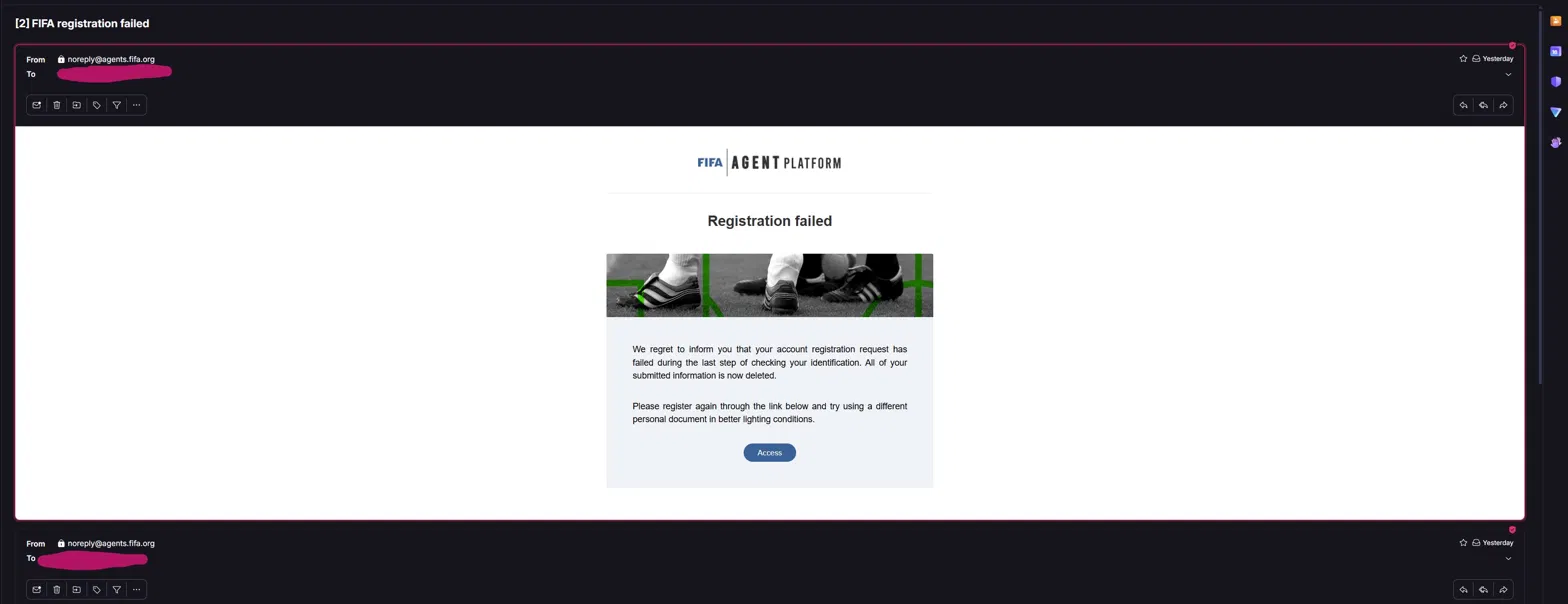
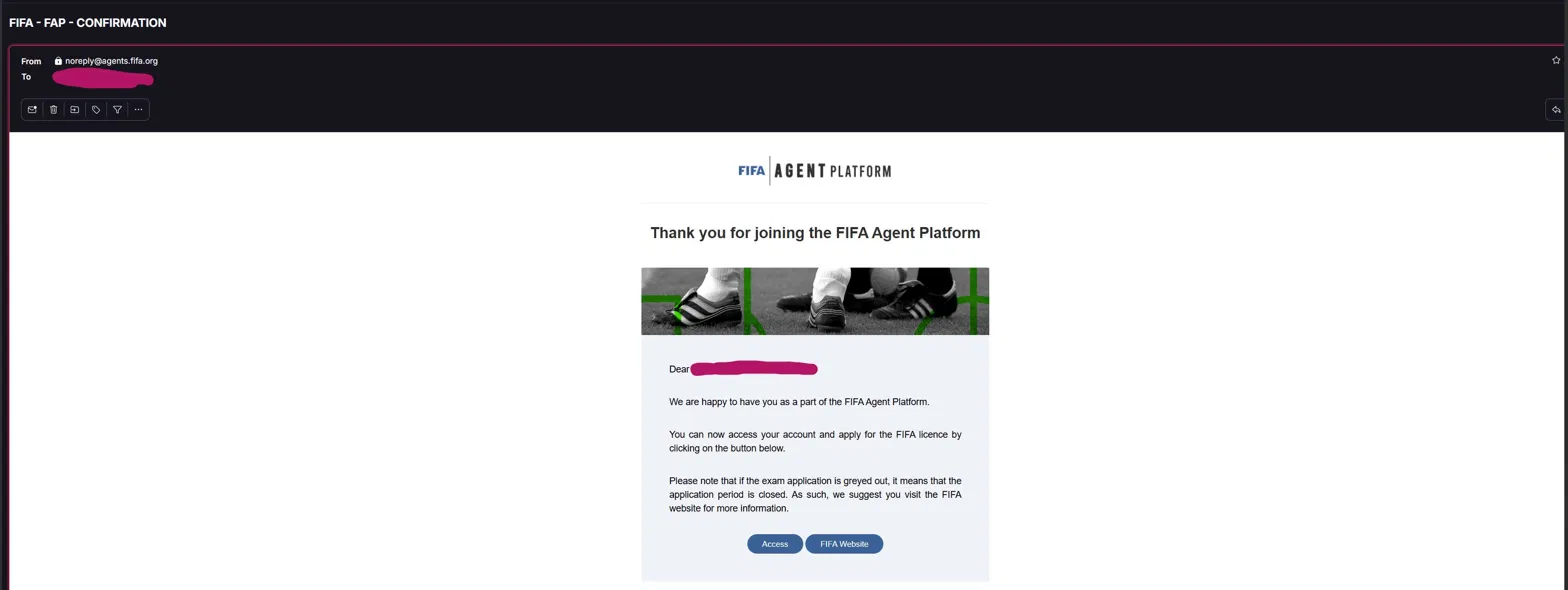
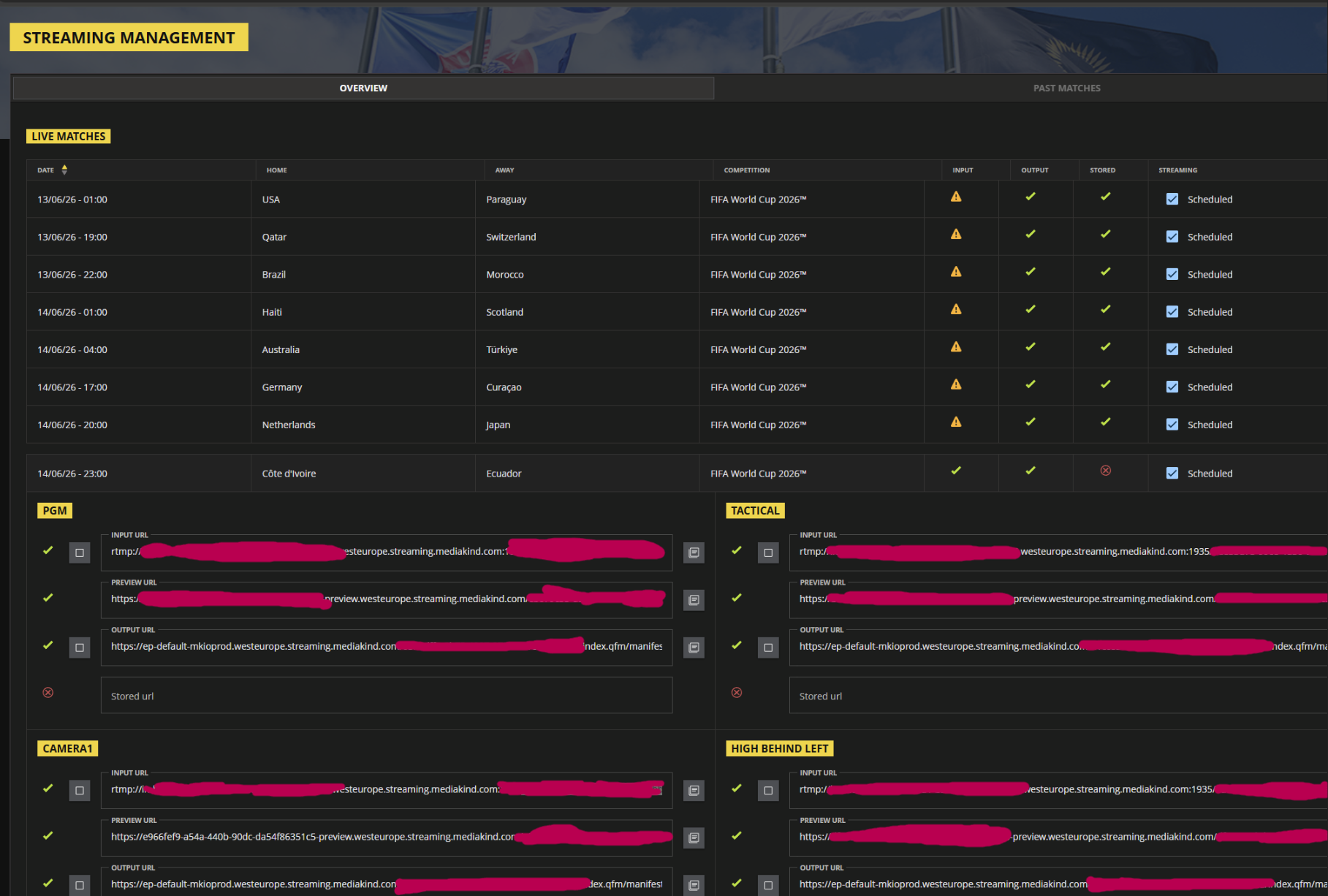
- Initial Discovery: The researcher registers on the FIFA Agent Platform and discovers that the account is automatically added to the internal Microsoft Entra tenant, granting access to the Streaming Management panel.
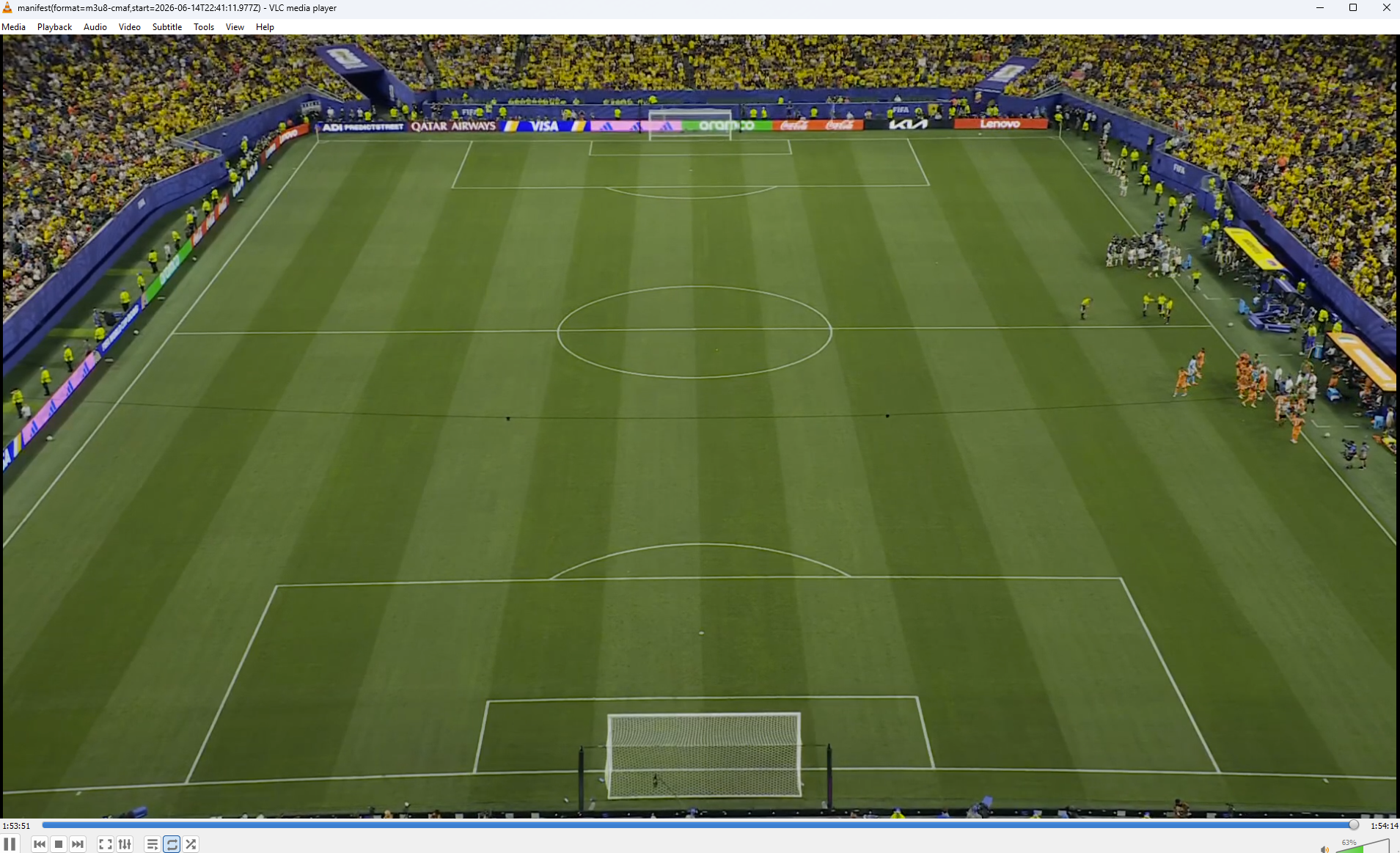
- Confirmation: The researcher confirms the ability to view live tactical feeds via VLC using production RTMP ingest URLs.
- The Disclosure Attempt:
- FIFA Internal: Emails sent to over a dozen FIFA-affiliated addresses; most bounced or went unanswered. Attempts to reach high-level technology executives via LinkedIn/WhatsApp were unsuccessful.
- The Breakthrough: MediaKind, a partner responsible for the streaming technology, responded immediately to a telephone inquiry and began the mitigation process.
- Government Escalation: Recognizing the potential for national security implications regarding the World Cup broadcast, the researcher contacted the Cybersecurity and Infrastructure Security Agency (CISA) and the FBI via secure channels.
- The Resolution: By the following morning, the API endpoints were patched to enforce server-side authentication, effectively locking the researcher out.
Supporting Data: The Keys to the Kingdom
The level of access granted to an unauthorized user was unprecedented. The Streaming Management panel was not a testing environment; it was the live production dashboard.
Streaming and Broadcast Control
Each match featured five distinct camera feeds, including the Program (PGM) feed—the primary signal sent to television networks worldwide. Every feed was accessible via an RTMP ingest URL accompanied by a static stream key.
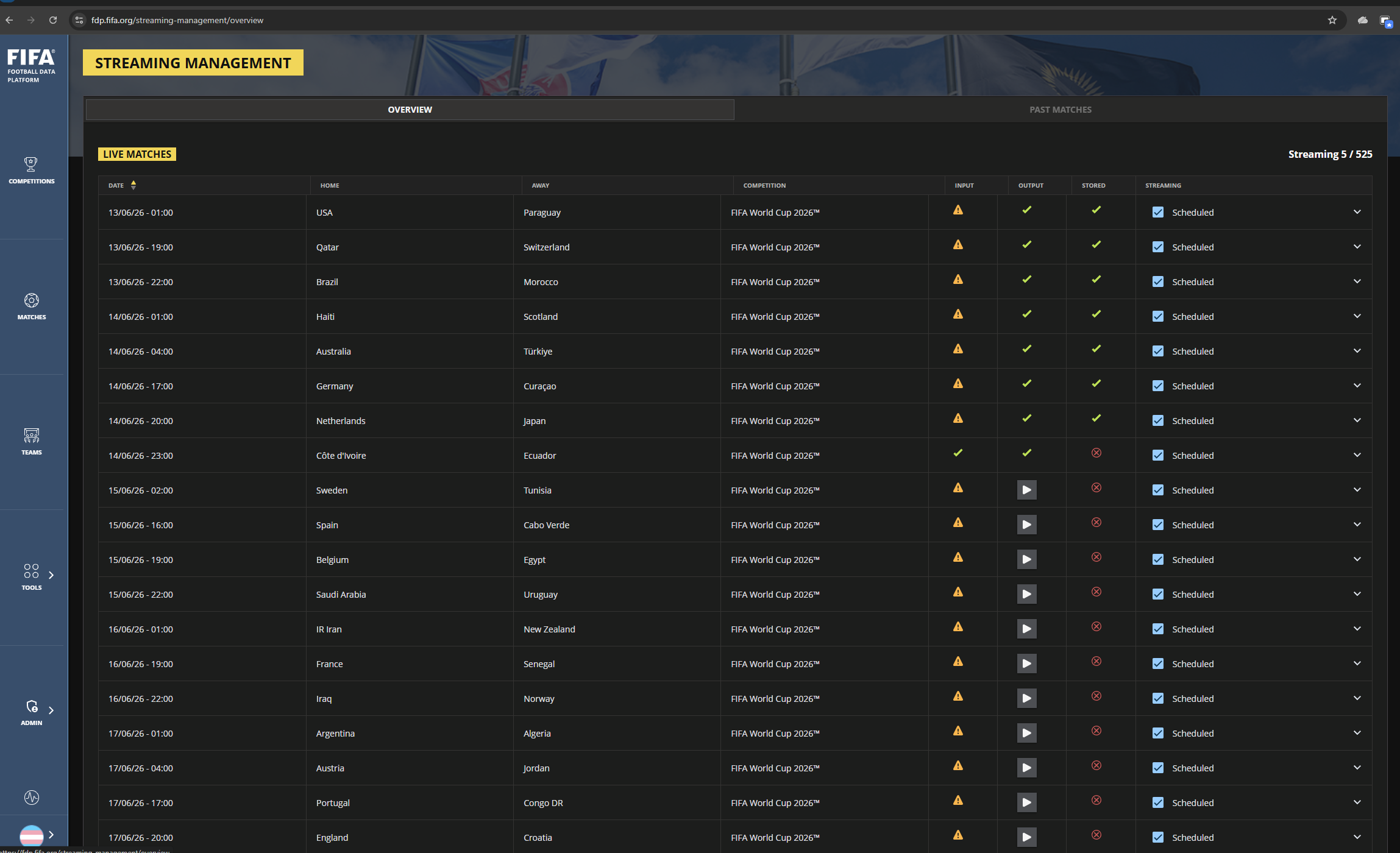
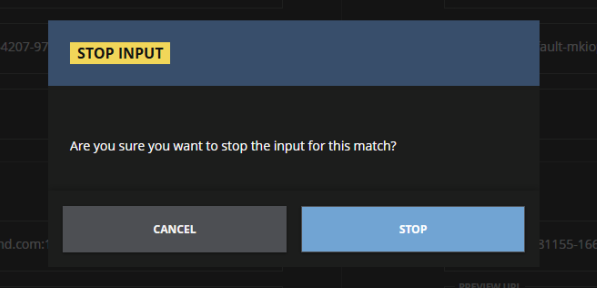
Because the system allowed for "Write" access, a malicious actor could have theoretically stopped or altered the feeds. By pushing a rogue video stream through the RTMP ingest point using the exposed key, an attacker could have replaced the broadcast signal seen by billions of viewers globally. This was not a theoretical risk; it was an actionable exploit available to anyone who completed a simple registration form.
Data and Analytics Exposure
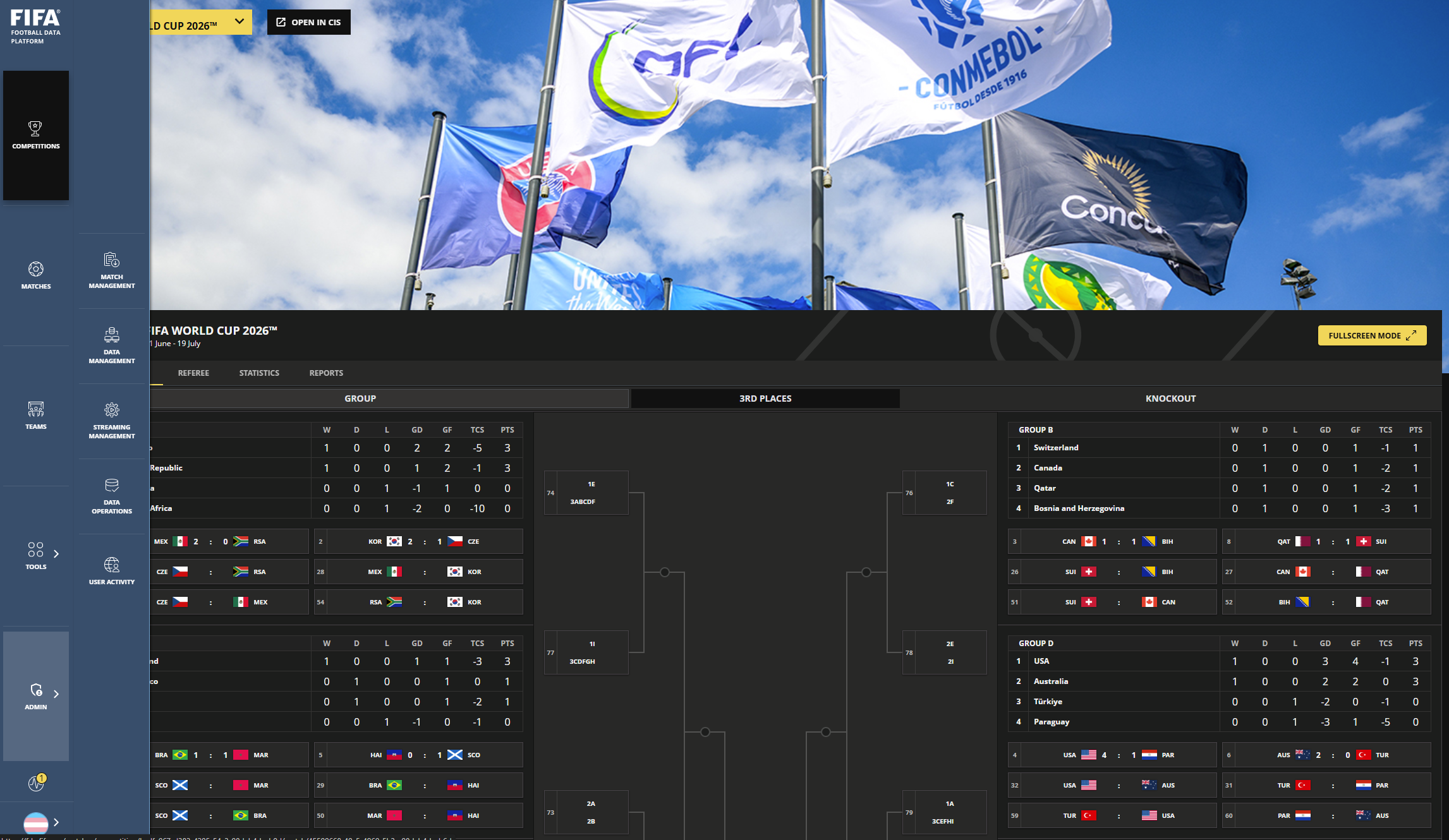
Beyond the video feeds, the FDP provided comprehensive control over live match statistics. An unauthorized user could:
- Update live match scores and game clocks.
- Manipulate possession statistics and player event logs.
- Alter attendance figures and official tactical lineups.
- Access the Commentator Information System (CIS), which provides the real-time data and editorial notes used by broadcasters during live commentary.
The researcher also identified a secondary vulnerability in an Azure Function App that provided direct access to internal spreadsheets. These documents contained highly sensitive data, including transfer reports, board-level representation statistics, and confidential revenue comparisons.
Official Responses and Industry Silence
Perhaps the most alarming aspect of this incident was the wall of silence from FIFA. Despite the severity of the vulnerability—which threatened the integrity of the world’s most-watched sporting event—FIFA provided no formal acknowledgment, no "thank you" to the researcher, and no discussion regarding the failure.
The silence highlights a growing concern in the cybersecurity industry: the lack of standardized vulnerability disclosure policies (VDPs) among major sports organizations. While tech giants have refined the process of receiving and rewarding security research, organizations like FIFA remain dangerously insulated from the security community.
MediaKind and the U.S. government agencies (CISA and FBI) demonstrated professional competency by acknowledging the report and initiating remediation. In contrast, FIFA’s lack of response suggests a culture that prioritizes internal gatekeeping over transparent security practices.
Implications for Global Security
The FIFA World Cup is a massive event with significant geopolitical and economic implications. The ability to manipulate the broadcast feed or the live data presented to millions of fans could have been leveraged for large-scale misinformation, financial market manipulation, or simple, high-profile disruption.
Lessons for Large-Scale Infrastructure
The FIFA incident serves as a textbook example of why "defense-in-depth" is essential for modern enterprise architecture. Relying on a single layer of security—especially one that resides on the client side—is an invitation for failure.
- Zero-Trust Backend: Authentication is not authorization. Every API endpoint, regardless of how "hidden" it may seem, must verify the user’s role on the server side.
- External Exposure Mapping: Organizations must conduct rigorous audits of their identity provider (IdP) configurations. Automatically provisioning users into internal tenants upon public registration is a high-risk practice.
- Establish VDPs: Every major organization, particularly those managing global events, must have a clear, accessible channel for security researchers to report vulnerabilities. The "void" approach to disclosure is a liability that can lead to public-facing catastrophe.
- Partner Accountability: FIFA’s reliance on third-party vendors like MediaKind is standard, but the security of the broadcast chain is only as strong as the weakest link. The handoff between internal FIFA systems and partner infrastructure must be subject to joint security audits.
Conclusion
The fact that this vulnerability was discovered and reported by a security-conscious individual rather than exploited by a malicious actor is a stroke of immense luck for FIFA. The incident exposes a fragile digital infrastructure that was, until recently, wide open to anyone willing to fill out a registration form.
As the world continues to digitize the sports viewing experience, the reliance on interconnected platforms will only grow. FIFA survived this potential "nuclear option" through the intervention of third-party partners and federal agencies, but the lack of an internal security culture remains a glaring vulnerability. Until the organization adopts a proactive approach to cybersecurity, the next "hidden" dashboard could very well become the stage for an international incident.
 Ammar Sabilarrohman
  rifanmuazin
  Layla Zulfa