
 By rifanmuazin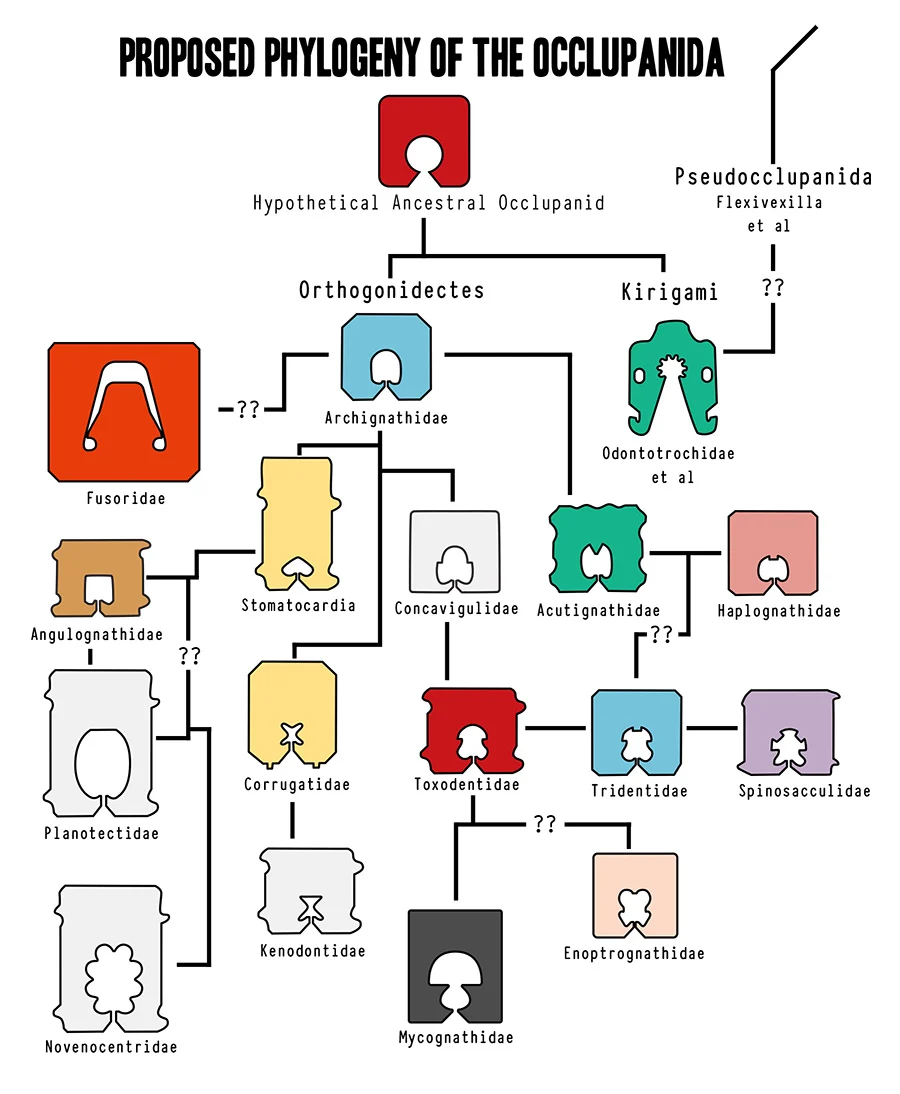
In the quiet corners of our kitchens, pantries, and landfills, a vast, understudied civilization thrives in plain sight. They are the Occlupanida—a classification of objects derived from the Latin occlu (to close) and pan (bread). To the casual observer, they are merely the ubiquitous plastic tabs securing a loaf of sourdough or a bag of bagels. To the burgeoning field of "synthetic taxonomy," however, they represent a complex, evolving phylum within the Kingdom Microsynthera.
Main Facts: The Anatomy of a Bread Tag
The Occlupanida occupy the Phylum Plasticae, a diverse group that includes everything from discarded soda bottle caps to the mysterious, unidentifiable plastic components found in junk drawers. Unlike biological organisms, the Occlupanida do not reproduce via mitosis or meiosis; they emerge from the factories of the industrial world, yet they exhibit a form of "evolutionary" success that mimics biological adaptation.
At the heart of their classification is the oral groove. Much like the wing structures used to categorize insects, the oral groove of the Occlupanida serves as the primary diagnostic trait for taxonomists. By examining the "dentition"—the specific arrangement of plastic ridges, teeth, and indentations within the groove—researchers can determine an object’s ecological niche. A tag with deep, interlocking teeth is designed for heavy-duty containment, while a smooth-grooved variant may serve a more temporary, lightweight purpose. This dentition not only defines the tag’s utility but also dictates its biogeographic range: some tags are hyper-localized to specific bakery brands, while others have achieved global distribution, found in waste streams from Tokyo to Toronto.
Chronology: A History of Synthetic Evolution
The study of these objects, led by the Horological and Occlupanid Research Group (HORG), represents a departure from traditional biology. When Carl Linnaeus established his binomial nomenclature in the 18th century, he relied on observable physical characteristics. The synthetic taxonomist today faces a similar hurdle: in the absence of DNA, fossil records, or growth cycles, one must rely on "morphological inference."
The Early Era: The Archignatha
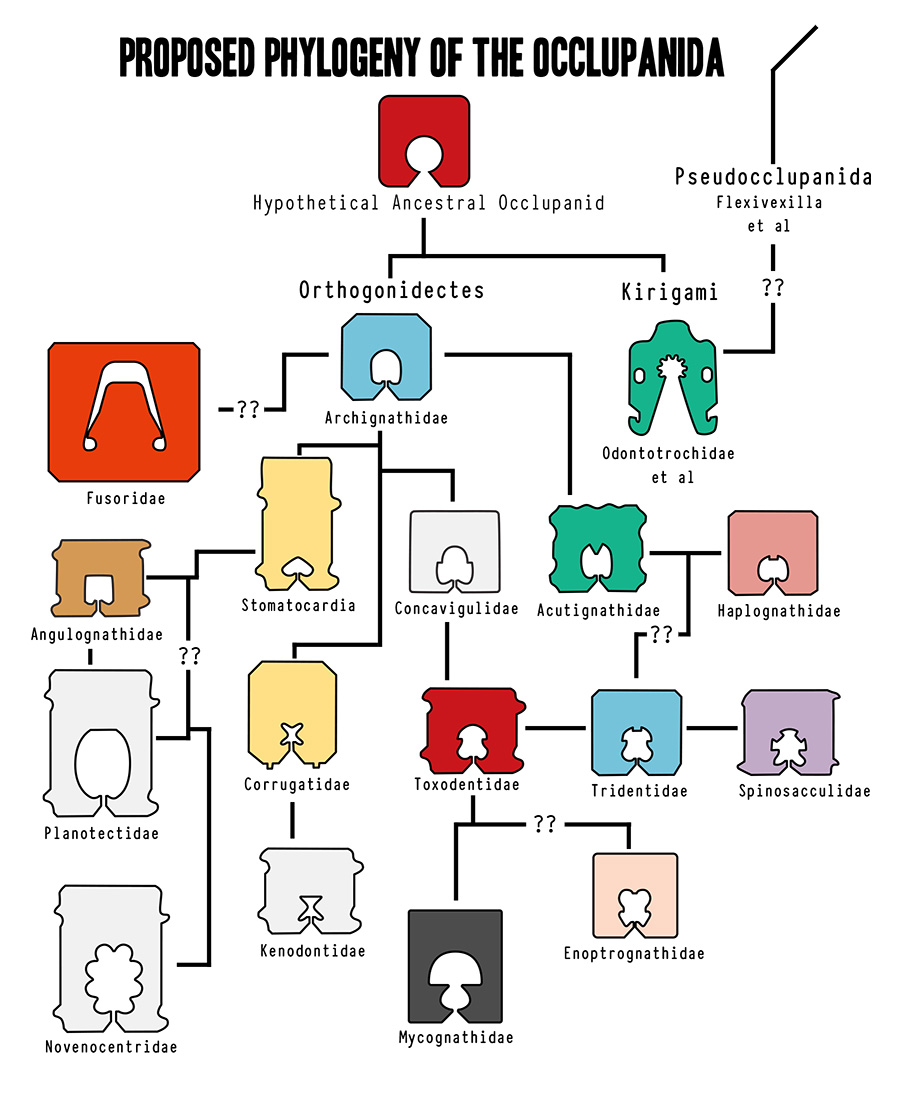
The earliest recognized occlupanids are believed to have resembled the Archignatha. These basal forms were simple, functional, and lacked the specialized dentition seen in modern variants. During the mid-20th century, the expansion of the industrial food supply chain acted as a catalyst for "speciation." As the demand for fresh, sealed bread increased, the "civilized" environment provided new niches.
The Modern Divergence
As the market grew, so too did the complexity of the tags. Over the last several decades, we have observed a period of rapid diversification. Older, simpler designs have begun to wane, replaced by highly specialized "orders" of tags. These new arrivals are often lighter, more cost-effective, and engineered with precision-molded teeth designed to withstand the rigors of modern high-speed packaging machinery.

Supporting Data: The Methodology of the Synthetic Taxonomist
Constructing a taxonomy for non-living objects requires a unique set of rigorous standards. Without the ability to trace genetic lineage, HORG researchers must utilize what they call "Synthetic Phylogeny."
The process is a masterclass in deductive reasoning. Researchers collect thousands of specimens, cataloging them by:
- Dentition Patterns: The number, depth, and curvature of the teeth.
- Material Composition: The density and flexibility of the polymer.
- Surface Geometry: The presence of identifying markers or manufacturer codes.
By plotting these traits on a phylogenetic chart, researchers can draw conclusions about which designs are "ancestral" and which are "derived." For example, a tag that features a reinforced aperture for hanging is considered a derived trait—an adaptation that allowed the object to move from the bread bag to the display rack. These charts, while speculative, provide a framework that allows for the systematic study of an object class that would otherwise be dismissed as mere litter.
Official Responses and Scholarly Discourse
The academic community remains divided on the legitimacy of synthetic taxonomy. Traditional biologists often scoff at the application of evolutionary terminology to inanimate objects, arguing that "evolution" implies biological reproduction and natural selection.
However, supporters of the field argue that the "civilized world" functions as an ecosystem. "The marketplace is the environment," says one anonymous researcher associated with HORG. "The factory is the reproductive system. The discard pile is the graveyard. If an object’s design changes over time in response to the demands of its environment, is that not evolution in a functional sense?"
The HORG collection holdings, currently numbering in the thousands, represent a significant archive of industrial design history. By treating these items as a species, the group has inadvertently created a record of 20th and 21st-century packaging innovation that might otherwise be lost. Critics suggest that while the terminology is hyperbolic, the data gathered on material durability and industrial waste distribution is undeniably valuable to environmental scientists and material historians.
Implications: What the Occlupanids Tell Us
The study of the Occlupanida carries profound implications for our understanding of the Anthropocene. We live in an era defined by the materials we leave behind. By cataloging the "life cycle" of a bread tag, we are essentially documenting the fingerprints of human consumption.
Environmental Impact
The persistence of these objects in the environment is a central concern. Because many occlupanids are made of non-biodegradable polymers, their "extinction" is not a biological cessation but a physical breakdown into microplastics. Understanding the taxonomy of these objects allows us to identify which designs are the most persistent and, potentially, advocate for more sustainable alternatives in industrial design.
The Mirror of Consumption
Perhaps the most significant implication is philosophical. By categorizing the Occlupanida, we are forced to confront the absurdity of our own waste. When we treat a piece of plastic as if it were a specimen in a natural history museum, we highlight the artificiality of our daily lives. These objects are not merely tools; they are the most common "species" found in the human habitat.
As we continue to fill our landfills, the work of the synthetic taxonomist becomes increasingly relevant. If we are to understand the legacy of our society, we must look at what we leave behind. The Occlupanida, with their myriad shapes and evolving designs, offer a clear, if unsettling, window into the nature of human ingenuity and the permanence of our material culture.
Future Research Directions
The next phase of occlupanid research aims to incorporate geographical mapping. By correlating the "speciation" of tags with specific regions, researchers hope to uncover the trade routes and supply chain dynamics that govern the movement of these objects. Are there "endemic" tags that only appear in specific local bakeries? Do "invasive" tag designs eventually outcompete local varieties in globalized supermarket chains? These are the questions that will drive the next generation of synthetic taxonomy.
In conclusion, the Occlupanida represent far more than the sum of their plastic parts. They are a record of our habits, a reflection of our industrial priorities, and a testament to the strange ways in which human-made objects take on a life of their own. Whether or not one accepts the biological framing of their existence, one cannot deny that the Occlupanids have successfully colonized our world, and in doing so, have become a permanent fixture of our ecological—and now, taxonomical—landscape.
 Iffa Jayyana
  Nana
Nana  Lina Hope