
 By Sagoh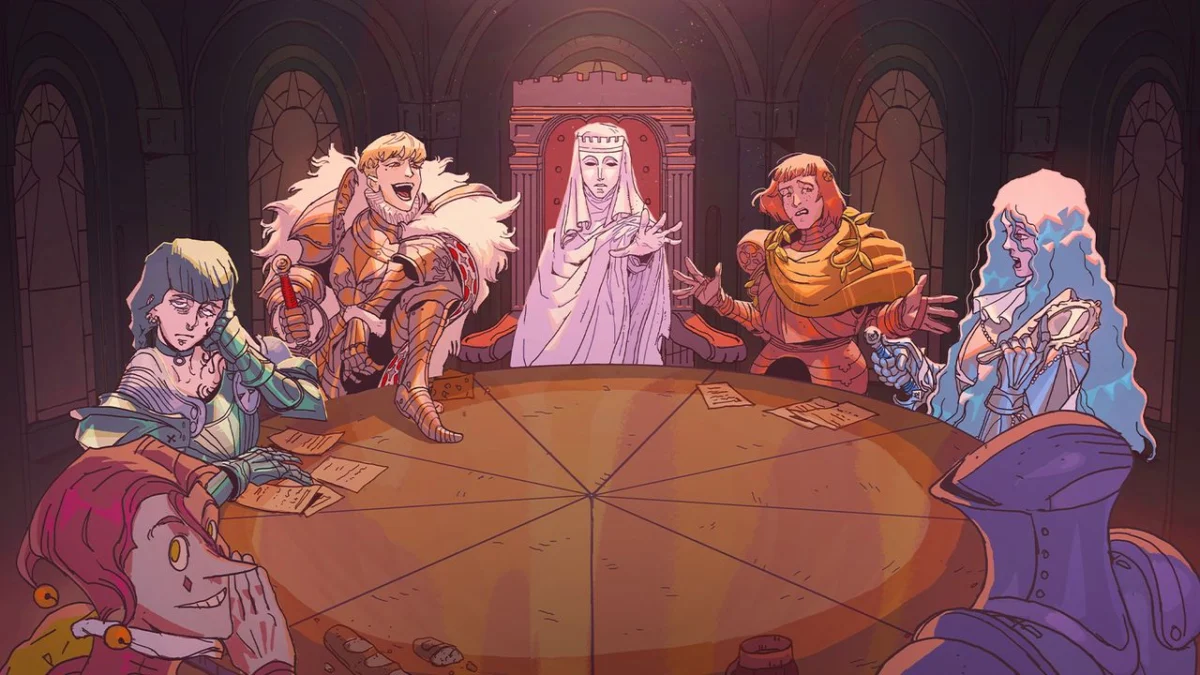
FOR IMMEDIATE RELEASE
In an era dominated by sprawling open worlds and hyper-realistic graphics, a new challenger emerges from the indie gaming scene, daring to chart a different course. Wild Wits Games, under the visionary guidance of art director Gobert, is set to release "Sovereign Tower" on August 6th, a game that eschews grand scale for a singularly focused experience, anchored by an exquisitely elegant and illustration-driven art style. This unique approach has already captivated a global audience, with its stunning visuals garnering over 2.2 million views on Instagram alone, signalling a growing appetite for artistic innovation in interactive entertainment.
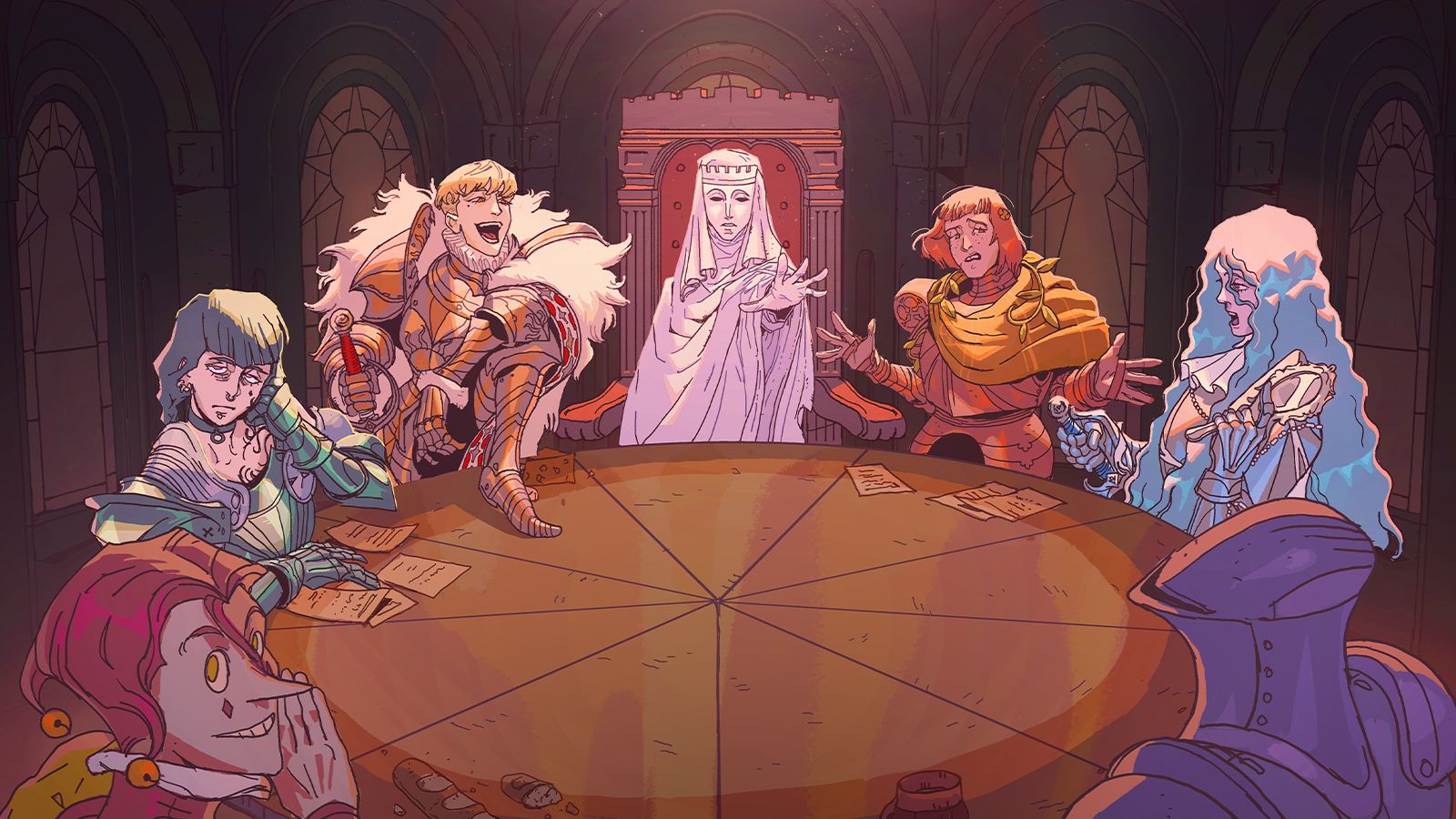
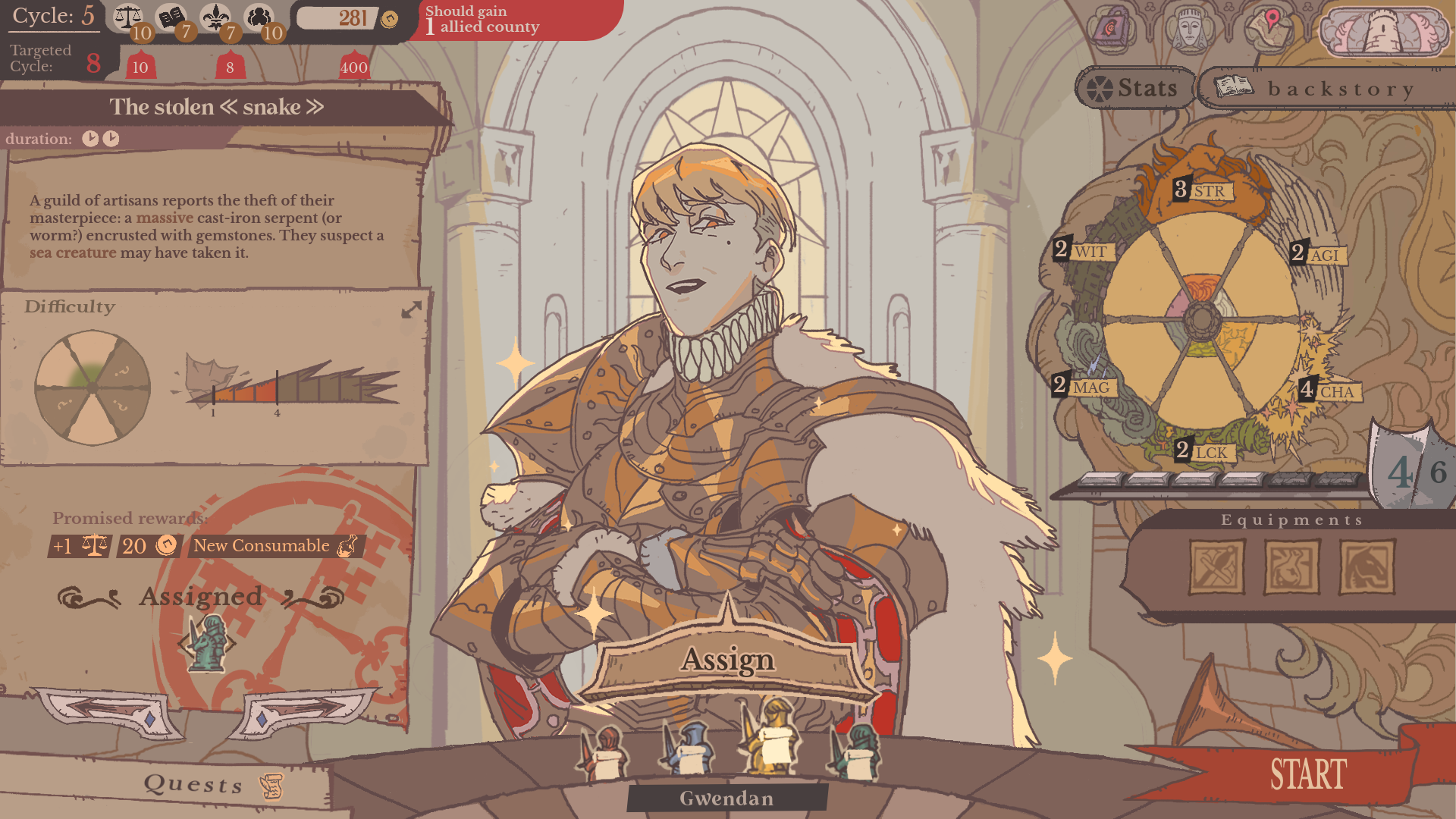
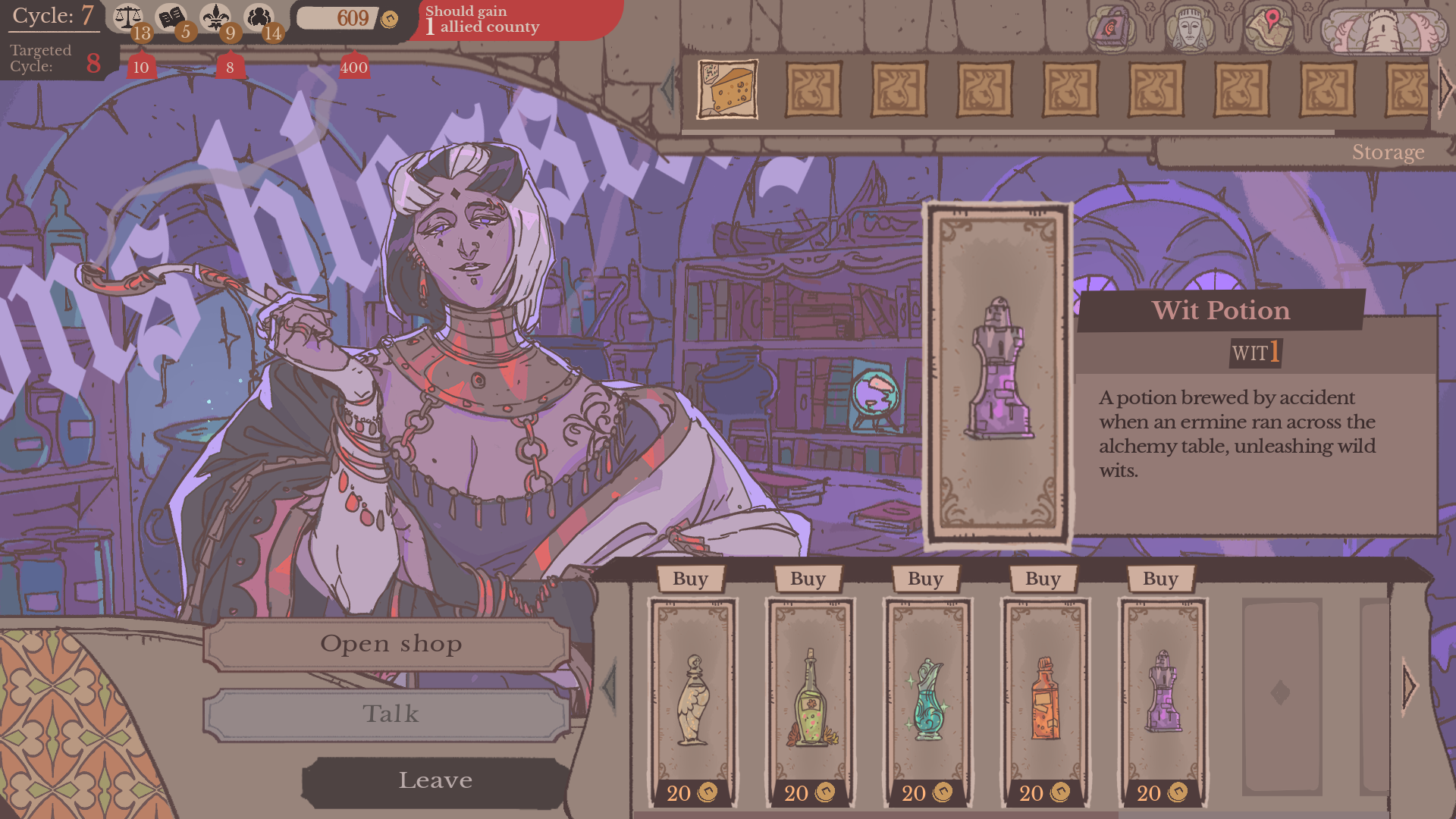
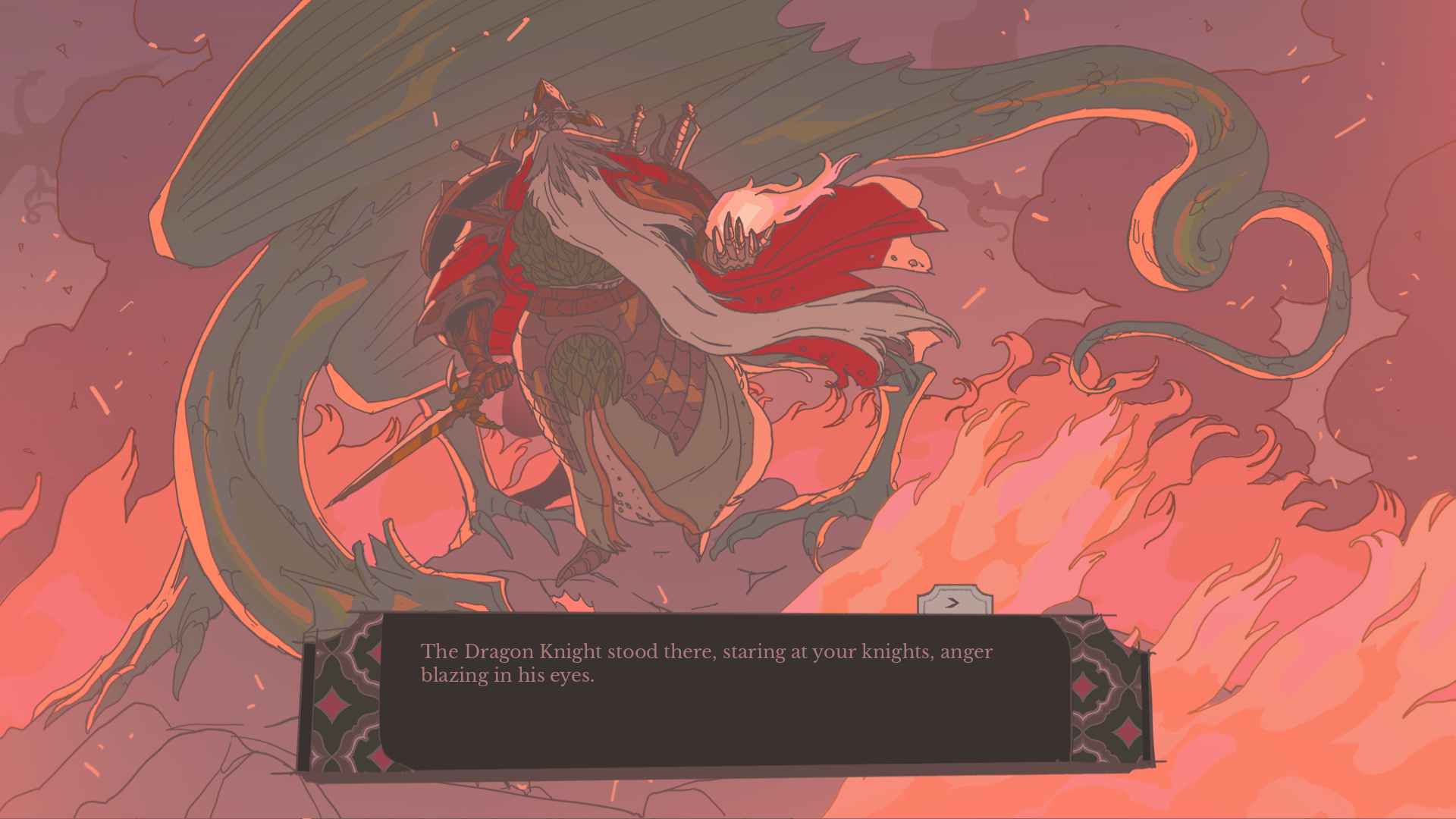
"Sovereign Tower" distinguishes itself by concentrating its entire narrative and gameplay within the confines of a single, magical tower. This deliberate design choice allows the wonderfully elegant art direction to take centre stage, transforming the game into a living, breathing storybook. Gobert’s distinctive use of line art and colour breathes life and "density" into his character designs, where the visual storytelling is not merely aesthetic but intrinsically merged with the game’s systems. Here, the egos of Autharian knights clash with as much ferocity as their swords, each character imbued with instant personality through Gobert’s masterful hand.
The art, meticulously crafted in Photoshop and seamlessly integrated into the Godot game engine, is engineered for rapid and clear communication of intent. This illustration-led art direction has become the game’s undeniable hallmark, drawing heavily on Gobert’s personal style, which itself is a rich tapestry woven from fine art traditions. Notably, Gobert cites the revered Russian painter Ivan Bilibin as a profound influence, hinting at the deep artistic heritage that underpins "Sovereign Tower’s" striking aesthetic.
The Artistic Vision: A Deep Dive into Sovereign Tower’s Aesthetic
In a landscape saturated with titles vying for the largest possible scale, "Sovereign Tower" represents a refreshing counter-narrative. It’s a testament to the idea that artistic depth and focused design can yield an experience far richer than sheer breadth.
Shifting Paradigms: Grandeur vs. Focused Detail
Many contemporary RPGs and even a significant portion of the indie market chase the allure of expansive worlds, intricate skill trees, and endless side quests. This often necessitates compromises in graphical fidelity or a reliance on procedural generation, which can sometimes dilute the unique artistic voice. "Sovereign Tower," however, bravely defies this trend. By confining the entire game to a singular, eponymous magical tower, Wild Wits Games has created a crucible for artistic intensity.
This self-imposed limitation is not a constraint but a catalyst. It forces the developers, particularly Gobert, to distill the game’s essence into every visual element. Each floor, each character, and every interactive piece within the tower must carry significant weight and contribute to the overall narrative and atmosphere. The elegance of the art is amplified because there are no sprawling, generic environments to distract from it. The player’s gaze is directed, intentionally, to the exquisite details of Gobert’s line work and colour palettes, making the visual experience intensely personal and immersive. This focused approach allows the art to do "all the work," not just as decoration, but as the primary vehicle for world-building and emotional resonance. It’s a bold statement that quality of artistic execution, when concentrated, can far outweigh the quantity of content.
The Mastermind Behind the Brushstrokes: Gobert’s Influence
At the heart of "Sovereign Tower’s" captivating aesthetic is its art director, Gobert. His unique artistic signature is not merely applied to the game; it is the game’s identity. Gobert’s style, characterized by sophisticated line art and judicious use of colour, is designed to imbue characters with an immediate sense of "density" – not just physical presence, but depth of personality and intention. This is where visual storytelling transcends mere illustration and becomes an integral part of the game’s mechanics.
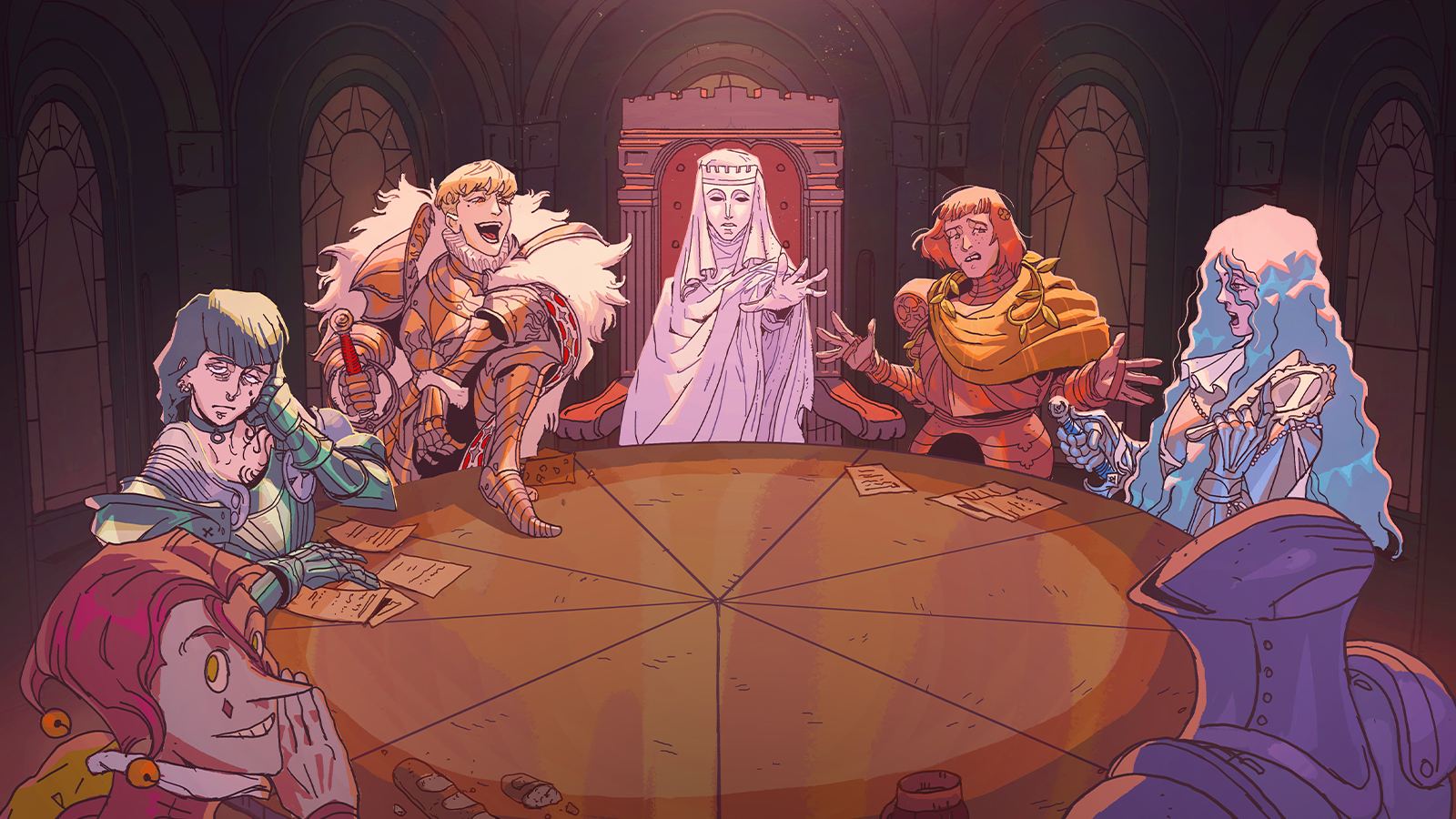
The clash of Autharian knights within the tower is not solely a physical confrontation of swords and shields; it’s also a dramatic collision of their meticulously designed egos, expressed through their stances, expressions, and distinct armour designs. Gobert’s ability to communicate complex character traits and narrative beats instantly through visual cues is a testament to his understanding of art’s power in an interactive medium. His art, as he explains, draws directly from his "original style," emphasizing his cherished inspirations: the intricate beauty of old-school etchings and the timeless charm of classical fairy tale illustrations. This foundation provides a sense of familiar enchantment, while his unique interpretation gives it a fresh, contemporary appeal. The explicit mention of Russian painter Ivan Bilibin as a key influence further contextualizes this, pointing to a tradition of illustrative art that blends intricate detail with fantastical themes, resulting in a game that feels like stepping into an animated legend.
Crafting the Medieval Fantasy: Inspirations and Practicalities
The genesis of "Sovereign Tower’s" art style is a fascinating blend of personal passion, historical reverence, and pragmatic indie development realities. Gobert’s insights reveal a thoughtful process that prioritizes both artistic integrity and project viability.
Echoes of Yesteryear: Historical and Artistic Roots
The choice of a medieval fantasy setting for "Sovereign Tower" was, for Gobert, a "no-brainer." It’s a genre deeply ingrained in his personal artistic lexicon and one that resonates widely with audiences. The timeless appeal of Arthurian legends, with their archetypal heroes, villains, and quests, provides a universally identifiable backdrop. This broad appeal ensures that players can immediately grasp the fundamental themes and character dynamics, even as the game introduces its own unique twists.
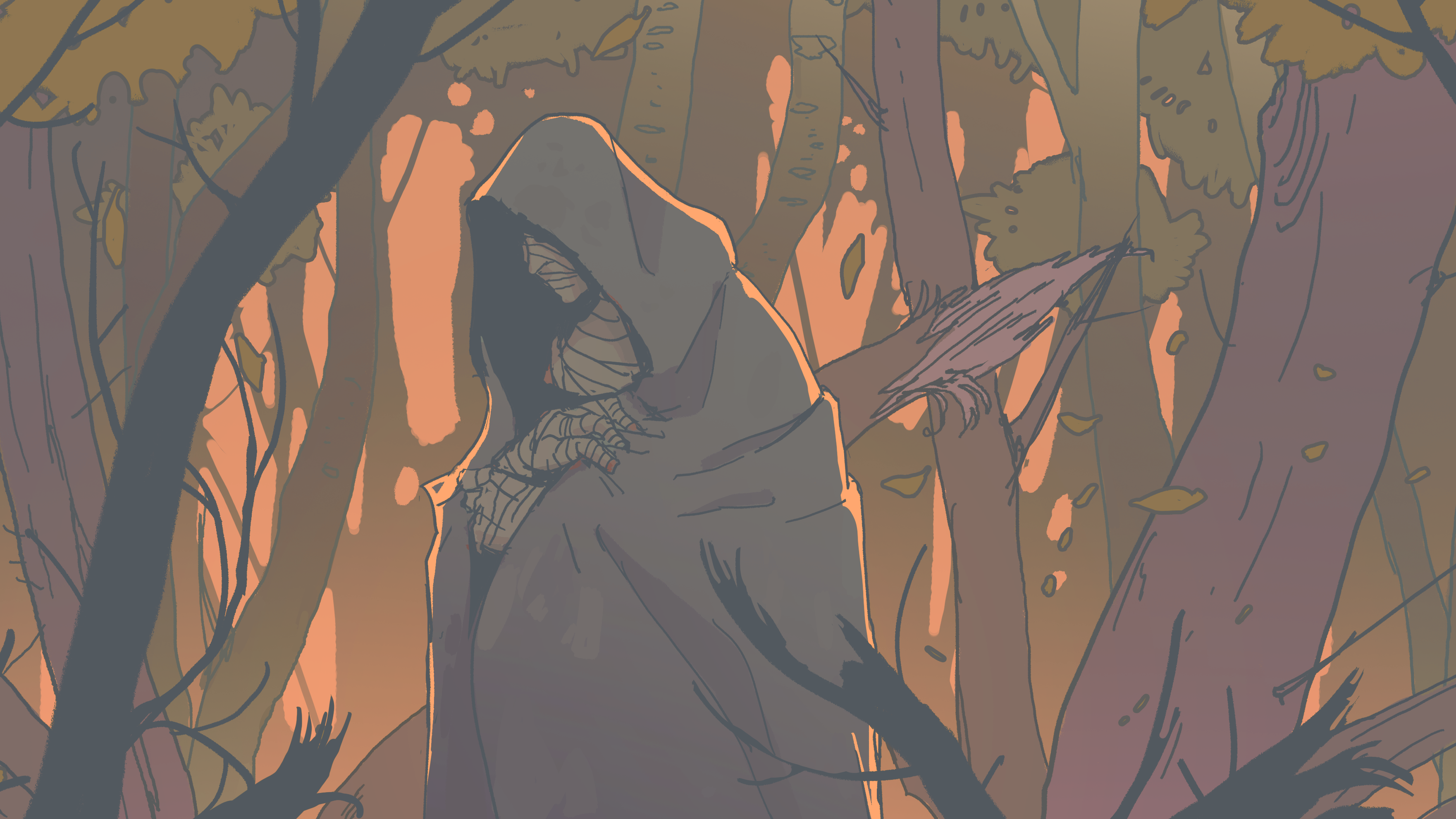
Gobert’s personal interests in old-school etchings and classical fairy tales are not just stylistic flourishes; they are the very bedrock of the game’s visual identity. His "first ambition" for "Sovereign Tower" was to craft "something that felt like a living, breathing illustrated storybook." This aspiration directly links to his reverence for artists like Ivan Bilibin, whose work famously brought Russian folklore to life with intricate, border-heavy illustrations. The visual cues within "Sovereign Tower" evoke this sense of turning a page in a richly illustrated tome, where every frame is a meticulously composed artwork.
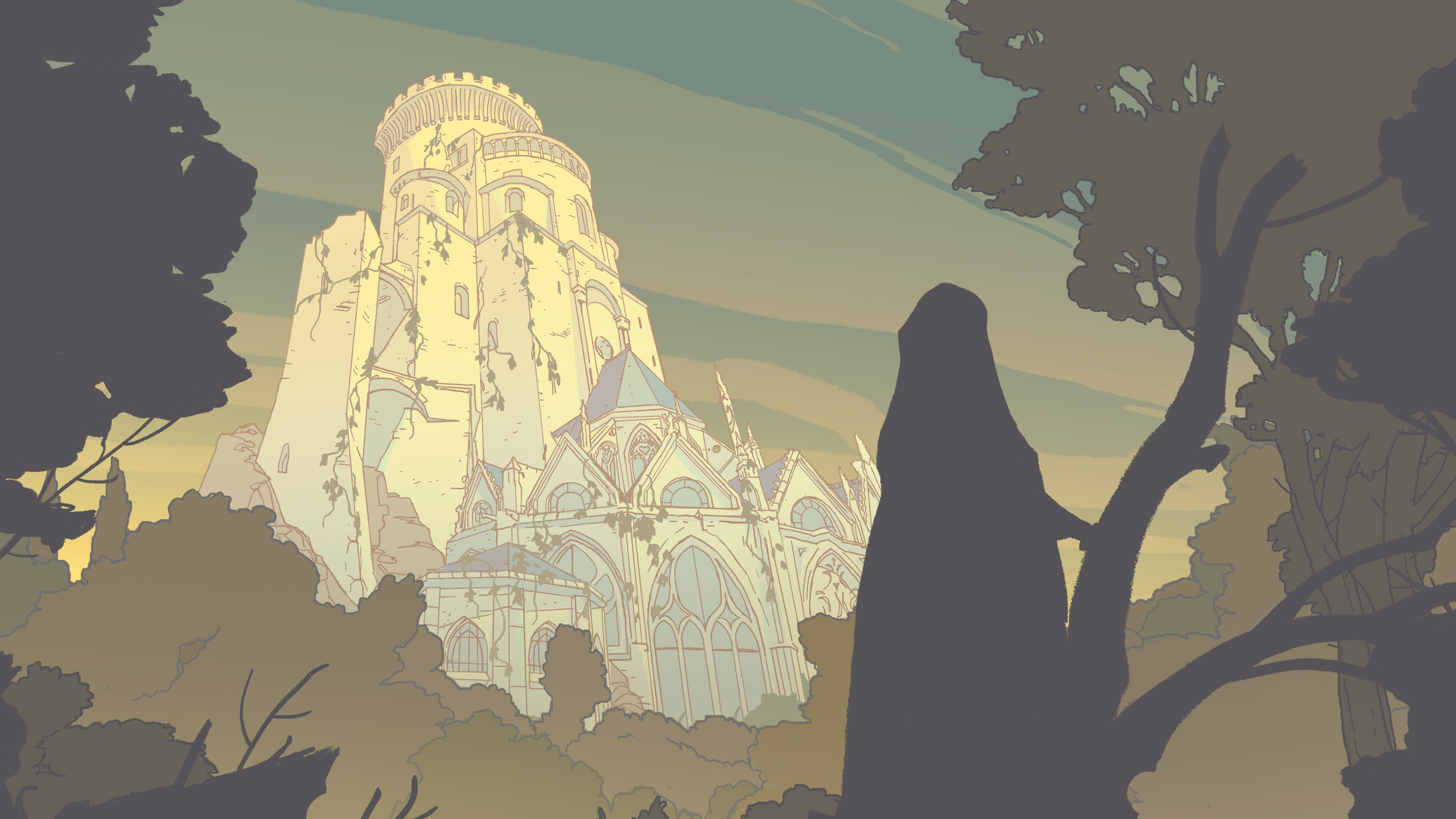
The balance between historical accuracy and fantastical world-building is another delicate act Gobert performs with finesse. While the game began with a "relatively light fantasy element" within an "archetypal medieval world," development saw a gradual, organic increase in fantastical elements. This iterative process allowed the team to take "more and more liberties with the setting" as the world evolved. Visually, Gobert draws inspiration from historical armour and clothing, grounding the designs in a sense of tangible reality. However, this is then filtered through the lens of historical illustrations from various periods, including the distinct Arthurian aesthetics developed during the 1800s and even the Renaissance. This layering of historical references – from actual historical garb to later artistic interpretations of the medieval – creates a visually rich and historically informed fantasy that feels both authentic and magically enhanced.
The Choice of Stylization: Efficiency and Originality
The decision to opt for stylization over realism was a foundational one for Wild Wits Games, rooted in both practical considerations and a clear artistic philosophy. From the outset, the team committed to developing a 2D game, rendering the pursuit of realism largely irrelevant to their goals. More fundamentally, Gobert expresses a general disinterest in realism, preferring instead to "explore original and fresh aesthetics." This stance positions "Sovereign Tower" as an artistic statement, deliberately stepping away from the photorealistic ambitions of many AAA titles.
This stylistic choice also brought significant practical advantages, particularly for an indie developer. Gobert candidly admits that working "completely alone" on the art for the project would have been "not possible with a more technically challenging art style." Stylization, especially in the hands of a skilled artist like Gobert, can be incredibly "cost-efficient." It allows for a high volume of unique assets to be created without the prohibitive time and resource demands of photorealistic rendering, detailed 3D modeling, and complex texture work. This efficiency liberates the artist to focus on creativity, character, and narrative impact rather than purely technical challenges. The result is a game that is visually distinct, economically viable for an indie studio, and deeply aligned with the artistic sensibilities of its creator.
The Development Journey: Tools, Techniques, and Evolution
Behind the polished exterior of "Sovereign Tower" lies a streamlined development process, characterized by a pragmatic approach to tools and a deep understanding of artistic efficiency. Gobert’s insights into the creation process offer valuable lessons for aspiring game artists and developers alike.
Essential Toolkit: Software and Philosophy
The technical backbone of "Sovereign Tower" is surprisingly lean, yet highly effective. The game runs on the Godot engine, a choice frequently favored by indie developers for its open-source nature, flexibility, and robust 2D capabilities. This choice aligns perfectly with Wild Wits Games’ philosophy of efficiency and control. For the intricate artwork, Gobert relies on Photoshop, a venerable industry standard that offers the precision and versatility needed for his detailed line art and colour work. Narration, a critical component of any story-driven game, is handled by Inky, a powerful scripting language designed for interactive fiction, further underscoring the game’s emphasis on narrative depth.
However, Gobert is quick to contextualize the role of these tools, asserting that "none of our tools is absolutely essential or irreplaceable for this game in particular; overall, I would even say the tools are somewhat irrelevant." This profound statement highlights a core philosophy: the true value lies not in the software itself, but in the "skills of our team members" (primarily Gobert himself for the art). The focus, he explains, was not on leveraging "extremely complicated features or incredible technical improvements," but rather "on creating original and interesting content." This human-centric approach to development emphasizes that artistic vision and skill are paramount, transcending the specific digital instruments used to realize them. It’s a powerful reminder that creativity and talent are the ultimate engines of innovation, not just the latest tech.
Character Conception: Silhouette, Story, and Speed
The creation of "Sovereign Tower’s" memorable cast of characters is an adaptive process, balancing spontaneous creativity with narrative necessity. Gobert reveals that character design can begin from different starting points, depending on the role and impact desired. For some of the more "surprising" characters, the journey begins with simple "doodles" – quick sketches with a strong emphasis on silhouette. This method allows for organic exploration of form and presence, with compelling shapes eventually finding a "particular role we wanted to fit in the world." This ‘visual-first’ approach allows for unexpected character archetypes to emerge, adding depth and variety to the tower’s inhabitants.
Conversely, "a lot of the main characters have a stronger focus on story and are usually based on a particular type of character I want to explore." Here, the narrative need dictates the visual form, ensuring that key figures embody their roles and personalities from the outset. If pressed to identify a consistent "first visual step," Gobert points to the silhouette. This emphasizes the importance of immediate recognition and distinctiveness, ensuring that even in a crowded scene, each character maintains a unique visual identity. The flexibility to prioritize either silhouette or story first, depending on project needs, speaks to a mature and adaptable design methodology.
The foundational visual direction of "Sovereign Tower" was remarkably established early on. Gobert recalls that "the very first asset I created for the game was the sprite of our first knight, Angelica, alongside the UI of the roundtable." This initial concept piece was crucial for establishing an "instantaneous idea of what the game would feel/look like." These early mockups serve as vital proof-of-concept, guiding subsequent development. The enduring nature of these early designs is striking; despite "a few edits," Angelica "still looks almost exactly the same," a testament to the clarity and strength of the initial artistic vision.
Lessons from a Comic Artist: Efficiency in Execution
Gobert’s background as an aspiring comic artist has profoundly shaped his approach to game art, particularly in the realm of efficiency and distinctive style. In the comic industry, the ability to create high-quality art quickly is paramount for meeting demanding deadlines and maintaining a consistent output. This lesson, Gobert explains, translates directly into video game development.
He aims to find a "sweet spot between unpolished and ‘dynamic’ penwork." This isn’t about cutting corners, but rather about cultivating a style that is both expressive and expedient. The "dynamic" quality ensures visual energy and character, while avoiding excessive polish allows for faster production. This approach grants him "the time to work on many things but also the ability to add new stuff quickly whenever necessary." For an indie game where resources and timelines are often tight, this cultivated efficiency is invaluable. It enables a small team, or even a solo artist, to maintain a high standard of visual quality across a broad range of assets without sacrificing creative output or responsiveness to design changes. This pragmatic artistry is a key factor in how Wild Wits Games can deliver such a visually rich experience.
Broader Implications and Advice for Aspiring Artists
"Sovereign Tower" is more than just a game; it’s a statement about the power of artistic vision in game development and a beacon for aspiring creatives. Gobert’s insights extend beyond his specific project, offering universal wisdom for anyone seeking to make their mark in the art world.
The Power of Coherence and Identity
For artists striving to develop a distinctive style, Gobert offers foundational advice centered on the principles of identity and coherence. His first recommendation is to "find what the identity of your project is, what its themes and inspirations are. Try to understand what makes it unique." This involves a deep introspection into the core essence of the work, moving beyond superficial aesthetics to grasp its underlying soul. A clear identity acts as a compass, guiding all subsequent artistic decisions.
Equally crucial is "coherence; try to make it so every asset looks like it belongs in the same art style as the rest. And extend this to as many aspects of the game as possible." This goes beyond individual character designs or environmental assets; it encompasses user interfaces, animations, and even narrative tone. A coherent art style ensures that the player’s immersion is never broken by jarring visual inconsistencies, creating a unified and believable world.
Finally, Gobert stresses the importance of being "mindful of colours." While coherence in colour palette is key, he also advises that "limiting your palette is also a very important step in creating a strong identity for your project." A restricted colour palette, far from being a limitation, can become a powerful tool for establishing a unique mood, atmosphere, and brand identity. It forces the artist to be deliberate and impactful with each colour choice, contributing significantly to the overall visual signature.
Challenging Industry Norms: A Testament to Indie Innovation
"Sovereign Tower" stands as a compelling example of how indie developers can challenge and enrich the broader gaming industry. In an ecosystem often dominated by massive budgets and convergent trends towards photorealism and open-world design, Wild Wits Games has carved out a distinct niche. Their success in generating significant buzz, particularly with 2.2 million views on Instagram, demonstrates a clear player appetite for games that prioritize unique artistic vision over conventional scale.
This game’s approach validates the notion that smaller, art-focused titles can not only survive but thrive by offering experiences that are fundamentally different from their AAA counterparts. It proves that innovation isn’t solely about technological advancement or graphical fidelity, but also about artistic expression and narrative depth delivered through a cohesive aesthetic. "Sovereign Tower" serves as an inspiration, showing that a singular focus, a strong artistic voice, and a commitment to elegant design can resonate profoundly with audiences, paving the way for more diverse and artistically driven games in the future. It underscores the potential for indie innovation to continually push the boundaries of what a video game can be, proving that sometimes, less truly is more.
Conclusion
"Sovereign Tower" is poised to be more than just another game release; it’s a vibrant affirmation of artistry and focused design within the expansive world of interactive entertainment. By deliberately shrinking the scope to a single, magical tower, Wild Wits Games and its art director Gobert have magnified the impact of their exquisite illustration-led aesthetic. From the careful integration of classical fairy tale inspirations and the intricate details of line art, to the pragmatic yet profound development philosophy, every aspect of "Sovereign Tower" speaks to a dedication to craft and a clear artistic vision.
As the game prepares for its August 6th launch, it carries with it the promise of a "living, breathing illustrated storybook" experience, a testament to the enduring power of distinct style and narrative coherence. In an industry frequently chasing the next technological frontier, "Sovereign Tower" reminds us that sometimes, the most revolutionary path is the one paved with timeless artistic principles and a bold commitment to unique expression. Its anticipated success will undoubtedly inspire a new generation of game artists and developers to prioritize their creative voice, demonstrating that a well-defined artistic identity can be the most powerful engine for captivating players and forging memorable experiences.
 Evan Lee Salim
  Laily UPN
  Jia Lissa