
 By Asro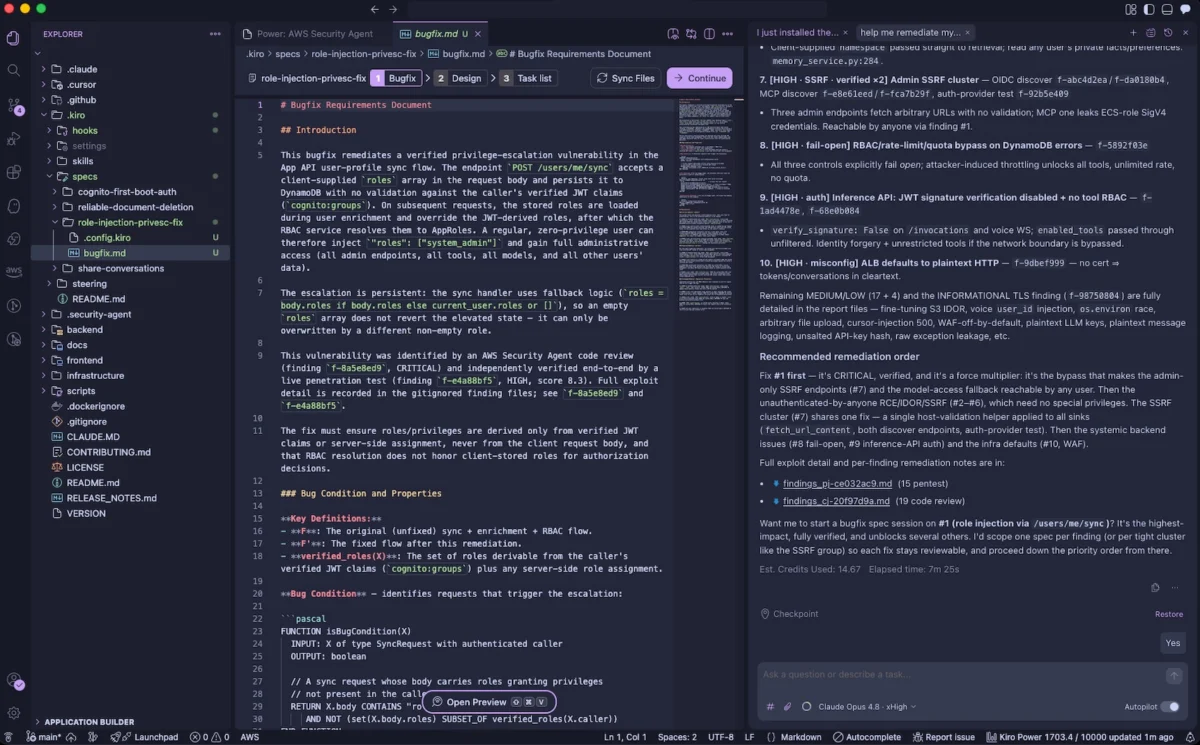
In the modern landscape of cloud computing, where software development velocity is often pitted against the rigorous demands of security and compliance, AWS has unveiled a significant expansion to its AWS Security Agent. Initially previewed at re:Invent 2025 as a proactive security layer within the AWS Continuum ecosystem, the agent has rapidly evolved from a promising concept into a robust, multi-faceted security powerhouse.
By integrating deep, reasoning-based analysis with automated remediation, AWS is shifting the paradigm of security from a "gatekeeper" model to a "built-in" component of the developer’s workflow. This article explores the recent, massive rollout of features for the AWS Security Agent, examining how they redefine the software development lifecycle (SDLC) from design to deployment.
Main Facts: The Unified Security Vision
At its core, the AWS Security Agent is designed to secure applications proactively. It provides a continuous, agentic approach to security, ensuring that vulnerabilities are not just identified, but verified and remediated before they reach production.

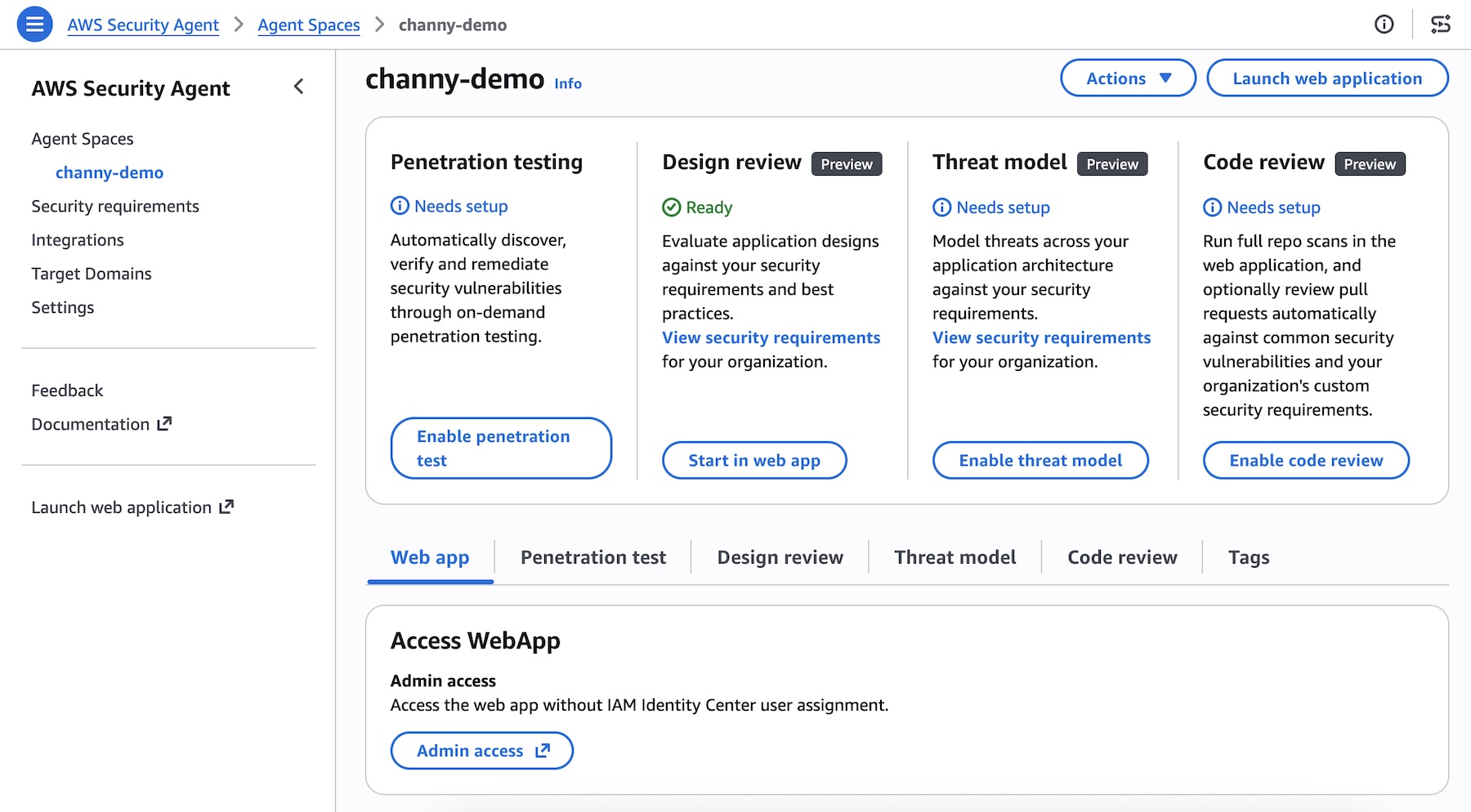
The latest updates mark a transition toward a "universal" security fabric that spans the entire SDLC:
- Design-Time Security: Automated threat modeling and compliance validation.
- Development-Time Security: Intelligent, context-aware code reviews across diverse repositories.
- Deployment-Time Security: On-demand, exploitability-focused penetration testing.
- IDE Integration: Seamless interaction via the new Kiro power and Claude Code plugin, minimizing context switching.
By consolidating these functions, AWS is reducing the "security friction" that typically slows down engineering teams, allowing developers to maintain high velocity without sacrificing the security posture of their applications.
Chronology: The Journey to Intelligent Security
The evolution of the AWS Security Agent has been marked by a rapid, iterative release cycle, reflecting AWS’s commitment to responding to developer feedback:

- re:Invent 2025: AWS Security Agent is introduced as a preview, part of the broader AWS Continuum initiative. It is showcased as a frontier agent capable of performing on-demand, customized penetration testing.
- March 2026: General Availability (GA) is announced for the on-demand penetration testing capabilities, marking a milestone in deployment-time security.
- May 2026: A preview is launched for full repository code review, introducing deep, context-aware analysis that moves beyond simple pattern matching.
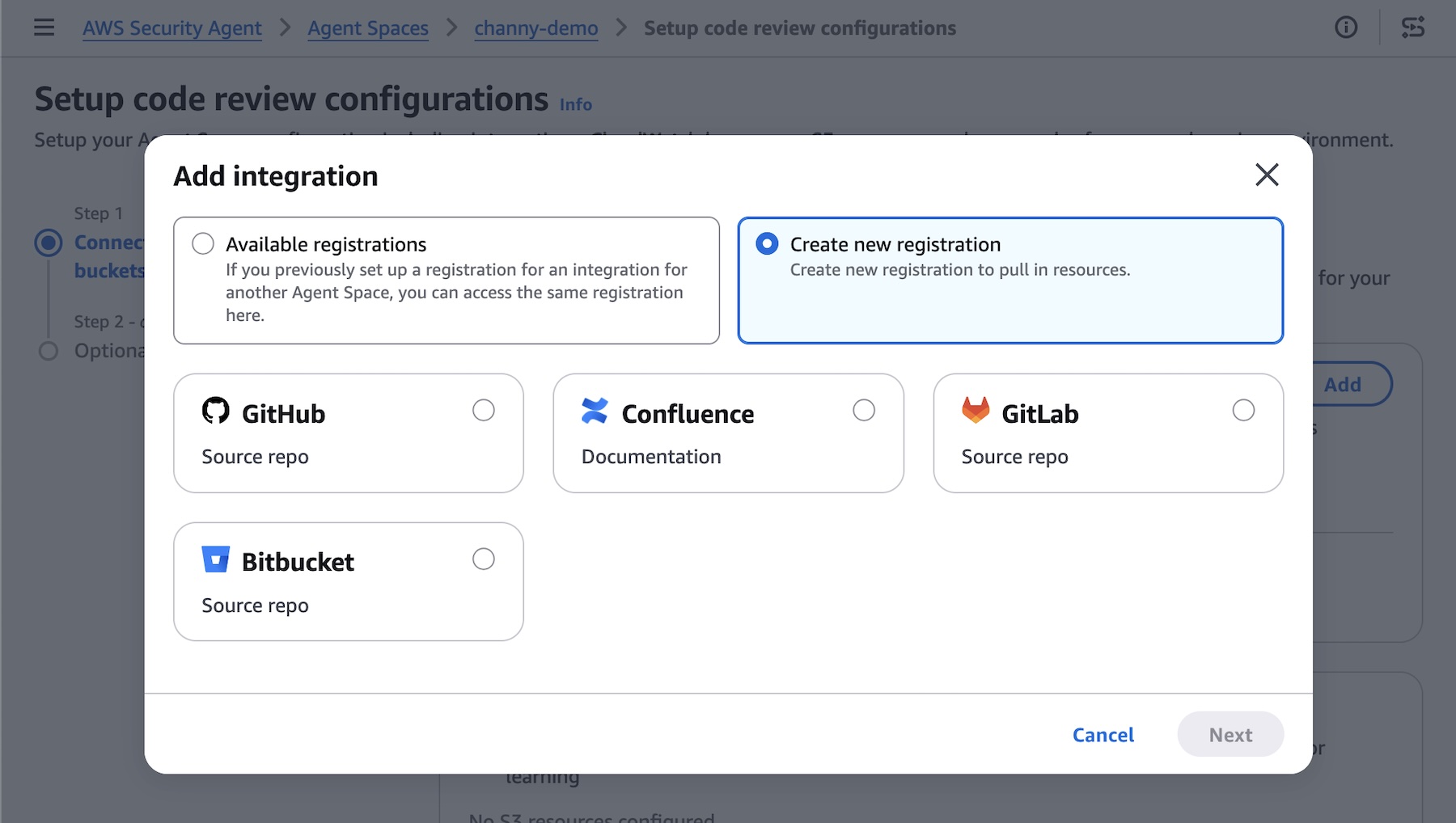
- June 2026 (The Current Update): AWS rolls out a massive suite of features, including expanded repository support (GitLab/Bitbucket), Confluence integration for contextual awareness, and the revolutionary "Kiro power" and Claude Code plugins, enabling developers to interact with the security agent directly within their IDE.
Supporting Data: Deep-Dive Technical Capabilities
The latest update is not merely an incremental change; it represents a fundamental shift in how security tools consume context.
1. Context-Aware Code Reviews
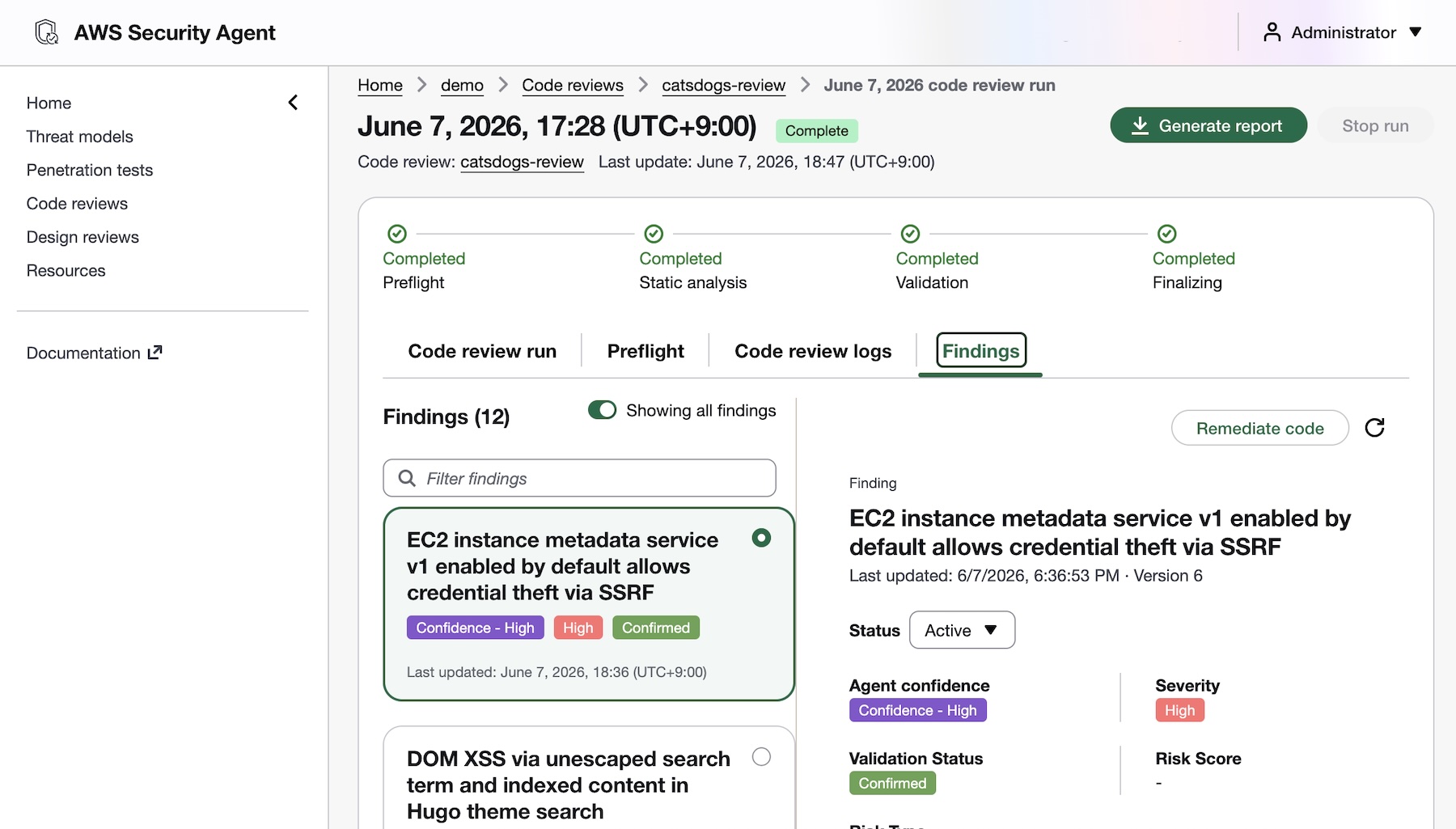
Traditional static analysis tools often suffer from high false-positive rates due to their reliance on signature-based pattern matching. The AWS Security Agent, by contrast, uses reasoning-based analysis. By connecting to GitLab and Bitbucket (both SaaS and self-hosted) and pulling context from Confluence, the agent understands the intent of the code.
When a developer submits a pull request, the agent checks the code against:
- Organizational security requirements.
- Documented architecture patterns found in Confluence.
- Common security vulnerabilities.
2. Automated Threat Modeling
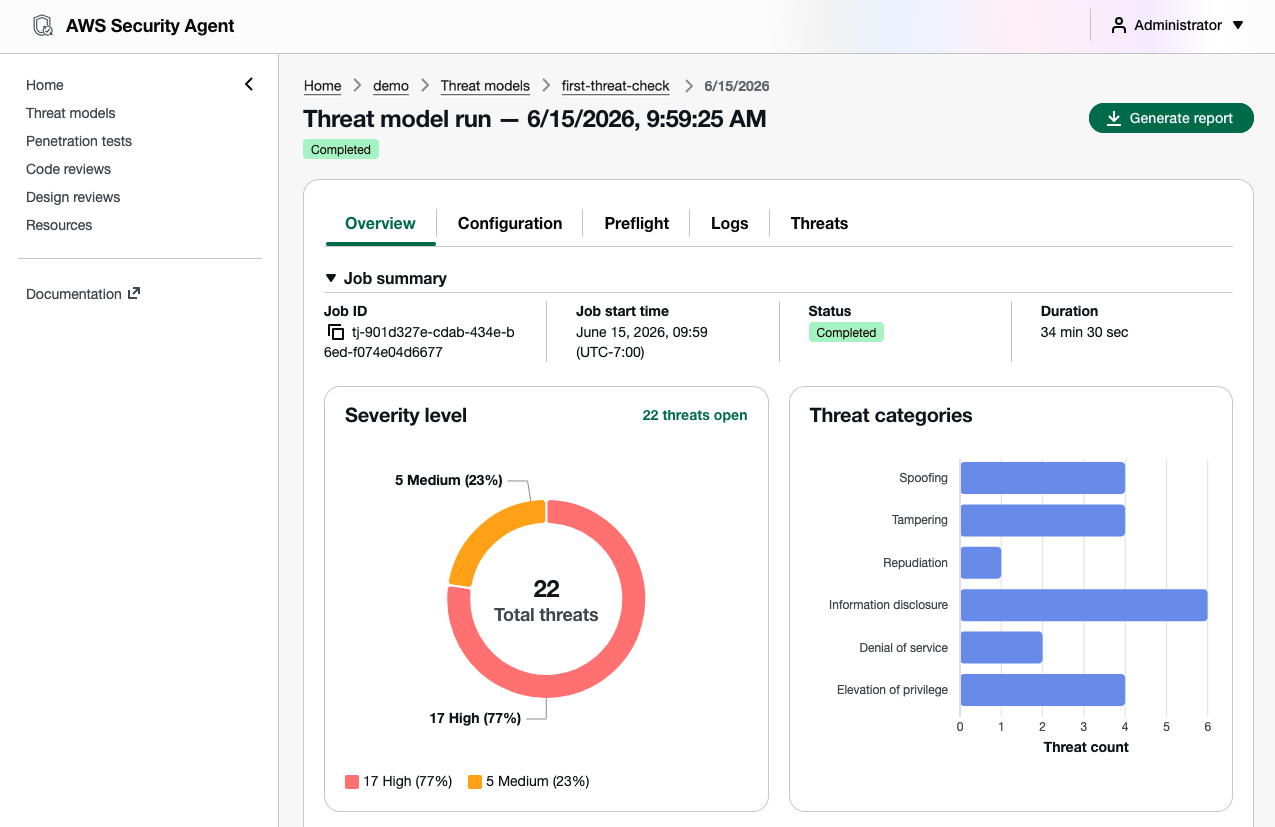
Perhaps the most ambitious feature is the automated generation of threat models. By analyzing design documents and source code, the agent maps data flows, identifies trust boundaries, and determines attack vectors. This allows teams to prioritize risks based on the actual architecture of their application rather than generic threat libraries. The output—a .security-agent/threat_model.md file—serves as a living document that evolves with the codebase.
3. The Kiro Power & IDE Integration
The integration with the Kiro power and Claude Code plugin is a game-changer for developer experience (DX). By utilizing an open MCP (Model Context Protocol) server, the agent allows developers to perform security tasks via natural language prompts within their IDE:
- "Run a full security scan on this repo."
- "Help me remediate my findings."
- "Build a threat model for this application."
This allows for immediate remediation. The agent doesn’t just point out a bug; it generates fix commits and provides guidance that the developer can accept or reject instantly, keeping the developer in their "flow state."
Official Responses and Strategic Implications
In his announcement, Channy Yun, a long-time AWS evangelist, emphasized that the goal is to "embed security expertise across all repositories." This sentiment is shared by the engineering teams at AWS, who see the agent as a way to scale security expertise without necessarily scaling the size of the security team.
Implications for the Enterprise
For large-scale organizations, the implications are profound:
- Audit Readiness: With managed compliance packs (NIST CSF, PCI DSS, AWS Well-Architected Framework), the security agent ensures that compliance is a continuous process, not a quarterly hurdle.
- Reduced Security Debt: By validating findings through simulated environments (proof of exploitability), the agent forces developers to focus only on issues that are truly exploitable, reducing the time wasted on non-critical "security noise."
- Cross-Platform Flexibility: By supporting self-hosted GitLab and Bitbucket instances, AWS is acknowledging that modern enterprise environments are hybrid and heterogeneous. The security agent is designed to work where the code lives, rather than forcing code into a specific AWS-managed repo.
The Future of DevSecOps: A Synthesis
The launch of the Claude Code plugin on June 18, 2026, signals that AWS is betting heavily on the "Agentic AI" future of development. In this future, the security tool is not a separate application that you visit once a month; it is a colleague that sits in your IDE, reads your code as you write it, and proactively flags issues before they are even committed.
Addressing Challenges
Despite these advancements, the transition to an agentic security model is not without challenges. Organizations will need to carefully manage the permissions given to these agents. As the agent gains the ability to "suggest fixes" and "commit code," the governance of the agent itself becomes the new security perimeter. AWS has addressed this by allowing security teams to configure which repositories are monitored and setting thresholds for manual intervention on critical issues.
Closing the Loop
The AWS Security Agent now effectively closes the loop on the SDLC. From the design phase, where threat models are generated, to the coding phase, where the Kiro power suggests secure implementation patterns, to the deployment phase, where automated penetration tests verify the final build—every stage is interconnected.
For developers, this means the "Security" in "DevSecOps" is finally becoming invisible, intuitive, and, most importantly, helpful. For security professionals, it provides a centralized dashboard to maintain visibility and control over a rapidly expanding attack surface.
As we look toward the remainder of 2026 and beyond, the AWS Security Agent is positioned to become an essential tool in the arsenal of any team building on AWS. By leveraging the power of generative AI and deep architectural context, AWS is not just finding bugs—it is helping teams build better, more secure software by design.
For those looking to get started, the AWS Security Agent is available in most commercial regions. AWS offers a 2-month free trial to allow teams to integrate the agent into their workflows and witness the shift in their security posture firsthand. Detailed pricing and regional availability can be found on the official AWS Security Agent product page.
 Neng Nana
  Suro Senen
  Lina Hope