
 By Lina Irawan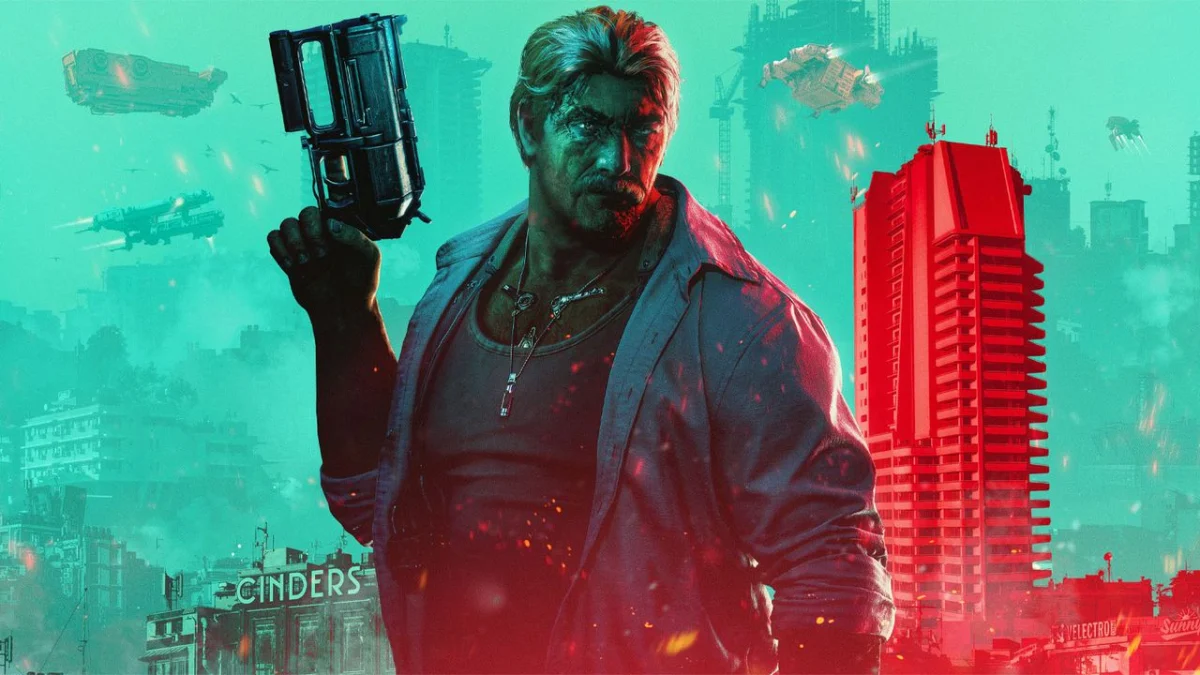
SAN FRANCISCO, CA – October 26, 2023 – In an era where expansive, sprawling open worlds often equate to success, a new contender has emerged from the annual Unreal Fest’s "State of Unreal" showcase, challenging conventional wisdom. "No Law," the latest title from critically acclaimed indie developer Neon Giant, known for their cyberpunk hit "The Ascent," promises to deliver not the largest, but the "densest" and most authentically alive open world yet conceived. Leveraging the cutting-edge capabilities of Unreal Engine 5 (UE5), the game aims to immerse players in a meticulously crafted cyberpunk metropolis where every detail, every corner, and every shadow tells a story.
The reveal at State of Unreal captivated attendees, presenting a vision that stands in stark contrast to the trend of ever-increasing map sizes. Instead, "No Law" focuses on unparalleled environmental richness, reactivity, and a sense of lived-in authenticity, powered by core UE5 technologies such as Nanite, Lumen, MegaLights, and the Mass Framework. This strategic pivot towards depth over breadth marks a significant moment in game development, potentially heralding a new paradigm for interactive storytelling and world design.
Main Facts: A Paradigm Shift in Open-World Design
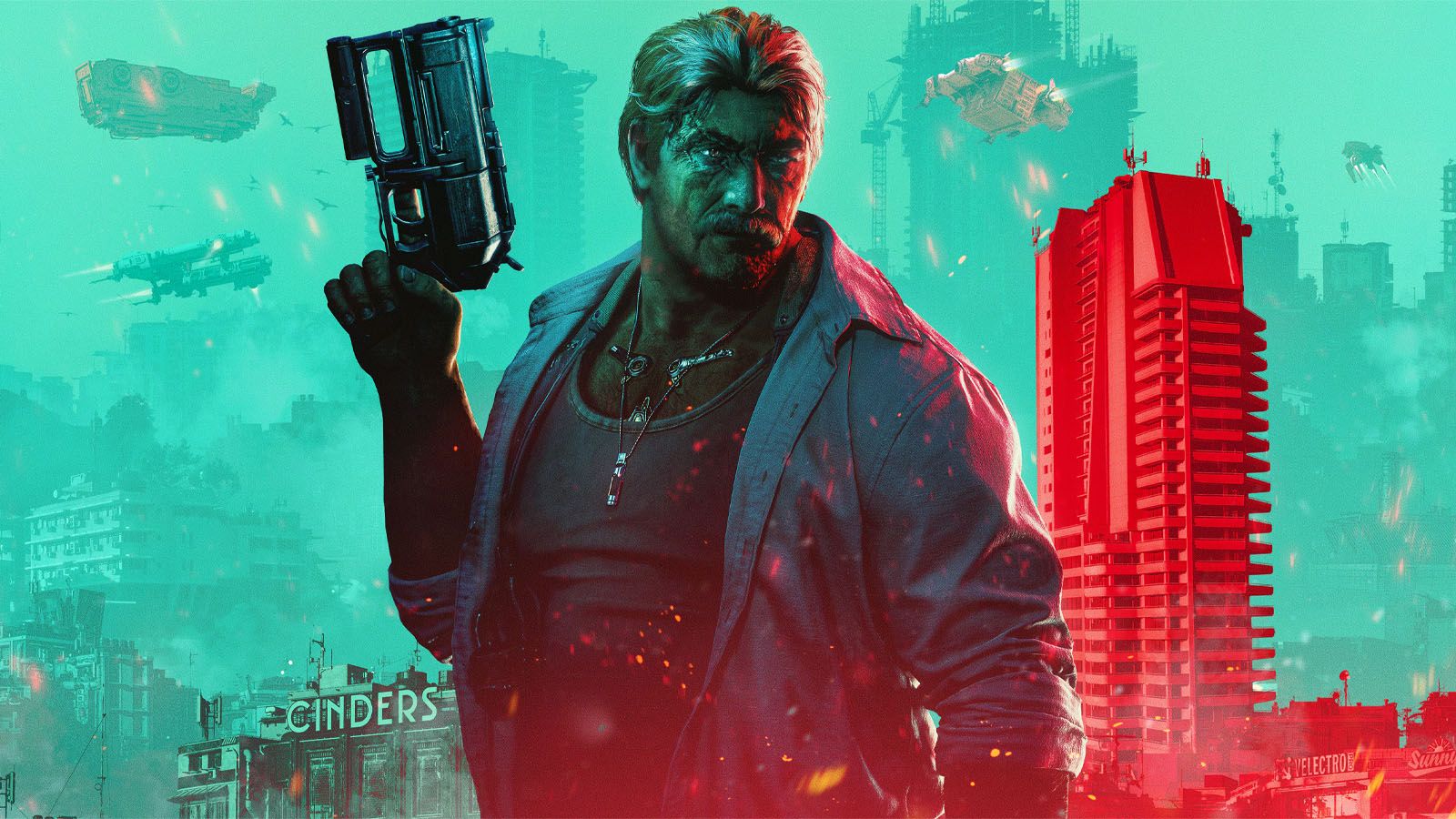
"No Law" is an upcoming first-person cyberpunk shooter developed by Neon Giant, the studio behind the popular isometric RPG "The Ascent." Unveiled at the Unreal Fest’s "State of Unreal" presentation, the game immediately distinguished itself through its ambitious commitment to creating the "densest" and most reactive open world to date. Rather than pursuing sheer geographical scale, Neon Giant’s vision for "No Law" centers on an unprecedented level of detail, environmental storytelling, and player agency within its intricate urban landscape, Port Desire.
The game is built from the ground up using Unreal Engine 5, harnessing its most advanced features to achieve its audacious goals. Key technologies include:
- Nanite: Epic Games’ virtualized micropolygon geometry system, which allows for cinematic-quality assets with billions of polygons to be streamed and rendered in real-time without significant performance overhead. For "No Law," Nanite is crucial for maintaining extreme detail across all surfaces, eliminating the traditional trade-off between visual fidelity and performance.
- Lumen: A fully dynamic global illumination and reflections system that ensures realistic light bounces and environmental interactions, adapting instantly to changes in the scene. This technology is vital for creating the game’s atmospheric, neon-soaked cyberpunk setting and enabling dynamic gameplay elements tied to lighting.
- MegaLights: While not an official Epic Games system, this term likely refers to Neon Giant’s bespoke implementation or extensive use of UE5’s advanced lighting tools to manage and render a vast number of dynamic light sources, particularly crucial for a dense, neon-lit city.
- Mass Framework: A system designed for high-performance simulations of large numbers of animated objects and characters, essential for populating Port Desire with bustling crowds and dynamic AI.
- Procedural Generation: Employed not to create vast, empty spaces, but to augment and enrich hand-crafted areas, ensuring a consistent level of detail and complexity without requiring every single asset to be manually placed.
- Bespoke UE5 Workflow: Neon Giant has developed a custom workflow within UE5, pushing beyond default functionalities to fully realize their unique vision for "No Law."
The central promise is a city, Port Desire, that feels genuinely "lived-in" at every scale. Player actions will have visible and reactive consequences within the environment, from breaking street lamps to plunging areas into darkness, with the game’s AI adapting accordingly. This focus on intricate detail and reactive spaces aims to deliver an immersive experience that redefines player expectations for open-world exploration and interaction.
Chronology: From Indie Hit to Open-World Innovator
Neon Giant’s journey to "No Law" is rooted in their critically acclaimed debut, "The Ascent." Released in 2021, "The Ascent" was an isometric action RPG set in a vibrant cyberpunk world, lauded for its stunning visuals, intricate level design, and engaging combat. Developed by a small team, "The Ascent" demonstrated Neon Giant’s prowess in crafting visually rich environments and a strong understanding of the cyberpunk aesthetic, capabilities that laid a solid foundation for their next ambitious project. The game’s success proved that a focused, well-executed vision, even from an indie studio, could stand out in a competitive market.
The "State of Unreal" event at Unreal Fest has become a pivotal platform for Epic Games and its partners to showcase the bleeding edge of game development. Historically, these presentations have unveiled groundbreaking technological advancements and provided tantalizing glimpses into the future of interactive entertainment. Last year, for instance, the event drew significant attention with a tech demo for "The Witcher 4" (working title), demonstrating the potential for massive, traditionally scaled open worlds powered by UE5. This served as a benchmark for what the engine could achieve in terms of expansive landscapes and character physics.
This year, however, "No Law" seized the spotlight by offering a deliberate counter-narrative. While "The Witcher 4" demo hinted at bigger worlds, Neon Giant’s presentation for "No Law" championed a different philosophy: depth over sheer size. Tor Frick, a key figure at Neon Giant, highlighted this distinction, stating, "Last year we saw The Witcher 4, and I was front row for the reveal, but where that game was traditionally about being bigger, this year No Law went the opposite way and showed how UE5 tech can be used to make dense, detail-rich, reactive spaces feel alive." This explicit comparison underscored "No Law’s" unique position as an innovator, demonstrating UE5’s versatility beyond just grand-scale environments.
The unveiling of "No Law" at this particular event was strategic, positioning the game not just as another title, but as a technical showcase for UE5’s capabilities when applied to a very specific design philosophy. It demonstrated how a "small team" could leverage the engine’s advanced features to create a world that, despite its more contained physical footprint, offers an unparalleled level of immersion and detail, pushing the boundaries of what players have come to expect from open-world experiences.
Supporting Data: The Technical Backbone of a Living City
The ambitious vision for "No Law" is inextricably linked to the power and flexibility of Unreal Engine 5. Neon Giant’s commitment to creating the "densest" open world is not merely a design choice but a testament to the engine’s capacity to render unprecedented levels of detail and interactivity.
Nanite: Unlocking Infinite Detail
At the heart of "No Law’s" visual fidelity is Nanite. This revolutionary virtualized micropolygon geometry system fundamentally changes how developers handle complex assets. Traditionally, artists had to make agonizing choices between geometric detail and performance, often requiring extensive manual optimization (LODs – Levels of Detail) to ensure games ran smoothly. Nanite eliminates this bottleneck by allowing artists to import film-quality assets with millions or even billions of polygons directly into the engine. It intelligently streams and renders only the necessary detail at pixel scale, meaning objects maintain their fidelity regardless of distance or camera angle. For Port Desire, this translates into a city where every facade, every street corner, and every interior is rendered with immaculate precision, free from pop-in or noticeable detail degradation. Tor Frick’s remark that "there are more objects visible in one frame of No Law than in all of its previous game, The Ascent" powerfully illustrates Nanite’s transformative impact. It allows the small team to handcraft spaces with extreme detail without the constant stripping back of assets for optimization.
Lumen: The Dynamic Pulse of a Cyberpunk World
Complementing Nanite’s geometric prowess is Lumen, UE5’s fully dynamic global illumination and reflections system. In a cyberpunk city like Port Desire, where neon signs, flickering holographic advertisements, and ambient streetlights are integral to the atmosphere, Lumen is indispensable. It simulates how light bounces and interacts with surfaces in real-time, providing incredibly realistic indirect lighting and reflections. This means changes in the environment – a neon sign exploding, a power outage, or the player using a torch – dynamically affect the entire lighting of a scene. This isn’t just about aesthetics; Lumen drives gameplay. The article highlights that "if you break street lamps, use torches, or plunge areas into darkness, the game’s AI will react." This reactive lighting creates dynamic tactical opportunities and challenges, making the environment a living, breathing character in itself.
MegaLights and Mass Framework: Populating a Bustling Metropolis
While "MegaLights" appears to be a descriptor for Neon Giant’s extensive use of UE5’s advanced lighting pipeline, it underscores the sheer volume and complexity of light sources required to bring Port Desire to life. Managing countless dynamic lights without crippling performance is a significant technical feat, likely achieved through custom optimizations and intelligent light culling within UE5. The "Mass Framework," on the other hand, is crucial for populating the city with believable crowds and dynamic non-player characters (NPCs). This system is designed for high-performance entity management, allowing for hundreds or even thousands of AI agents to exist and interact within the game world without taxing the system. This contributes significantly to the "lived-in" feeling, making Port Desire feel truly bustling and active, rather than a collection of static backdrops.
Procedural Generation and Custom Workflow: Efficiency for a Small Team
Neon Giant, as a "relatively small team," faces the inherent challenge of achieving immense detail and complexity without an equally immense workforce. Their solution involves a strategic combination of procedural generation and a bespoke UE5 workflow. Unlike games that use procedural generation to create vast, often repetitive landscapes, "No Law" employs it to enrich hand-crafted spaces, ensuring a consistent level of detail and variety within its dense urban zones. This means artists can focus on designing core, unique areas, with procedural tools filling in the intricate gaps and generating environmental flourishes. The custom UE5 workflow, as Frick explains, involves pushing "beyond the defaults" to integrate these technologies seamlessly and efficiently. This tailored approach allows the team to maximize the engine’s potential, creating a pipeline where "artists handcraft spaces without constantly stripping detail back and without relying on procedural generation," a critical factor in maintaining their high fidelity vision while managing resources effectively.
The Open-World Debate: Density vs. Scale
"No Law" enters a long-standing debate within game development: the value of size versus density in open-world games. For years, the industry trend has favored ever-larger maps, often leading to worlds that feel vast but empty, filled with repetitive side quests and generic points of interest. Games like Assassin’s Creed Valhalla or Starfield exemplify this focus on immense scale. While impressive in scope, critics often point to a lack of meaningful content per square kilometer.
In contrast, games like Cyberpunk 2077 (despite its initial launch issues) or the Grand Theft Auto series have often been praised for the density and interactivity of their urban environments. "No Law" firmly aligns with this latter philosophy. The developer’s explicit comparison to Crimson Desert, which is described as devolving into "a treasure hunt and tick-sheet completionists’ dream," highlights the perceived pitfalls of scale-focused design. Neon Giant’s approach suggests a growing maturity in open-world design, where the quality and depth of interaction within a space are prioritized over its sheer physical dimensions. This shift could resonate deeply with players yearning for more meaningful exploration and less busywork.
Official Responses: Neon Giant’s Vision Unveiled
The driving force behind "No Law’s" distinctive approach comes directly from Neon Giant’s leadership, particularly Tor Frick, who articulated the studio’s philosophy at State of Unreal. His statements reveal a clear, intentional departure from current industry trends and a strategic embrace of Unreal Engine 5’s capabilities.
Frick’s core declaration, "We didn’t want the largest world, but the densest," encapsulates the entire design ethos of "No Law." This isn’t merely a preference; it’s a foundational principle that dictates every aspect of the game’s development. He elaborated on this, envisioning "A city that feels lived-in at every scale, where every corner carries history, and every surface tells a story." This emphasis on environmental storytelling and historical layering within the urban fabric suggests a commitment to making every segment of Port Desire feel unique and meaningful, inviting players to truly delve into its narrative tapestry rather than simply traversing it.

The developer openly acknowledged the challenges inherent in such an ambitious undertaking for a smaller studio. "As a relatively small team, that ambition came with real challenges. We wanted extreme detail everywhere, but we also needed stability and performance without having to hand-optimise each location." This candid admission highlights the practical difficulties faced by indie developers pushing graphical boundaries. Their solution, as Frick explained, was not a singular technological silver bullet, but "a shift in how we built the world" – a holistic integration of UE5’s core features into a custom workflow.
Frick further detailed this bespoke approach: "We knew that our best starting point would be building a game around the core feature set of Unreal 5, because a small team like ours needs to work with the engine, not against it. We realised early on that ‘out of the box’ wouldn’t be enough. We had to push beyond the defaults and build our own workflow within UE5 to make the world we wanted." This statement underscores Neon Giant’s proactive and innovative use of the engine, demonstrating a deep understanding of its architecture and a willingness to tailor it to their specific needs. It’s a testament to the power of UE5 as a flexible platform for bespoke development, not just an off-the-shelf solution.
The reliance on Nanite was specifically cited as a game-changer for their artistic pipeline. "Nanite is what made that approach viable. It lets us keep a high level of detail across surfaces without treating every asset as a tradeoff between fidelity and performance." This highlights Nanite’s role in empowering artists to create without the traditional constraints of polygon budgets, ensuring that their creative vision for a detail-rich city could be realized without compromising the game’s performance.
While every open-world game "claims it’ll be reactive, immersive and packed with detail," as the article notes, Neon Giant’s difference lies in their intentional design from the outset. Their small team is actively "harnessing new UE5 tools to make it happen," implying a focused, technology-driven development strategy aimed at delivering on these promises rather than merely aspiring to them. The developer’s consistent messaging suggests a deeply ingrained philosophy that prioritizes meaningful interaction and environmental depth above all else.
Implications: Reshaping the Future of Open Worlds
The announcement of "No Law" and Neon Giant’s design philosophy carries significant implications for both players and the wider game development industry.
For the Player Experience:
The promise of a "densest" open world directly translates into a more immersive and rewarding player experience. Instead of tedious travel across vast, uninteresting landscapes, players in Port Desire can expect every street, alley, and building to offer unique details, environmental narratives, and interactive elements. This focus on depth over size encourages true exploration, rewarding curiosity with rich lore, hidden secrets, and dynamic encounters. The reactive nature of the world, where player actions visibly alter the environment and influence AI behavior, fosters a greater sense of agency and consequence, moving beyond static backdrops to a truly dynamic ecosystem. This could lead to higher replayability, as players uncover new facets of the city with each playthrough, making "No Law" feel more like a living character than just a setting. For many players fatigued by the "checklist" approach of many modern open worlds, "No Law" could offer a much-needed breath of fresh air, emphasizing quality of interaction over quantity of space.

For the Game Development Industry:
"No Law" could serve as a powerful case study and potential trendsetter for future open-world game design. If Neon Giant successfully delivers on its promises, it could inspire other studios, particularly smaller and independent teams, to reconsider the prevailing wisdom of ever-expanding maps. It demonstrates that with the right strategic use of advanced engine technologies like Unreal Engine 5, a smaller team can achieve a level of environmental detail and interactivity previously thought exclusive to AAA studios with massive budgets. This democratizes high-fidelity world-building, showcasing UE5’s capacity to empower creative visions without demanding prohibitive resource allocation. The game could validate the "density-first" approach, prompting a broader industry shift towards more focused, intricately designed worlds that prioritize meaningful engagement over sheer scale. It highlights that innovation in open-world design doesn’t always mean bigger, but often smarter and more deliberate.
Technical Challenges and Opportunities:
While UE5’s tools like Nanite and Lumen drastically simplify the process of rendering high-fidelity assets, the sheer ambition of "No Law" still presents technical hurdles. Maintaining stable performance and optimizing for a wide range of hardware in a truly "dense" and "reactive" world will be a significant challenge. However, Neon Giant’s bespoke workflow and deep integration with UE5 suggest they are proactively tackling these issues, using the engine’s flexibility to their advantage. This project will undoubtedly push the boundaries of real-time rendering and AI interaction within a highly detailed environment, offering valuable insights and best practices for the entire development community. The development process itself could yield new techniques for optimizing complex scenes and dynamic systems.
Future Outlook:
The anticipation for "No Law" will likely build as more details emerge. Its success could solidify Neon Giant’s reputation as an innovative studio capable of pushing technical and design boundaries. More importantly, it has the potential to influence the trajectory of open-world game design for years to come. By prioritizing detail, interactivity, and a sense of genuine liveliness, "No Law" aims to prove that a truly immersive experience doesn’t require a map the size of a continent, but rather a world so rich and responsive that every step within it feels significant. The game is poised to demonstrate Unreal Engine 5’s true power in fostering a new generation of deeply engaging and visually stunning interactive environments.
Players eager to follow the development of "No Law" can find more details on its official Steam page, where the journey into Port Desire’s dense, neon-lit depths is just beginning.
 Laily UPN
  Jia Lissa
  Nila Kartika Wati