
 By Siti Muinah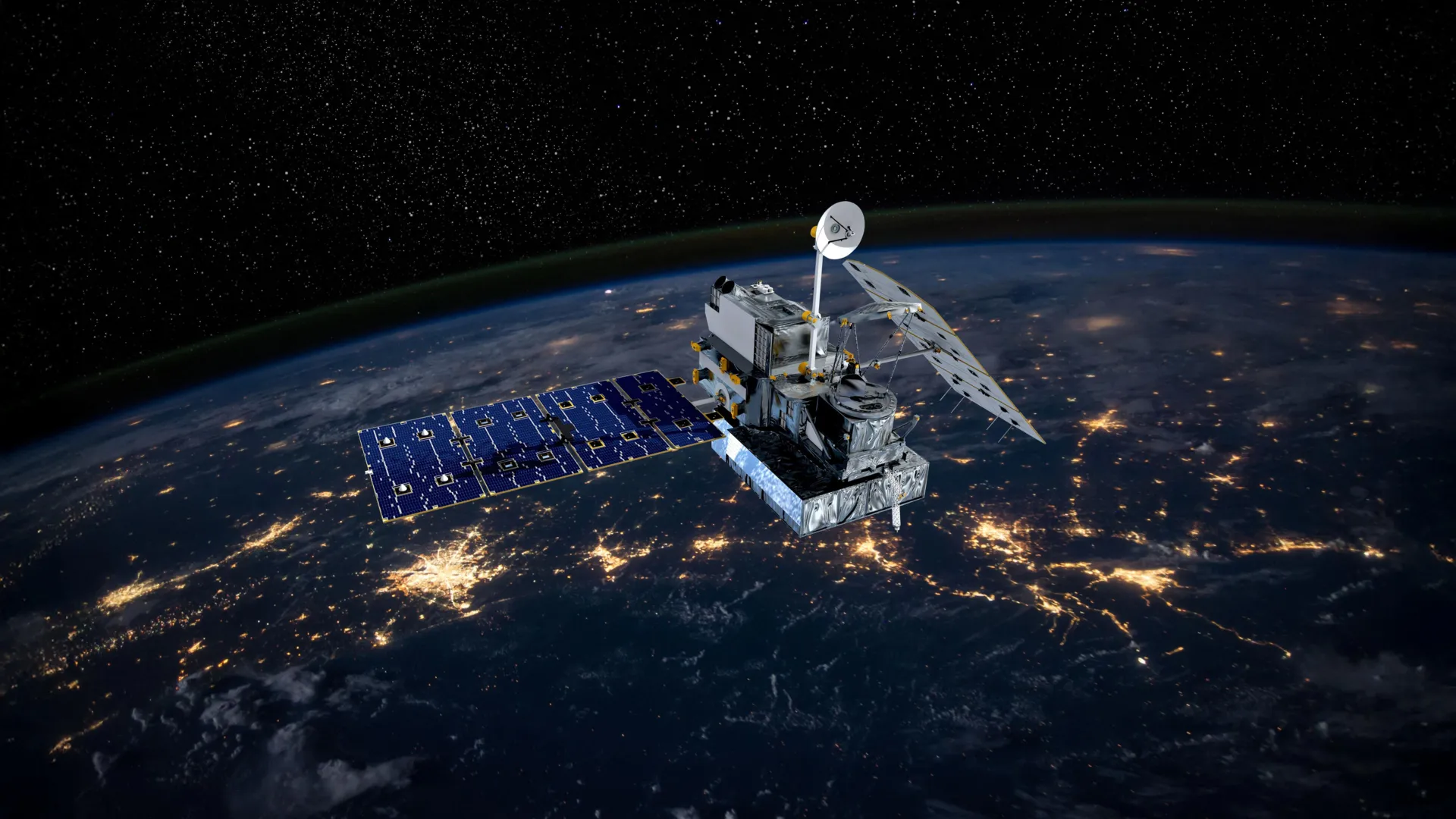
The vision of the modern space economy has shifted from simple rocket launches to the creation of an all-encompassing orbital ecosystem. Imagine a single corporate entity—perhaps a titan like SpaceX—operating as the railroad, the power utility, and the cloud-computing provider for humanity’s venture into the stars. This paradigm shift has ignited immense investor interest, transforming the long-anticipated public market debut of companies like SpaceX from a bet on aerospace engineering into a wager on a sprawling, extraterrestrial industrial grid.
Central to this ambitious roadmap is a concept that until recently occupied only the pages of science fiction: the orbital data center. As artificial intelligence triggers an exponential surge in global computing demand, the search for power and physical space has pushed industry leaders to look upward, envisioning a future where data centers reside in the vacuum of space, untethered from the terrestrial constraints of land, water, and local electrical grids.
The Logic of the Void: Why Move Computing to Orbit?
The rationale behind moving critical computing infrastructure to orbit is seductive. On Earth, data centers are increasingly viewed as burdens by local communities. They consume vast quantities of water for cooling, place immense strain on local energy grids, and are frequently the target of protests over noise, environmental impact, and land-use disputes.
By relocating these facilities to orbit, developers argue they can escape these "Earth-bound" pressures. Solar energy is abundant and unobstructed by weather patterns. Furthermore, the extreme cold of the space environment—roughly -455°F (-270°C)—offers a theoretical, albeit complex, solution to the heat dissipation issues that plague terrestrial server farms.
Chronology of an Emerging Industry
- 2020–2023: The rapid rise of generative AI places unprecedented demand on global data center capacity. Local opposition in regions like Virginia and Northern Europe creates "data center moratoria," forcing tech giants to look for alternative locations.
- 2024: Industry white papers begin to circulate regarding the viability of "space-edge" computing, focusing on processing data directly on satellites to reduce the need to transmit massive datasets back to Earth.
- 2025: The first prototypes for specialized "compute satellites" enter development. Public backlash against Earth-based data center water usage reaches a fever pitch.
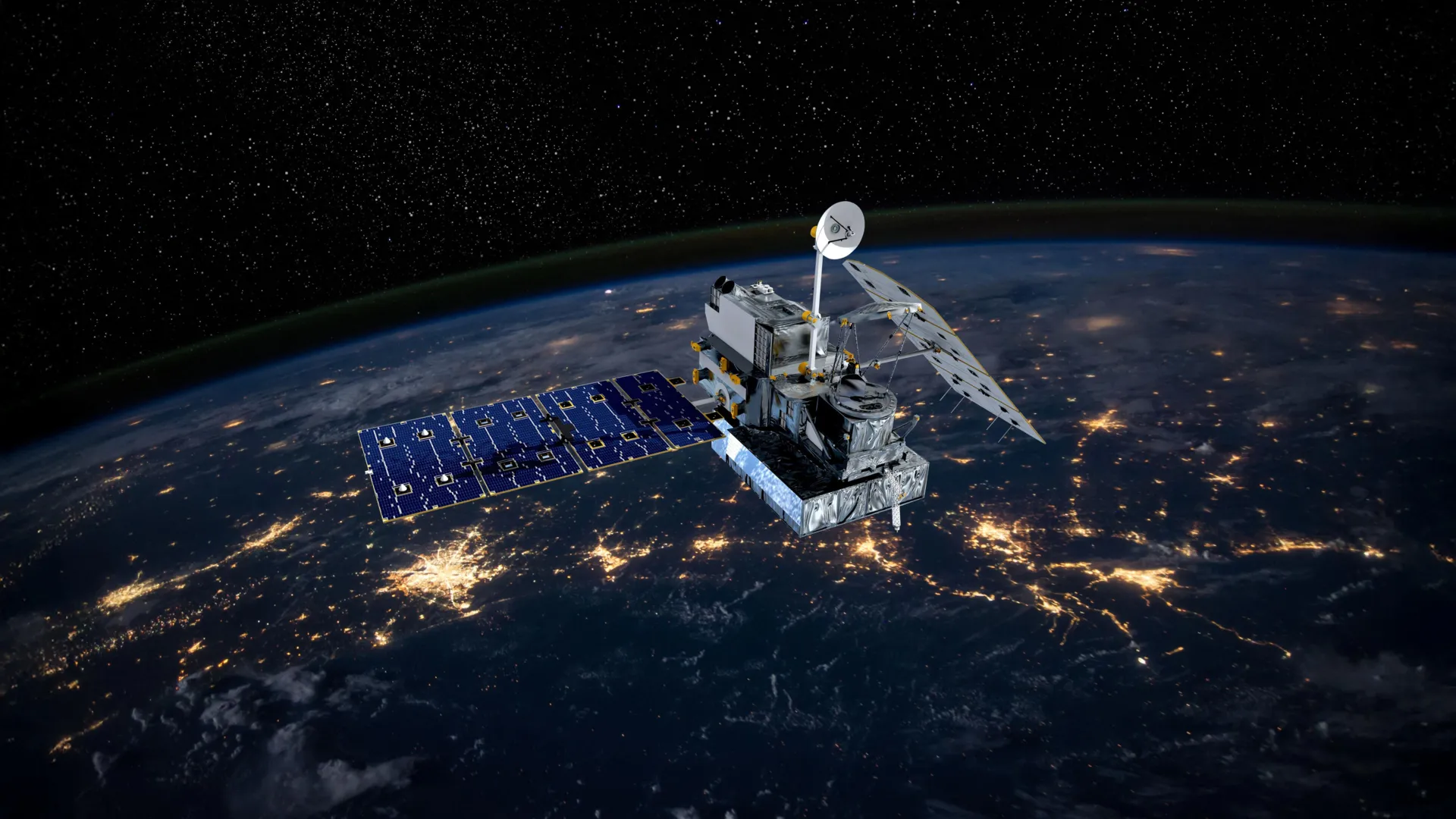
- 2026: SpaceX formally announces the design for the "AI1 Compute Satellite," signaling the transition from telecommunications-focused satellites to general-purpose orbital computing.
- Present Day: The debate shifts from "is it possible?" to "is it economically and technically feasible at scale?"
Infrastructure: The Engineering Gap
While the business case is compelling, the engineering reality is daunting. We are currently witnessing a massive disparity between the needs of a modern data center and the limitations of spaceflight.
Power and Thermal Challenges
On Earth, a data center is essentially a massive thermal management machine. Servers consume electricity, which generates heat; that heat must be moved and dissipated using complex cooling systems. In orbit, the primary power source is solar. While the Sun provides a constant stream of energy, modern solar cells are only about 50% efficient. To power a true, industrial-scale data center, an orbital facility would need massive solar arrays, which in turn require significant mass to launch.
Heat dissipation is even more complex. In the vacuum of space, there is no air to facilitate convective cooling. Heat must be radiated away as infrared energy. This requires massive radiator surfaces. According to engineering estimates, to reject 10 megawatts of waste heat—a fraction of what a typical terrestrial data center produces—an orbital facility would require radiator surfaces the size of two football fields.
Hardware Refresh Cycles
Perhaps the most significant hurdle is the "refresh cycle." Terrestrial data centers upgrade their hardware every three to five years to keep pace with rapid advancements in chip architecture. In space, once a satellite is launched, it is effectively locked in. Repairs are extraordinarily expensive and, in most cases, impossible. If a component fails or becomes obsolete, the entire multi-million-dollar asset risks becoming "space junk."
Official Responses and Strategic Perspectives
Industry leaders, while optimistic, are tempering expectations. SpaceX’s AI1 project is currently positioned as a specialized tool rather than a replacement for cloud giants like AWS or Google Cloud. The consensus among space-systems engineers is that the current capacity of orbital computing is 100 to 1,000 times less powerful than a standard terrestrial facility.
"The economics of space launch have plummeted, but they are not yet low enough to make a massive, mass-intensive data center competitive with a facility in a desert with cheap, renewable energy," says one industry analyst. "The current move is toward ‘edge processing’—doing just enough computing in space to make the data we send back to Earth more useful."
Implications: The New Space Race
If companies succeed in placing computing infrastructure in orbit, the implications for the global economy and the environment would be profound.
1. Environmental Decoupling
If successful, these projects could theoretically "offload" the environmental footprint of AI from Earth to the vacuum of space. By utilizing solar energy and avoiding water-intensive cooling, the carbon and resource intensity of high-performance computing could be drastically reduced.
2. The Debris Problem
However, this ambition comes with the risk of accelerating the "Kessler Syndrome"—the theory that the density of objects in low Earth orbit will become so high that collisions lead to a cascading failure of the orbital environment. Launching thousands of large data-center satellites increases the risk of orbital collisions, which could jeopardize all human activity in space, including GPS, weather tracking, and telecommunications.
3. Regulatory and Geopolitical Tensions
The question of "who owns the sky" becomes more pertinent. If a private company controls the infrastructure that processes sensitive government, financial, and military data, that company gains unprecedented leverage over national security. Furthermore, international treaties regarding the use of outer space may need to be entirely rewritten to account for private, industrial-scale computing platforms.
A Targeted Future
For the foreseeable future, the "orbital data center" will not be a replacement for the server farms of Virginia or Dublin. Instead, it will likely serve as a niche, high-value asset. Early applications will be strictly focused on space-based missions:
- Real-time Satellite Imagery: Processing massive amounts of Earth-observation data in orbit before transmitting only the relevant insights back to Earth.
- Military Intelligence: Analyzing battlefield data in real-time without the latency of sending signals through ground stations.
- Deep Space Operations: Providing the computing power required for future lunar and Martian exploration missions that cannot rely on constant communication with Earth.
The race to build data centers in space is a testament to human ingenuity and the insatiable demand for processing power. Yet, as we look to the stars to solve the problems of the ground, we must be wary of the physical, economic, and orbital costs. The transition from terrestrial to orbital computing is not merely an upgrade in infrastructure; it is a fundamental shift in how we manage the digital heartbeat of our civilization. Whether this leads to a new era of efficiency or a cluttered, unusable orbital environment remains the most critical question for the next decade of space exploration.
 rifanmuazin
  Ammar Sabilarrohman
  Nana Muazin