
 By Ali Ikhwan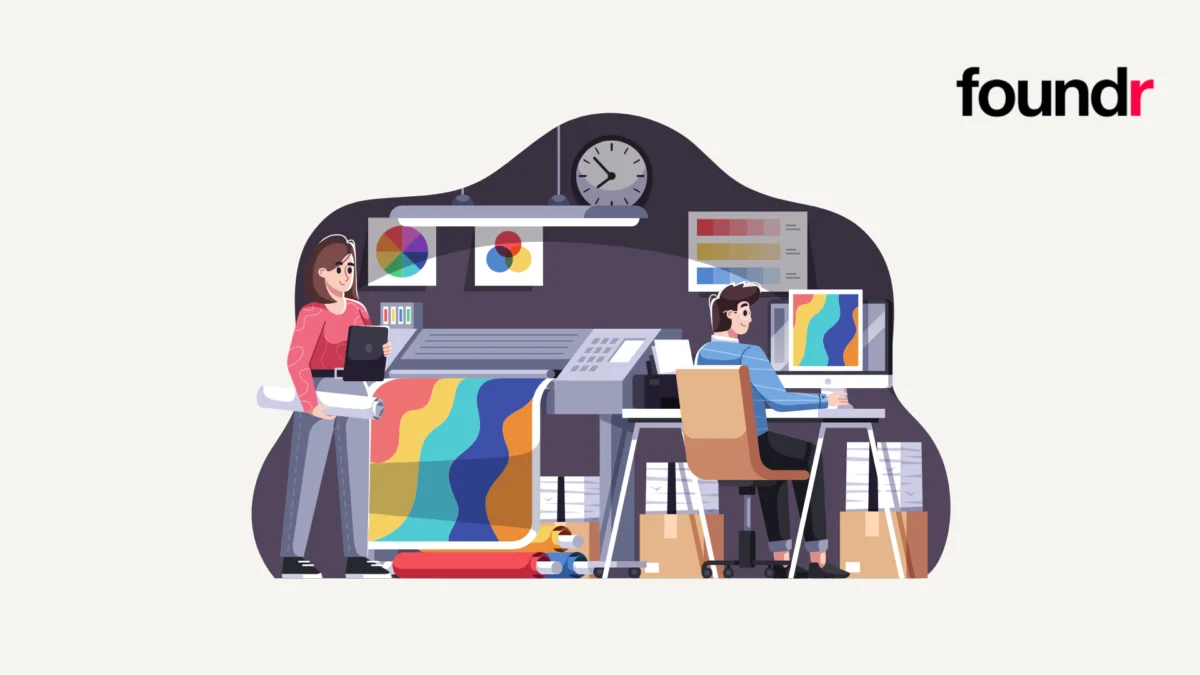
In the fast-paced world of modern e-commerce, the traditional retail model—buy inventory, rent warehouse space, and pray for sales—is rapidly becoming a relic of the past. For the lean startup founder or the creative content creator, the overhead costs and logistical nightmares of holding physical stock are often the biggest barriers to entry.
Enter the "Print-on-Demand" (POD) revolution, and at its vanguard stands Printful. But what exactly is Printful, and is it the golden ticket for your business, or a compromise that could stifle your long-term growth? This definitive guide explores the inner workings of the platform, the strategic implications of its model, and how you can leverage it to turn a digital idea into a global brand.
What is Printful? The Core Fundamentals
At its heart, Printful is a comprehensive print-on-demand fulfillment service. It acts as a silent partner in your business ecosystem, providing the infrastructure to create, print, and ship custom-branded merchandise to customers worldwide.
Unlike traditional manufacturing, where you order 500 units of a t-shirt and hope they sell, Printful operates on a "just-in-time" basis. You create a design, upload it to their platform, and sync it with your online storefront. When a customer clicks "buy" on your website, Printful’s automated systems receive the order, print the item, pack it in your branded packaging, and ship it directly to the customer.
The primary allure is the elimination of the "dead stock" risk. Because the product doesn’t exist until the order is placed, you are never left holding boxes of unsold inventory.
A Brief Chronology of the POD Evolution
To understand the impact of Printful, one must look at how the production landscape has shifted over the last decade:
- Pre-2010s: E-commerce was largely dominated by wholesalers. Entrepreneurs were forced to invest thousands of dollars in bulk orders, leading to high financial risk and physical storage requirements.
- 2013: Printful was founded, emerging as a response to the growing need for a streamlined, automated fulfillment solution for Etsy sellers and early Shopify adopters.
- 2015–2018: The rise of influencer marketing and social media commerce created a massive demand for "merch." Printful scaled its operations, adding advanced embroidery, DTG (Direct-to-Garment) printing, and global fulfillment centers in Europe and North America.
- 2020–Present: The pandemic accelerated the shift to online shopping, forcing Printful to double down on its software integrations and quality control, making it a staple for creators, musicians, and dropshipping entrepreneurs.
Supporting Data: Why Founders Choose the POD Model
The popularity of the Printful model is rooted in cold, hard numbers. According to recent market analysis, the global print-on-demand market is projected to reach double-digit growth annually through 2030.
For the average founder, the data points favoring Printful are compelling:
- Zero Minimums: Traditional screen printing houses often require a minimum order of 50–100 pieces per design. Printful’s "one-off" capability allows for unlimited testing of designs without financial penalty.
- Global Reach: With fulfillment centers strategically located across the U.S., Canada, Europe, and Australia, brands can promise competitive shipping times to a global audience without having to manage international logistics themselves.
- Speed to Market: A new product can be launched in minutes. In an era where "trends" move at the speed of TikTok, the ability to capitalize on a viral moment immediately is a massive competitive advantage.
The Strategic Benefits for Entrepreneurs
1. Seamless Integration
Printful does not exist in a vacuum. Its API-first approach allows it to connect effortlessly with platforms like Shopify, Etsy, WooCommerce, and Amazon. This means that for the end customer, the experience is entirely brand-centric; they visit your site, buy your product, and receive a package that looks like it came directly from your office.

2. The Built-in Design Suite
One of the more underrated features is Printful’s integrated mockup generator. It doesn’t just print; it helps you visualize. The platform offers design recommendations, file checks, and templates that ensure your artwork will translate well to the physical product, reducing the likelihood of "blurry" or "off-center" print mishaps.
3. Quality Assurance and White Labeling
For many, the "white-label" aspect is the most critical. You are not building a "Printful store"; you are building your brand. Printful remains entirely behind the scenes, allowing you to establish your own brand voice, customer service protocols, and aesthetic without the interference of a third-party manufacturer’s branding.
The Trade-offs: What You Must Consider
While the benefits are substantial, a professional analysis of the business model reveals inherent limitations that every founder must weigh.
The Margin Squeeze
This is the single greatest drawback of the POD model. Because you are paying for the convenience of on-demand fulfillment, the per-unit cost is significantly higher than if you were to buy 1,000 units from a wholesaler. This creates a ceiling on your profit margins. As your business grows, you may reach a point where the cost of using a POD service begins to cannibalize the profits you could be making by moving to a bulk-inventory model.
Limited Customization
While printing technology has advanced, you are still restricted to the equipment and materials offered by the platform. If you want custom labels sewn into the collar of a shirt, or if you require a specific, rare fabric, you may find that Printful’s standardized options are too restrictive for your creative vision.
The "Quality Control" Gap
When you outsource production, you outsource quality control. While Printful maintains high standards, mistakes happen. When a customer receives a misprinted shirt, they aren’t blaming Printful; they are blaming you. Managing customer trust in these scenarios requires a proactive customer service strategy, as you are reliant on the third party’s speed to rectify the error.
Official Perspective: Is This a Long-Term Solution?
Many successful brands utilize a "Hybrid Model." They use Printful as a laboratory.
The Strategy:
- Testing Phase (Year 1-2): Use Printful to launch dozens of product variations. Let the data tell you which designs are winners and which are losers.
- Growth Phase (Year 3+): Once you have a "best-seller" with consistent demand, take that specific product and move it to a bulk-ordering model. Buy the inventory, store it (or use a 3PL), and reap the higher margins on those high-velocity items.
- The Hybrid Approach: Keep your evergreen items in bulk for higher margins, while keeping your experimental or seasonal designs on Printful to minimize risk.
This approach acknowledges that Printful is not just a destination, but a powerful tool for de-risking the startup process.
Implications for Your Brand in 2025 and Beyond
As we move deeper into 2025, the barrier to building a professional brand has never been lower, but the competition has never been higher. The implication is that "merch" is no longer enough. Your audience demands quality, sustainability, and speed.
If you are just starting, Printful is the most logical choice. It allows you to invest your limited capital into marketing and customer acquisition rather than stagnant inventory. However, you must treat your Printful store as a serious business. This means investing in custom branding, high-quality photography, and a robust email marketing strategy.
Final Takeaways for the Aspiring Founder:
- Start Small, Scale Fast: Don’t fear the lack of inventory; use it to test the market.
- Prioritize Design: Your profit margin is dictated by your design’s value, not the production cost. Make it worth the price.
- Own the Relationship: Always communicate with your customers directly. If a shipping delay happens, handle it with transparency.
- Plan the Pivot: Always keep an eye on your per-unit costs. If you see a design consistently selling, calculate when it becomes cheaper to move to bulk.
Frequently Asked Questions
Q: Is Printful really free to start?
A: Yes. There are no monthly subscription fees or sign-up costs. You pay only for the base cost of the product and shipping once a customer buys from you.
Q: How do I handle returns?
A: You should establish a clear returns policy on your website. Since Printful produces custom items, they generally do not accept returns for "change of mind" orders. Most successful sellers either offer store credit or handle the return internally to maintain high customer satisfaction.
Q: Can I use my own branding on the packaging?
A: Yes, Printful offers custom branding options, including packing slips and, in some cases, custom labels or stickers, which help ensure the unboxing experience feels like it came from your own warehouse.
Q: What is the biggest mistake new users make?
A: The biggest mistake is failing to order samples. Never list a product for sale without first ordering a sample to check the print quality, fabric weight, and color accuracy. Your brand’s reputation depends on the physical quality of the goods.
Ready to turn your vision into a reality? By mastering tools like Printful and pairing them with a robust digital growth strategy, you can build a brand that resonates with your audience—all without the stress of managing a warehouse. The tools are ready; the question is, are you?
 Dwi Wanna
  Muslim
  Azzam Bilal Chamdy