
 By Azzam Bilal Chamdy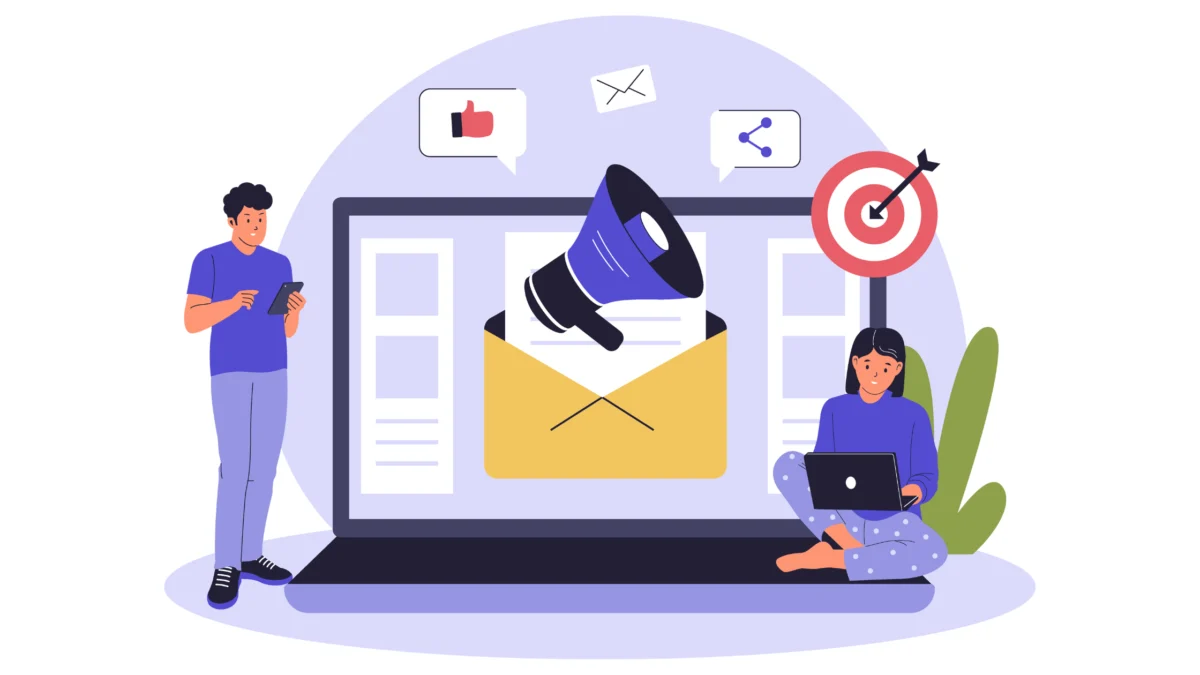
In the high-stakes world of ecommerce, the path to immediate revenue often seems like a shortcut paved with percentage signs. A "20% off" subject line is the siren song of the digital marketer; it triggers a Pavlovian response in the inbox, driving immediate open rates, a flurry of clicks, and a temporary spike in the sales dashboard. However, beneath this veneer of success lies a corrosive reality: by relying on constant discounting, brands are not just selling products—they are teaching their customers to wait for the next price drop.
For many founders, the discount is a crutch. It masks underlying issues with product-market fit or poor brand positioning. But as the cost of customer acquisition (CAC) continues to rise, the "discount-at-all-costs" model is becoming a fast track to financial insolvency. To build a sustainable, profitable ecommerce engine, founders must pivot from transactional discounting to value-based engagement.
The Anatomy of the Discount Trap: Why Quick Wins Cost Long-Term Margins
To understand why discounts are dangerous, one must first look at the psychology of the consumer. Discounts operate on the principle of "reward bias." When a customer sees a limited-time offer, the brain experiences a surge of dopamine associated with the thrill of the "win." They feel they have outsmarted the system by securing a product for less than its perceived market value.
The Psychology of Price Conditioning
The danger arises through a process known as price conditioning. If a brand offers a sitewide sale every month, the customer ceases to perceive the full price as the "real" value. Instead, the discounted price becomes the baseline. When a consumer arrives at your store and sees an item for $100, but they know that a 20% off sale occurs every few weeks, they will simply abandon their cart and wait.
This behavior forces brands into a "race to the bottom." To entice those same customers back, the brand eventually has to offer 30% or 40% off, further eroding margins and signaling to the market that the product lacks intrinsic value. Over time, the brand is stripped of its premium status, becoming a commodity that is only purchased when the price is slashed.
Chronology of an Effective Email Strategy: From Acquisition to Loyalty
The most successful brands treat their email lists as a lifecycle, not a vending machine. Transitioning away from constant discounting requires a structured approach to the customer journey.
1. The Welcome Phase: Setting the Value Proposition
The first interaction is critical. Rather than offering a discount as the immediate "carrot" to capture an email address, high-growth brands use this stage to articulate their mission. By providing value—such as a brand story, a guide, or exclusive access to a community—you establish a relationship that isn’t predicated on a price break.
2. The Consideration Phase: Nurturing with "Give" Content
Once a subscriber is in your ecosystem, the focus should be on education and inspiration. This is the "Give" in the "Give and Take" theory. Send emails that solve a problem, provide styling tips, or share the behind-the-scenes journey of your brand. When the customer sees you as a source of expertise rather than just a salesperson, your brand equity grows.
3. The Conversion Phase: The Strategic "Take"
Only after you have provided consistent value do you make your "Take" move. Because you have established goodwill, when you finally introduce an offer, it is perceived as an invitation to join a launch or a seasonal event, rather than a desperate plea for sales.
Supporting Data: The Cost of Over-Discounting
Industry studies on customer lifetime value (CLV) consistently show that discount-prone customers are significantly less loyal than those acquired through value-based messaging.
- Retention Rates: Brands that prioritize discounts often see a 30–40% higher churn rate compared to those that use value-add offers.
- Profitability Metrics: A 5% increase in price, often made possible by reducing discount frequency, can lead to a 20–25% increase in operating profit for many ecommerce businesses.
- Engagement Decline: Email analytics indicate that brands relying on "flash sales" as their primary subject line tactic see a steady decline in open rates over a 12-month period, as the audience becomes "blind" to the repetitive messaging.
Professional Perspective: The "Give and Take" Philosophy
Leading growth strategists argue that the most effective offers are those that enhance the customer experience without lowering the price. This is where "Perceived Value" takes center stage.
Instead of a 20% discount, consider the following high-value, low-cost alternatives:
- Bundling: Create a curated set that increases the average order value (AOV) while maintaining your margins.
- Early Access: Giving your most loyal subscribers a 24-hour head start on a new collection creates a sense of exclusivity that is often more powerful than a monetary discount.
- Gift-with-Purchase (GWP): Adding a low-cost, high-perceived-value accessory can drive conversion without forcing you to devalue your flagship product.
- Loyalty Tiers: Gamifying the purchase process encourages repeat buys based on status and reward rather than just the lowest price.
Implications for Modern Ecommerce Founders
The shift away from discounting is not merely a marketing tactic; it is a fundamental business decision. Founders who fail to make this transition risk becoming prisoners of their own sales calendars.
When you remove the crutch of the discount, you are forced to focus on the elements that actually matter: product quality, customer service, brand storytelling, and user experience. This is significantly more difficult than simply hitting "send" on a blast discount email, but the long-term payoff is a more resilient, profitable business.
Leveraging Technology for Smarter Segmentation
The complexity of modern email marketing necessitates the use of robust automation tools. The challenge of balancing "Give" and "Take" emails requires sophisticated segmentation. You need to know which customers are price-sensitive, which are brand-loyal, and which are currently in the consideration phase.
Platforms like Omnisend have been designed specifically to solve this for ecommerce founders. Rather than treating your list as a monolithic group, these tools allow you to:
- Automate based on behavior: Send specific "Give" content to users who have browsed but not purchased.
- Personalize the offer: Target only the segments that require a nudge, rather than burning your entire list with a mass discount.
- Analyze the impact: Track the long-term effect of your offers on CLV, ensuring that your marketing efforts are actually building, rather than eroding, your bottom line.
Conclusion: The Path Forward
The goal of your email marketing strategy should not be the next sale; it should be the next customer relationship. By moving away from the addictive cycle of constant discounts, you protect your margins and build a brand that commands respect and loyalty.
Remember the core principle: If you lead with value, your customers will follow. If you lead with discounts, your customers will simply wait for the next price cut. Build your brand with intention, use your offers as tools rather than crutches, and watch your business thrive in the long term.
For founders ready to elevate their email strategy, the tools are available to turn your list into your most profitable asset. Start sending emails that build your brand instead of just emptying your inventory. Click here and use code FOUNDR50 to get 50% off your first 3 months with Omnisend.
 Dwi Wanna
  rifanmuazin
  Asep Darmawan