
 By Jia Lissa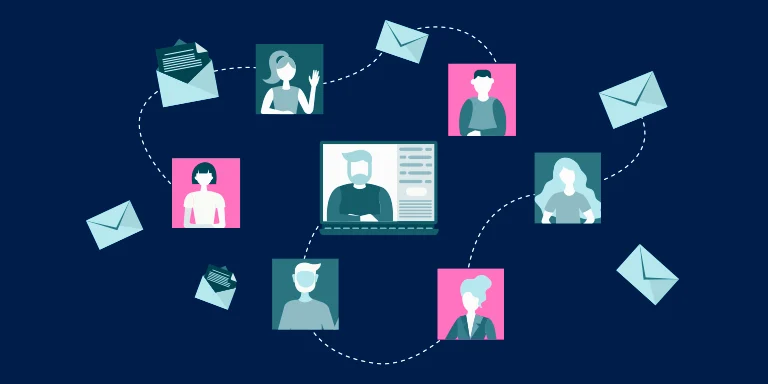
In the modern digital landscape, the inbox has become the most contested real estate in marketing. As consumer patience wanes and the volume of daily digital noise reaches unprecedented levels, the traditional "spray and pray" email strategy—sending one uniform message to an entire database—has transitioned from an inefficient tactic to a genuine liability. For business owners and marketers in 2025, the ability to slice, dice, and tailor communication through audience segmentation is no longer an optional skill; it is the fundamental engine of growth and customer retention.
The Core Facts: Defining the Segmentation Shift
At its most basic level, audience segmentation is the strategic practice of partitioning an email list into distinct subgroups based on shared characteristics. These characteristics can range from demographic data and purchasing history to behavioral triggers and engagement levels.
The philosophy is simple: Send the right message to the right person at the right time.
By moving away from broad, generic broadcasts, brands can transform their email marketing from a transactional nuisance into a value-driven conversation. When a subscriber receives content that aligns precisely with their current buying stage or interests, the psychological barrier to interaction drops significantly. This creates a personalized "concierge" experience in the inbox, where the brand appears to anticipate the user’s needs rather than just soliciting their capital.
A Chronology of Email Evolution
To understand the current urgency of segmentation, one must look at the evolution of email over the last decade.
- 2015–2018: The Era of Batch and Blast. During this period, the primary metric for success was list size. Marketers operated under the assumption that volume was the ultimate driver of revenue.
- 2019–2021: The Rise of Personalization. As machine learning began to influence email service providers (ESPs), companies moved beyond "Hi [Name]" tags. This era introduced basic behavioral targeting, such as simple abandoned cart reminders.
- 2022–2024: The Privacy and Complexity Shift. With the introduction of stricter data privacy laws (such as GDPR and CCPA) and the degradation of third-party tracking, first-party data became the gold standard. Marketers were forced to rely on the data they owned—the very data found in their email lists.
- 2025 and Beyond: The Predictive Era. Today, segmentation is moving toward predictive modeling. AI-driven tools now allow businesses to identify which customers are likely to churn or which are most prone to repeat purchases, allowing for proactive, automated intervention.
Supporting Data: Why the Numbers Don’t Lie
The shift toward segmentation is backed by hard data that suggests generic marketing is actively eroding brand equity. According to the Omnisend 2025 Marketing Report, the performance gap between segmented, automated campaigns and standard newsletters is stark.
While the average industry open rate hovers around 26.6%, automated and segmented workflows consistently see open rates upwards of 40.55%. More importantly, the conversion rates for segmented campaigns often outperform generic blasts by a margin of 3-to-1.
When a brand fails to segment, they risk three major negative outcomes:
- Increased Unsubscribe Rates: Consumers who feel a brand does not "know" them are quick to hit the button that disconnects them permanently.
- Algorithmic Penalization: Major inbox providers like Gmail and Outlook monitor user engagement. If a large portion of your list ignores your emails, your sender reputation drops, and your future emails are more likely to land in the "Promotions" or "Spam" folders.
- Revenue Opportunity Cost: Every generic email sent to a customer who has already purchased a specific item is a missed opportunity to offer an upsell or cross-sell relevant to their new product.
The Five Pillars of Effective Segmentation
For the modern founder, complexity is the enemy of action. Effective segmentation can be achieved by focusing on five high-impact categories that require minimal technical overhead:
1. The New Subscriber Welcome
New subscribers are the most attentive they will ever be. Instead of pushing for a sale, this segment requires a narrative-driven approach. A well-constructed welcome series—sharing the brand story, providing utility, and establishing the brand voice—builds the trust necessary for long-term customer value.
2. The Past Purchaser Lifecycle
The "one-and-done" buyer is a massive source of untapped revenue. By segmenting customers who have already purchased, brands can trigger automated flows that suggest complementary products. For example, if a customer buys a high-end coffee machine, a segmented follow-up should occur at the 30-day mark to offer accessories like specialized filters or bean subscriptions.
3. The Cart Abandoner
This is the "low-hanging fruit" of email marketing. Cart abandoners have expressed clear intent. A targeted, well-timed email—ideally sent within 12 to 24 hours—that reminds them of their specific items, perhaps accompanied by a limited-time incentive like free shipping, can recover significant revenue that would otherwise be lost.
4. The Inactive "Win-Back"
Inactive subscribers represent a stagnant asset. Instead of purging them, a re-engagement campaign can be highly effective. By acknowledging their absence and offering a "we miss you" incentive or highlighting new developments in the brand, businesses can often wake up a dormant list.
5. The VIP Inner Circle
Every business has a cohort of customers who drive the majority of revenue. These individuals deserve a different communication style. Whether it is early access to new product launches, exclusive discounts, or private invitations to community events, treating your VIPs as insiders builds the kind of brand loyalty that is immune to competitor pricing.
Official Perspectives: The Role of Technology
Industry experts and platforms like Omnisend emphasize that the barrier to entry for these strategies has never been lower. In the past, data analysis required a dedicated team of experts. Today, modern ESPs provide the infrastructure to create dynamic, real-time segments that update automatically as customer behavior changes.
The consensus among digital marketing leaders is that the "technical" hurdle is now largely a myth. With the right platform, a founder can set up "flows"—automations that run in the background—that handle segmentation, personalization, and conversion without manual daily intervention.
Implications for Future Growth
The implications of ignoring these trends are profound. As the cost of customer acquisition (CAC) continues to rise across social media platforms, the email list remains one of the few channels where the business owner has total control over the connection to the customer.
Brands that fail to adopt segmentation will find their margins squeezed by the rising costs of paid advertising and the declining efficacy of mass-market emails. Conversely, those who treat their email list as a collection of unique human stories—each at a different point in their journey—will build resilient, profitable, and enduring businesses.
Strategy for Implementation
- Audit your current list: Identify which segments are most valuable to your business model.
- Select the right tool: Ensure your ESP supports behavioral tagging and automated flow architecture.
- Start small: Do not try to implement all five segments at once. Choose one—such as the abandoned cart flow—and master it before expanding.
- Test and refine: Treat every email as a data point. If a subject line fails for the VIP segment, tweak it and measure the difference in the next cycle.
In conclusion, the era of the "mass blast" is over. The future belongs to the founders who prioritize relevance, honor the subscriber’s time, and use data to foster deeper, more profitable relationships. By segmenting your audience, you aren’t just sending better emails; you are building a better business.
 Dwi Wanna
  rifanmuazin
  Asep Darmawan