
 By Nana Muazin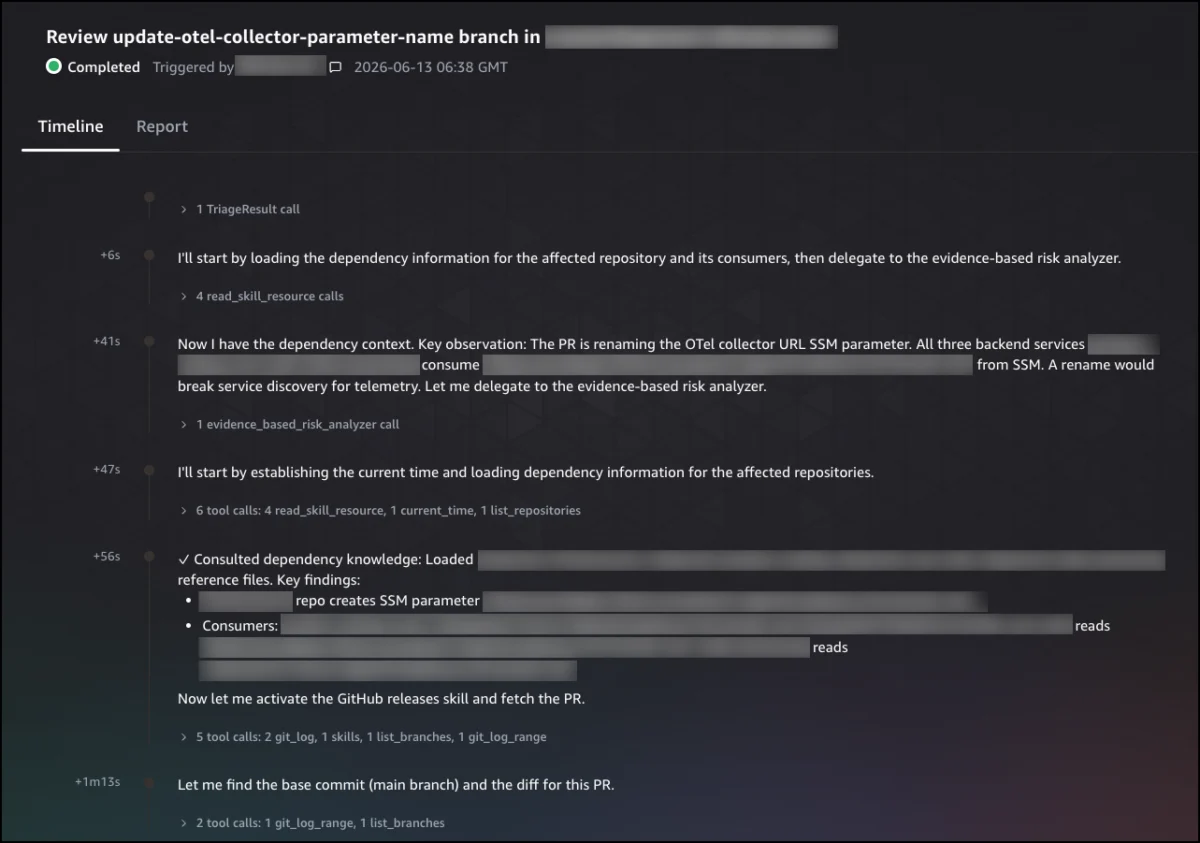
In the rapidly evolving landscape of modern software engineering, the velocity of code production has shifted into a new gear. With the widespread adoption of AI-assisted coding tools, development teams are pushing pull requests through delivery pipelines at unprecedented volumes. However, this surge in productivity has created a significant bottleneck: the human-centric processes of code review and quality assurance. Today, Amazon Web Services (AWS) addressed this industry-wide challenge by announcing a suite of new release management capabilities for the AWS DevOps Agent, now available in preview.
Designed as an "always-available teammate," the AWS DevOps Agent is engineered to provide deep, contextual oversight across AWS, multicloud, and on-premises environments. By expanding its remit from post-deployment incident resolution to the pre-deployment release lifecycle, AWS is signaling a fundamental shift in how organizations manage software quality, security, and operational readiness.
Main Facts: The New Frontier of Autonomous DevOps
The AWS DevOps Agent, which already established its utility by autonomously investigating incidents and performing root cause analysis, has received two critical upgrades: Release Readiness Review and Autonomous Release Testing.
The Release Readiness Review serves as a sophisticated gatekeeper. It evaluates every proposed code change against a set of standards provided by the user—such as internal security policies, architectural best practices, and compliance frameworks—as well as general industry standards. It checks for cross-repository dependency risks, evaluates access control changes against the AWS Well-Architected Framework, and executes lightweight user journey tests in isolated environments to ensure the code is functionally sound.
Complementing this is the Autonomous Release Testing feature. Moving beyond static, predefined test suites, this capability utilizes the agent’s generative intelligence to construct and execute change-specific test plans. For web and API-based applications, the agent analyzes the nature of the code change, reasons about its impact, and crafts a bespoke battery of tests designed to catch functional regressions and integration issues that might otherwise evade traditional testing methodologies.
Chronology: The Evolution of the DevOps Agent
To understand the significance of today’s announcement, one must look at the trajectory of the AWS DevOps Agent’s development:

- Initial Launch (General Availability): The agent was introduced to solve the "operational burden" problem. It focused on the post-deployment phase, tasked with monitoring production environments, investigating anomalies, and providing actionable mitigation steps to prevent recurring outages.
- Expansion Phase: Recognizing that operational stability is often a byproduct of the deployment process, AWS began integrating the agent into the CI/CD lifecycle. This phase focused on identifying how to bridge the gap between "code-as-written" and "code-as-deployed."
- Today (Preview Announcement): With the introduction of Release Readiness Review and Autonomous Release Testing, the agent now provides end-to-end coverage. It effectively monitors the pipeline from the initial pull request in GitHub or GitLab to the final production execution, marking the most significant expansion of the tool to date.
Supporting Data: Why Autonomous Governance is Essential
The primary catalyst for this release is the "AI-generated code explosion." Data from current development cycles suggests that while AI tools like Amazon Q or GitHub Copilot have accelerated the writing phase of the Software Development Life Cycle (SDLC), the subsequent review queues have become stagnant.
Several key metrics underline the necessity of this new capability:
- The "Drift" Factor: As developers push more code, test environments often diverge from production reality, rendering traditional testing suites less effective.
- Reviewer Fatigue: Human reviewers are increasingly under pressure to approve high volumes of code quickly, leading to "rubber-stamping" of pull requests.
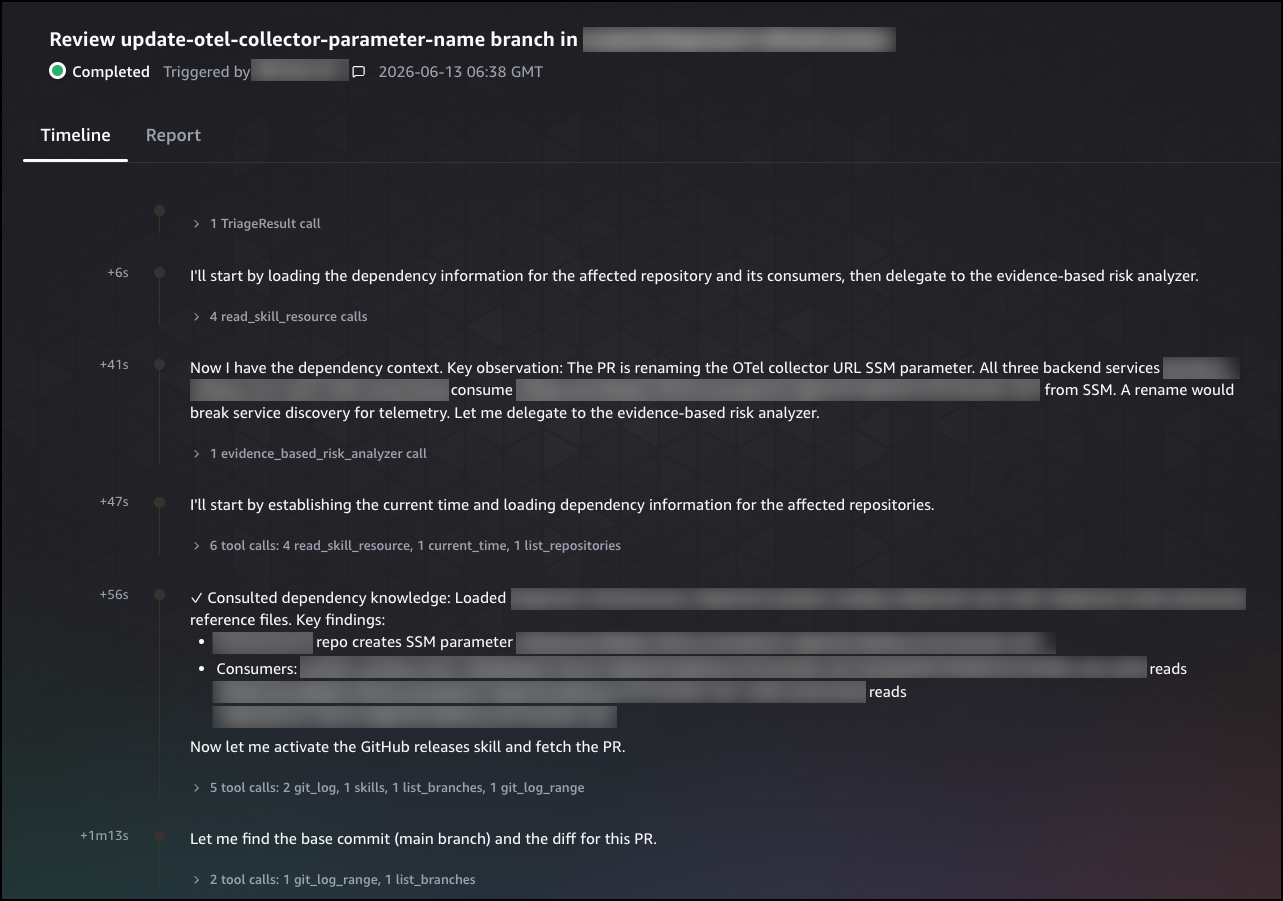
- The Cross-Dependency Problem: In modern microservices architectures, a minor change in one repository can cause cascading failures in downstream services. The AWS DevOps Agent mitigates this by maintaining a "knowledge graph" of dependencies, allowing it to foresee issues that a human developer might miss in a siloed review.
Official Responses and Strategic Implications
AWS describes the new features as a mechanism to help teams "keep pace" with the speed of AI. By offloading the burden of routine compliance checks and functional verification to the agent, senior engineers can focus their time on complex architectural design and high-level strategy.
"The value that coding agents generate sits waiting in review queues instead of reaching end users," the AWS product team noted in a statement. "By enabling the DevOps Agent to perform release readiness reviews, we are transforming the delivery pipeline from a bottleneck into a catalyst for speed."
The integration with IDEs through plugins like the Kiro power or Claude Code plugin is particularly significant. By moving the "readiness" check to the developer’s workstation—before the code is even committed to a repository—AWS is effectively shifting quality control further "left" in the development cycle. This reduces the cycle time required for debugging and re-submission, leading to faster, safer, and more reliable deployments.
The Operational Workflow: How It Works
For organizations looking to implement these new features, the workflow is designed for seamless integration into existing CI/CD environments:
1. Configuration and Knowledge Setup
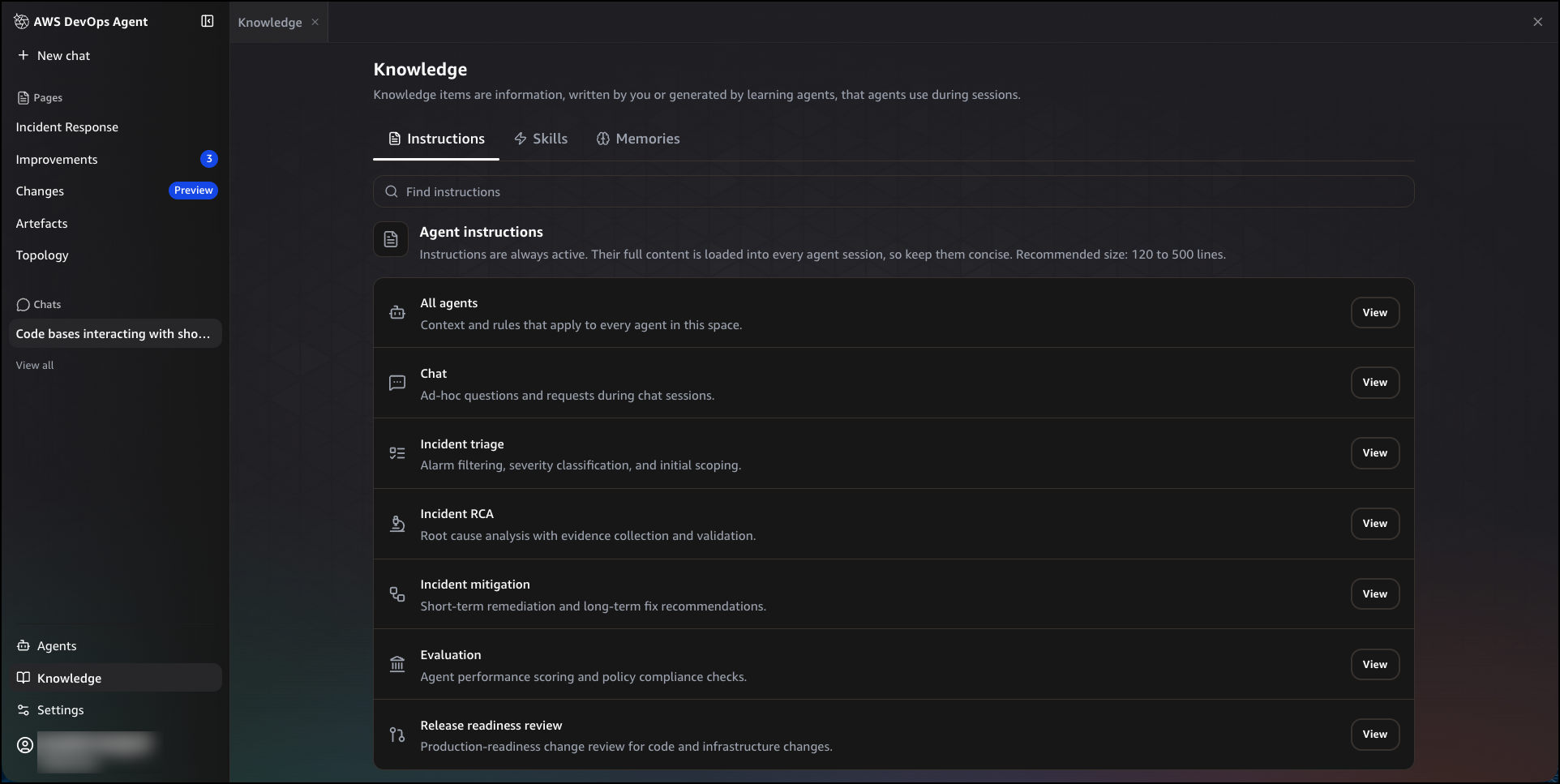
Teams start by connecting their GitHub or GitLab repositories to the Agent Space. The agent then indexes the codebase to map out cloud dependencies. Through the "Instructions" tab in the AWS DevOps Agent console, developers can define their own internal standards—such as encryption requirements, network access rules, or specific observability patterns—using plain, natural language.
2. Triggering the Review
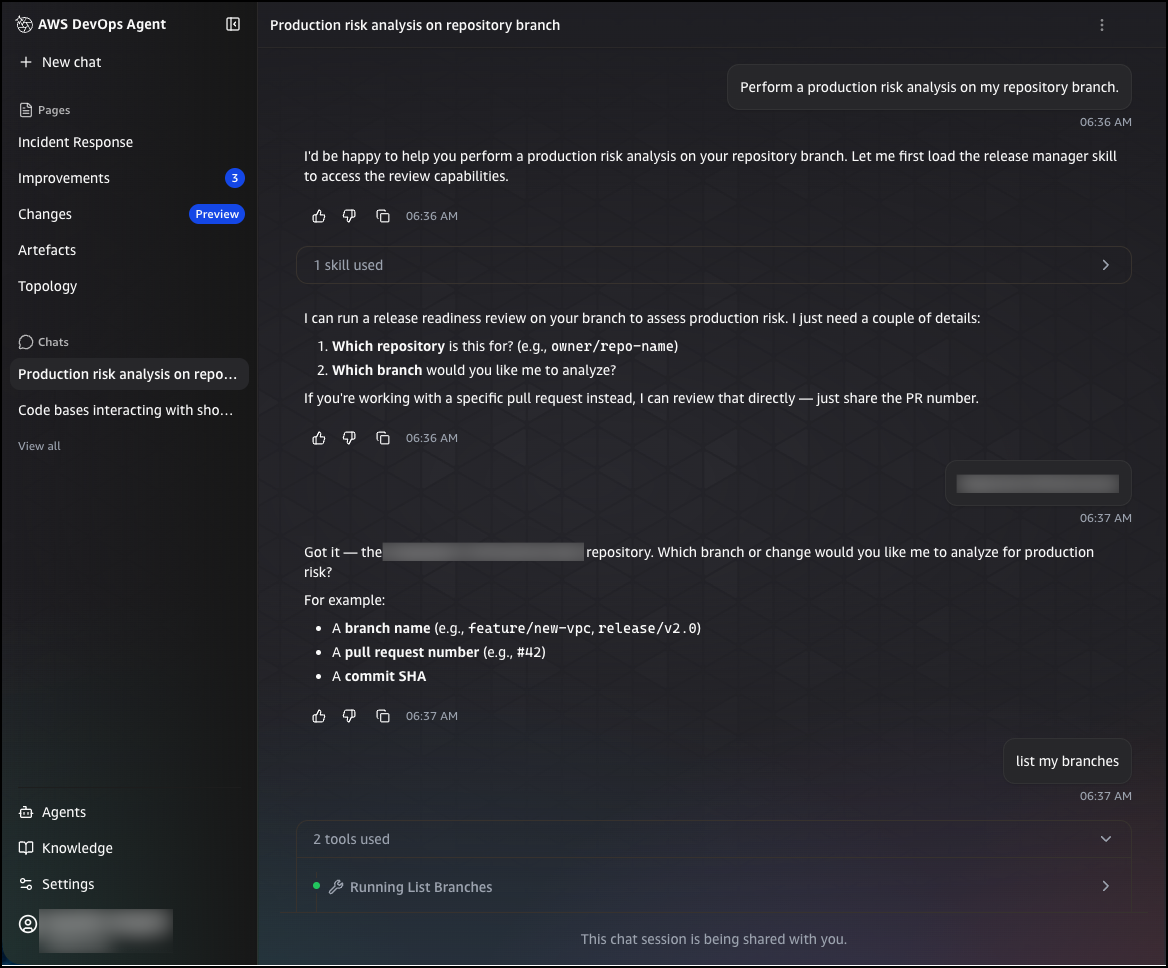
Reviews can be initiated automatically upon a pull request submission or via an on-demand chat request. For instance, a developer can ask the agent: "Perform a production risk analysis on my repository branch." The agent then analyzes the proposed changes against the defined standards and reports its findings.
3. Review and Remediation
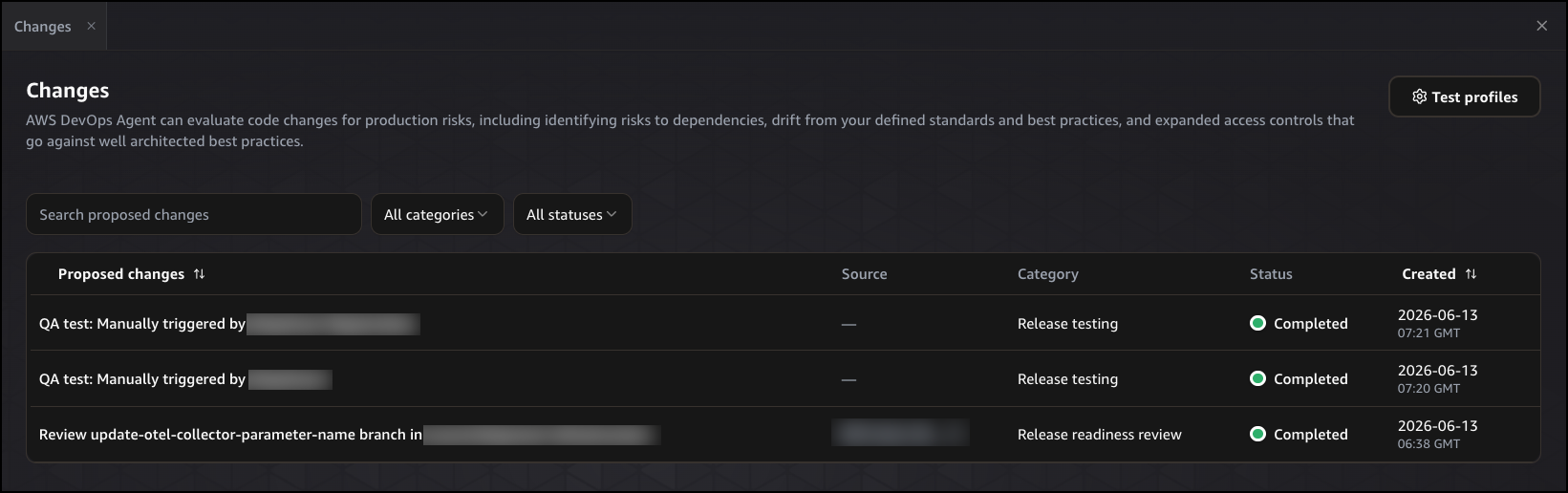
The agent provides a clear, categorized report with a verdict: BLOCK, Proceed with Caution, or Safe to Release. The report includes a detailed breakdown of issues, the specific files involved, and actionable recommendations. The Timeline tab serves as an audit log, allowing teams to review the agent’s reasoning process, providing transparency into why a particular decision was reached.
4. Autonomous Testing
Finally, the agent performs specific, change-tailored tests in a production-like environment. This provides developers with a structured summary of logs, traces, and metrics, ensuring that the code has been validated against real-world scenarios rather than just theoretical test cases.
Implications for the Future of Software Delivery
The introduction of these features marks a pivotal transition from "manual DevOps" to "autonomous operations." As organizations scale, the complexity of managing distributed systems often outpaces human cognitive capacity. By providing an agent that understands both the intent of the code and the state of the production environment, AWS is creating a paradigm where "Safety by Default" becomes a standard operational reality.
The preview is currently available in the US East (N. Virginia) Region at no additional cost, inviting teams to experiment with the balance between high-speed delivery and robust governance. For many, this will be the definitive step in moving from the "AI-assisted coding" era to the "AI-governed release" era.
As the industry continues to integrate AI into every facet of development, tools like the AWS DevOps Agent are no longer just "nice-to-have" add-ons. They are becoming the foundational infrastructure required to manage the massive, complex, and high-velocity systems that power the modern internet. By automating the most tedious and error-prone parts of the release process, AWS is helping engineers return to what they do best: building the future, one reliable release at a time.
 Neng Nana
  Suro Senen
  Lina Hope