
 By Lina Hope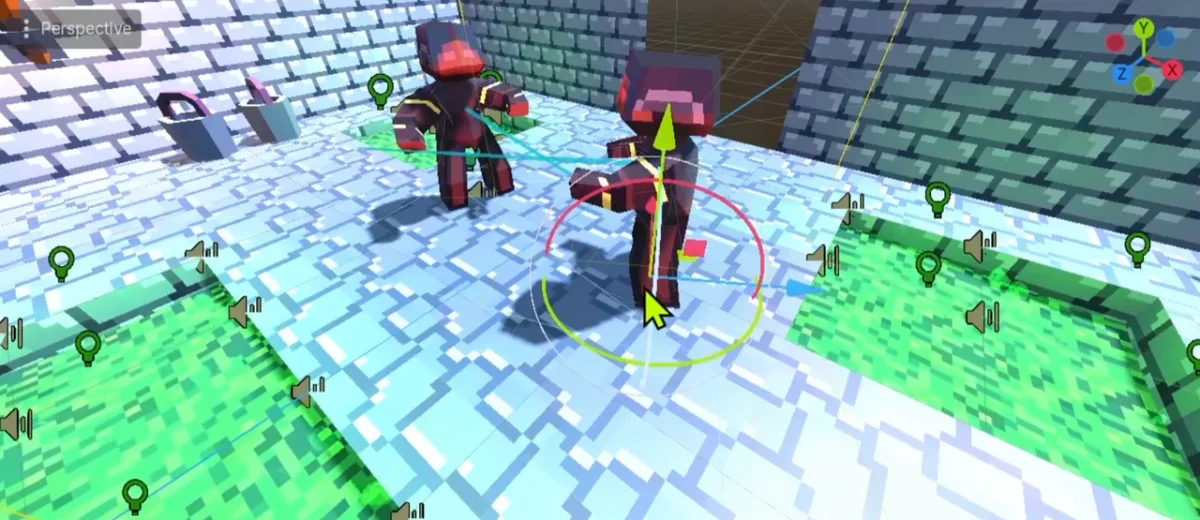
FOR IMMEDIATE RELEASE
LONDON, UK – [Date of Publication] – The Godot Engine, a leading free and open-source platform, continues to solidify its reputation as a preferred choice for independent game developers worldwide. Already lauded for its efficiency and robust capabilities, particularly in 2D game creation, Godot is now making significant strides in the 3D domain. This ascent is underscored by the recent launch of a comprehensive tutorial series by The GameDev Tavern, which promises to guide developers through building an entire 3D dungeon crawler from the ground up. This educational initiative arrives at a pivotal moment, following Godot’s widely discussed policy stance on AI-generated content, which has further endeared the engine to a community prioritizing genuine skill and creative integrity.
Long recognized as one of the premier game development software options available, Godot’s lightweight architecture and powerful features have made it a go-to for crafting intricate 2D platformers, engaging puzzle games, and expansive metroidvanias. However, its often-underestimated 3D capabilities are now being brought to the forefront through practical, project-based learning. The new YouTube tutorial series serves as a critical resource for developers eager to harness Godot’s full potential, especially for those looking to deepen their understanding of game development principles rather than relying on superficial "vibe coding" facilitated by AI. This emphasis on foundational knowledge and hands-on creation perfectly aligns with the engine’s community-driven ethos and its recent, well-received approach to artificial intelligence in development workflows.
Main Facts: A New Horizon for 3D Development in Godot
The Godot Engine, a free and open-source game development platform, has consistently earned high ratings among game developers for its versatility and accessibility. Its commitment to empowering creators, particularly independent developers, was further highlighted by its recent, widely supported stance on AI-generated content, often colloquially referred to as the "Godot AI ban." This policy, which emphasizes understanding and genuine development over uncritical reliance on AI tools, has significantly boosted goodwill within the indie community, resonating with values of creative autonomy and skill development.
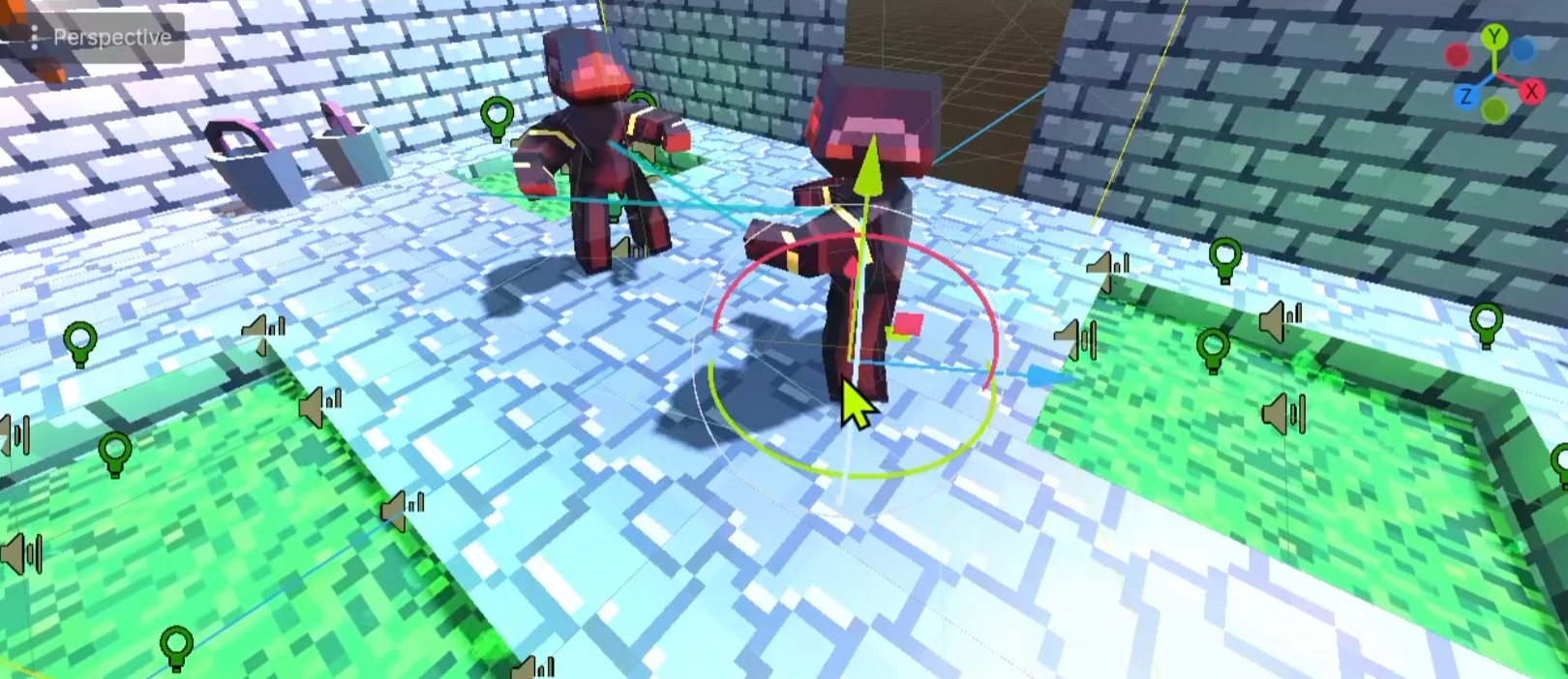
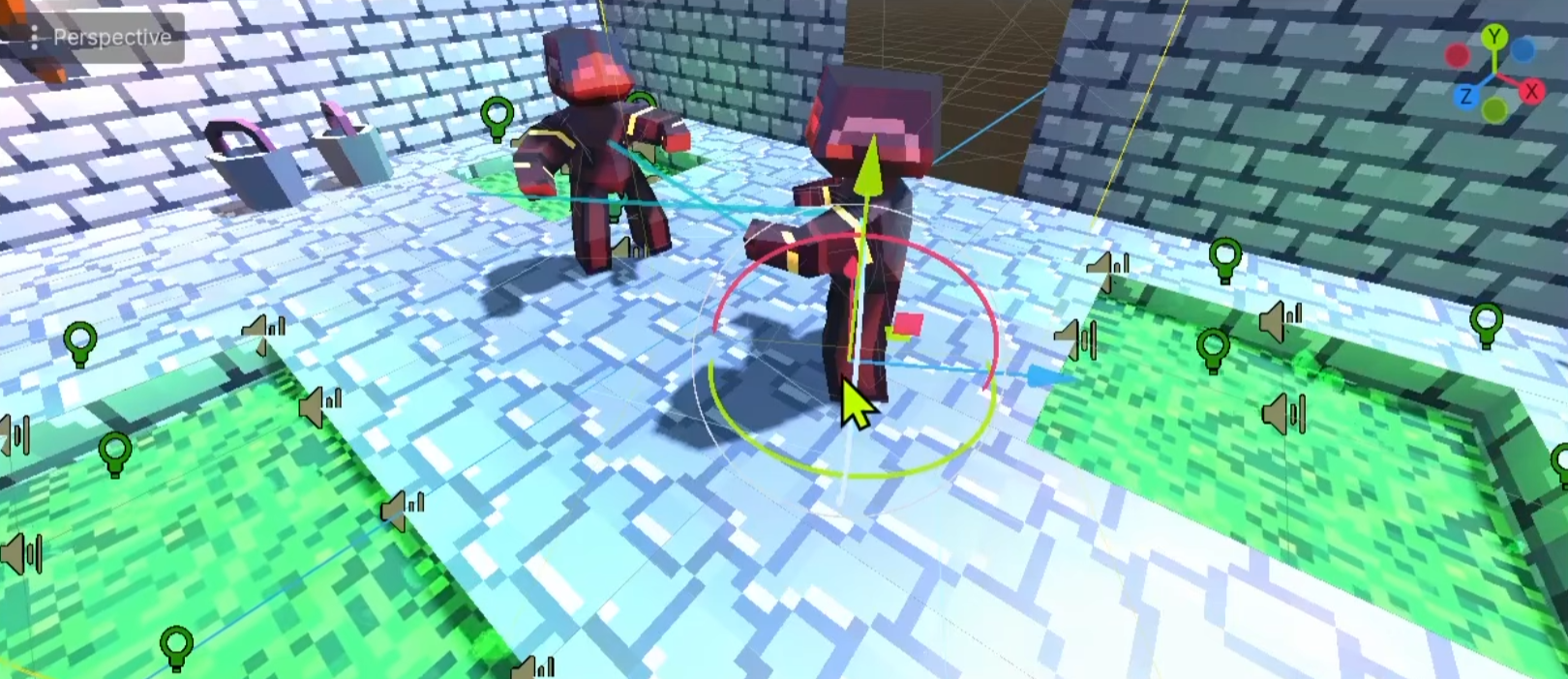
While Godot has historically been celebrated for its prowess in 2D game development, excelling in the creation of platformers, puzzle games, and metroidvanias due to its fast and lightweight nature, its capacity for 3D projects is equally impressive, though perhaps less widely showcased until now. A new, in-depth video tutorial series, spearheaded by The GameDev Tavern, aims to bridge this perception gap by demonstrating Godot Engine’s formidable 3D capabilities. This ambitious course is designed to equip developers with the knowledge and tools needed to construct a complete 3D dungeon crawler, dubbed "Goblins’ Den," entirely from scratch.
The tutorial series is an extensive undertaking, comprising 20 video episodes, each meticulously detailing a specific aspect of the game development process. Over approximately 20 hours of instruction, participants will learn to create all necessary game assets, including detailed 3D models, character rigs, animation sequences, textures, and integrated sound design. Beyond asset creation, the course delves into advanced technical topics crucial for modern 3D game development. These include the implementation of complex shaders for visual effects, sophisticated lighting techniques to establish atmosphere, the design and programming of node-based state machines for character behaviors, the application of composition models for modular game design, realistic ragdoll physics for dynamic interactions, advanced pathfinding algorithms for AI navigation, and comprehensive level design principles.
The GameDev Tavern explicitly targets intermediate to advanced developers, ensuring the content is sufficiently challenging yet practical. A key promise of the series is its commitment to avoiding overly complex mathematics, making advanced topics accessible through practical application rather than abstract theoretical computations. This approach ensures that developers can focus on implementing features and understanding underlying concepts without being bogged down by intricate equations. The first four episodes of this highly anticipated series are already available on YouTube, with subsequent installments scheduled for release on Mondays, Wednesdays, and Fridays at 9:00 AM PST, providing a steady stream of learning opportunities for eager developers. The example game, "Goblins’ Den," is also made available for download via Itch.io, allowing learners to follow along and examine the finished product.
Chronology: The Evolution of Godot and Its Community
The Genesis of Godot and Its Community Ethos
The Godot Engine project began in 2007 as an in-house tool for an Argentine video game company. Recognizing its potential beyond internal use, its creators, Juan Linietsky and Ariel Manzur, decided to release it to the public as open-source software in 2014. This decision marked a significant turning point, establishing Godot not just as another game engine, but as a community-driven project dedicated to democratizing game development. From its inception, Godot was designed with flexibility, extensibility, and ease of use in mind, quickly gaining traction among indie developers for its no-cost entry barrier and permissive MIT license.
Initially, Godot carved out a niche primarily in 2D development, a domain where its node-based architecture and integrated editor provided an intuitive and efficient workflow. Its lightweight footprint and fast iteration times made it ideal for rapid prototyping and crafting visually rich 2D experiences. However, the vision for Godot always extended into the third dimension. Significant milestones, particularly with the release of Godot 3.0 in 2018, which introduced a new physically-based renderer, and more recently Godot 4.0, which brought Vulkan rendering support and a host of 3D improvements, have steadily enhanced its capabilities. These updates have progressively transformed Godot from a strong 2D contender into a robust and increasingly competitive platform for 3D game creation, setting the stage for more ambitious projects and comprehensive educational initiatives like The GameDev Tavern series.
The AI Policy and Community Reception
In the burgeoning landscape of generative AI, Godot Engine took a definitive stance that resonated profoundly with its user base. The "Godot AI ban," as it became popularly known, isn’t a blanket prohibition on all AI tools but rather a strong discouragement of "vibe coding" – the practice of relying on AI to generate significant portions of code or assets without a developer’s genuine understanding or ability to maintain them. This policy, articulated by Godot’s leadership, underscored a commitment to fostering true skill, problem-solving, and creative mastery within its community. The core message was clear: AI should augment, not replace, human creativity and fundamental development knowledge.
The community’s response was overwhelmingly positive. Indie developers, often at the forefront of ethical considerations and the protection of creative labor, largely embraced Godot’s position. This stance was seen as a bulwark against potential de-skilling, the devaluation of artistic work, and the introduction of unmaintainable codebases generated by AI. It reinforced Godot’s image as an engine that champions its developers’ growth and the long-term health of their projects. In an industry grappling with the rapid advancements of AI, Godot positioned itself as a platform that values the human element, making it an even more attractive home for creators who prioritize craftsmanship and ethical development practices.
The Emergence of "Goblins’ Den" Tutorial Series
It is within this context of Godot’s evolving 3D capabilities and its community-centric, skill-first philosophy that The GameDev Tavern’s "Goblins’ Den" tutorial series emerges as a timely and crucial resource. Following the discussions around AI and the emphasis on genuine development, there was a palpable demand for high-quality educational content that teaches fundamental skills and showcases Godot’s advanced features. This tutorial series directly addresses that need by providing a structured, project-based pathway to mastering 3D game development within the engine.
The series’ phased release—with the initial four episodes already live and new ones dropping thrice weekly—ensures a consistent learning pace and keeps the community engaged. By offering a complete walkthrough of building a complex 3D game, from asset creation to advanced programming and physics, The GameDev Tavern is providing a practical demonstration of Godot’s capabilities and, crucially, a roadmap for developers to enhance their own skills. This initiative aligns perfectly with Godot’s mission to empower developers with robust tools and the knowledge to use them effectively, fostering a new generation of skilled 3D game creators.
Supporting Data: Godot’s Ascent in the 3D Realm
Godot’s Technical Prowess in 3D
Godot Engine’s journey into sophisticated 3D development has been marked by continuous innovation, particularly evident in its recent major releases. Godot 4.0, for instance, introduced a new Vulkan-based renderer, a monumental leap that significantly enhances its graphical capabilities. This allows for more complex scenes, improved performance, and advanced visual effects that were previously challenging to achieve within the engine. Developers can now leverage features like global illumination, advanced post-processing effects, and more efficient rendering pipelines, placing Godot firmly in contention with other industry-standard engines.
Beyond rendering, Godot offers a highly capable physics engine that supports realistic interactions, crucial for titles like dungeon crawlers that involve environmental hazards, character movement, and combat. Its scripting language, GDScript, is Python-like and incredibly intuitive, enabling rapid prototyping and development while remaining powerful enough for complex game logic. For performance-critical sections or developers preferring other languages, Godot also supports C# and C++ (via GDNative/GDExtension), providing flexibility for diverse project requirements. The engine’s unique scene-based architecture, where games are built from nested, reusable scenes, promotes modularity and organization, which is particularly beneficial for large 3D projects.
The GameDev Tavern’s tutorial series meticulously leverages these technical advantages. By covering topics such as custom shaders, developers learn to manipulate the look and feel of their game beyond standard materials, creating unique visual styles. Advanced lighting techniques, including dynamic shadows and volumetric effects, are essential for establishing the atmospheric dread often associated with dungeon crawlers. Node-based state machines offer a visual and manageable way to control complex character behaviors and AI, simplifying what could otherwise be intricate coding tasks. The inclusion of ragdoll physics adds a layer of realism to character reactions, while sophisticated pathfinding algorithms are vital for intelligent enemy AI. These elements, when combined, demonstrate Godot’s comprehensive toolkit for building professional-grade 3D games.
The Value of Open-Source Education
In an era where access to information is paramount, the rise of high-quality, free educational content on platforms like YouTube has revolutionized learning across various fields, including game development. The GameDev Tavern’s tutorial series is a prime example of this phenomenon, providing an invaluable resource that would traditionally cost hundreds, if not thousands, of dollars through formal courses. This open-source approach to education democratizes knowledge, allowing aspiring developers from any background or economic status to gain professional-level skills.
Creators like The GameDev Tavern play a crucial role in fostering a vibrant, knowledgeable community. By distilling complex concepts into digestible, step-by-step videos, they empower individuals to not only learn software tools but also understand the underlying principles of game design and development. The project-based learning methodology, where participants build a complete game, is particularly effective. It provides immediate practical application for theoretical knowledge, reinforces learning through repetition, and culminates in a tangible portfolio piece. This hands-on experience is far more valuable than abstract lectures, preparing developers for real-world challenges and accelerating their learning curve.
The Indie Developer Landscape
The independent game development landscape is characterized by innovation, passion, and often, limited resources. Indie developers frequently face challenges such as tight budgets, small teams, and intense competition. In this environment, a free, open-source engine like Godot becomes an indispensable asset. It eliminates the prohibitive licensing costs associated with proprietary engines, allowing developers to allocate their funds to other critical areas like art assets, marketing, or even personal sustenance.
Coupled with free, comprehensive tutorials like "Goblins’ Den," Godot becomes a true game-changer. It lowers the barrier to entry for aspiring creators, enabling individuals or small teams to embark on ambitious 3D projects that might otherwise be out of reach. This accessibility fosters a diverse and vibrant ecosystem of creators, leading to a wider array of unique and experimental games. By providing the tools and the knowledge at no financial cost, Godot and its educational content creators empower indie developers to compete on a more level playing field, fostering innovation and pushing the boundaries of what a small team can achieve.
Official Responses: Godot’s Vision and Community Support
Godot Foundation’s Stance and Community Engagement
While The GameDev Tavern’s tutorial series is an independent initiative, it perfectly encapsulates and extends the Godot Foundation’s overarching vision and commitment to its community. The Foundation, which oversees the development and strategic direction of the engine, has always prioritized open development, transparency, and empowering individual creators. This ethos is reflected not only in the engine’s open-source license but also in its robust documentation, active community forums, and its proactive support for content creators who expand the Godot knowledge base.
The Foundation’s nuanced stance on AI-generated content further highlights its dedication to fostering genuine skill. Rather than a simplistic "ban," Godot’s leadership has emphasized the importance of understanding the code and assets being used, discouraging what they term "vibe coding." This policy is not about stifling innovation but about ensuring sustainable development practices, promoting learning, and maintaining the quality and integrity of projects built with Godot. This official messaging reinforces the engine’s values, attracting developers who are keen on mastering their craft and contributing meaningfully to the game development ecosystem, rather than seeking shortcuts. By taking such a principled stand, Godot strengthens its bond with a community that values deep understanding and creative control, thereby attracting a specific demographic of developers who align with these ideals.
The GameDev Tavern’s Mission
The creation of an extensive, free tutorial series like "Goblins’ Den" by The GameDev Tavern speaks volumes about their mission and contribution to the Godot community. While their explicit motivations are not detailed in the original article, it is evident that their efforts are driven by a desire to showcase Godot’s often-underestimated 3D capabilities and to provide high-quality educational resources. Their commitment to a 20-episode, 20-hour course, covering a wide array of advanced topics, indicates a profound dedication to empowering developers.
This initiative is likely fueled by several factors: a passion for game development and the Godot Engine itself, a recognition of the demand for comprehensive 3D tutorials, and a commitment to contributing to the open-source spirit by sharing knowledge freely. By setting out to build a complex project like a dungeon crawler, The GameDev Tavern demonstrates Godot’s robustness in a practical, engaging manner. Their work serves as a testament to the collaborative and supportive nature of the Godot community, where individual creators step up to fill educational gaps and collectively elevate the platform’s profile. This also indirectly serves as an endorsement of Godot’s philosophy, demonstrating that complex, high-quality games can be built through diligent, human-driven development, aligning with the engine’s stance against uncritical AI reliance.
Implications: Shaping the Future of Game Development
Future of Godot in 3D Development
The GameDev Tavern’s "Goblins’ Den" tutorial series marks a significant turning point for Godot Engine’s perception and adoption in 3D development. By providing a clear, step-by-step pathway to creating a complex 3D game, this series will undoubtedly attract a new wave of developers who might have previously viewed Godot as primarily a 2D engine. As more developers successfully complete such projects and share their creations, Godot’s reputation as a serious and capable contender for 3D titles will grow exponentially.
This increased adoption will likely lead to a virtuous cycle: more developers using Godot for 3D means more contributions to its core development, more community-created plugins and tools, and a richer ecosystem of shared knowledge and assets. We can anticipate an uptick in commercial 3D games developed with Godot, further validating its capabilities and inspiring even more ambitious projects. The long-term implication is that Godot could evolve into a dominant force in the indie 3D space, challenging the established giants with its open-source model and community-centric approach.
Impact on Indie Game Development
For independent game developers, this tutorial series, coupled with Godot’s free and open-source nature, represents an unprecedented opportunity. It significantly lowers the technical and financial barriers to entry for creating ambitious 3D titles. Indie teams or solo developers with limited budgets can now access professional-grade tools and comprehensive instruction without incurring substantial costs. This empowerment can lead to greater innovation and diversity within the indie game market.
No longer constrained by steep learning curves or expensive licenses for 3D development, indie creators can channel their resources and creativity into unique game concepts, art styles, and narratives. This could foster a golden age of independent 3D games, offering fresh perspectives and challenging mainstream conventions. The "Goblins’ Den" series provides a blueprint, not just for one game, but for developing the skills to create any number of original 3D experiences, giving indie developers a powerful competitive edge.
The Broader Landscape of Game Development Education
The "Goblins’ Den" series also contributes to a broader trend in game development education: the shift towards accessible, high-quality, and free learning resources. In an industry that demands continuous learning and adaptation, such initiatives are vital. They complement traditional educational institutions by providing practical, project-based learning that is often more current and responsive to industry trends. This democratized access to education ensures that talent can emerge from all corners of the globe, regardless of socioeconomic status or geographical location.
The long-term benefits of an educated and skilled developer base are immense for the entire industry. It fosters a more competitive environment, encourages innovation, and ensures a steady supply of new talent. As more individuals gain proficiency in engines like Godot through such tutorials, the overall quality and creativity of games, both indie and potentially even commercial, will likely improve.
Ethical Considerations and Creative Autonomy
Finally, the context of Godot’s AI policy adds a profound ethical dimension to this tutorial series. By offering an intensive course on building a 3D game from fundamental principles, The GameDev Tavern reinforces Godot’s philosophy of mastery over quick, AI-assisted solutions. It champions the value of human-driven creativity, problem-solving, and the deep satisfaction of understanding and building something from the ground up.
In an era where the lines between human and AI-generated content are increasingly blurred, this tutorial stands as a beacon for creative autonomy. It encourages developers to hone their craft, develop a thorough understanding of their tools, and create projects with a genuine sense of ownership and skill. This commitment to ethical development and individual mastery is not just a policy but a cultural tenet within the Godot community, one that tutorials like "Goblins’ Den" actively promote and solidify. The series is not just about learning Godot; it’s about embracing a philosophy of craftsmanship in game development.
 Evan Lee Salim
  Nana
Nana  Ammar Sabilarrohman