
 By Ali Ikhwan
If you are currently in the process of mapping out an ecommerce venture, your mind likely gravitates toward the "big two" storefront builders. You are thinking about product listings, inventory management, and checkout flows. In that initial flurry of building, HubSpot CRM rarely cracks the top three considerations. However, as the digital landscape matures, many business leaders are discovering that HubSpot isn’t just a secondary tool—it is often the missing piece of the architecture that separates stagnant stores from high-growth brands.
HubSpot has evolved far beyond its reputation as a B2B marketing platform. Today, it stands as a sophisticated operating system for the entire customer journey. While most brands eventually encounter HubSpot during a board-level discussion about why their current tech stack is "leaking" data, the most successful companies are integrating it from day one.
The Architectural Shift: Moving from "Storefront" to "Customer-Centric"
Most online retailers operate on a fragmented technology stack. You have a platform for the storefront, an app for email marketing, a different tool for customer support, and perhaps a separate analytics suite to try and make sense of the noise. This "Frankenstein" approach leads to a fundamental disconnect: the storefront knows what was bought, but the CRM doesn’t know why the customer hesitated.
HubSpot changes this dynamic by acting as the central nervous system of your business. It bridges the gap between the moment a user lands on your site and the moment they become a repeat, loyal advocate. By tracking behavior—such as specific product views, abandoned carts, and support interactions—HubSpot creates a 360-degree timeline of the buyer’s journey. This is a level of visibility that is genuinely rare in traditional ecommerce software, which often treats each transaction as an isolated event rather than a relationship.
Supporting Data: The Impact of Unified Systems
The efficiency of this integration is best exemplified by case studies like that of watchmaker CODE41. By leveraging HubSpot’s integrated suite, the brand reported a 257% increase in sales, a 223% boost in revenue, and a 279% surge in lead generation. These figures are not the result of a "magic button" but the direct outcome of eliminating silos. When marketing, sales, and commerce data live in the same container, the ability to trigger personalized, automated responses to user behavior becomes a reality rather than an aspirational goal.
The Mechanics of Growth: Why HubSpot Wins
The power of the HubSpot ecosystem lies in its "hidden layer." It appears simple upon initial deployment, but it offers deep, sophisticated functionality as your store scales.
1. Centralized Customer Intelligence
In a typical ecommerce setup, information is scattered. A click on a social media ad lives in one dashboard; an email open resides in another. HubSpot stitches these disparate events into a single, chronological timeline. When a customer views a product, abandons their cart, returns three days later via an email link, and then initiates a chat, your team sees the full context. This allows support agents and sales representatives to engage with customers as individuals, not as anonymous order numbers.
2. Automation That Respects the Human Element
Many businesses fear automation because they believe it will feel "robotic." HubSpot flips this script. Because the CRM tracks so much behavioral data, the automation is built for "real-world" scenarios. You can create workflows that link a specific cart abandonment event to a personalized email, followed by a task for a human representative to intervene if the order value is above a certain threshold. It is this hybrid approach—automated triggers combined with human touch—that drives conversions.
3. Closing the Gap with Payments and Quotes
For B2B ecommerce or high-touch retail, the "send a PDF and pray" method of quoting is obsolete. With HubSpot Payments, the quoting process becomes a seamless part of the CRM. A buyer can click "buy" directly from a quote, which then triggers an automatic subscription setup, updates the sales pipeline, assigns an onboarding task to your team, and drops the customer into a personalized welcome sequence.
Chronology: How to Build Your Ecommerce Foundation
If you are ready to pivot toward a more integrated strategy, the implementation process follows a logical, phased progression.
Phase 1: The CRM Brain (Days 1–7)
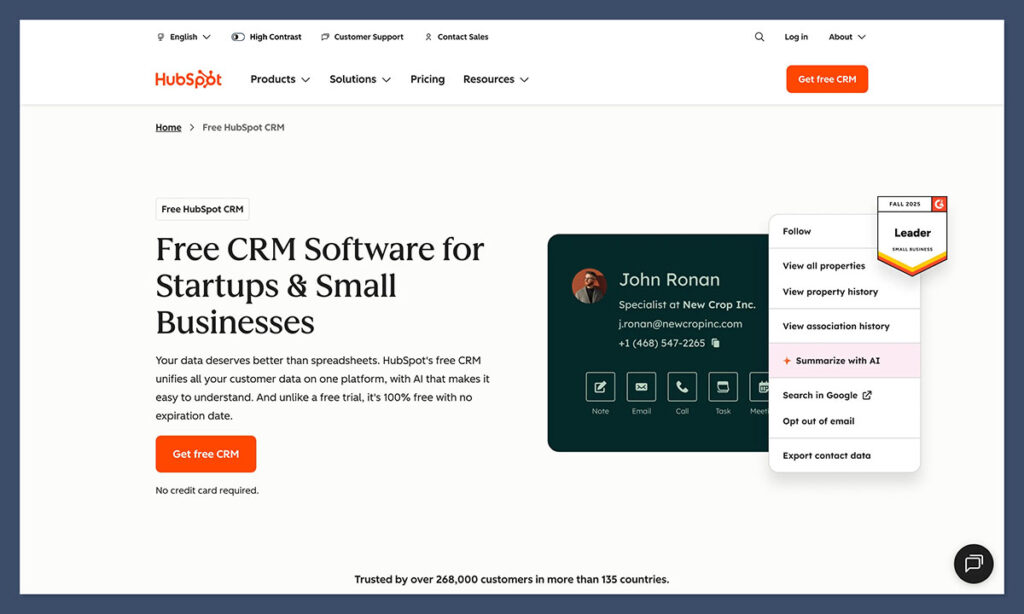
Everything starts with the HubSpot CRM. Even the free version provides the fundamental structure: contacts, lists, and basic site activity tracking. Setting this up first ensures that every piece of technology added thereafter has a "home" for its data.
Phase 2: Defining the Commerce Approach (Days 8–14)
You must choose your path. For smaller, curated, or subscription-based catalogs, HubSpot’s native commerce tools are often sufficient. For high-volume, massive-catalog retailers, the strategy shifts to using HubSpot as the "Customer Engine" while using Shopify or BigCommerce as the "Storefront Engine."
Phase 3: The Integration and Pipeline Alignment (Days 15–30)
This is where the magic happens. You map your storefront actions to your CRM pipelines. For example, creating a "Thinking About Churning" stage in your pipeline that triggers an automatic outreach email when a user visits a cancellation page twice in a week.
Phase 4: Scaling Inbound Marketing (Ongoing)
Once the systems are talking to each other, you stop guessing which content works. You can definitively see that customers who read a specific "How-to" blog post are 40% more likely to purchase a specific product. You then optimize your marketing spend based on these confirmed patterns.
Implications for the Future of Ecommerce
The traditional view of an "ecommerce platform" is fading. Today, the most successful brands are those that prioritize the customer over the transaction.
AI as a Force Multiplier
One of the most common critiques of AI in commerce is that it feels impersonal. HubSpot’s approach to AI is different; it focuses on clearing the "noise." By using AI to draft meta-descriptions, suggest email variants, or build basic workflows, teams can stop spending time on administrative grunt work and focus on the strategic decisions that drive revenue. It doesn’t replace the marketer; it elevates them to the role of a strategist.
Scalability and the "Five-Person" Effect
Perhaps the most profound implication of adopting a CRM-first approach is the scalability of your workforce. A one-person shop using HubSpot can effectively handle the volume and customer interaction of a five-person team because the automation handles the repetitive tasks. When the business grows to five people, the structure is already in place to handle the complexity of fifteen, preventing the "growing pains" that usually lead to lost leads and poor customer experiences.
Addressing the Skeptics: FAQs
How does HubSpot compare to Shopify?
Shopify is the gold standard for storefront infrastructure—managing inventory, shipping logistics, and payments. HubSpot is the gold standard for the customer journey. They are not mutually exclusive; they are complementary. Using them together provides the best of both worlds.
Is it too expensive for a small shop?
The barrier to entry is lower than ever. Many small businesses start with the free tiers of HubSpot’s CRM and CMS tools. The investment only scales as you grow, and because the platform is designed to increase conversion rates, the ROI on the paid features is often realized much faster than with siloed tools.
Does it handle subscriptions?
Yes. Commerce Hub allows for sophisticated subscription management, including recurring billing, renewal tracking, and workflows that are tied directly to billing events. This turns a historically difficult administrative task into a set-it-and-forget-it process.
Conclusion
HubSpot may not be the first name that comes to mind when you think of a "shopping cart," but that is precisely why it is a competitive advantage. While your competitors are busy focusing solely on the mechanics of their storefront, you can be focusing on the human beings browsing your site. By understanding what your customers click, what they ignore, and what finally nudges them toward a purchase, you move from simply selling products to guiding customers through a journey.
For the modern ecommerce brand, that context is not just an advantage—it is the only way to thrive in an increasingly crowded digital marketplace. If you are curious, the best path forward is to start small: build a free account, integrate your current store, and watch how quickly the data starts to reveal the path to your next major revenue milestone.
 Dwi Wanna
  Lina Irawan
  Basiran