
 By Ali Ikhwan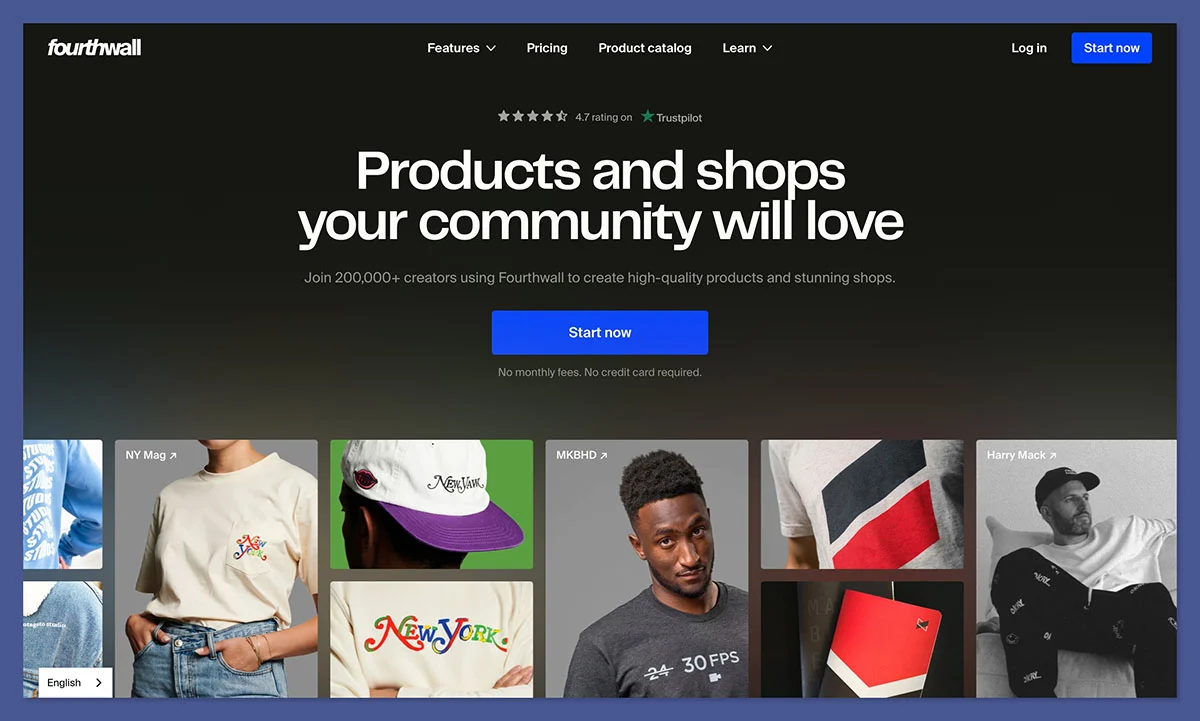
In the modern fashion landscape, the barrier to entry for streetwear has shifted from massive capital investment to the mastery of digital infrastructure. After conducting over 80 hours of rigorous testing across 15 print-on-demand (POD) providers, it is clear that the market has bifurcated. There are platforms for hobbyists, and there are platforms for builders.
For the modern streetwear founder, a successful launch no longer relies solely on design. It requires a “branding stack”—woven labels, heavy-GSM blanks, and integrated omnichannel logistics. This report ranks the top nine platforms that provide the operational reliability necessary to scale a brand without the traditional headaches of warehousing and inventory management.
The Evolution of Streetwear Logistics: A Chronology
The POD landscape has matured significantly since the mid-2010s. In 2016, the industry was defined by basic Gildan tees and simple Shopify integrations. By 2020, the rise of TikTok and YouTube creators forced a shift toward “Merchant of Record” models, where platforms began handling taxes and customer support as a native service.
As we enter 2026, the industry has reached a tipping point. Streetwear brands are now prioritizing "retail-ready" garments, necessitating 240+ GSM (grams per square meter) tees and 380+ GSM hoodies. The shift is clear: consumers now demand a tangible "heft" to their clothing, and POD providers that fail to stock premium blanks like AS Colour or Stanley/Stella are rapidly losing market share to those that prioritize quality over volume.
Supporting Data: The Metrics of Quality
To evaluate these platforms, we focused on three non-negotiable pillars for streetwear: Fabric Weight (GSM), Branding Customization, and Operational Friction.
The Heavyweight Benchmark
For a brand to be perceived as premium, it must meet specific technical standards.
- Tees: 220–300 GSM is the gold standard for the "boxy" silhouette.
- Hoodies: 380–420+ GSM is required to distinguish your product from entry-level merchandise.
Our tests revealed that while providers like Printify offer the lowest base pricing, their quality is highly variable depending on the specific supplier. Conversely, platforms like Tapstitch and Apliiq provide consistent access to heavyweight blanks, which directly correlates to a $10–$20 increase in potential retail price points.
Detailed Platform Analysis
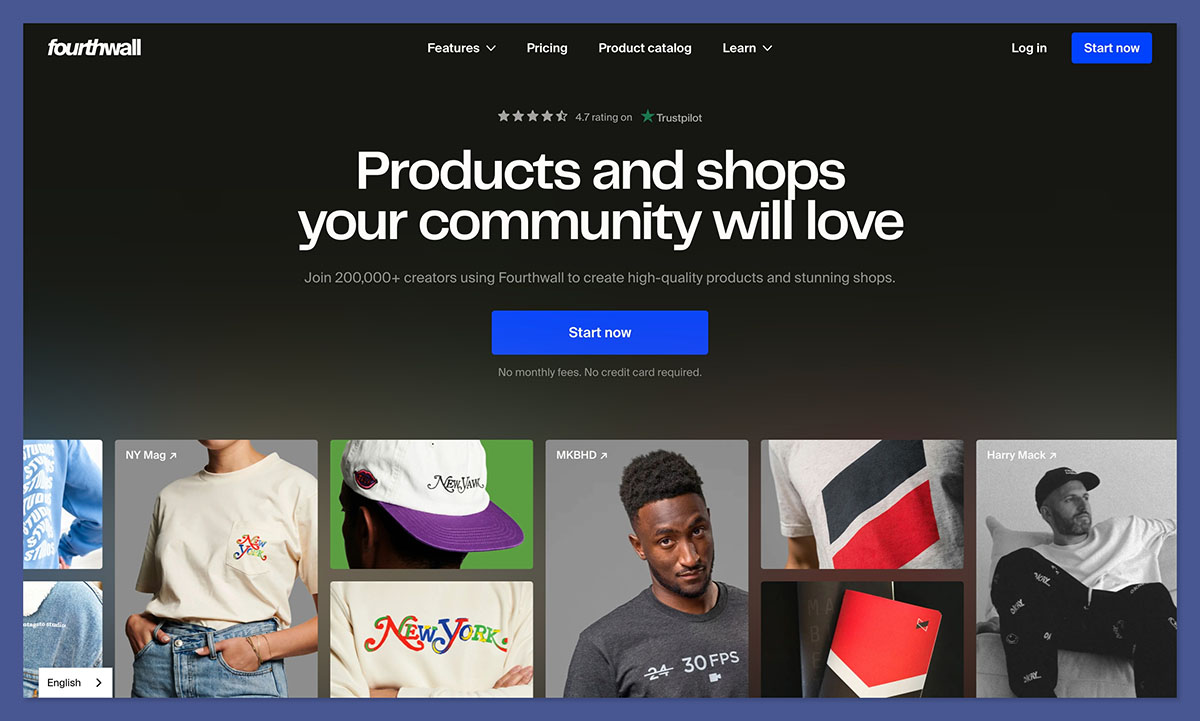
1. Fourthwall: The Creator-First Powerhouse
Fourthwall is currently the only platform built for the “creator economy” rather than just the “ecommerce operator.” By acting as the Merchant of Record, they handle US sales tax and international VAT/GST, and even manage customer support.
- Best For: Creators building a brand on TikTok, YouTube, or Twitch.
- Implications: By offloading the tax and support burden, founders can focus entirely on design and community building. Their integration with TikTok Shop and YouTube Merch Shelf makes them the most frictionless entry point for modern brands.
2. Apliiq: The Private Label Specialist
Apliiq remains the industry leader for true private labeling. They are one of the few platforms capable of sewing custom woven labels into the neck, a crucial detail for brands aiming to compete with established high-street labels.
- The Branding Stack: Beyond labels, they offer 3D puff embroidery, chain stitching, and custom packaging.
- Strategic Trade-off: While they offer the highest level of customization, their branding orders require a longer lead time (7–10 days).
3. Tapstitch: The Heavyweight Disruptor
Tapstitch is the "missing link" for many streetwear brands. With a focus on 250 GSM tees and 380 GSM hoodies, they cater specifically to the oversized, relaxed-fit aesthetic that dominates current streetwear trends.
- Production: Utilizing advanced DTG and DTF techniques, they have managed to achieve a high-fashion look at a competitive price point ($10.95 base for heavy tees).
4. Printful: The Reliable Multichannel Giant
Printful is the "boring, but effective" choice. With 22+ marketplace integrations, it is the safest bet for founders who intend to sell on Amazon, eBay, and Shopify simultaneously. Their order accuracy rate (99.5%) is the highest in the industry, making them the standard for scalable operations.
5. Printify: The Marketplace Network
Printify operates as a broker for 80+ suppliers. This allows for unparalleled pricing, but it introduces quality control risks.
- Strategy: This platform is for the savvy operator who is willing to order samples from specific suppliers within the network to ensure the print quality meets their standards before pushing to production.
6. NovaTomato: AOP and Sustainable Fashion
For brands focused on All-Over-Print (AOP) designs, NovaTomato is the premier choice. Because they specialize in polyester-based sublimation, they can achieve edge-to-edge printing that standard cotton-focused providers cannot replicate.
7. Contrado: Luxury Streetwear
Contrado is for the high-end tier. With base costs for hoodies reaching $110, this is not for the beginner. However, for a brand targeting the $200+ retail price point, their 1–3 day production time and premium satin labels provide the "luxury" experience that justifies the cost.
8. Gelato: International Logistics
Gelato’s strength lies in its global reach. By routing orders to the nearest printer in its network of 30+ countries, they drastically reduce shipping times and the carbon footprint, making them ideal for brands with an international customer base.
9. Shirtee: The EU Specialist
For European founders, Shirtee is the answer to the US-centric nature of the industry. They offer a comprehensive suite of labeling options and a built-in returns management system that is rarely found elsewhere.
Official Perspectives and Industry Insights
According to recent industry discourse, the "POD trap" is the tendency to prioritize quantity over quality. Founders who rely on basic Gildan 5000 blanks often find that their return rates are higher and their brand loyalty is lower.
In a statement regarding their design process, leading POD innovators have emphasized: "The garment is the canvas. If the canvas is thin or poorly constructed, the art loses its value." This sentiment is echoed by successful founders who have moved away from entry-level blanks to 240+ GSM fabrics to capture a higher market segment.
Implications for Future Founders
The "bottom line" for any new streetwear brand is clear: your platform choice dictates your business model.
- If you are a content creator: Use Fourthwall. The operational support allows you to treat your brand as an extension of your content, not a logistics company.
- If you want to build a traditional clothing label: Use Apliiq. The ability to use woven labels and private branding is non-negotiable for retail-quality products.
- If you are obsessed with the "boxy" aesthetic: Use Tapstitch. Their focus on heavy, high-GSM fabrics is currently unmatched in the POD space.
Final Verdict Table (Summary)
| Platform | Best For | Key Advantage |
|---|---|---|
| Fourthwall | Creators | Merchant of Record / Full Tax Support |
| Apliiq | Branding | Woven labels / True Private Label |
| Tapstitch | Heavyweight | 250 GSM Blanks |
| Printful | Scale | 22+ Integrations |
| Printify | Cost | Lowest base price for high volume |
Frequently Asked Questions
- What is the profit margin for a $75 hoodie? A well-optimized streetwear brand using Apliiq or Tapstitch can expect a 50–55% gross margin.
- Can I print AOP on heavy cotton? No. AOP requires polyester. For heavy cotton, stick to DTG or screen printing.
- Is embroidery standard? No. Always verify if your chosen platform offers embroidery before launching, as platforms like Tapstitch currently do not support it.
In conclusion, the tools are available to build a high-end, legitimate brand through POD services. The difference between success and failure in 2026 will come down to which founder takes the time to sample the blanks, invest in the branding stack, and select the platform that matches their specific growth goals.
 Dwi Wanna
  Lina Irawan
  Basiran