
 By Lina Hope
In the rapidly evolving landscape of 2026 digital business, founders and operations managers are often plagued by a fundamental misconception: the belief that they must choose between a robust commerce platform and a high-functioning project management suite. For years, the industry has pitted these tools against one another in a "versus" narrative. However, after an exhaustive, month-long sprint analyzing the feature sets, pricing models, and operational utility of Shopify and Basecamp, the conclusion is clear: Shopify runs your store, while Basecamp runs your team.
They do not solve the same problem. Treating them as competitors is a strategic error that leads to tool sprawl and operational friction. Instead, the most successful modern ecommerce brands treat them as the two pillars of their digital infrastructure.
The Core Mandate: Defining the Roles
Shopify: The Commerce Engine
Shopify is the definitive "system of record" for commerce. Its primary objective is the facilitation of transactions. From inventory management and product cataloging to global payment processing and multi-channel distribution (Instagram, TikTok, Amazon, and physical retail via POS), Shopify is engineered to handle the complexities of selling. It is the storefront that never sleeps.
Basecamp: The Operational Layer
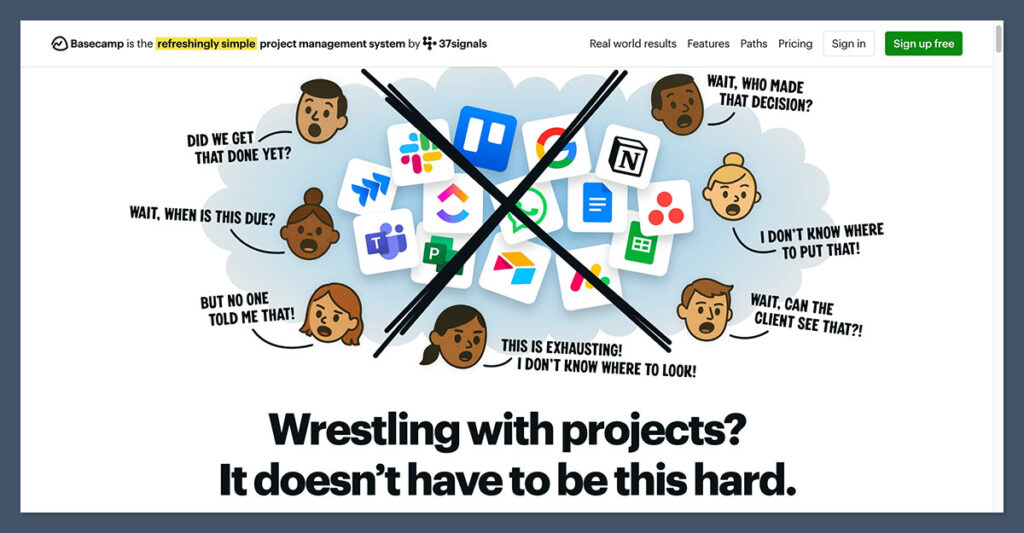
Basecamp is the "system of record" for human coordination. It is an opinionated project management and communication tool designed to eliminate the chaos of email threads, fragmented Slack channels, and lost documentation. Its goal is not to sell products, but to ensure that the people selling those products are aligned, informed, and productive.
Chronology of a Modern Launch: How They Work Together
To understand the synergy, we must look at how a high-growth brand launches a new product line in 2026.

- Phase 1: Planning (Basecamp). The product team meets in a Basecamp "Project." They use the Message Board to outline the vision, upload design assets to "Docs & Files," and set a firm launch date in the "Schedule."
- Phase 2: Execution (Shopify). The commerce manager uses the Shopify admin to upload product variants, write descriptions using Shopify Magic (AI-driven copywriting), and configure pricing and tax settings.
- Phase 3: Coordination (Basecamp/Shopify Integration). Using middleware like Zapier, the store is prepped. If an inventory threshold is hit or a specific order status is triggered, an automated alert is sent to a Basecamp "Campfire" chat, notifying the fulfillment team to prepare for the launch surge.
- Phase 4: The Sale (Shopify). The store goes live. Shopify handles the 100+ payment gateways, currency conversions, and checkout security.
- Phase 5: Post-Mortem (Basecamp). Once the launch is complete, the team uses Basecamp’s "Automatic Check-ins" to gather feedback on what went right and what went wrong, creating a permanent knowledge base for the next product cycle.
Supporting Data: Comparative Metrics
| Dimension | Shopify | Basecamp |
|---|---|---|
| Primary Focus | Conversion and Revenue | Coordination and Culture |
| Pricing Structure | Tiered SaaS + Transaction Fees | Flat Monthly Fee (Unlimited Users) |
| Target Audience | Retailers, Founders, Ecommerce Leads | Agency Owners, Ops Managers, Remote Teams |
| Ease of Onboarding | Steep (due to vast feature set) | Rapid (minimalist design) |
| Extensibility | 8,000+ App Ecosystem | API-focused; "Keep it simple" |
Economic Implications: Pricing Strategies
The pricing philosophies of these two companies represent a fascinating study in modern SaaS economics.
Shopify uses a scale-sensitive model. As your revenue grows, your plan requirements may change, and your dependence on third-party apps—for loyalty, subscriptions, or advanced reporting—will naturally increase your total cost of ownership. It is an investment that scales in lockstep with your success.
Basecamp takes the opposite approach. By offering a flat, predictable monthly fee for an unlimited number of users, they provide a "calm" pricing model. For a 30-person agency, the cost of Basecamp remains static regardless of headcount, whereas platforms like Asana or ClickUp would demand a linear increase in spend per seat.
Why this matters for your budget:
- Shopify is a variable cost linked to revenue generation.
- Basecamp is a fixed cost linked to operational stability.
- Conclusion: Do not look for "cheaper" alternatives. Look for "ROI-positive" ones. Shopify pays for itself by capturing sales; Basecamp pays for itself by preventing expensive communication breakdowns.
The Power of the Ecosystem: Why Shopify Wins on Breadth
Shopify’s App Store is arguably the most powerful engine in the commerce world. With over 8,000 integrations, it allows a brand to "plug in" features that would otherwise take years to build. Whether you need Yotpo for reviews, Recharge for subscriptions, or ShipStation for logistics, the Shopify ecosystem ensures that your store can evolve alongside consumer trends.
However, this depth brings complexity. Some brands find themselves "app-bloated," paying monthly fees for 20+ plugins. This is precisely why a secondary tool like Basecamp becomes essential—it keeps the non-commerce aspects of the business (the people, the files, the meetings) completely separate from the technical complexity of the Shopify backend.

Official Perspectives: The Philosophy of "Small" vs. "Scale"
While Shopify continues to lean into enterprise-grade features, AI-powered automation, and headless commerce for brands doing nine-figure revenues, Basecamp maintains an "anti-feature" stance. Their leadership famously argues that most project management tools are "over-engineered," creating more work for the user.
This creates a distinct cultural fit for the business owner:
- Choose Shopify if: You want a platform that can handle the massive scale of a global brand while providing the easiest out-of-the-box setup for a new entrepreneur.
- Choose Basecamp if: You are tired of "task-tracking" fatigue and want a space where your team can actually talk to each other without the constant pings of more complex tools.
The Strategic Verdict: A Unified Stack
If you are a solo founder or a lean team, the path is clear. You start with Shopify. You cannot operate a business that does not collect money. Once you have a product and a store, you will inevitably reach a "bottleneck of coordination." When you find yourself asking, "Who is working on the Black Friday assets?" or "Where is the latest contract for the new supplier?"—that is when you add Basecamp.
Implications for the Future
In 2026, the competitive advantage belongs to the teams that can move the fastest. By separating the "Engine of Commerce" (Shopify) from the "Engine of Communication" (Basecamp), you ensure that:
- Storefronts stay fast and secure.
- Internal communication remains calm and focused.
- Data flows via middleware (Zapier/Make) rather than manual entry.
The era of searching for an "all-in-one" solution is ending. The winning strategy is to build a "best-of-breed" stack. By integrating Shopify and Basecamp, you are not just buying software; you are building an infrastructure that can support both the complexity of modern retail and the humanity of your team.
Frequently Asked Questions (FAQ)
Q: Can Basecamp replace the internal notes in Shopify?
A: No. Shopify’s internal notes are for order-specific logistics. Basecamp is for project-level strategy. Keep the two strictly separated to avoid data corruption.
Q: Does using both tools increase my technical debt?
A: On the contrary. By using native integrations (Zapier/Make), you reduce the need for custom coding. You are using standardized APIs, which is the most sustainable way to manage a growing business.
Q: Why not use Slack for team communication instead of Basecamp?
A: Slack is for "real-time" chatter, which often leads to burnout and lost information. Basecamp is for "asynchronous" communication, which allows for deeper thought and a searchable, organized record of decisions—essential for ecommerce brands that need to keep track of seasonal campaign assets.
Q: Is Shopify Plus necessary for these integrations?
A: While Shopify Plus offers more advanced API access, the standard Shopify plans are more than capable of connecting to Basecamp via common middleware. You do not need to be an enterprise client to benefit from this stack.
 Dwi Wanna
  Lina Irawan
  Basiran