
 By Layla Zulfa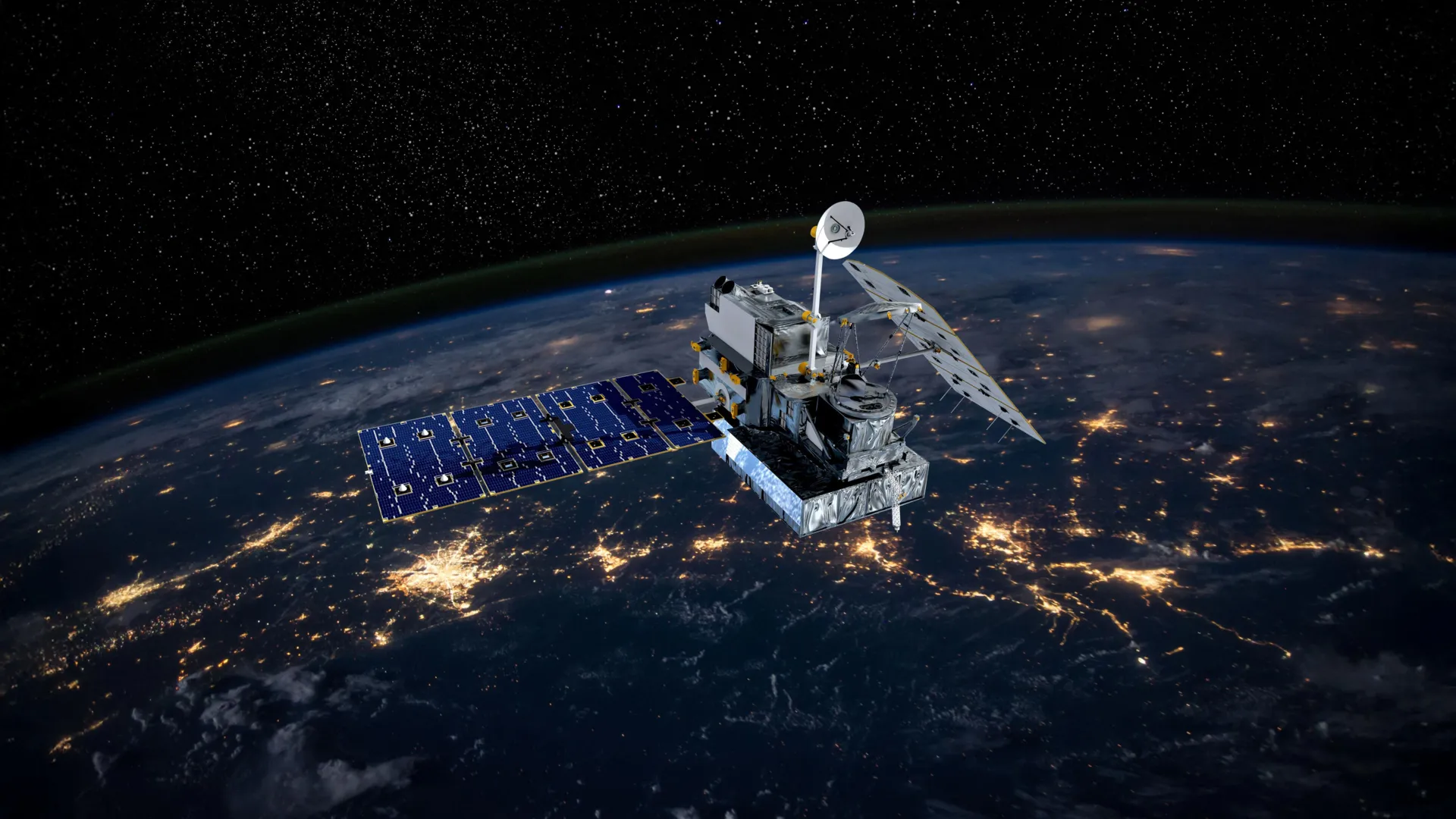
As the global demand for artificial intelligence and cloud computing reaches an unprecedented fever pitch, the physical footprint of the digital world is expanding rapidly. Data centers—the silent, humming engines of our modern existence—are proliferating, consuming vast swaths of land, staggering amounts of electricity, and millions of gallons of water. Yet, as Earth-based infrastructure struggles to keep pace, a new frontier is emerging. Investors and tech titans are looking upward, envisioning a future where the "cloud" is literally located in the clouds—and beyond.
The prospect of orbital data centers has transitioned from the realm of science fiction to a serious, if highly speculative, industrial strategy. Companies like SpaceX, among others, are betting that the next evolution of the digital economy will be built in the vacuum of space, far removed from the terrestrial constraints of zoning laws, power grids, and environmental backlash.
Main Facts: The Logic of Orbital Computing
The business case for moving computing to orbit is as simple as it is audacious. On Earth, data centers face a "trilemma" of constraints: limited power supply, local community opposition, and environmental impact. By migrating these facilities to Low Earth Orbit (LEO) or beyond, companies believe they can tap into a near-infinite supply of solar energy, eliminate the need for water-intensive cooling, and bypass the increasingly hostile regulatory environments that plague ground-based projects.
In space, solar energy is constant and abundant, unaffected by weather patterns or day-night cycles (depending on the orbit). Furthermore, the vacuum of space offers a unique thermal advantage. While cooling is a massive energy drain on Earth, the "cold sink" of space—roughly -455 degrees Fahrenheit—could theoretically provide a passive method for heat dissipation, allowing for higher compute densities without the massive energy overhead of chillers and cooling towers.
Chronology of a Space-Bound Industry
The concept of space-based infrastructure is not entirely new, but its application to commercial data centers is a recent development driven by the rapid maturation of the "New Space" economy.
- 2010s: The Starlink Foundation: The massive deployment of LEO satellite constellations by companies like SpaceX and Amazon (Project Kuiper) demonstrated that large-scale, networked infrastructure in orbit was technically and economically feasible.
- 2023-2024: The AI Explosion: The sudden surge in demand for high-performance computing (HPC) for large language models (LLMs) pushed Earth-based data centers to the brink. Electricity demand for AI became a national security and economic priority.
- 2025: The Regulatory Backlash: Public opposition to the noise, water usage, and land acquisition required for hyperscale data centers reached a boiling point in regions like Northern Virginia and the American Southwest, forcing tech companies to search for "off-grid" alternatives.
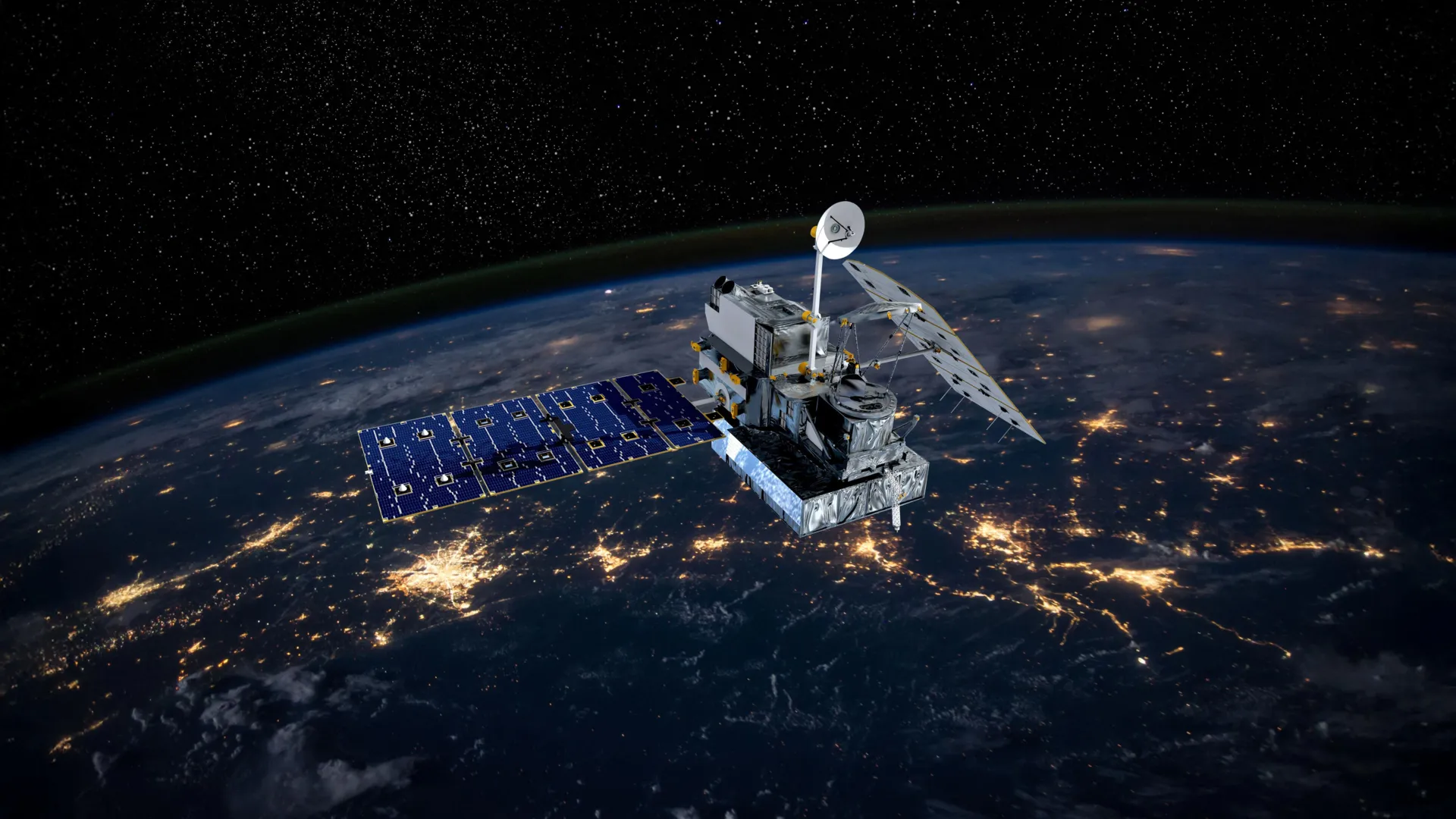
- 2026: The Announcement of AI1: SpaceX officially unveiled the AI1 Compute Satellite, a preliminary attempt to bridge the gap between orbital communications and onboard processing. While currently a fraction of the power of a terrestrial data center, it marked the first tangible step toward orbital compute-as-a-service.
Supporting Data: The Physics and Economics of the Void
While the pitch for orbital computing is seductive, engineering professors who specialize in space systems and data center architecture warn that the transition is fraught with immense technical hurdles.
The Thermal Challenge
The most significant misconception is that space is "naturally cool." While space is cold, it is also a vacuum. Heat cannot be removed via convection (the primary method used by fans and air conditioning on Earth). In space, heat must be radiated away as infrared light. This process is remarkably inefficient compared to terrestrial cooling. To shed just 10 megawatts of waste heat—a modest amount for a modern data center—a spacecraft would require radiator surface areas equivalent to two American football fields.
The Radiation Hazard
Electronic components are notoriously sensitive to the ionizing radiation found in space. Without the protection of Earth’s atmosphere and magnetic field, hardware is subject to "bit flips," permanent damage, and accelerated wear. Developing radiation-hardened hardware that can perform at the level of modern AI-grade GPUs is currently cost-prohibitive, and the repair cycle is virtually non-existent.
The Launch Cost and Hardware Refresh Cycle
On Earth, data center hardware is refreshed every three to five years to keep up with the exponential growth of chip performance. In orbit, this cycle is disrupted. Launching massive amounts of hardware into space remains expensive, and the logistics of "in-space servicing" are in their infancy. If a multi-billion dollar data center becomes technologically obsolete in four years, the lack of an efficient "upgrade path" could render the entire investment a stranded asset.
Official Responses and Strategic Pivot
Major tech players are responding to these challenges with a phased approach. Rather than attempting to replace terrestrial data centers immediately, the current strategy focuses on "edge computing" for space-based assets.
The SpaceX AI1 project, for instance, is not designed to stream Netflix or host corporate databases for terrestrial users. Instead, its initial use case is processing raw Earth-observation and intelligence data directly in orbit. By filtering and analyzing data before sending it down to Earth, these satellites can reduce the bandwidth bottlenecks that currently plague satellite imagery and sensor networks.
Industry analysts note that this is a pragmatic evolution. "We aren’t looking at a wholesale move of the internet to space," says one lead systems engineer. "We are looking at creating a ‘space-native’ cloud that supports military, scientific, and industrial operations already existing in the orbital domain."
Implications: A New Industrial Ecology
The move to space creates profound implications for global policy, the environment, and the future of the digital economy.
Environmental Trade-offs
Proponents argue that orbital data centers save Earth’s water and land. However, critics point to the "launch footprint." The carbon emissions associated with frequent heavy-lift rocket launches are not negligible, and the environmental impact of testing facilities, such as those in Boca Chica, has already sparked significant litigation and public protest. Furthermore, the risk of creating a "Kessler Syndrome"—a chain reaction of collisions creating a debris field that renders low Earth orbit unusable—is a major concern for the global space community.
Digital Sovereignty and Security
Moving data infrastructure to space shifts the geopolitical landscape. Data held in orbit is effectively stateless or subject to the laws of the nation that launched the asset. This raises critical questions about data privacy, international competition, and the potential for orbital data centers to become targets in future conflicts. If a state or private entity controls the "railroads" of the space economy, they effectively control the information flow of the planet.
The Economic Horizon
The economic viability of these projects hinges on the continued reduction of launch costs and advancements in autonomous assembly. If the cost of putting a kilogram into orbit continues to drop, the "break-even" point for orbital data processing will eventually move from niche scientific applications to broader commercial sectors.
Conclusion: The Path Forward
The dream of the "orbital data center" is currently caught between two realities: the immense, undeniable need for increased computing power and the brutal, unforgiving physics of the cosmos. While we are likely years, if not decades, away from seeing a server farm in the sky that can rival the capacity of a modern terrestrial facility, the momentum is undeniable.
The initial phase of this race will not be defined by competition with Amazon or Google, but by the needs of the space economy itself. As we populate the orbit with more satellites, we will inevitably need more processing power to manage them. Whether these data centers eventually grow to become the backbone of our global digital infrastructure remains to be seen. For now, they represent the ultimate expression of human ambition: the desire to solve our terrestrial problems by reaching for the stars.
 Neng Nana
  Dwi Wanna