
 By Laily UPN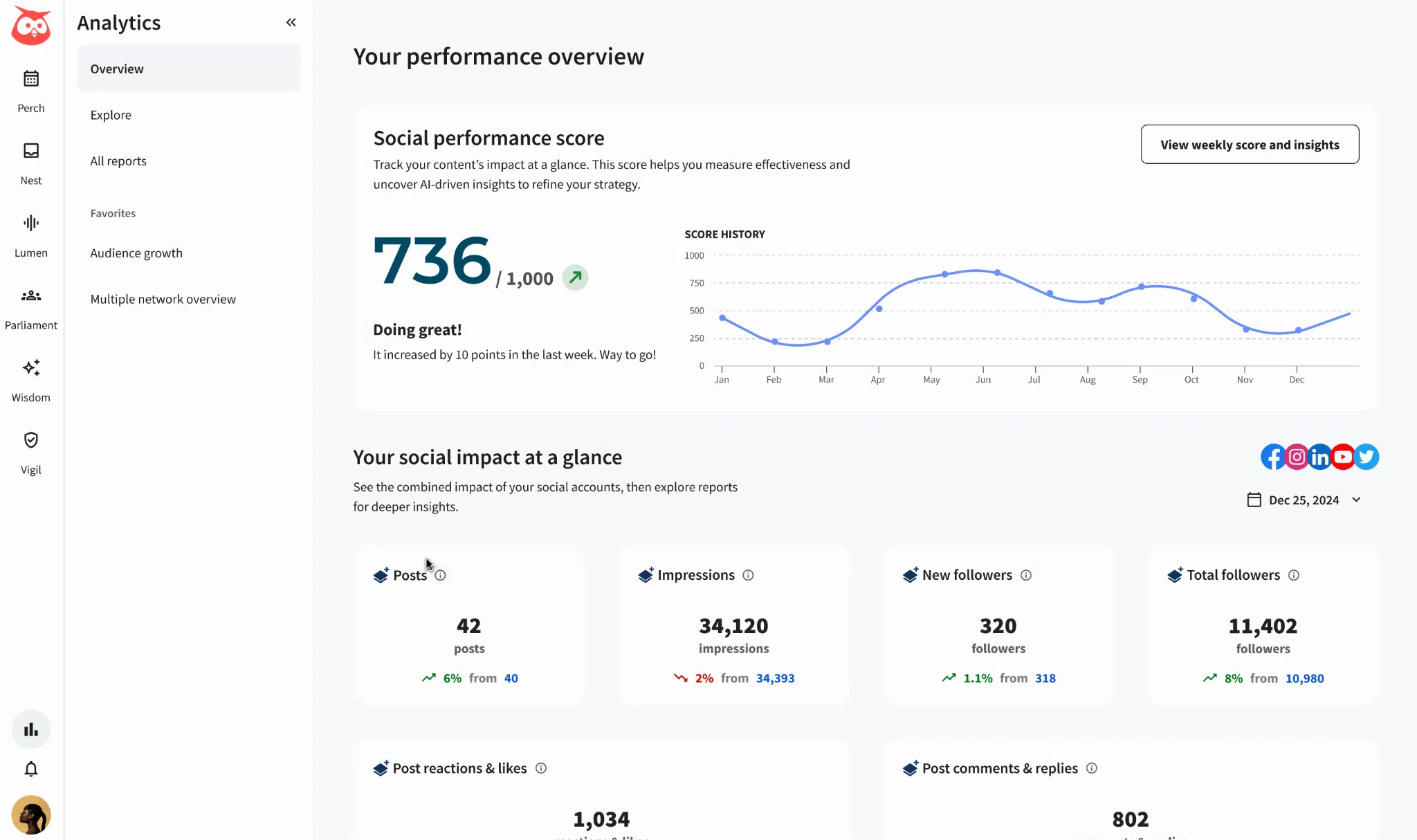
By Erin Rodrigue
Published by Hootsuite Strategy
For decades, social media has battled an enduring identity crisis within the corporate ecosystem. Widely celebrated as the fun, lighthearted corner of a brand’s marketing mix, it is too often relegated to a secondary task—handled by junior staffers tasked with keeping feeds active, posting memes, and responding to comments.
However, this lighthearted perception severely undersells the foundational impact social media brings to the modern enterprise. While Return on Investment (ROI) remains a critical metric for any corporate expenditure, industry experts argue that ROI tells only half the story.

As marketing budgets face tightening scrutiny and executive leadership demands hard proof for every dollar spent, social media managers are finding themselves at a crossroads. To secure buy-in, budget, and a seat at the strategic table, modern brands must move past vanity metrics and learn how to quantify—and effectively communicate—the comprehensive, long-term value of social media.
The Core Dilemma: Social Media Value vs. Social Media ROI
To effectively bridge the communication gap between creative teams and the C-suite, marketers must first understand the fundamental difference between social media value and social media ROI.
While the terms are frequently used interchangeably, they represent two very different dimensions of performance:

- Social Media Value: The holistic, comprehensive impact social media has on an entire business ecosystem. It encompasses tangible financial outcomes alongside intangible assets like brand equity, customer trust, market intelligence, sentiment health, and organic visibility. Because it builds gradually, its effects typically compound over months and years.
- Social Media ROI: A tightly focused, highly specific financial metric. It calculates the direct monetary return generated by social media relative to the capital invested. It is usually tied to a specific campaign, advertising spend, or quarterly reporting cycle.
| Dimension | Social Media Value | Social Media ROI |
|---|---|---|
| Definition | The overall, multi-faceted impact social media has on a business. | The direct financial return generated relative to the capital invested. |
| What It Includes | Revenue, brand awareness, customer loyalty, market intelligence, reputation, and pipeline leads. | Net revenue, profit margins, cost savings, and direct attributable sales. |
| Time Frame | Builds slowly, compounding over months and years. | Typically tied to short-term campaigns or fixed reporting periods. |
The tension arises because executive leadership typically speaks the language of immediate financial ROI, while social media inherently operates as a long-term brand-building engine.
Chronology of a Misunderstood Medium: Why Social Attribution is Broken
To understand why social media value is so difficult to prove to leadership, one must examine how consumer behavior and digital tracking have evolved over the last decade.
In the early days of social commerce, marketers attempted to draw direct lines from a single post to a single purchase. If a link was clicked and a product was bought within 24 hours, social media claimed the victory.
However, consumer journeys have grown significantly more complex. Modern digital commerce is non-linear, fragmented, and heavily multi-touch. According to recent data from McKinsey’s consumer insights, 29% of consumers in the U.S., UK, and Germany report discovering a product first on social media, only to complete the purchase days or weeks later through an entirely different channel—such as direct website traffic, a retargeting email, or an in-store visit.
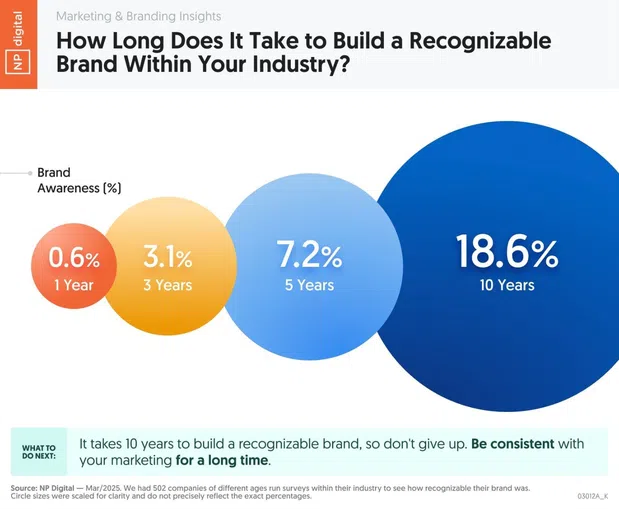
Furthermore, social media is a long game. Brand awareness and consumer trust cannot be manufactured overnight with a single viral post. Research from NP Digital underscores this reality: one-year-old brands suffer from extremely low category awareness, averaging just 0.6%. Five years later, sustained presence and engagement multiply that figure by twelvefold.
When a brand publishes brilliant content consistently over a period of years, the payoff is undeniable. But if executives evaluate social performance through a myopic, short-term lens, they routinely overlook the foundational equity being built beneath the surface.
Supporting Data: The Six Pillars of Social Media Value
To build a bulletproof case for leadership, marketers must categorize social media’s impact into six distinct pillars. When combined, these areas demonstrate that social media functions as a vital business intelligence unit, a customer service frontline, and a revenue driver all at once.
1. Revenue and Pipeline Impact
While not the only metric that matters, direct financial contribution remains the baseline expectation. This includes direct social commerce sales, qualified lead generation, assisted conversions, and web traffic driven via UTM tracking. Despite its importance, HubSpot’s State of Marketing report revealed that "measuring ROI" remains the single biggest challenge for marketers globally.
2. Customer Insight and Market Intelligence
Social media functions as a massive, always-on focus group. Consumers freely share what they love, what frustrates them, and where competitor products fall short. This qualitative data is invaluable. When funneled out of the marketing department, it can inform product development, refine sales pitches, and pivot corporate strategy before market shifts catch the company flat-footed.
3. Customer Care and Retention
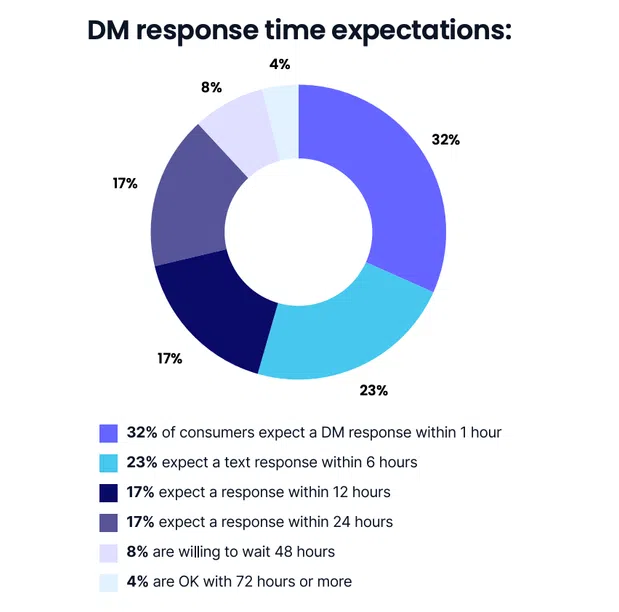
Modern consumers expect brands to be responsive on public platforms. According to a 2025 consumer survey highlighted by CX Dive, nearly 3 in 5 consumers believe it is vital for companies to respond to support messages on social media. Crucially, 37% cite slow response times as a primary driver of negative brand experiences. Social media is thus the primary battleground where brands either rescue a disgruntled customer or lose them permanently.
4. Reputation and Brand Health
Social listening tools provide real-time sentiment analysis. Whether a product update causes a localized backlash or a marketing campaign strikes gold, leadership gains early-warning signals. Catching sentiment shifts early gives executive teams the runway needed to adjust messaging, manage PR crises, or double down on winning initiatives.
5. Content and Campaign Intelligence
Every piece of published content acts as a micro-experiment. By tracking performance patterns—such as saves, shares, watch times, and audience drop-off rates—marketers gather empirical data on what resonates. This intelligence drastically reduces wasted ad spend on future campaigns.

6. Brand Awareness and Share of Voice
Brand awareness measures how widely a company is recognized within its industry and how much of the broader conversation it owns. Even when consumers are not actively clicking links, a steady, visible presence ensures the brand remains top-of-mind when purchasing decisions are finally made.
Official Perspectives: What the Experts Say
To effectively communicate these multifaceted benefits to the C-suite, communication strategists and creative directors recommend a fundamental shift in reporting methodology.
"From my perspective, leadership doesn’t truly care about social media metrics, not the way social media managers do. They care about what those metrics tell them about their business or brand," explains Dani Luffey, Communication Strategist at DVA Brand Communications.

Luffey emphasizes that executives should not be forced to decipher complex dashboards. If a leadership team has to dig through a 20-page spreadsheet to understand why numbers fluctuate, the communications team has failed to deliver its core message.
This sentiment is echoed by Megan Wilson, Creative Director at Sweet Talk Strategy.
"One of the biggest misconceptions is that social media success should be measured by follower count or whether a post ‘goes viral,’" Wilson notes. "In reality, a strong social media strategy isn’t about one big moment. It’s about consistently supporting larger marketing and business goals."
Wilson advises marketers to ground their reporting strictly in business objectives, eliminating vanity metrics that look impressive on paper but move no operational needles.
Strategic Implications: How to Pitch Social Value to the C-Suite
Transforming social media from a tactical checkbox into a strategic asset requires a disciplined, four-step reporting framework:
- Translate Metrics into Business Language: Stop reporting that "engagement increased" or "sentiment dipped." Instead, explain the implication. Are changing sentiment trends pointing to shifting customer demands? Is a dip in comments signaling an upcoming product fatigue issue? Speak the language of business risk and opportunity.
- Benchmark Against Goals, Not Vanity Metrics: Align every social KPI directly with corporate OKRs (Objectives and Key Results). If the company’s primary Q3 goal is market expansion, highlight how social media’s geographic reach supported that expansion.
- Provide Context, Not Just Data: Deliver the "so what?" factor alongside raw numbers. Explain why a particular campaign succeeded or failed, and what external market factors influenced those results.
- Deliver Actionable Recommendations: A true strategic advisor doesn’t just present historical data; they offer a roadmap. Conclude every report with clear, data-backed recommendations on where the company should allocate resources next.
Pitfalls to Avoid
Teams frequently undermine their own credibility by committing three common errors:

- Data Overloading: Handing executives an exhaustive 20-page report creates information fatigue. Focus instead on three to five deeply meaningful metrics.
- Leading with Activity over Impact: Reporting that you "published 150 posts" proves busyness, not business outcomes.
- Treating Revenue as the Sole Indicator: Ignoring the top-of-funnel brand health and customer service value built by social channels devalues the entire discipline.
Modern Tooling: How Platforms Like Hootsuite Bridge the Gap
Proving complex social media value manually can be overwhelming for lean marketing teams. Modern enterprise tools have evolved to automate this translation process, bridging the gap between raw social data and executive-ready insights.
Platforms like Hootsuite have integrated specialized modules designed specifically to solve the attribution and reporting challenge:
- Lumen (Brand Intelligence & Share of Voice): Tackling the notoriously difficult task of tracking awareness and reputation, Lumen monitors mentions, sentiment, and emerging market themes across more than 150 million websites and 30+ social channels. It allows marketers to definitively prove how their share of voice stacks up against key competitors.
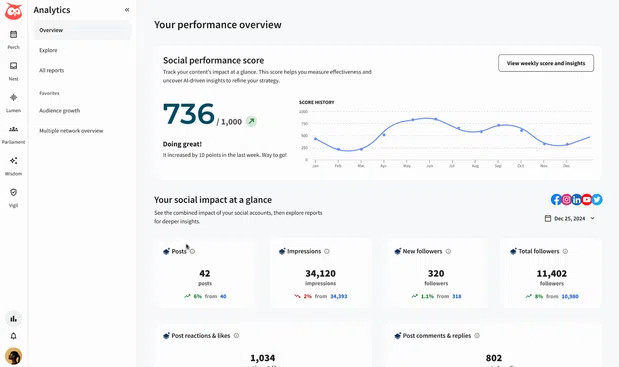
- Perch (Content Scale & Performance): Perch allows teams to plan, schedule, and analyze content across multiple platforms from a single centralized workflow. By pairing content output directly with performance analytics, marketers can instantly visualize which campaigns pull their weight across different channels.
- Wisdom AI (Plain-Language Insights): To eliminate the friction of data translation, Hootsuite’s Wisdom AI allows users to prompt the system with plain-language questions—such as "Why did engagement drop last week?" or "Summarize our quarterly performance for stakeholders"—generating accurate, cited, narrative-driven summaries ready for the C-suite.
Conclusion
Proving the value of social media to leadership is no longer just about tracking clicks and conversions; it requires a sophisticated narrative that marries quantitative financial data with qualitative brand health. By separating long-term social value from short-term ROI, embracing advanced intelligence tools, and speaking the strategic language of the C-suite, marketers can finally step out of the shadows of the "fun marketing corner" and secure their position as indispensable drivers of enterprise growth.
 Siti Muinah
  Lina Irawan
  Nana Muazin