
 By Nana Wu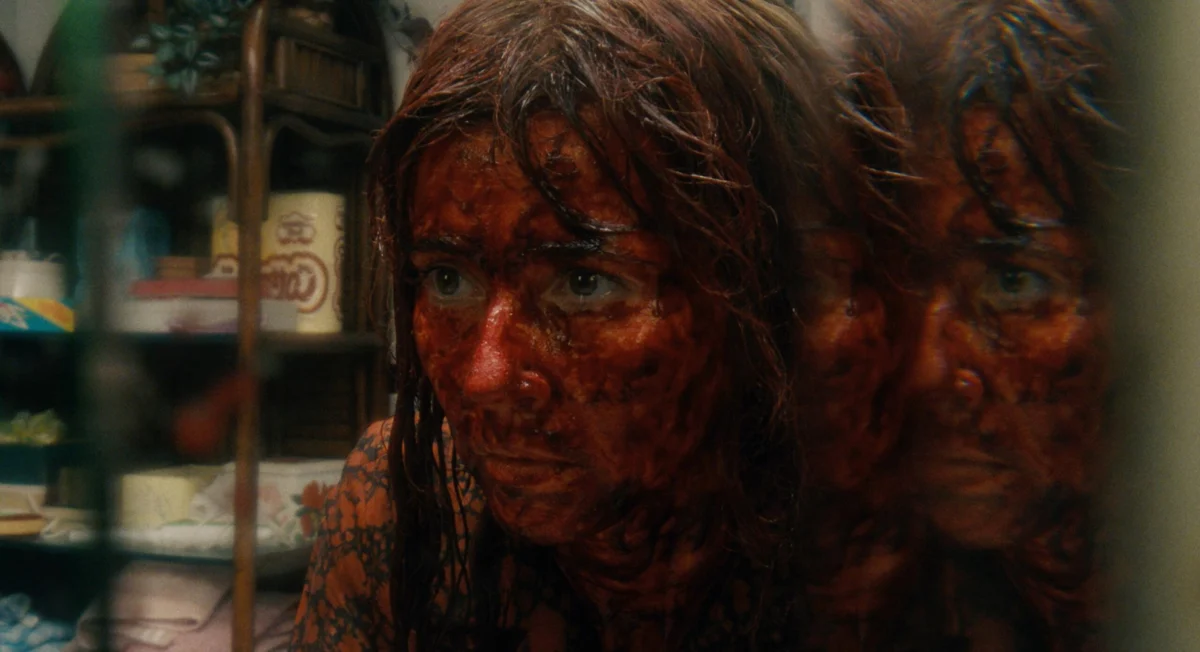
TORONTO — While the Toronto International Film Festival (TIFF) has long been revered as a prestigious launchpad for cinematic masterpieces and a crystal ball for the future of film, the 2026 festival unveiled a significant secondary evolution: it has officially become the premier autumn showcase for the streaming wars.
This year, four major streaming titans—Prime Video, Netflix, Peacock, and AMC+—used the cultural gravity of TIFF to preview their heavy-hitting, horror-adjacent series slated for October releases. The coordinated autumn showcase underscores a broader entertainment industry shift: the month of October no longer belongs solely to cinematic box-office releases. Instead, streaming platforms have transformed it into the ultimate battleground for serialized dread, capitalizing on audiences’ growing appetite for high-concept, prestige scares just as the nights grow longer.
Main Facts: The 2026 Streaming Horror Slate
The festival featured exclusive first-look screenings and deep-dive panels for four major autumn releases, proving that horror in 2026 is a multi-platform, high-stakes enterprise.
- Prime Video’s Carrie (Premiering October 7): Acclaimed horror auteur Mike Flanagan brings his signature blend of emotional depth and atmospheric dread to Stephen King’s classic telekinetic thriller, starring in a serialized format that modernizes the iconic source material.
- Netflix’s Below (Premiering October 8): A six-episode slow-burn mystery led by Josh Hartnett, tracking a Newfoundland fishing village terrorized by a slumbering ancient sea creature.
- Peacock’s Crystal Lake (Premiering October 15): A surprising, ultra-gory prequel to the Friday the 13th franchise starring Linda Cardellini as a grieving Pamela Voorhees.
- AMC+’s Yaga (Premiering October 23): A high-concept supernatural detective series boasting a prestige cast featuring Carrie-Anne Moss and Hudson Williams.
Chronology: From Netflix Stables to Amazon’s Big Bet
To understand the weight of Prime Video’s Carrie premiere at TIFF 2026, one must examine the timeline of modern horror television over the last decade.
Between 2018 and 2023, director Mike Flanagan cemented a lucrative creative partnership with Netflix, effectively defining the streaming giant’s October release calendar. Delivering a near-annual cadence of critically lauded limited series—beginning with The Haunting of Hill House in 2018, followed by Midnight Mass, and culminating in The Fall of the House of Usher—Flanagan trained audiences to associate late autumn with his specific brand of dramatic, character-driven horror.
However, in late 2022, Amazon executed a massive coup by poaching Flanagan and his producing partner, Trevor Macy, from Netflix to develop exclusive projects for Prime Video under their Intrepid Pictures banner. Carrie represents the monumental fruits of that high-stakes talent migration.
Simultaneously, competitors were laying their own groundwork. Netflix, looking to fill the void left by Flanagan’s departure, greenlit atmospheric originals like Below. Concurrently, Peacock leaned into legacy intellectual property by fast-tracking Crystal Lake, diving deep into slasher mythology, while AMC+ locked in international and supernatural-leaning detective stories like Yaga to capture niche, hardcore genre devotees.
Supporting Data & Production Insights: Breaking Down the Previews
Industry analysts at TIFF noted that the sheer production value and talent attached to these four series signal a massive capital investment in the horror vertical.
Carrie (Prime Video)
Moving the narrative away from a standard two-hour feature film allows Flanagan the narrative canvas to deeply explore the mechanics of high school ostracization. Crucially, this adaptation aggressively modernizes the text: much of the psychological torture and bullying now takes place within the inescapable, microscopic confines of cyberspace. Early reviews of the premiere episode praised how the extended runtime grants space for intense teen drama, underscored by Flanagan’s trademark, sprawling philosophical monologues delivered with theatrical gravity.
Below (Netflix)
Across six episodes, Below trades the Gothic haunted-house aesthetics of Flanagan’s past work for the salt-crusted, claustrophobic bleakness of Atlantic Canada. Centered around a beleaguered fisherman trying to hold his family together—expertly portrayed by Josh Hartnett—the series relies on measured pacing. Early attendees who caught the first two episodes noted that the series exercises restraint, building terror incrementally around the mystery of an ancient oceanic entity before unleashing its heavier narrative blows.
Crystal Lake (Peacock)
Perhaps the biggest gamble of the festival was Peacock’s Crystal Lake. Prior to the TIFF screening, critics and fans alike questioned whether the origins of Jason Voorhees’ mother, Pamela Voorhees, warranted a deep-dive exploration. Those doubts were largely silenced by Linda Cardellini’s visceral performance. The series balances profound emotional despair with the kind of outrageous, over-the-top practical gore native to the original 1980 Friday the 13th film—walking a delicate tightrope between stomach-churning horror and darkly comedic extremity. All episodes drop on October 15.
Yaga (AMC+)
While closed-door logistics kept critics from viewing the pilot at TIFF, AMC+’s promotional push for Yaga—a supernatural detective procedural starring Carrie-Anne Moss and Hudson Williams—dominated industry buzz. Slated for an October 23 drop, the series targets the lucrative intersection of prestige crime procedurals and occult horror.
Official Responses and Industry Context
The strategy of debuting streaming horror blocks at a festival traditionally reserved for cinema reflects a profound shift in marketing psychology. Studio executives speaking on the sidelines of TIFF 2026 emphasized that prestige horror is no longer viewed as a B-movie safety net, but as an elite prestige driver.
"Horror is the most communal, highly engaged vertical we have in entertainment today," noted one streaming distribution executive who requested anonymity. "When you look at the box office explosions of titles like Backrooms and Obsession, alongside the Emmys domination of series like Widow’s Bay, the data is undeniable. Audiences don’t just want to watch horror; they want to dissect it, live-tweet it, and build communities around it. TIFF gives us the initial cultural stamp of approval that traditional television drops can’t buy."
Platforms are acutely aware that October functions as a structural anchor for subscriber retention. By staggering releases across the month—kicking off with Carrie on October 7, flowing into Below on October 8, Crystal Lake on October 15, and closing with Yaga on October 23—streamers have engineered a continuous loop of terror designed to prevent subscriber churn right ahead of the lucrative holiday season.
Implications: The Future of Autumn Entertainment
The success of the TIFF 2026 streaming showcases carries broad implications for the entertainment landscape at large.
First, it signals the definitive death of the traditional television pilot season. By packaging high-concept horror into curated, binge-able or weekly event drops timed precisely to cultural markers like Halloween, platforms are training consumers to expect cinematic event-level television year-round, with October serving as the ultimate proving ground.
Second, the migration of top-tier talent—directors like Mike Flanagan and marquee movie stars like Linda Cardellini, Josh Hartnett, and Carrie-Anne Moss—into streaming horror validates the genre’s artistic legitimacy. The old industry stigma of television horror as cheap, schlocky filler has evaporated, replaced by massive budgets, complex character studies, and auteur-driven visions.
As the leaves turn and the October release dates draw near, the message from Toronto is clear: streaming platforms have weaponized nostalgia, psychological trauma, and practical creature-features into a coordinated seasonal offensive. For horror fans, October 2026 is shaping up to be the most terrifying—and expensive—month in television history.
 Ali Ikhwan
  Muslim
  Evan Lee Salim