
 By Evan Lee Salim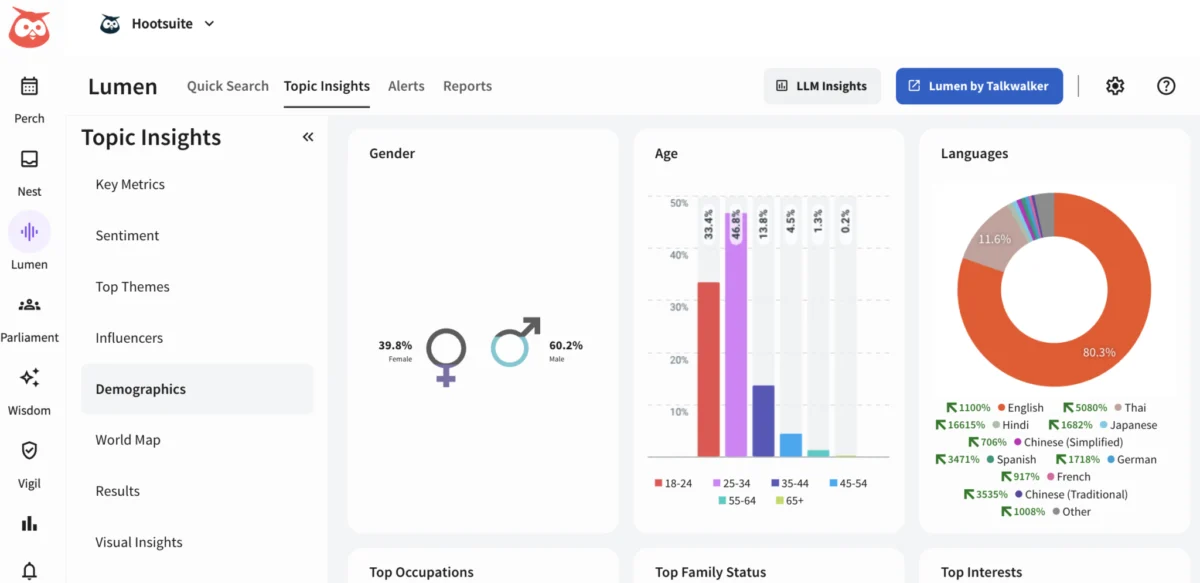
In the fast-paced ecosystem of digital marketing, the days of relying on intuition, superficial vanity metrics, and guesswork are long gone. Today, social media measurement has evolved into a sophisticated science. By leveraging advanced social data and high-powered analytics tools, modern brands can accurately evaluate their digital footprint, understand shifting audience behaviors, and definitively tie social media performance to core business objectives.
Written by digital marketing veteran Christina Newberry, the latest framework on social media measurement highlights how tracking the right data transcends individual post performance. When executed correctly, comprehensive measurement connects social media strategy directly to wider corporate goals, proving to executive leadership how organic and paid social contribute meaningfully to the sales pipeline, customer retention, and brand reputation.

Main Facts: The Anatomy of Social Media Measurement
At its core, social media measurement is the systematic process of evaluating how well a brand performs across social channels using quantitative and qualitative data. Far beyond counting likes on a single post, a robust measurement strategy yields critical insights into your brand’s market position, competitive landscape, and audience psyche.
Why Measurement Matters
Measurement provides an objective, data-driven window into how target audiences think, behave, and interact with a brand compared to its competitors. Without it, marketers are simply navigating in the dark.

Key outcomes unlocked by smart measurement include:
- Audience Insights: Uncovering demographic data, preferred networks, and peak times of online activity.
- Target Market Preferences: Distinguishing between casual followers and true target customers, ensuring messaging solves specific consumer pain points.
- Competitive Intelligence: Benchmarking overall performance against industry peers, identifying market gaps, and tracking share of voice.
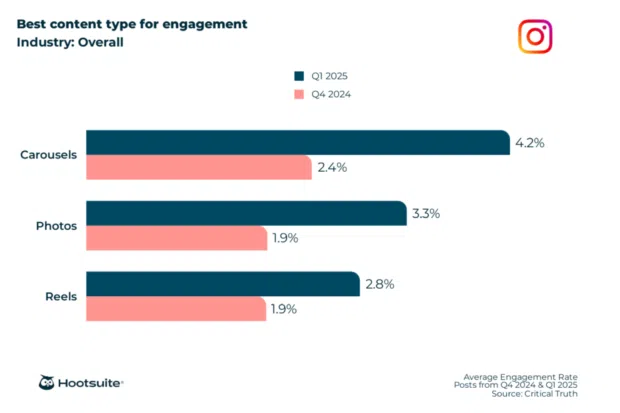
- Content Performance: Evaluating macro-level trends (overall ROI and reach) alongside micro-level campaign data (caption lengths, video formats, and call-to-action effectiveness).
- Reputation Management: Monitoring brand awareness, public sentiment, and real-time shifts in perception to intercept potential PR crises before they escalate.
Chronology: The Five-Step Evolution of a Measurement Strategy
Setting up an effective, repeatable social media measurement framework requires a disciplined, chronological approach. Organizations moving from chaotic data collection to streamlined analysis typically follow a five-step progression:
Step 1: Establish Clear Social Media Goals
Before opening a single analytics dashboard, teams must map specific social metrics to broader business goals. Whether the objective is launching a new product, increasing brand awareness, or driving lead generation, knowing why you are tracking data dictates the success of the program.
Step 2: Select Your Core Metrics and KPIs
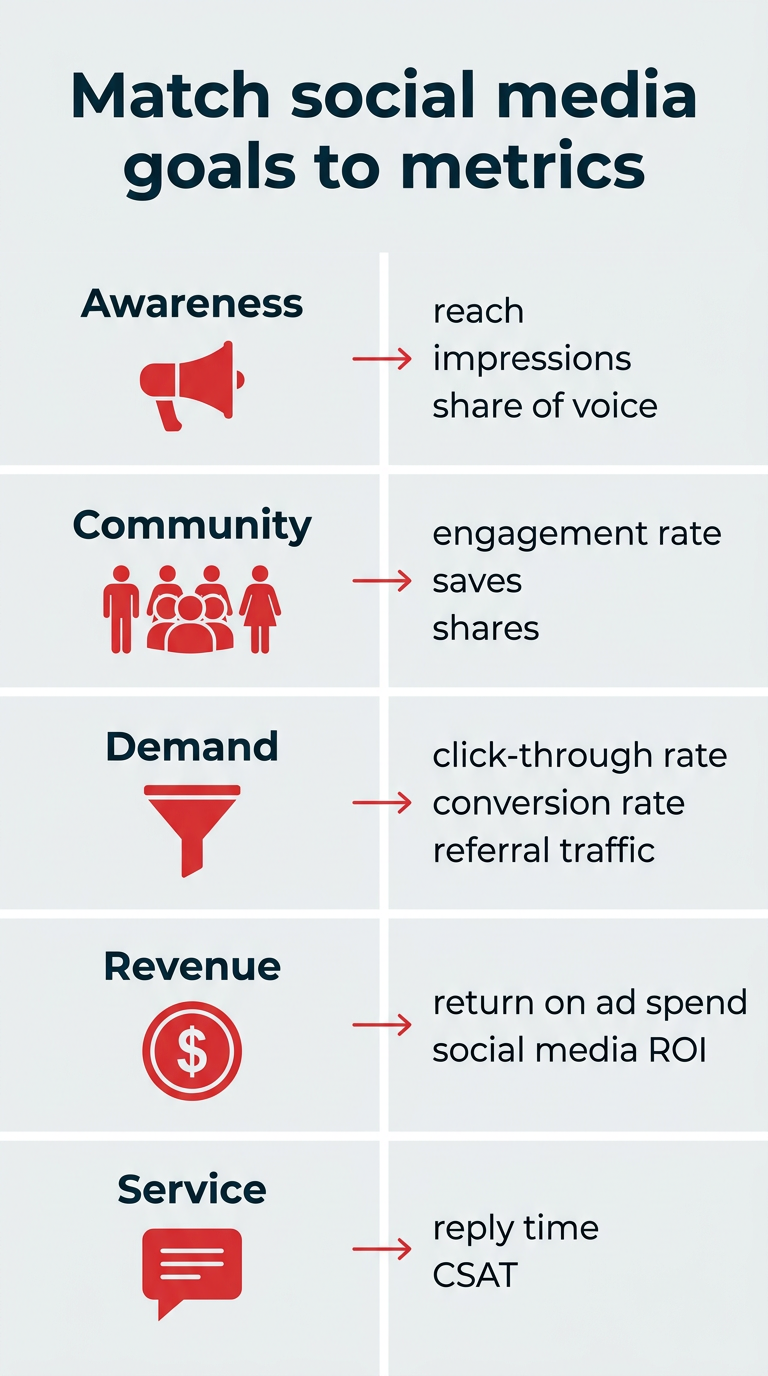
Once goals are established, marketers must separate vanity metrics from actionable Key Performance Indicators (KPIs). For instance, while follower count rarely sparks immediate action, pairing follower growth rate with demographic shifts provides a reliable KPI for audience alignment. Common mappings include:
- Brand Awareness: Reach, impressions, social share of voice.
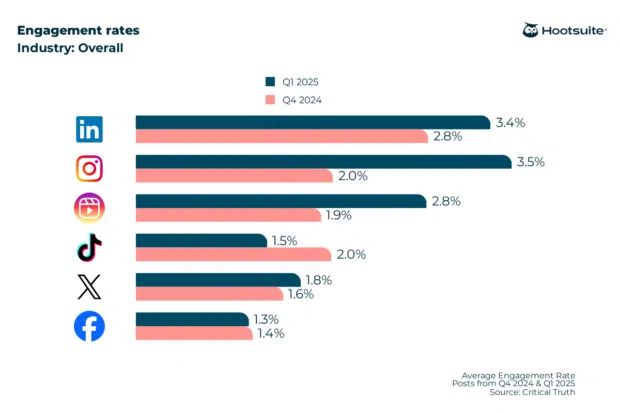
- Engagement: Engagement rate, comments, saves, and shares.
- Lead Generation: Click-through rate (CTR), conversion rate, and referral traffic.
- Revenue/ROI: Return on ad spend (ROAS) and cost-per-click (CPC).
Step 3: Implement Analytics and Social Listening Tools
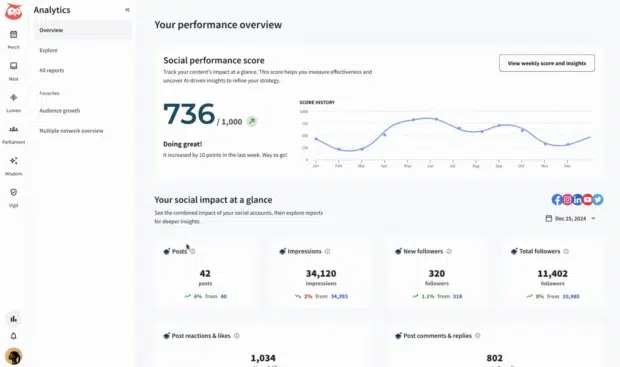
Organizations begin with native platform analytics (which are free and easy to set up) but quickly scale to unified systems. Native tools operate in silos, meaning metrics across platforms rarely match. Enterprise teams utilize integrated ecosystems like Hootsuite Social OS (incorporating apps like Perch for content analytics and Lumen for listening) to consolidate data streams, run competitor benchmarks, and utilize automated reporting templates.
Step 4: Integrate Social Data with Your CRM
To prove financial value to leadership, social metrics must merge with customer relationship management (CRM) software. Passing social interactions and lead-form submissions directly into platforms like Salesforce allows sales representatives to view a prospect’s complete digital history. This multi-touch attribution proves precisely how social media influences closed-won deals and drives pipeline revenue.
Step 5: Report, Reassess, and Optimize
Effective measurement culminates in regular, tailored reporting. Stakeholders should only receive metrics they can act upon. Teams must review data regularly—tweaking single variables to isolate causes of flat performance—and continually refine their strategies to ensure long-term growth.
Supporting Data: Essential Metrics and Industry Benchmarks
To construct a dashboard that drives action, marketers must focus on specific metric categories. According to recent digital marketing research, enterprise performance hinges on tracking seven critical areas:
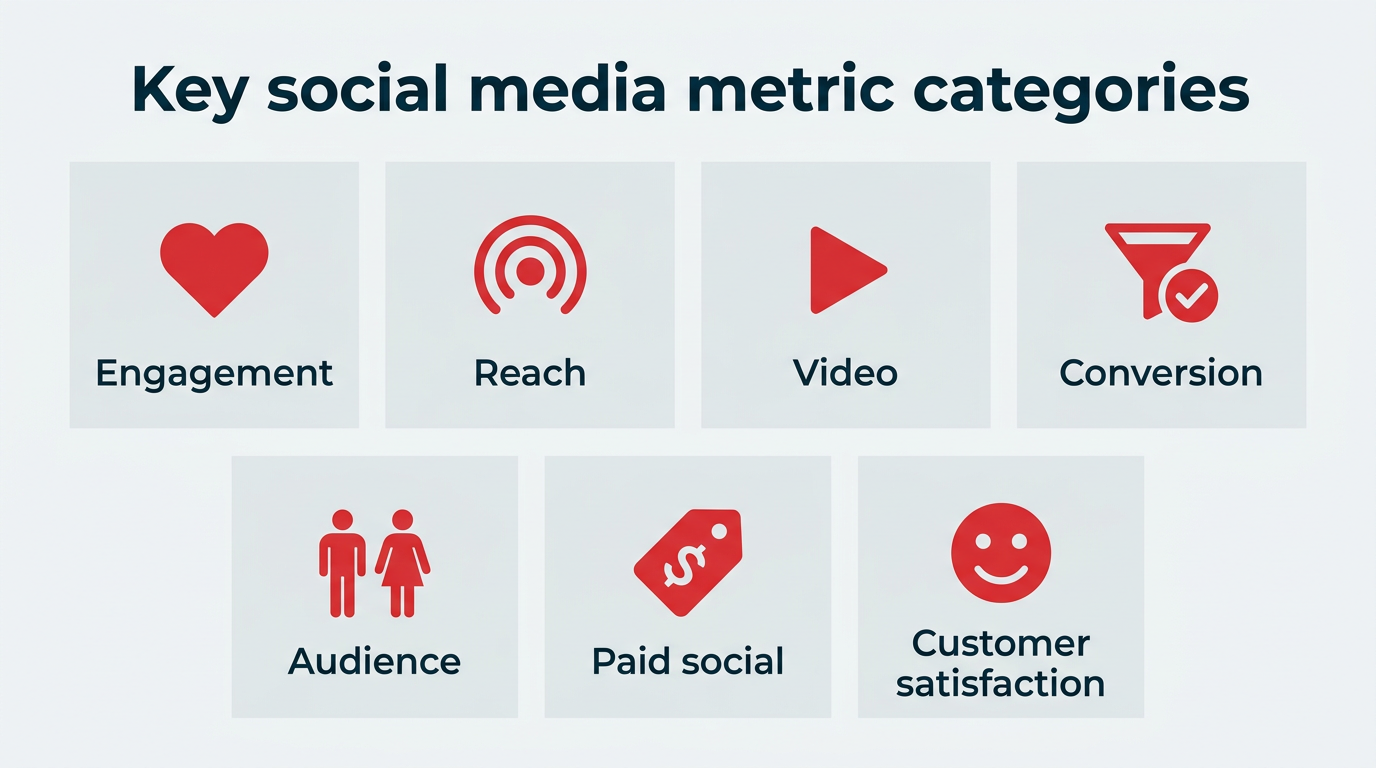
- Engagement Metrics: Measuring audience interaction, including likes, comments, shares, and saves. Saves and comments indicate higher intent than passive likes.
- Reach Metrics: Assessing brand awareness by evaluating total reach, follower growth, and the percentage of content consumed by non-followers.
- Video Performance Metrics: Tracking completion rates, view thresholds, and watch time across formats like Instagram Reels and TikTok videos.
- Conversion Metrics: Quantifying real business outcomes via conversion rates, social referral traffic, and multi-touch attribution models. (Note: Nearly 47% of U.S. marketers plan to increase investments in marketing mix modeling to better capture these touchpoints).
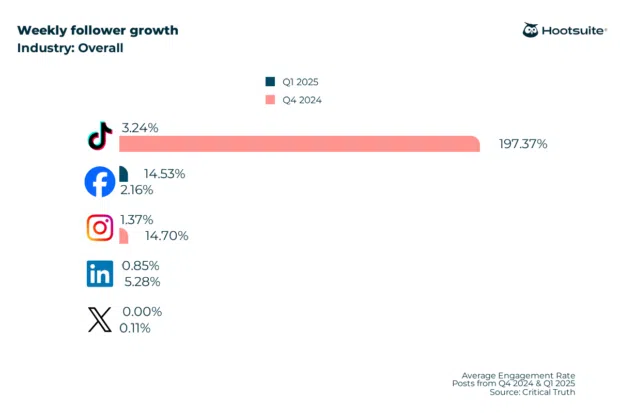
- Audience Metrics: Monitoring demographic shifts, follower growth rates, and net sentiment scores over time.
- Paid Social Metrics: Evaluating global ad spend efficiency—projected to reach $338.75 billion—via ROAS, cost-per-acquisition (CPA), and paid click-through rates.
- Customer Satisfaction (CSAT) Metrics: Tracking customer care KPIs such as Net Promoter Score (NPS), customer satisfaction scores, and average reply times within unified social inboxes.
Choosing the Right Measurement Stack
Organizations looking to automate and enrich their measurement processes rely on specialized toolsets:
- Hootsuite Social OS: Ideal for enterprises seeking an all-in-one operating system combining publishing, listening (Lumen), engagement, and CRM integrations.
- RivalIQ: Best for agencies and large brands requiring rapid, machine-learning-powered competitive analysis and boosted-post detection.
- Google Analytics (GA4): Essential for tracking on-site behavior, UTM-tagged social campaign conversions, and the user journey after a visitor leaves social media.
Official Perspectives: Industry Expert Insights
Industry leaders emphasize that social media measurement must serve as an engine for decision-making rather than a routine administrative task. Christina Newberry notes that the primary goal of reporting is to bridge the gap between creative execution and executive accountability:
"Choose your metrics by starting with the outcome you’re accountable for, then working backward to the numbers that prove it. A metric earns its place on your dashboard only if it tells you something you’d act on."
Furthermore, experts highlight the necessity of breaking down departmental silos. When customer support, sales, and social marketing teams share a unified dashboard, organizations eliminate the friction of fragmented data. Integrating social data directly into enterprise infrastructure transforms social media from an isolated marketing channel into a core driver of business intelligence.
Implications: The Future of Social ROI and Strategic Planning
The paradigm shift toward rigorous social media measurement carries profound implications for digital marketing departments worldwide.
For Marketing Practitioners
Marketers must abandon the comfort of vanity metrics. Success is no longer defined by how many followers a brand amasses, but by the quality of the engagement, the accuracy of sentiment analysis, and the speed of crisis prevention. Creators and strategists will increasingly rely on AI-powered insights to parse hundreds of posts instantly, shifting human effort away from manual data extraction and toward creative execution.
For C-Suite Executives
For Chief Marketing Officers and financial leaders, advanced social measurement solves the age-old problem of proving social ROI. By connecting social interactions directly to CRM platforms and revenue streams, enterprises can justify expanding global social ad budgets. Ultimately, organizations that master the art and science of social measurement will enjoy sharper market positioning, deeper customer trust, and a distinct competitive advantage in an increasingly crowded digital marketplace.
 Pevita Pearce
  Laily UPN
  Siti Muinah