
 By Dwi Wanna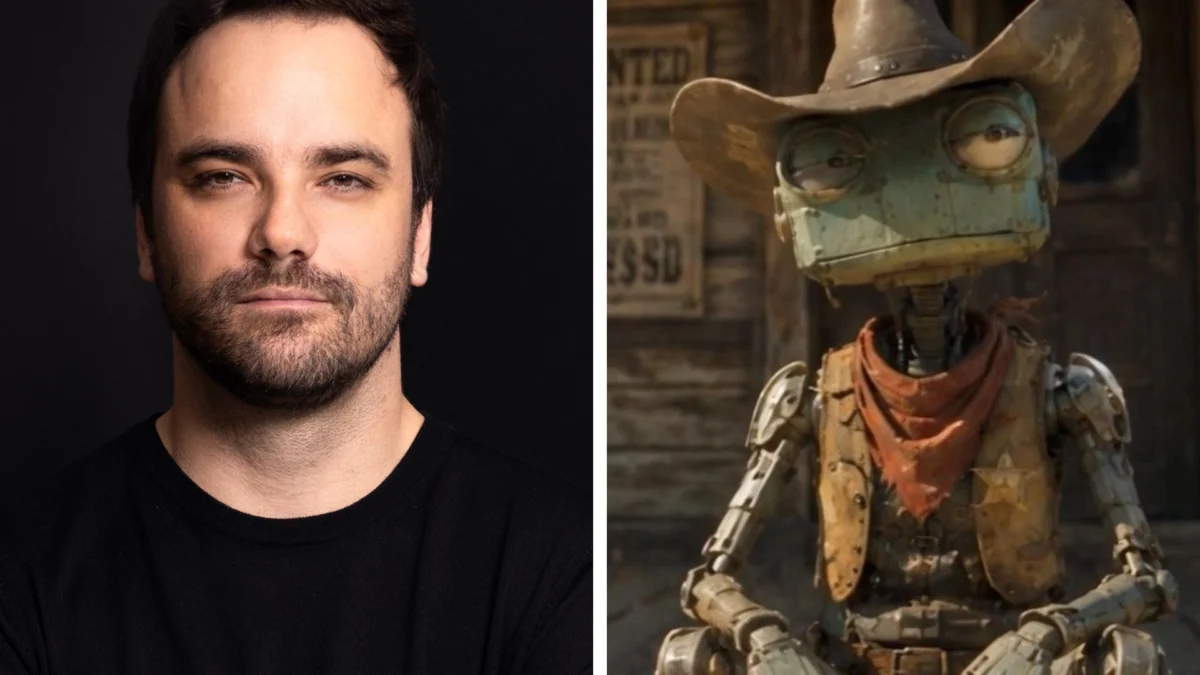
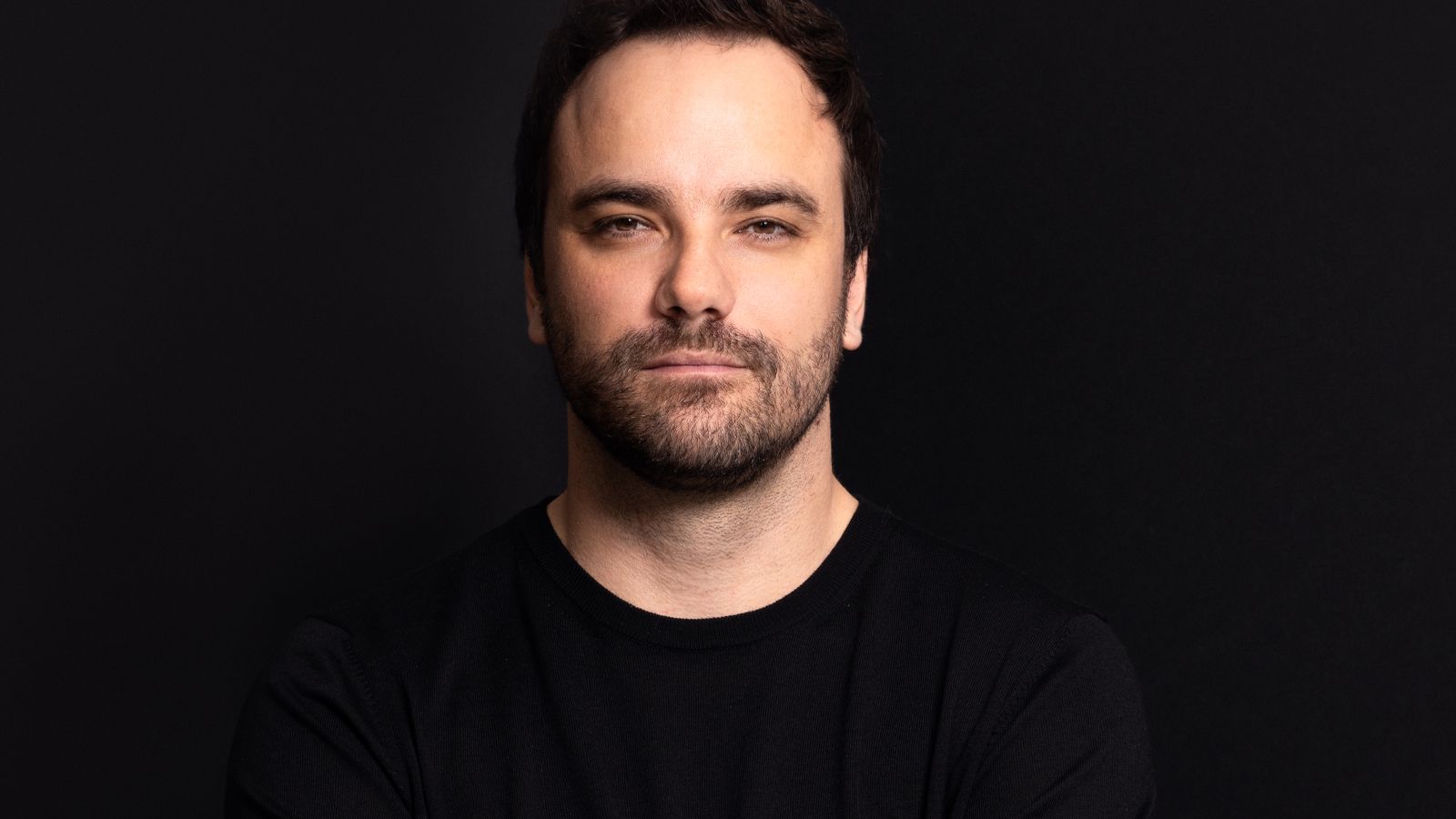
For generations, the path to becoming a filmmaker was paved with systemic barriers. It required geographic proximity to Los Angeles, the backing of wealthy financiers, and the "permission" of gatekeepers who controlled the means of production. For Nikola Todorovic, co-founder of Flow Studio, these barriers were not merely inconvenient—they were an affront to the fundamental human impulse to tell stories.
Growing up in Bosnia and Herzegovina during a period of conflict, Todorovic viewed storytelling not as a career path, but as a survival mechanism. It was a way to process a world that lacked simple explanations. Today, as a pioneer in AI-driven filmmaking in partnership with Autodesk, Todorovic is looking to dismantle the rigid power structures of the film industry, arguing that generative technology is the ultimate tool for creative liberation.
The Broken Economics of Modern Cinema
The contemporary film industry is defined by an economic paradox that Todorovic finds staggering. He notes that while the cost of infrastructure—such as hospitals—remains grounded in material reality, film budgets have ballooned into an irrational stratosphere.
"A hospital costs roughly $20 million to build," Todorovic observes. "Meanwhile, a film can cost ten times that and still flop in a weekend." He contrasts the lean, impactful production of Steven Spielberg’s E.T. the Extra-Terrestrial, which cost approximately $4 million in 1982, with the modern era of streaming content, where productions routinely command budgets of $300 million or more.
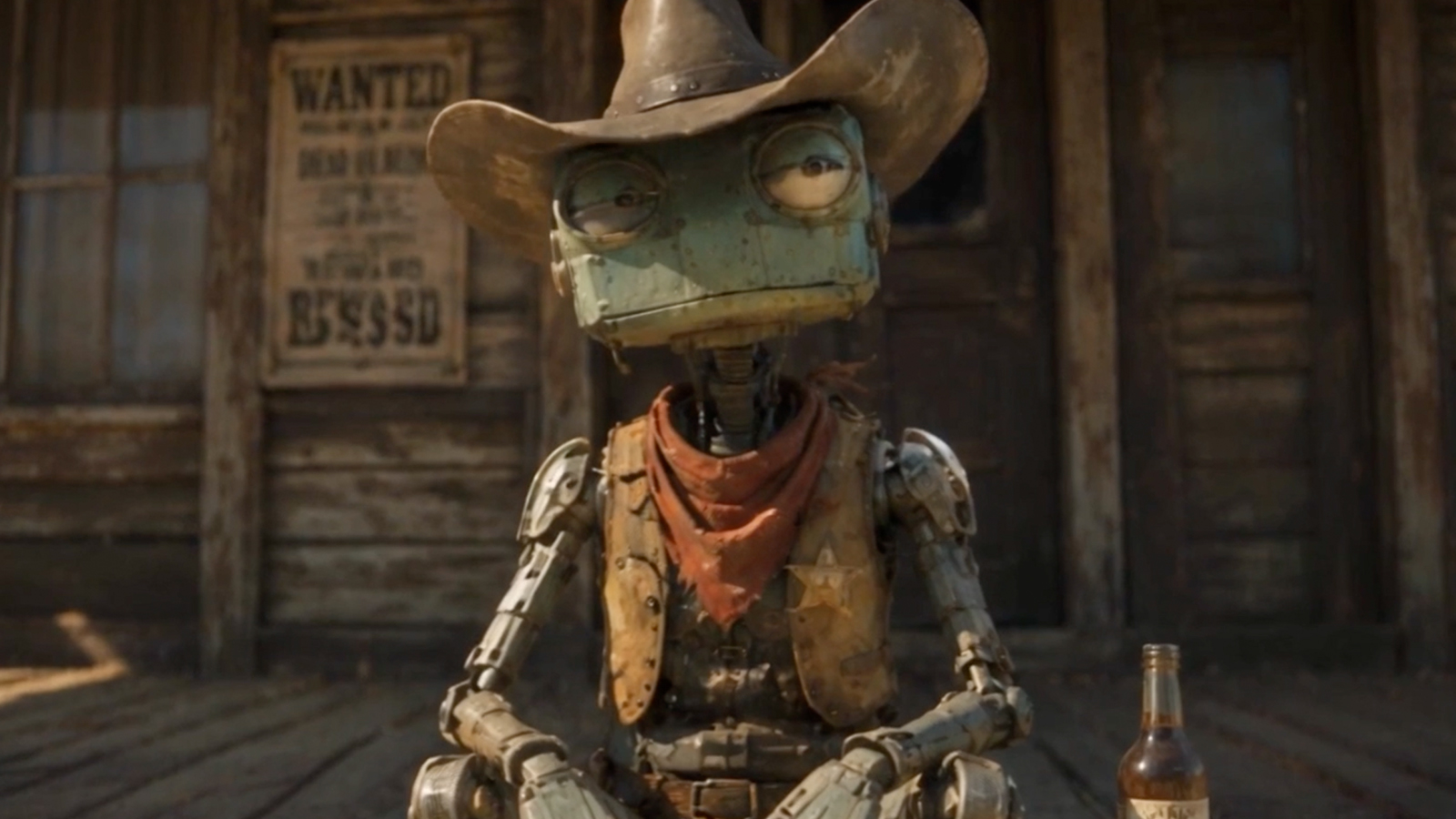
This financial bloat has created an industry where risk-aversion is the default setting. When a single project costs the equivalent of a small city’s infrastructure, studios inevitably prioritize safe, formulaic stories over bold, experimental narratives. Todorovic views AI tools—such as Flow Studio’s 3D Editor + Canvas and Autodesk Maya’s MotionMaker—not as replacements for human creativity, but as instruments of rebellion. By significantly lowering the barrier to high-quality 3D production, these tools provide a bypass for the "permission-based" system that has dominated Hollywood for a century.
A Chronology of Disruption: From Edison to AI
To understand the current tension, one must look at the historical trajectory of the film industry. At the dawn of the 20th century, Thomas Edison’s Motion Picture Patents Company held a stranglehold on the industry. They controlled the camera technology and the "Nickelodeon" theaters where films were screened. Filmmakers who wanted to operate outside of Edison’s licensing fees faced legal persecution.
The birth of Hollywood was, in itself, an act of industrial rebellion. Independent producers moved to the remote West Coast, not just for the sunlight, but for the distance. By the time Edison’s lawyers could travel by train to serve injunctions, the independent filmmakers had already finished their shoots. California’s judiciary proved more hospitable to these renegades, and the first true studios were born from the necessity of fleeing a monopoly.
"It’s kind of history repeating itself, always," says Todorovic. The indies who escaped the Edison monopoly eventually solidified their own, first by controlling distribution through theater chains, and later through the staggering capital requirements of modern production. While the streaming revolution successfully fractured the distribution monopoly, the production monopoly remained largely intact—until now.
Todorovic posits that generative AI is the final piece of the puzzle. By potentially slashing production costs by 95% to 99%, the technology promises to return the power of "spectacle" to the individual creator, allowing independent voices to compete on a visual level that was previously reserved for the major studios.
The Human Cost: A Former VFX Artist’s Perspective
While Todorovic is a champion of AI, his perspective is tempered by his roots in the visual effects industry. He understands that the transition to an AI-augmented workflow is fraught with anxiety, particularly for those at the bottom of the "call sheet."
"VFX artists and artists below the line generally get hit the hardest," he explains. In the current model, VFX teams are often scapegoated if a film fails, yet rarely receive the creative credit afforded to directors. Todorovic recalls his own early days in the industry, where he expected to be a creative contributor but instead found himself performing "grunt work," obsessively matching pixels to a supervisor’s narrow instructions.
He expresses deep frustration with the industry’s marketing trend of touting "minimal CGI" as a badge of honor. To him, this is not an aesthetic achievement; it is an erasure of the hundreds of artists who worked long, grueling hours to bring the film to life. He acknowledges that for these workers, who have weathered the dual storms of the pandemic and the recent industry strikes, the arrival of AI feels like a third, potentially fatal blow. While he believes the technology itself is neutral, he validates the anger of the workforce as a rational response to a system that has long devalued their labor.
Implications for the Future of Content
If production costs are indeed about to plummet, we are heading toward an era of unprecedented content saturation. Todorovic is quick to admit that this shift will not necessarily result in a utopia.
"There’s going to be so much content that it’s going to be all about discovery," he notes. He draws a parallel to the music industry. Today, any musician can record an album in their bedroom and upload it to Spotify, yet the "bottleneck" has simply shifted from production to marketing. The major studios may continue to dominate because they possess the capital required to make their content "discoverable" in a sea of millions of competing titles.
However, the shift in power remains significant. If the ability to create high-end, 3D-animated content is no longer gated by a $100 million budget, the range of stories being told will inevitably expand. The "next" Hollywood, in Todorovic’s view, will not be defined by who has the most money, but by who has the most compelling vision.
Official Responses and Industry Outlook
The industry at large remains in a state of flux. While organizations like Autodesk are actively developing tools to empower artists, the debate over copyright, labor rights, and the ethical use of training data continues to rage in legal and political arenas.
Autodesk’s own messaging has shifted to emphasize "augmentation over automation." Their pitch at events like Autodesk University 2026 centers on the idea that AI should give artists more time to experiment and iterate, rather than forcing them to work twice as fast to meet the same deadlines.
Despite the uncertainty, the trajectory seems clear. Every major leap in cinematic history—from the introduction of sound and color to the shift from film to digital and the rise of 3D animation—was initially met with fierce resistance. Each time, the skeptics warned that the technology would destroy the "soul" of cinema. And each time, the industry adapted, absorbing the new tool into its lexicon.
"We just don’t know when that is yet," Todorovic says, when asked when the current phase of AI disruption will settle into a new, stable monopoly. He doesn’t offer a prediction, preferring to focus on the immediate opportunity: providing filmmakers with the tools to break the current cycle.
Ultimately, Todorovic believes that while the tools of production will change, the core mandate of the filmmaker remains the same. Whether through a hand-cranked camera in 1910 or a generative AI suite in 2026, the goal is to make sense of the world, to share a perspective, and to ensure that the monopoly on storytelling remains, if only for a brief moment, in the hands of the people.
 Evan Lee Salim
  Laily UPN
  Jia Lissa