
 By Neng Nana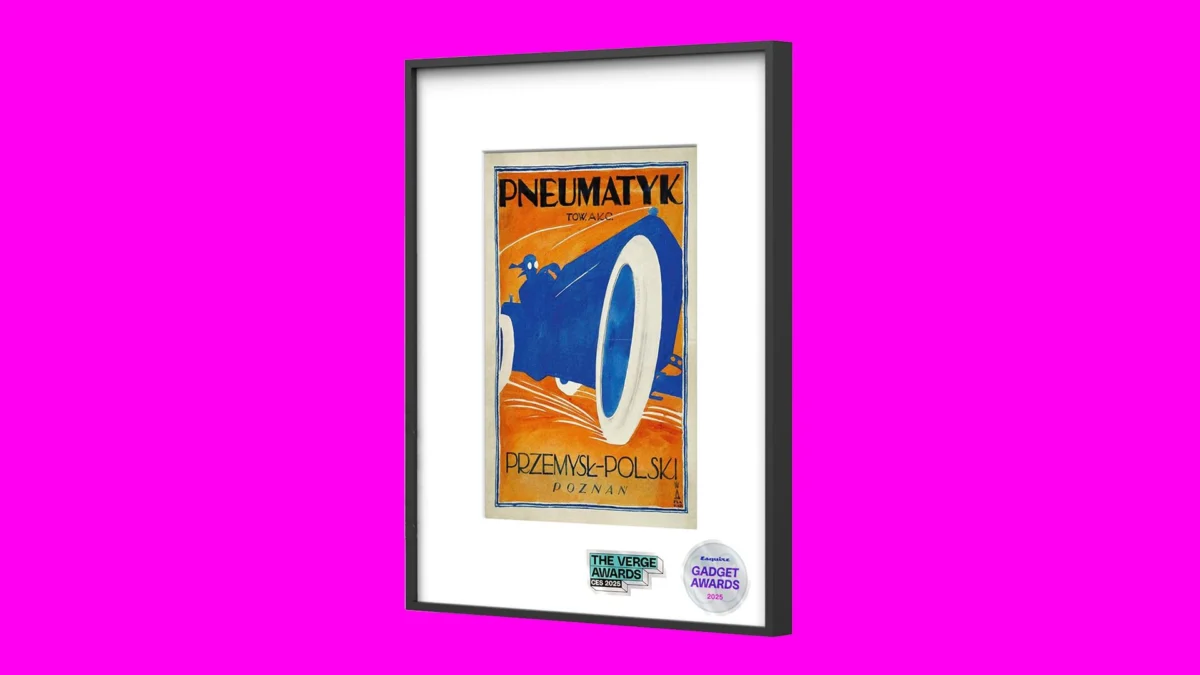
For years, the "Frame TV" has been the gold standard for those wishing to blend modern technology with classic aesthetics. By allowing a television to masquerade as a gallery-grade painting when not in use, these devices promised to eliminate the "black rectangle" eyesore that dominates so many living rooms. However, as the novelty wears off, a more sophisticated, nuanced alternative is emerging: the E-Ink digital art frame.
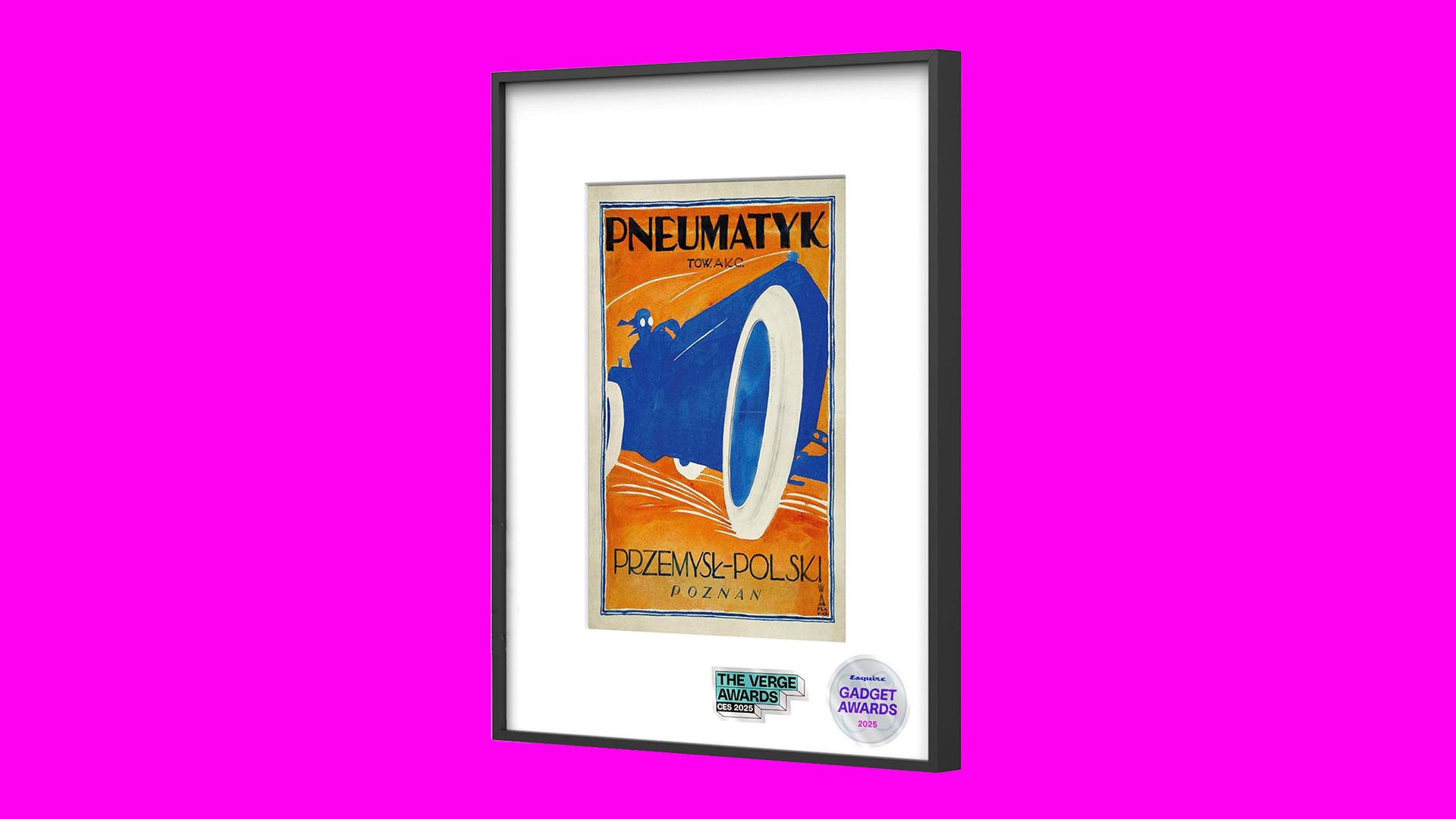
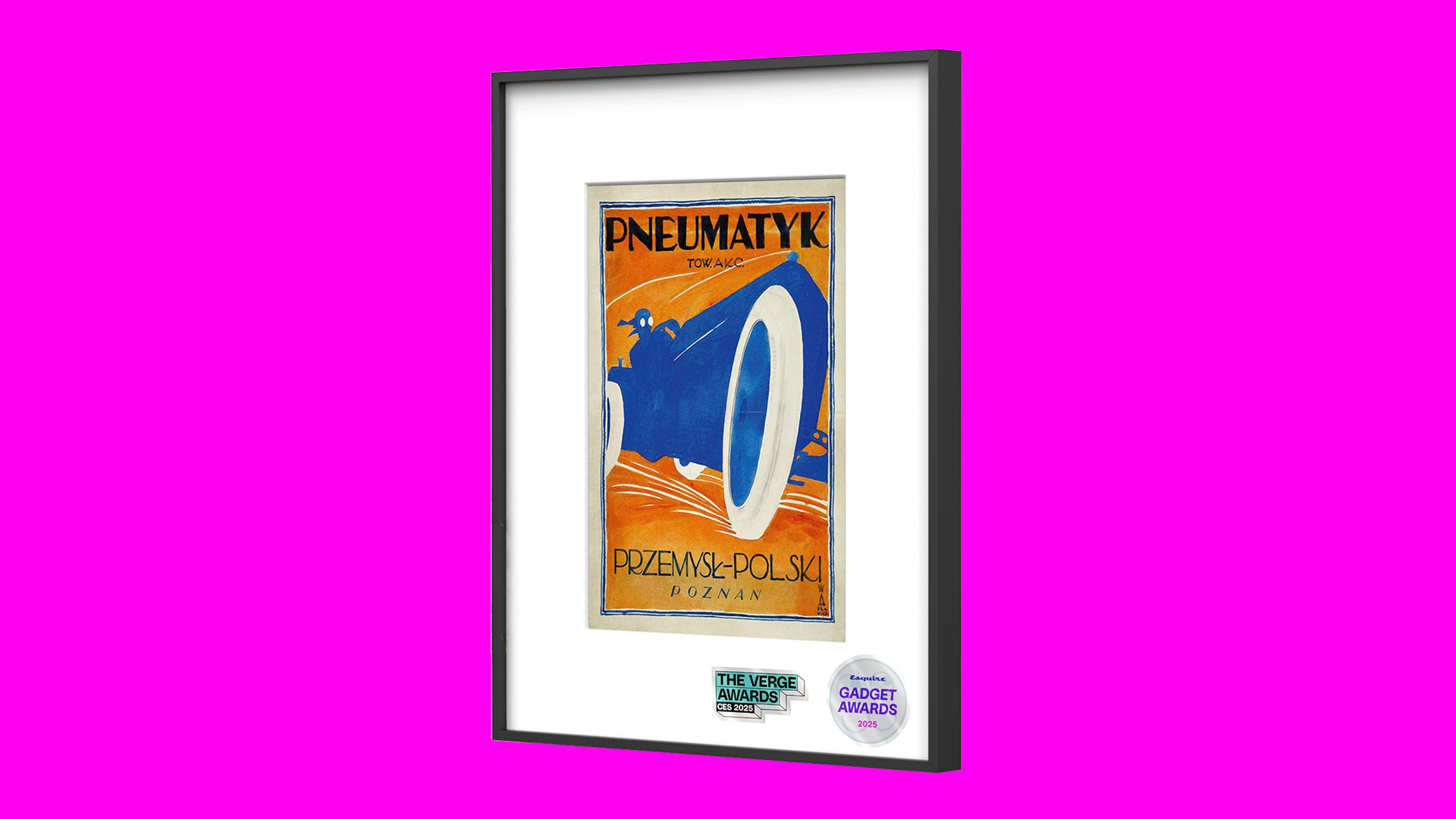
Led by innovative Swiss manufacturers like InkPoster, these displays are challenging the dominance of traditional Frame TVs by offering a more authentic, versatile, and unobtrusive way to curate digital art in the home.
Main Facts: The Shift from Backlit to Reflective Displays
The core difference between a standard Frame TV and an E-Ink display lies in the physics of light. A television—no matter how high the resolution—is a light-emitting device. It relies on a backlight to push photons through a liquid crystal layer. Even at low brightness settings, a TV is essentially a lamp, which creates a "glowing" effect that inevitably gives away the digital nature of the image.
E-Ink (electrophoretic) technology, by contrast, is reflective. It mimics the behavior of ink on paper. It does not emit light; it reflects ambient light from the room. This fundamental difference allows an E-Ink frame to look indistinguishable from a physical canvas or print, regardless of the viewing angle or lighting conditions.
The InkPoster lineup, including the Affresco and the Tela, has become the benchmark for this transition. With entry-level models like the Affresco starting at $499, these devices provide a dedicated, purpose-built art solution that avoids the clutter of cables and the unwanted glare of a traditional LED screen.
Chronology: The Evolution of the Digital Canvas
The journey toward the modern digital frame began with simple, low-resolution "digital photo frames" in the early 2000s, which were marred by poor color reproduction and thick plastic bezels.
- The "Frame TV" Era (2017–Present): Samsung’s The Frame popularized the concept of "lifestyle technology." While successful, it remained a television first and an art piece second. Users were tethered to wall outlets and constrained by the sheer size and weight of a television chassis.
- The E-Ink Emergence (2020–2023): As E-Ink technology moved beyond black-and-white e-readers into color displays (Kaleido and Gallery technologies), boutique firms began experimenting with larger formats. The goal was to replicate the texture and "heft" of a real frame.
- The Refinement Phase (2024–Present): Companies like InkPoster have now moved into high-end finishes. By integrating premium materials—such as Alcantara fabric, collaboration with design houses like Pininfarina, and sophisticated app-based management—the hardware has finally reached a point where it satisfies the discerning eyes of interior designers and art collectors.
Supporting Data: Why Form Factor Matters
When comparing the two technologies, the data regarding user habits and interior design integration reveals a clear winner for art enthusiasts:
- Versatility: A Frame TV requires a proximity to a power outlet and a mounting position centered on a wall, typically at eye level with the sofa. E-Ink frames, specifically the battery-powered variants, can be hung anywhere: a hallway, a kitchen, or a bedroom, without the need for an electrician to hide trailing cables.
- Energy Consumption: A Frame TV consumes significant power to maintain an image. An E-Ink display consumes energy only when the image changes. Once the pigment microcapsules are set, the frame requires zero power to maintain the display, making it infinitely more energy-efficient.
- Authenticity: In our review of the 28.5-inch InkPoster Tela, we found that the matte finish and the "slow transition" of images—where pigment particles physically shift—create a tactile experience. It feels like a living, breathing print rather than a paused video file.
Official Perspectives and Industry Response
Industry experts suggest that the move toward E-Ink is part of a broader trend toward "calm technology." In a world of notifications, flickering screens, and digital noise, the aesthetic appeal of a static, print-like image has immense psychological value.
"The goal of the modern home is to reduce screen fatigue," says one leading interior tech consultant. "When you hang a digital frame that doesn’t emit a blue-light glow, you aren’t just decorating; you are curating an atmosphere. The technology recedes into the background, allowing the art to take center stage."
InkPoster’s design philosophy echoes this. By offering the Tela in variations featuring Alcantara passepartouts, they are acknowledging that the hardware is the furniture. They have shifted the focus from "specs" (refresh rates, contrast ratios) to "presence" (texture, materiality, and finish).
Implications: The Future of Home Curation
The shift from the "Frame TV" to the "E-Ink Art Frame" signifies a maturation in how we consume digital content.
1. The Death of the "Black Rectangle"
The most immediate implication is the liberation of the home aesthetic. We are no longer forced to design our living rooms around a single, massive piece of technology. With smaller, modular E-Ink frames, users can create "gallery walls" that rotate daily, allowing for a dynamic home environment that changes with the season or the user’s mood.
2. Democratizing the Gallery
The accompanying apps for these devices have become powerful curation tools. Users can upload high-resolution files, crop them, and adjust color profiles to match the specific color temperature of their room. This effectively turns every homeowner into a gallery curator, capable of rotating between classic Renaissance oils and modern digital abstract art with a single swipe.
3. Sustainability in Design
Because E-Ink frames are low-power and durable, they align with the growing movement toward sustainable consumer electronics. These devices are built to last, with physical frames that can be updated or maintained, rather than the "throwaway" culture associated with annual TV upgrades.
Conclusion: A New Standard for Digital Art
While the Frame TV will always have a place in home entertainment, it is increasingly viewed as a functional appliance rather than a dedicated art piece. For the individual who prioritizes interior design, the authenticity of the viewing experience, and the freedom of placement, the E-Ink frame is the superior choice.
Whether you opt for the entry-level versatility of the InkPoster Affresco or the high-end tactile luxury of the Tela, you are investing in a technology that understands the assignment: to make digital art feel, for the first time, like the real thing. As we continue to seek ways to balance our digital lives with our physical environments, the quiet, subtle, and infinitely changing canvas of the E-Ink frame is poised to become the definitive centerpiece of the modern home.
 Jia Lissa
  Azzam Bilal Chamdy
  rifanmuazin