
 By Azzam Bilal Chamdy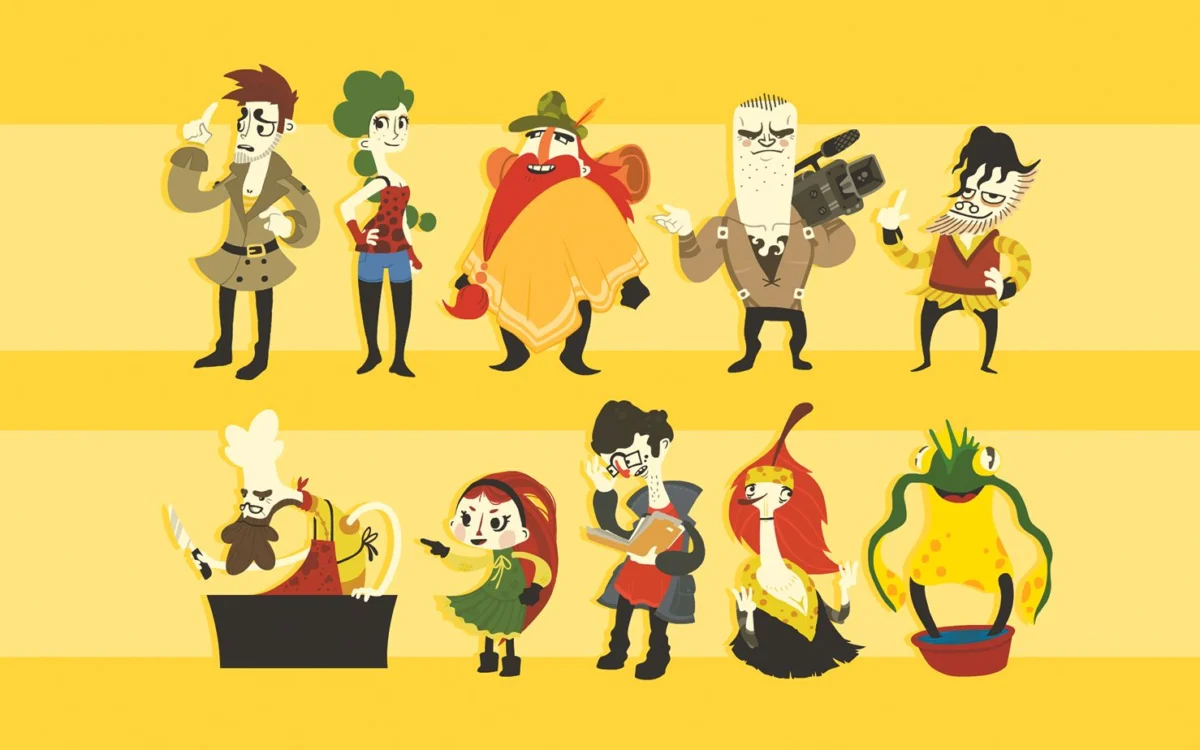
The history of video games is often chronicled through the lens of technological leaps—the transition from the clunky, low-resolution 2D sprites of the 8-bit era to the hyper-realistic, ray-traced 3D environments of today. However, this narrative often risks casting 2D art as a mere artifact of nostalgia. For Adam Vian, one half of the creative force behind SFB Games, 2D art is not a limitation to be outgrown, but a dynamic canvas that evolves alongside the artist’s own developing tastes, professional influences, and technical capabilities.
Having spent over two decades crafting games alongside his brother, Tom, Vian’s journey from a teenage hobbyist on Newgrounds to a seasoned developer working with industry giants like Nintendo and Apple is a testament to the power of rapid iteration and artistic evolution. At the heart of their studio’s identity is the Detective Grimoire series—a long-running murder-mystery franchise that serves as a living history of the Vian brothers’ growth as creators. As they prepare for the release of the series’ fourth installment, The Mermaid Mask, we explore the artistic transformation of a studio that helped define the browser-gaming era and successfully transitioned into the modern indie landscape.
A Legacy Born in the Flash Era
The story of SFB Games began in the early 2000s, an era when the internet was a Wild West of browser-based creativity. Under the moniker "Super Flash Bros," the Vian brothers cut their teeth on the Adobe Flash platform. For a teenager, the barriers to entry were non-existent. "It seemed kind of accessible, like something a teenager could make," Adam Vian recalls. "Video game parodies were a big thing, and the internet didn’t have copyright detection, so you could just post stuff with copyrighted characters or music."
Their first project, Kirby’s Star Scramble, was born out of convenience—Kirby’s simple, round design was easy for a young artist to render. It found success on Newgrounds, sparking a prolific period where the brothers would churn out a new game every week. Tom handled the programming, while Adam focused on art and animation. This "blissful existence," as Adam describes it, served as a crucial proving ground.
"I always think that was this amazing kind of accelerant for us," Vian says. "They say everyone has a thousand bad drawings in them and you have to get them out of the way before you can do a good drawing. For us, it’s like everyone has a hundred bad games in them, and we did them really quickly." This relentless pace allowed the brothers to discard their "bad ideas" at an exponential rate, sharpening their instincts and refining their workflow long before the pressure of high-budget commercial development set in.
Chronology of a Detective: The Grimoire Evolution
The Detective Grimoire series emerged from this early, high-energy environment, heavily inspired by the brothers’ love for adventure classics like Monkey Island and Indiana Jones and the Fate of Atlantis. However, the primary catalyst was Capcom’s Ace Attorney: Phoenix Wright.
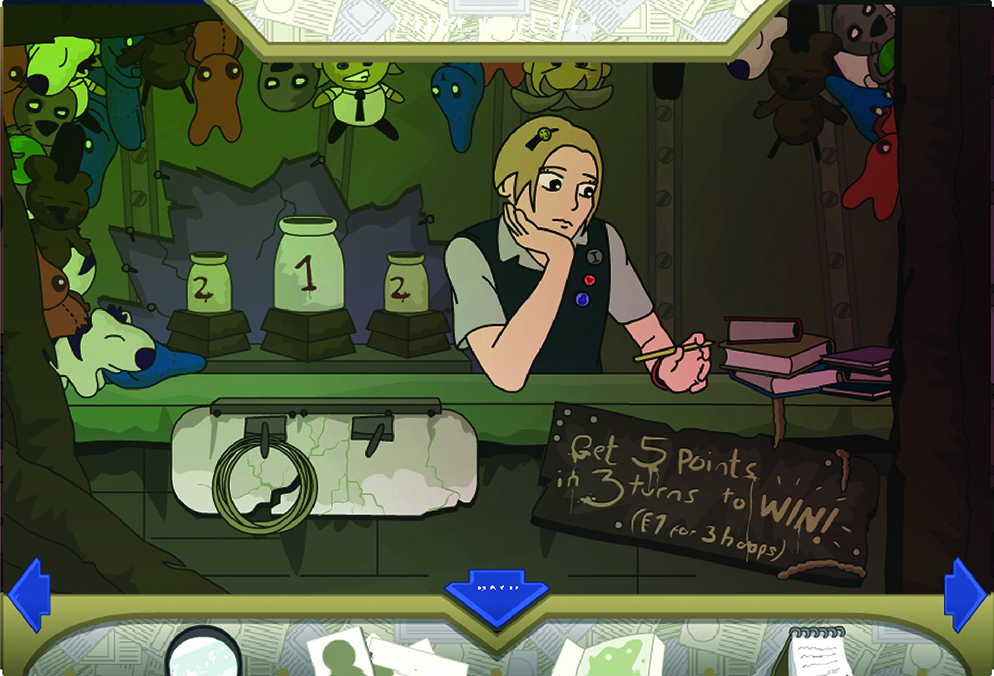
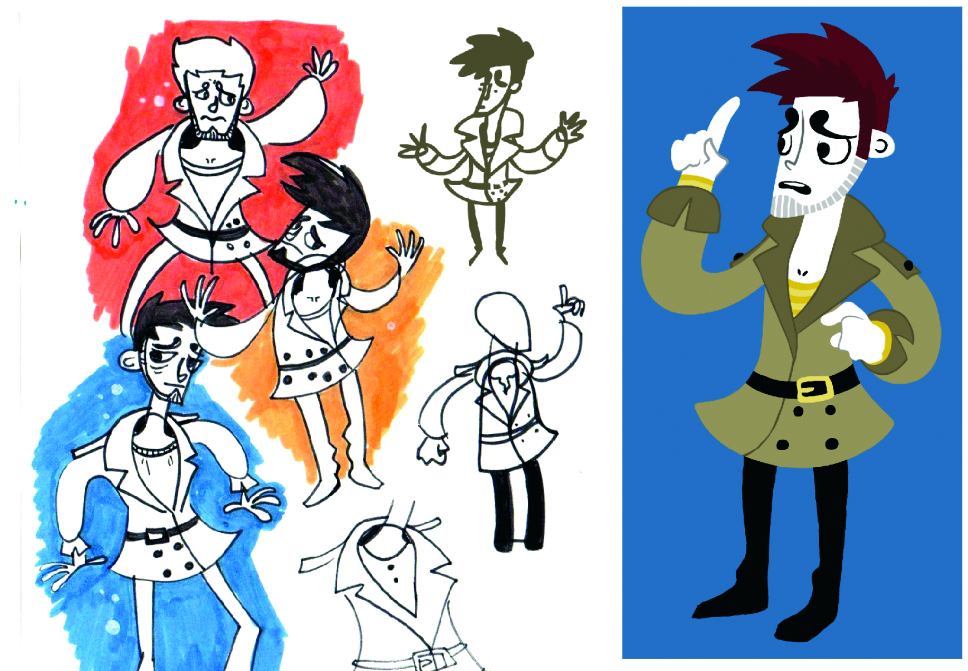
"We thought it was amazing that this is a game where all you really did is click on things and talk to people, and the characters are wacky and it’s funny," Vian explains. At age 17, Vian’s initial design for the detective was standard fare—a man in a brown trenchcoat, a trope-heavy protagonist mirroring Guybrush Threepwood or Detective Gumshoe.
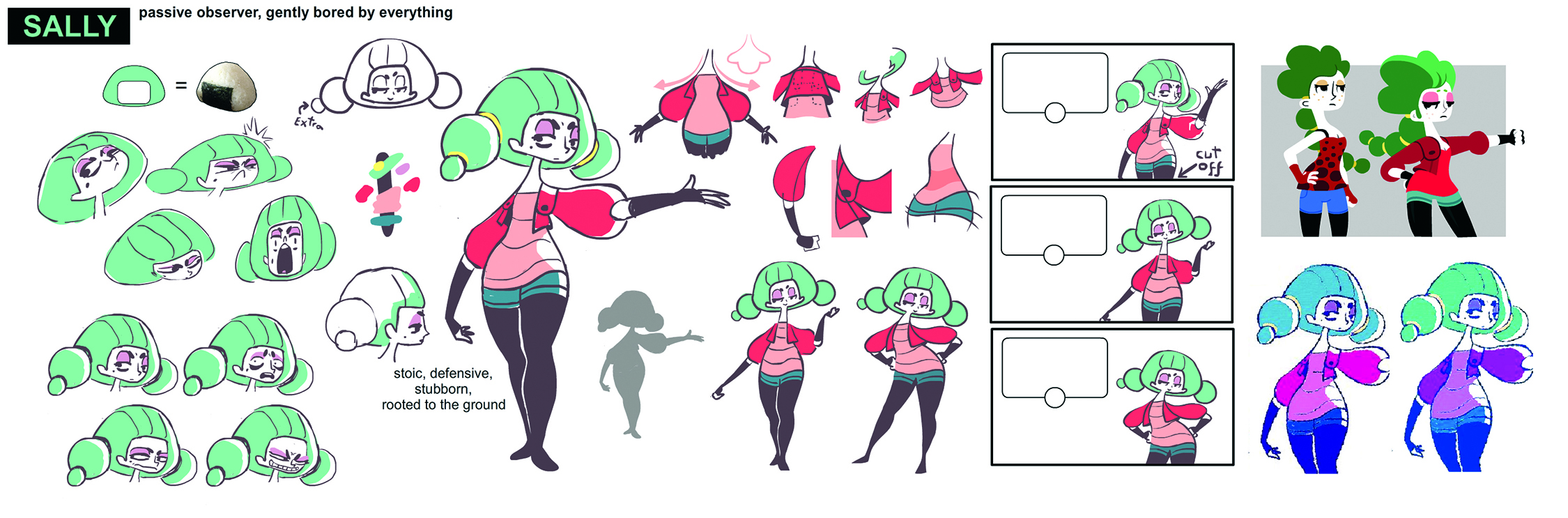
As the series progressed, the visual language underwent radical shifts. Vian’s enrollment at the University for the Creative Arts introduced him to formal training and a wider pool of artistic influences. Crucially, it brought him into contact with artist Catherine Unger, who would become a pillar of the Detective Grimoire aesthetic.
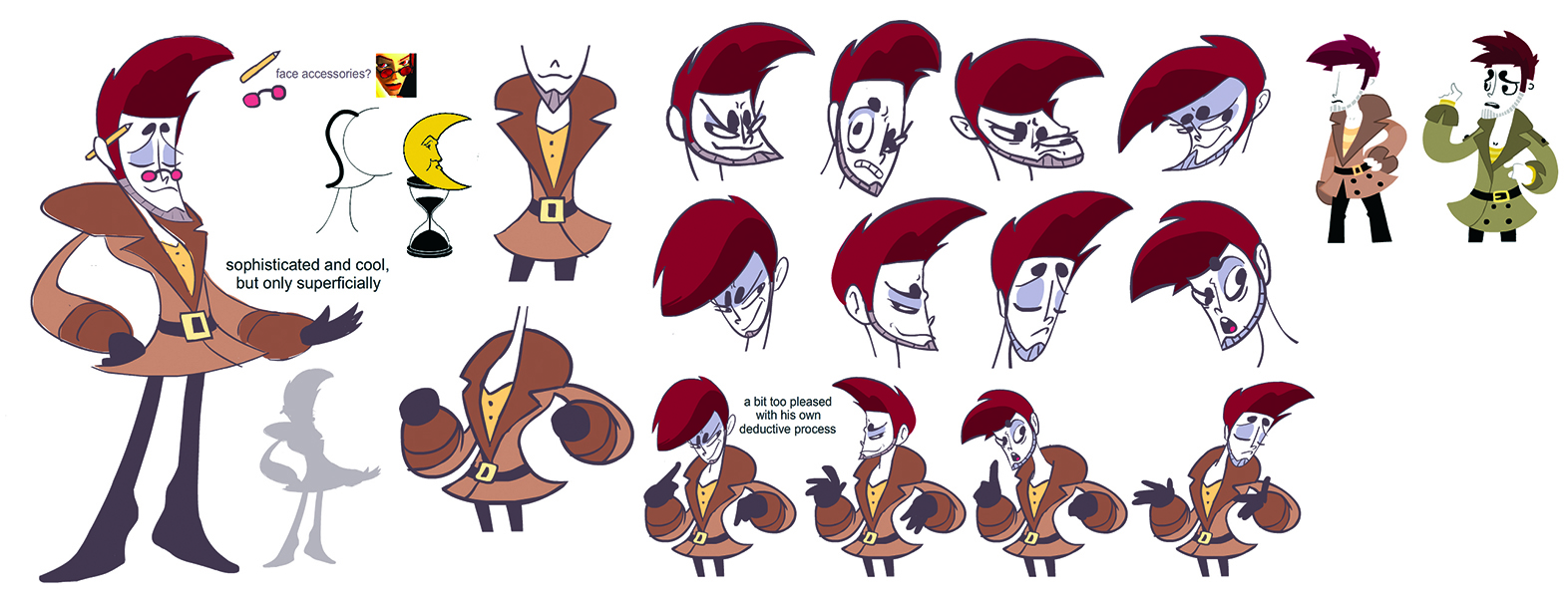
- Secret of the Swamp: During this stage, the design philosophy shifted toward "clean visibility." Influenced by Richard Williams’ The Thief and the Cobbler and the minimalist, shape-driven animation of Genndy Tartakovsky (Samurai Jack), the characters were given pure white skin and bold, exaggerated silhouettes.
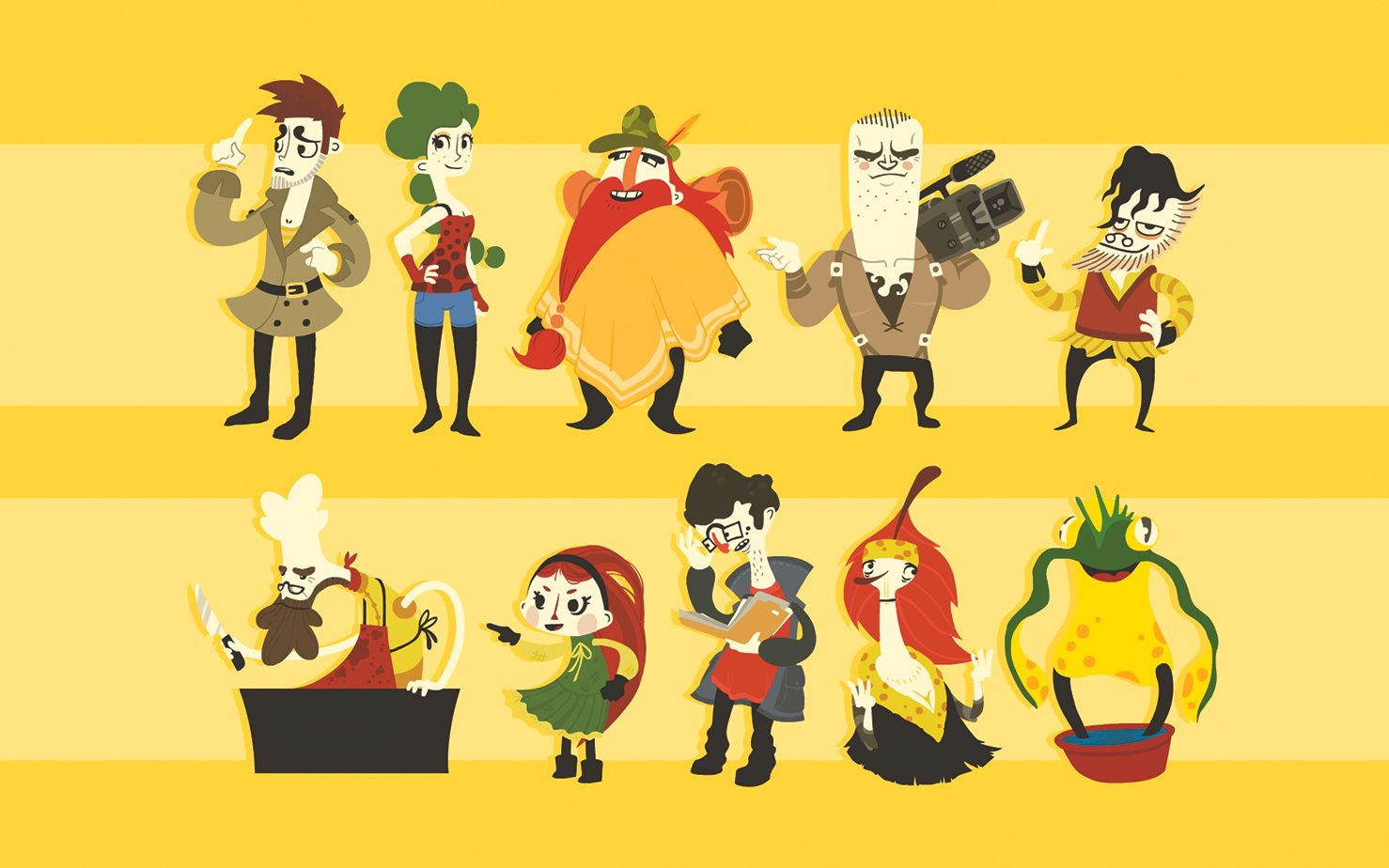
- Tangle Tower: As the team’s technical and artistic proficiency grew, they felt the aesthetic of Secret of the Swamp had aged. For Tangle Tower, the team pivoted to a softer, more colorful, and "blobby" aesthetic, rounding out the edges and embracing a more painterly style.
- The Mermaid Mask: The upcoming fourth installment represents a milestone in the studio’s history. For the first time, the team didn’t scrap their previous engine or visual style. They were able to iterate on existing foundations, marking the first time a Grimoire title feels like a direct, cohesive sequel rather than a reinvention.
The Collaborative Engine: Pre-production and Iteration
The creative process at SFB Games is defined by an extensive pre-production phase. Vian acts as a creative director who views his team—specifically Catherine Unger—not just as staff, but as a critical sounding board.
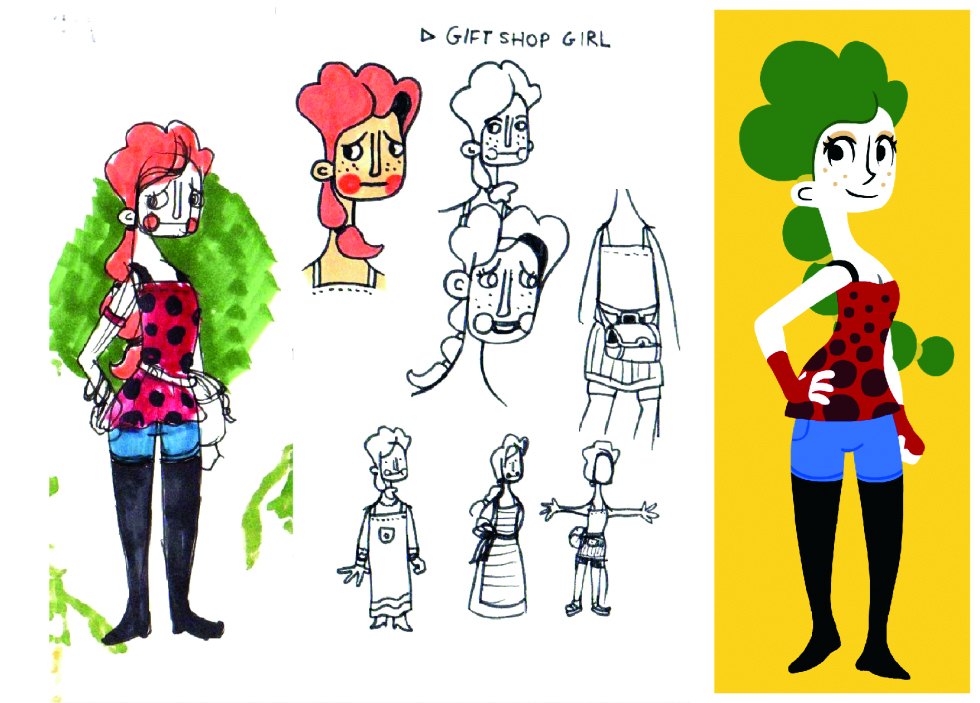
"We’ll start with a vague location and basic ideas, then Catherine and I will start sketching what we think someone might look like, and we just draw loosely," Vian notes. For The Mermaid Mask, the process involved a "blind" design phase where Vian and Unger would create concepts independently before comparing them, allowing for a synthesis of ideas that neither could have achieved alone.
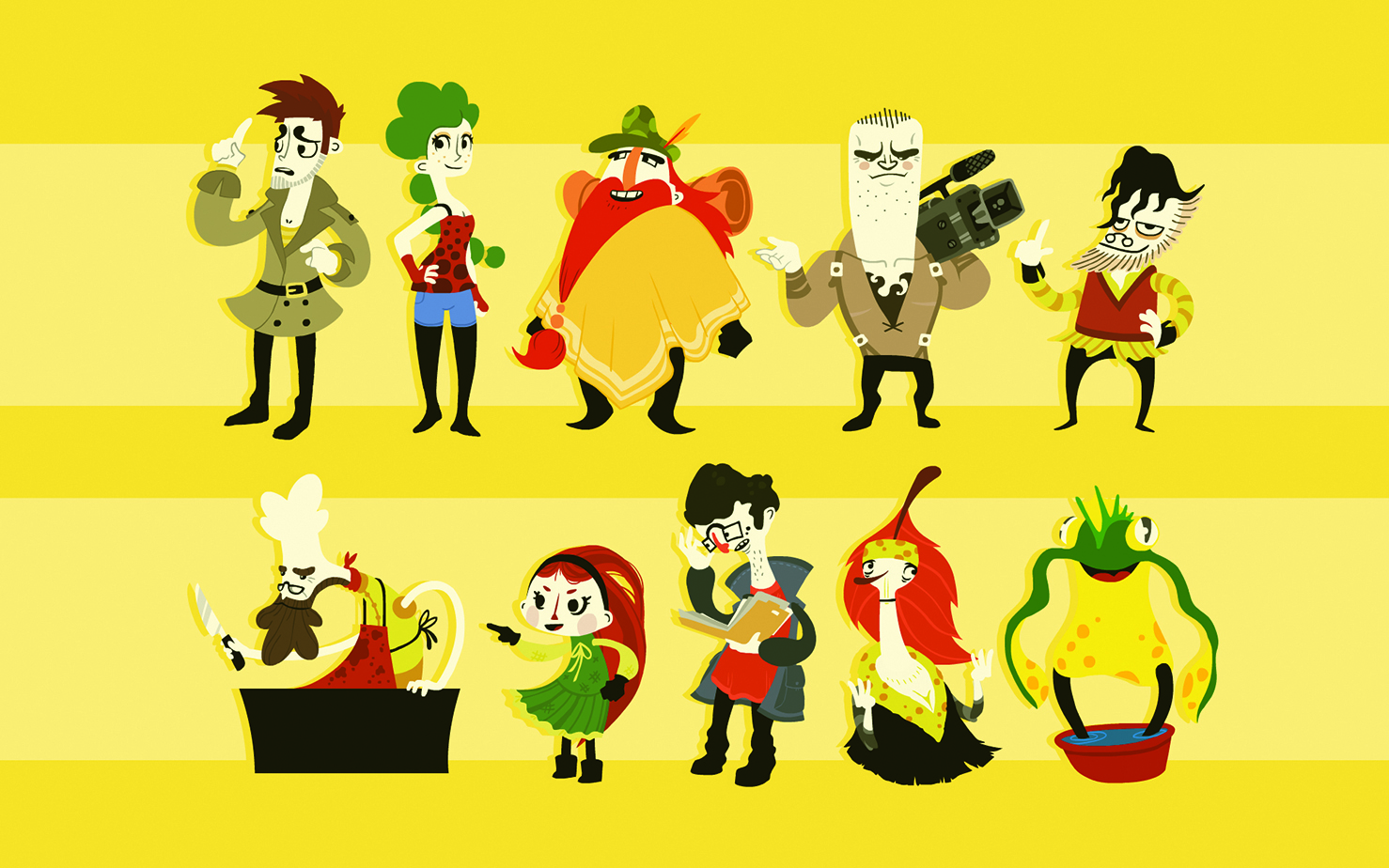
This collaboration extends to the animation team as well. Charlotte Harris, the lead animator, is involved early in the process to ensure that character designs are functional. "We had to basically design each character with a full range of emotion," Vian says. "How do they look when they blink? What do their teeth look like? The kind of body language they might have is so much that goes into the process… you end up staring at them for most of the game, so they have to be really complete."
Integrating 3D: Innovation Without Compromise
One of the most significant challenges in The Mermaid Mask was the integration of 3D elements. The goal was to maintain the series’ signature hand-drawn 2D aesthetic while providing a more tactile experience for the player. The inspiration came from fan art that translated Unger’s 2D paintings into a 3D space.
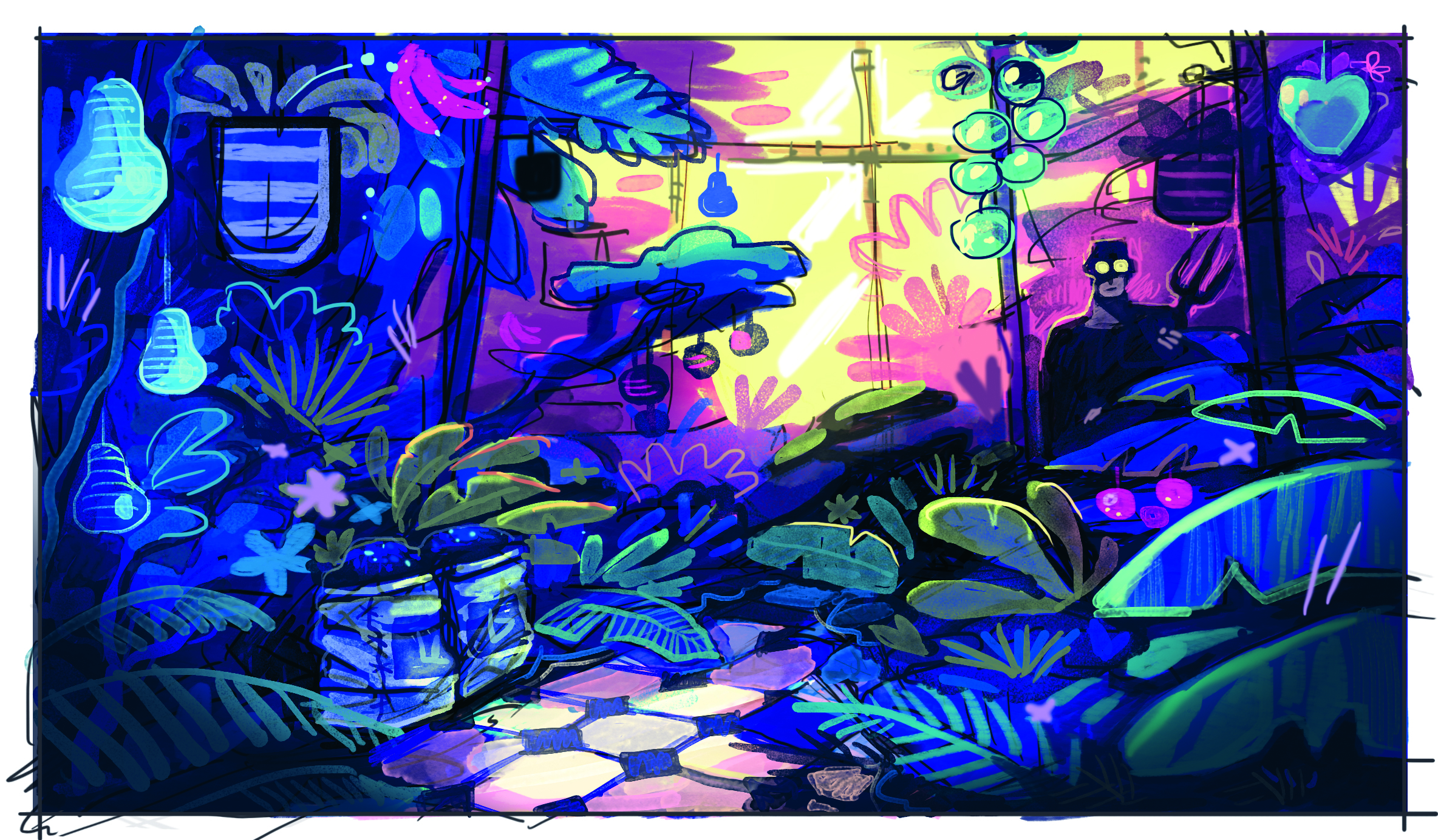
To achieve this, the team brought on 3D artist Kindra Dantone, who specialized in matching Unger’s specific painterly style. The process is a marriage of art and technical wizardry:
- Modeling: Dantone creates the models based on Unger’s final concept paintings.
- Texturing: Textures are hand-painted to emulate the brushwork found in the 2D assets.
- Tech Art: Tom Vian developed a proprietary shader that generates a colored outline around the model. This shader includes a "dynamic wobble" effect, mimicking the slight imperfections of a human hand-drawn brushstroke.
"I really think the 3D clues are the big selling point in the game because there’s so much juice in them," Vian explains. "It’s a lot more like an interactive video game where you get a lot more hands-on rather than like a visual novel."
Implications and Advice for Aspiring Developers
The trajectory of SFB Games offers a roadmap for modern independent developers. By avoiding the common pitfall of attempting a "magnum opus" too early, the Vian brothers built their career on the back of smaller, manageable projects that taught them the discipline of finishing.
"The best thing you can do to gain experience is to actually finish a project," Vian advises. "Getting it ready for release is half the battle. There are lots of people who have grand ideas, like making an open-world RPG, and it never ever gets made because they didn’t have the skills, then they become frustrated and disappointed."
For the industry at large, SFB Games represents a successful transition from the ephemeral nature of Flash games to the longevity of premium, multi-platform titles. By respecting their roots while embracing modern 3D tech, they have managed to keep their artistic identity intact.
Detective Grimoire: The Mermaid Mask is not just another mystery to solve; it is a synthesis of twenty years of learning. It stands as proof that 2D, when nurtured by a consistent artistic vision and tempered by constant iteration, remains one of the most expressive mediums in interactive entertainment. As the series continues to evolve, the partnership between the Vian brothers, Catherine Unger, and their expanded team suggests that the future of the Grimoire series will remain as distinct and vibrant as the hand-drawn lines that defined its inception.
 rifanmuazin
  Pevita Pearce