
 By Dwi Wanna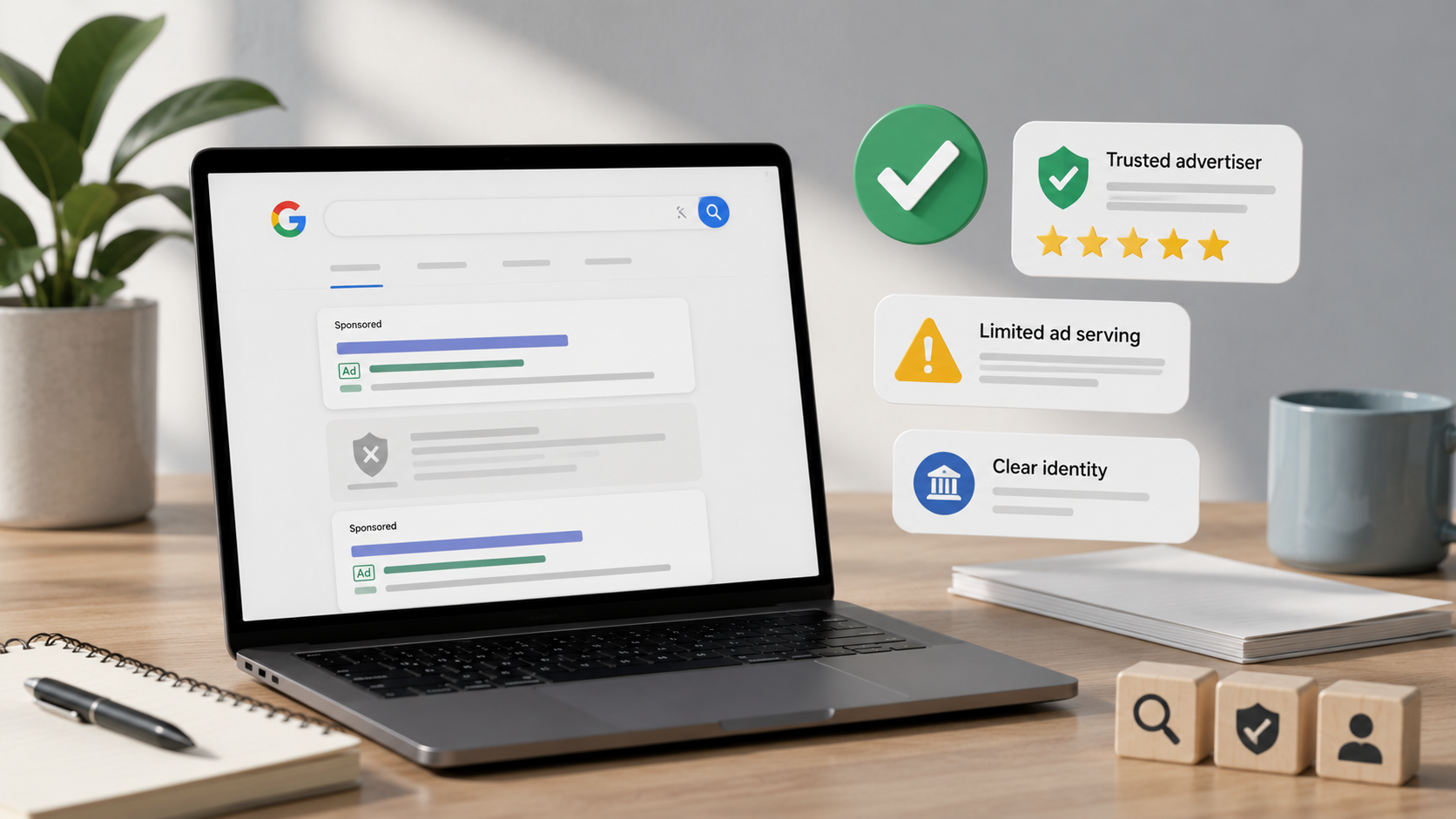
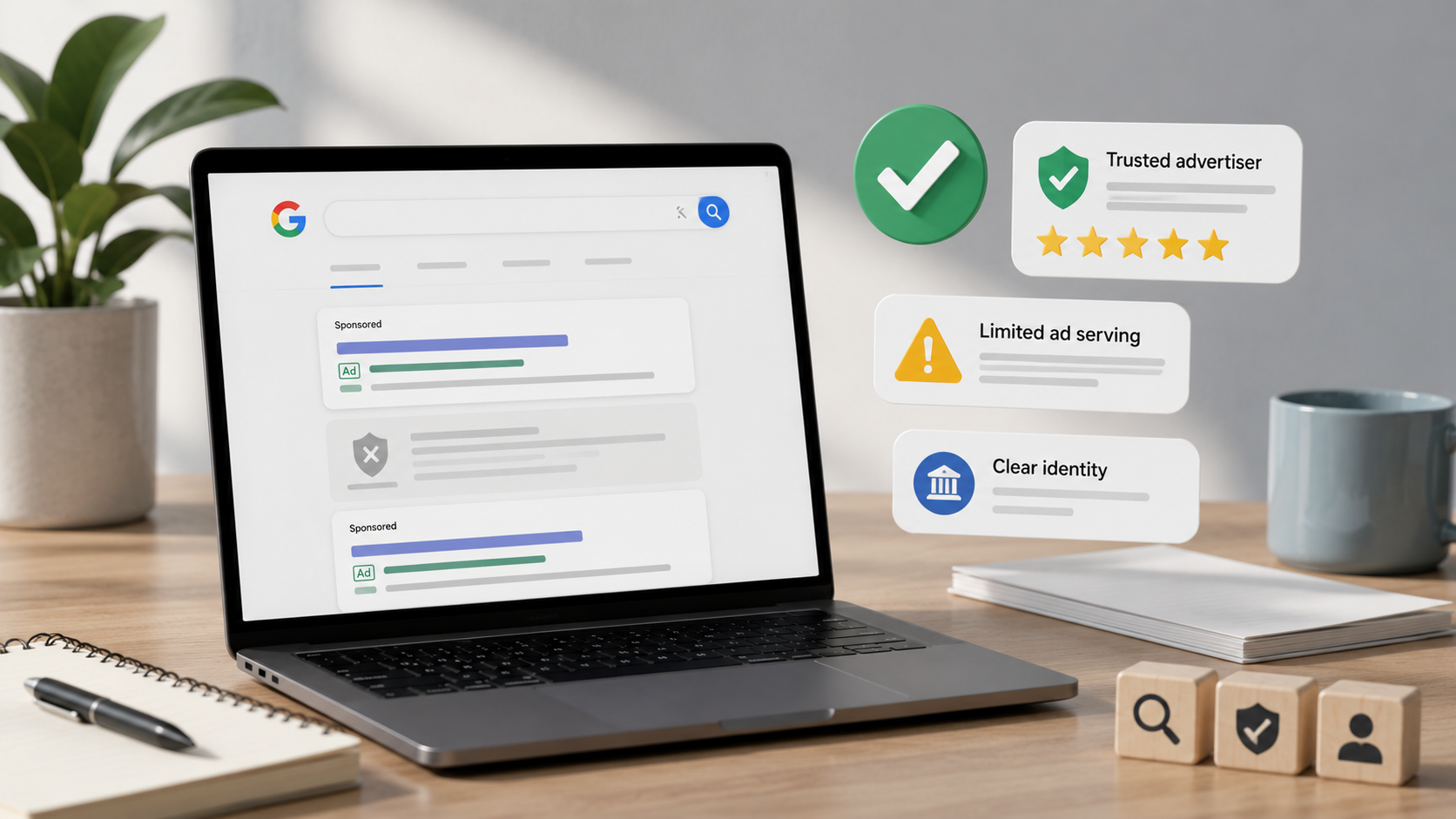
For more than two decades, Google Search has operated on a foundational premise: if an advertiser pays the market rate and complies with explicit policy guidelines, their ads will be served. However, a major shift is underway. Google is dramatically expanding its Limited Ad Serving policy, moving beyond rigid compliance checks to evaluate a softer, more subjective metric: advertiser trustworthiness.
This expansion marks a fundamental change in the digital advertising landscape. Under the updated rules, Google is granting itself unprecedented algorithmic authority to suppress the visibility of advertisers it deems "unqualified," "potentially confusing," or lacking in brand transparency. The policy, which began its rollout recently, will gradually phase in across global search scenarios through 2028.
For the search engine marketing (SEM) industry, this update introduces a new layer of complexity. It threatens to restrict impression share for newer market entrants, small-to-medium-sized businesses (SMBs), and advertisers with generic messaging.
1. Main Facts: The Mechanics of "Limited Ad Serving"
Unlike a standard ad disapproval or an outright account suspension, Limited Ad Serving acts as an algorithmic governor. It does not completely ban an advertiser from the platform; instead, it caps how often their ads appear on specific search queries.
Who is Targetable Under the Expanded Policy?
The broadened policy focuses on three primary categories of advertisers:
- Newer Advertisers: Accounts without a established, multi-month history of policy compliance, stable spend, and positive user interactions.
- Advertisers with Poor User Feedback: Brands that receive a disproportionate number of user complaints, reports of misleading business practices, or negative feedback regarding fulfillment.
- Brands with Unclear Identity: Advertisers whose creative copy, landing pages, or domain names make it difficult for searchers to understand exactly who is behind the ad, or whether they are affiliated with a more prominent parent brand.
                          [ Google Search Query ]
                                     │
                     ┌───────────────┴───────────────┐
                     ▼                               ▼
         [ Trusted Advertiser ]            [ At-Risk Advertiser ]
         • Clear brand identity            • New account / Low spend
         • Positive user history           • Generic ad copy / No brand name
         • Verified domain                 • Poor user feedback / Reports
                     │                               │
                     ▼                               ▼
             [ Full Impressions ]            [ Restricted Impressions ]
             (Unrestricted bidding)          (Algorithmic impression cap)
The Trigger Mechanisms
Google’s automated systems flag accounts based on risk profiles. Searches deemed to have a higher potential for user confusion, financial harm, or scam activity (such as tech support, travel booking, financial services, and local home services) are subjected to the strictest oversight.
If an advertiser’s identity is ambiguous, or if their business model relies on generic arbitrage (e.g., capturing leads to resell them without a clear brand presence), Google will restrict their ad impressions. The goal is to ensure that when a user clicks an ad, they know exactly which business they are engaging with.
2. Chronology: The Evolution of Trust on Google Ads
To understand the scale of this policy expansion, it is helpful to look at the historical trajectory of Google’s trust and safety initiatives over the last several years.
┌────────────────────────┐
│  2020                  │ ──► Advertiser Verification Program launched globally
└────────────────────────┘
┌────────────────────────┐
│  2021                  │ ──► "Three-Strikes" system introduced for repeat violations
└────────────────────────┘
┌────────────────────────┐
│  August 2023           │ ──► Limited Ad Serving Pilot targets brand impersonation
└────────────────────────┘
┌────────────────────────┐
│  Mid-2026 (Present)    │ ──► Policy expanded to general Search; gradual rollout begins
└────────────────────────┘
┌────────────────────────┐
│  2028 (Target)         │ ──► Full global implementation completed
└────────────────────────┘
The Verification Era (2020–2021)
In 2020, Google introduced the Advertiser Verification Program, requiring account holders to submit government-issued identification and business incorporation documents to continue serving ads. In 2021, the company implemented a standardized "Three-Strikes" enforcement system for repeat policy violations, establishing clear, escalating penalties for non-compliance.
The Pilot Phase (August 2023)
In August 2023, Google launched the initial pilot of the Limited Ad Serving policy. Initially, this pilot was narrow in scope, targeting scenarios where there was an elevated risk of brand impersonation or phishing. For instance, if a new advertiser attempted to bid on branded terms like "Amazon Customer Support" or "Delta Airlines Booking," Google capped their impressions until they could verify a legitimate relationship or establish an independent, non-confusing brand presence.
The General Expansion (Present–2028)
The current update represents a major expansion of this initiative. Google is moving beyond protecting well-known trademarks to enforcing "brand transparency" across all standard search queries. This transition is scheduled to roll out progressively, with full global integration expected by 2028. This long runway suggests that Google is continuously training its machine-learning models to evaluate advertiser trustworthiness at scale.
3. Supporting Data: The Rising Tide of Ad Fraud and User Friction
Google’s shift toward trust-based ad serving is driven by data on ad fraud, consumer complaints, and the rise of AI-generated web spam.
According to Google’s annual Ads Safety Report, the company blocks or removes billions of ads each year. In 2023 alone, Google blocked or removed over 5.5 billion ads and suspended more than 12.7 million advertiser accounts—a significant increase from previous years.
| Metric | 2021 | 2022 | 2023 |
|---|---|---|---|
| Ads Blocked/Removed | 3.4 Billion | 5.2 Billion | 5.5 Billion |
| Accounts Suspended | 5.6 Million | 6.7 Million | 12.7 Million |
The rise of generative AI has made it easier for bad actors to generate highly polished, yet misleading, landing pages and ad copy at scale. This has made traditional keyword- and policy-based filters less effective.
By using "Limited Ad Serving" as a buffer, Google can restrict the reach of unverified or generic accounts before they can cause widespread consumer harm. This shifts the platform’s stance from a reactive "review and remove" approach to a proactive "restrict until trusted" model.
4. Industry and Official Responses
Google’s Official Stance
Google maintains that this update is necessary to protect the integrity of its search results and maintain user trust in paid listings. In its official policy documentation, the company states:
"We want to give users a safe and trustworthy ad experience. This policy limits the reach of ads that have a higher potential to cause confusion or lead to a poor user experience. It gives newer advertisers the opportunity to build trust over time, while ensuring established, transparent brands can continue to reach their audiences effectively."
Google emphasizes that the policy is designed to be educational rather than purely punitive. Advertisers flagged for limited serving are encouraged to complete verification programs, clarify their branding, and address any negative user feedback to regain full impression share.
Industry Backlash and the "Black Box" Critique
The response from the digital marketing community has been much more critical. The update was first highlighted publicly by Anthony Higman, founder of the digital advertising agency Adsquire, who shared his concerns on LinkedIn.
Higman and other search marketing experts argue that the policy gives Google too much unilateral control, creating a "guilty until proven innocent" environment for new businesses.

                  ┌─────────────────────────────────────┐
                  │      Industry Concerns Regarding    │
                  │      Limited Ad Serving Expansion   │
                  └──────────────────┬──────────────────┘
                                     │
         ┌───────────────────────────┼───────────────────────────┐
         ▼                           ▼                           ▼
┌─────────────────┐         ┌─────────────────┐         ┌─────────────────┐
│  SMB & Startup  │         │  The Black Box  │         │   Contradictory │
│    Disadvantage │         │    Appeals      │         │  Best Practices │
│ New players struggle     │ Hard to identify│ Pins restrict RSA│
│ to build initial        │ trigger, slow   │ optimization,   │
│ search traction.        │ resolution times│ hurts Quality.  │
└─────────────────┘         └─────────────────┘         └─────────────────┘
The core concerns within the PPC (Pay-Per-Click) community focus on three main areas:
- Disadvantages for Startups and SMBs: A local business launching its first Google Ads campaign does not have the historical data or brand recognition of an established competitor. Under this policy, their ads may be restricted simply because they are new, making it harder to gain early traction.
- The "Black Box" of Algorithmic Decisions: Advertisers often struggle to get clear explanations when automated systems flag their accounts. A business can see its impressions drop without a clear explanation of which specific ad, landing page, or piece of feedback triggered the restriction.
- Contradictory Guidance on Responsive Search Ads (RSAs): To comply with the new emphasis on brand identity, Google recommends pinning a domain or brand headline to the first position of Responsive Search Ads. However, Google’s own system algorithms have long advised against pinning headlines, warning that it reduces the machine-learning system’s ability to optimize ad combinations and can lower an ad’s "Ad Strength" rating.
5. Strategic Implications and Actionable Playbook
The expansion of Limited Ad Serving marks a shift in how search campaigns must be managed. Compliance is no longer just about avoiding forbidden keywords; it requires demonstrating brand authenticity at every touchpoint.
To navigate this new landscape, advertisers should adapt their strategies in several key areas:
A. Prioritize Brand Identity in Ad Copy
Generic, clickbait-style ad copy is now a potential liability. Headlines like "Affordable Plumbing Services – Call 24/7" without any brand name can trigger algorithmic flags for unclear identity.
- Action: Ensure your brand name is clearly visible in at least one headline and one description line.
- The Pinning Dilemma: If your account is new or in a high-risk industry, follow Google’s recommendation to pin your brand name or verified domain to Headline Position 1. While this may slightly lower your automated "Ad Strength" score, it helps protect your campaign from being flagged for limited serving.
[ Recommended RSA Configuration for Trust ]
┌────────────────────────────────────────────────────────┐
│ Headline 1 (PINNED):  [Your Brand Name] or [Domain]    │ ◄── Establishes Identity
├────────────────────────────────────────────────────────┤
│ Headline 2 (Dynamic): Premium Plumbing Services        │
├────────────────────────────────────────────────────────┤
│ Headline 3 (Dynamic): 24/7 Emergency Repairs           │
└────────────────────────────────────────────────────────┘
B. Audit Landing Pages for Trust Signals
Google’s crawlers evaluate landing pages to confirm that the advertiser’s identity matches the ad copy.
- Action:
- Display your company logo, physical address, phone number, and email address prominently on your landing page.
- Include links to your Privacy Policy, Terms of Service, and About Us pages in the footer.
- If you are an authorized dealer or affiliate of another brand, clearly state that relationship (e.g., "An Authorized Reseller of [Brand]") to prevent flags for unauthorized brand representation.
C. Proactively Manage Business Verification
Do not wait for Google to prompt you for verification. Completing these steps early can help prevent sudden drops in impression share.
- Action: Complete the Advertiser Verification process immediately upon setting up a new account. Ensure that the billing details, business registration documents, and domain registration info all match exactly.
D. Monitor and Manage External Trust Signals
Because Google is incorporating user feedback into its ad-serving decisions, your reputation off the platform now directly impacts your paid search performance.
- Action: Monitor user feedback channels, including Google Business Profiles, the Better Business Bureau (BBB), and social media. Implement proactive customer service programs to resolve complaints before they escalate into official reports to Google.
Summary: A New Paradigm for Paid Search
Google’s expanded Limited Ad Serving policy reflects a broader trend toward algorithmic curation and identity verification across the web. While the policy aims to protect users from scams and misleading ads, it also introduces new challenges for legitimate advertisers, particularly smaller businesses and startups.
Success in this new environment requires a shift in focus. Advertisers can no longer rely solely on high bids and optimized keywords; they must also build and maintain a clear, verifiable brand identity. As Google continues to roll out these changes through 2028, transparency and trust are becoming as critical to search visibility as budget and bid strategies.
 Jia Lissa
  Nana Muazin
  Layla Zulfa