
 By Siti Muinah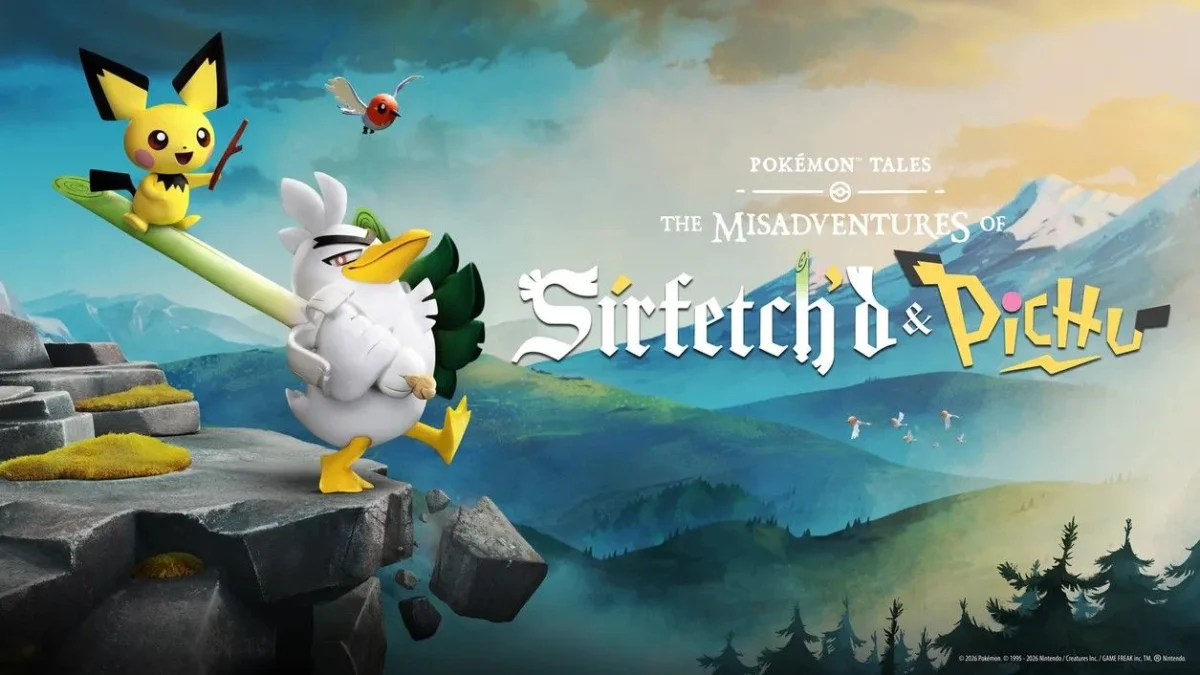
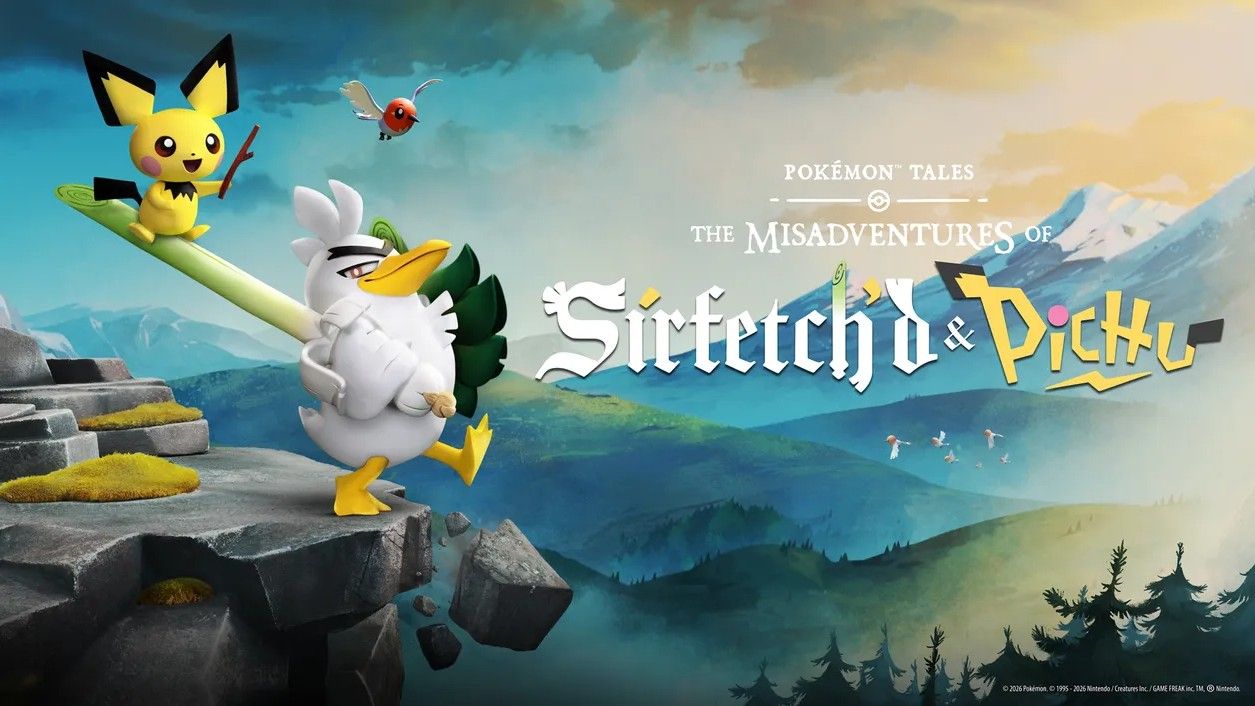
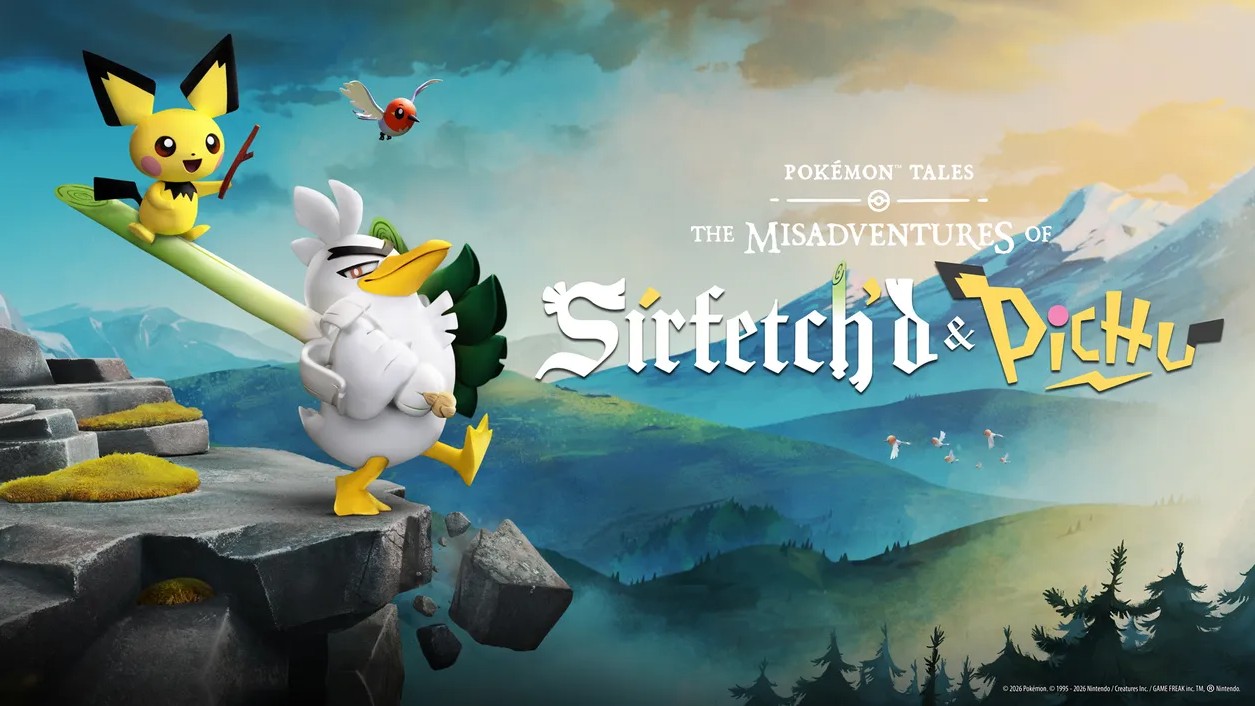
GENEVA, SWITZERLAND – In an era increasingly defined by the rapid ascent of artificial intelligence and the drive for instant content generation, the world’s largest media franchise has made a profound and deliberate choice. The Pokémon Company, a titan whose influence spans video games, anime, trading cards, and film, recently unveiled a new collaboration that sends a clear, unequivocal message about the enduring value of human artistry: a stop-motion animated series titled Pokémon Tales: The Misadventures of Sirfetch’d & Pichu, produced by the venerable British studio Aardman Animations.
Announced at the prestigious Annecy International Animation Film Festival, this partnership, slated for a 2027 release and set within the beloved Galar region, is more than just a creative venture. It is a strategic statement, a reaffirmation of tangible craftsmanship, and a bold counter-narrative to the prevailing winds of automation in the creative industries. By opting for the meticulously slow, frame-by-frame process of stop-motion animation, Pokémon is not merely commissioning content; it is investing in a philosophy, championing the "vivid physicality" and "warmth" that only human hands can impart.
The Unconventional Alliance: Pokémon Embraces Aardman’s Craft
The news of Pokémon Tales: The Misadventures of Sirfetch’d & Pichu quickly resonated through the global animation and entertainment landscape. This upcoming stop-motion series, featuring the noble Sirfetch’d and the electric-type Pokémon Pichu, promises a distinctive visual and narrative style unlike anything seen before in the vast Pokémon universe. The choice of Aardman, renowned for its distinctive claymation and stop-motion masterpieces such as Wallace & Gromit and Shaun the Sheep, immediately signals a commitment to a particular aesthetic and a rejection of more conventional, often faster, digital production methods.
Set in the Galar region, a locale inspired by the United Kingdom and introduced in the Pokémon Sword and Shield video games, the series will immerse audiences in a world reimagined through Aardman’s unique lens. This isn’t the first time Pokémon has ventured into alternative animation styles; the 2023 Netflix series Pokémon Concierge, produced by Dwarf Studio, also utilized stop-motion, albeit with a different artistic approach. However, the sheer scale and global recognition of Aardman elevate this new announcement to a different echelon of significance. The collaboration suggests a thoughtful strategy to diversify the brand’s creative output, offering a fresh perspective that appeals to both long-time fans and new audiences drawn to Aardman’s universally beloved style. The decision to embark on a project with a projected release date of 2027 further underscores the understanding that true craftsmanship cannot be rushed; it requires patience, precision, and dedicated human effort.
A Legacy of Innovation: Tracing the Paths of Two Global Icons
To fully appreciate the weight of this announcement, it is crucial to understand the distinct trajectories and philosophies of the two entities involved. Both Pokémon and Aardman, in their own ways, represent pinnacles of creative innovation and cultural impact.
Pokémon’s Unprecedented Global Footprint
Since its inception in 1996 with the release of Pokémon Red and Green in Japan, the Pokémon franchise has evolved into an unparalleled global phenomenon. What began as a pair of role-playing video games for the Game Boy quickly expanded into a multimedia empire encompassing a wildly popular anime series, feature films, a highly successful trading card game, manga, toys, and an extensive range of merchandise. With a staggering total revenue estimated to be well over $100 billion, Pokémon stands as the highest-grossing media franchise of all time, surpassing even giants like Star Wars and Marvel.
This immense success is built on a foundation of consistent quality, compelling character design, and an ever-expanding universe that fosters a deep sense of connection and nostalgia among its vast fanbase. The core appeal lies in its collectibility, exploration, and the emotional bonds forged between trainers and their Pokémon. The franchise has consistently pushed boundaries, adapting to new technologies and platforms while maintaining its core identity. Its willingness to experiment with diverse artistic styles, as seen with Detective Pikachu‘s live-action CGI or Pokémon Concierge‘s more whimsical stop-motion, demonstrates a strategic flexibility that allows it to continually refresh its brand image.
Aardman’s Distinctive Mark: The Art of Stop-Motion
On the other side of this partnership stands Aardman Animations, a studio that has steadfastly championed the art of stop-motion animation for nearly five decades. Founded in 1972 by Peter Lord and David Sproxton, Aardman quickly established itself as a beacon of meticulous, handcrafted storytelling. Their early work, including the beloved character Morph, showcased a unique blend of humor, charm, and innovative animation techniques. It was with Wallace & Gromit, created by Nick Park, that Aardman achieved international acclaim, earning multiple Academy Awards and cementing stop-motion’s place in mainstream cinema.
The essence of Aardman’s appeal lies in its "visible labour." Audiences can almost feel the texture of the clay, discern the minute adjustments made to each character, and appreciate the immense dedication required to bring these stories to life frame by painstaking frame. This tactile quality, a direct result of the stop-motion process—where physical models are moved incrementally and photographed—imbues their creations with a warmth and personality that is difficult to replicate through other means. In a world increasingly dominated by sleek, often sterile, digital animation, Aardman’s commitment to this traditional, labor-intensive craft stands out as a testament to artistic integrity and the power of human touch. Their productions are not just animated films; they are miniature worlds brought to life with unparalleled charm and attention to detail.
A Deliberate Counter-Narrative: Craft in the Age of AI
The collaboration between Pokémon and Aardman emerges at a pivotal moment for the creative industries, where the promise and peril of artificial intelligence loom large. The decision to invest in a slow, artisanal process like stop-motion, rather than a faster, cheaper digital alternative, feels less like a stylistic preference and more like a profound philosophical declaration.
The Ubiquity and Limitations of AI-Generated Content
In recent years, AI-generated imagery and content have become ubiquitous. Tools capable of producing visuals, text, and even basic animations with unprecedented speed and cost-efficiency have flooded the market. For many businesses, the allure of AI lies in its potential to streamline workflows, reduce expenses, and generate vast quantities of content on demand. However, this proliferation has also exposed significant limitations. Much of the AI-generated output, while technically competent, often lacks originality, depth, and the intangible "soul" that human creativity provides. Common critiques include a tendency towards generic aesthetics, uncanny valley effects, ethical concerns surrounding data sourcing and intellectual property, and a pervasive sense of blandness that leaves audiences feeling disengaged. The speed of generation often comes at the cost of genuine artistic intent and emotional resonance.
Against this backdrop, the choice made by The Pokémon Company stands in stark contrast. It implicitly acknowledges that while AI can replicate, it struggles to innovate with genuine feeling or to infuse a project with the unique "quirks and eccentricities" that define true artistry.
The Tangible Allure of the Handmade
Aardman’s entire brand identity is built upon the visible evidence of human effort. From the subtle thumbprints on a clay model to the intricate details of a miniature set, their work is a celebration of the handmade. This tangible quality resonates deeply with audiences because it speaks to authenticity and meticulous dedication. In a world where screens mediate so much of our experience, there’s a growing appreciation for things that feel real, crafted, and imbued with human intention.
Pokémon, a brand built on the collectibility of its creatures and the detailed craftsmanship of its world-building, clearly understands this inherent value. The tactile nature of collecting Pokémon cards, the physical presence of plush toys, and the intricate design of its video game worlds all tap into a similar desire for tangible connection. By partnering with Aardman, Pokémon leverages this shared philosophy, creating an animated experience that is not merely consumed but felt and appreciated for its genuine artistry. It’s a recognition that in an increasingly digital and automated landscape, the human touch becomes not a luxury, but a necessity for true distinction and lasting appeal.
Voices from the Studios: Celebrating the Art of Animation
The official statements from key figures involved in the collaboration further underscore the profound emphasis on craft and human connection. These aren’t just corporate platitudes; they articulate a deep-seated belief in the power of stop-motion to convey unique qualities.
Sarah Cox, Aardman’s chief creative director, spoke passionately about bringing "the vivid physicality of stop frame animation" into the Pokémon world. This phrase encapsulates the very essence of Aardman’s work: the ability to create a sense of tangible reality, where characters and environments possess a weight and presence that can be almost felt. She highlighted the team’s commitment to creating a "hand-crafted spin" that celebrates the "quirks and eccentricities" of the characters. This isn’t about generic replication; it’s about imbuing each Pokémon and every scene with a unique personality and charm that comes directly from the animators’ interpretations and meticulous adjustments. The human element, with its capacity for subtle imperfection and nuanced expression, is precisely what brings these animated figures to life in a way that algorithmic generation often struggles to achieve.
Phil Rynda, The Pokémon Company’s director of original animation, echoed this sentiment, praising the "warmth" evident in "every brilliantly crafted frame." The term "warmth" is particularly telling. It speaks to an emotional resonance, a sense of care and affection woven into the fabric of the animation. This warmth is the antithesis of the often cold and clinical aesthetic of purely digital or AI-generated content. It suggests a comfort, an inviting quality that draws viewers in and fosters a deeper emotional connection. The phrase "brilliantly crafted frame" is a direct homage to the labor-intensive nature of stop-motion, acknowledging that each individual frame is a miniature work of art, carefully composed, lit, and captured. These statements collectively represent a powerful affirmation of craft over content, emphasizing the artistic process as much as the final product.
Broader Implications: A Beacon for the Creative Industries
The Pokémon Tales: The Misadventures of Sirfetch’d & Pichu collaboration carries significant implications, extending far beyond the realm of children’s entertainment. It serves as a potent reminder and a potential roadmap for the broader creative industries navigating the complex landscape of automation.
Reaffirming the Value of Human Skill
For creative professionals worldwide, this announcement is a significant morale boost. In an environment where budgets are tightening and AI tools promise to cut costs and potentially displace human labor, Pokémon’s decision to partner with Aardman sends a clear message: human hands and decades of accumulated skill are still immensely valuable, commanding a premium for their unique contributions. Aardman secured this commission not because it was the fastest or cheapest option, but precisely because nothing else looks, moves, or feels quite like its work. This reaffirms that true differentiation in the creative economy will increasingly come from distinct human artistry, not from algorithmic efficiency. It encourages artists, animators, and designers to hone their craft, develop unique styles, and emphasize the irreplaceable human element in their work. The market, as demonstrated by the world’s most valuable franchise, is willing to pay for authenticity and unparalleled quality.
Setting a Precedent for Brand Strategy
From a brand strategy perspective, this collaboration is a masterclass in differentiation. In an increasingly crowded and homogenized digital space, major brands face the challenge of standing out and maintaining genuine connection with their audience. By choosing Aardman, Pokémon is not just creating a new series; it is investing in its brand equity, associating itself with timeless quality, artistic integrity, and a heartfelt approach to storytelling. This strategic move could set a precedent for other global brands, prompting them to consider how they can leverage traditional crafts and human-centric approaches to build deeper, more meaningful relationships with consumers. It suggests that long-term brand building might increasingly rely on tangible, authentic experiences rather than purely digital, mass-produced content. The message is clear: in a world saturated with the "generated," the "made" stands out.
The Future of Authenticity in Entertainment
The partnership highlights a growing bifurcation in entertainment: content that is "generated" versus content that is "made." As AI tools become more sophisticated, audiences are also becoming more discerning. While they may not always be able to articulate why, many can instinctively sense the difference between something crafted with human intent and something assembled by algorithms. This inherent desire for authenticity and genuine connection suggests a future where high-quality, human-made creative work will be increasingly prized. The "craft renaissance" observed in various industries, from artisanal food to handmade goods, is now manifesting profoundly in the digital realm. Pokémon and Aardman are at the forefront of this movement, demonstrating that celebrating the slow, deliberate, and deeply human process of creation can yield unparalleled artistic and commercial success.
In conclusion, The Pokémon Company’s collaboration with Aardman for Pokémon Tales: The Misadventures of Sirfetch’d & Pichu is far more than a simple production deal. It is a powerful declaration in favor of human creativity, meticulous craft, and the enduring value of the handmade. At a time when so much creative work is being automated by default, one of the planet’s most valuable entertainment brands has chosen, very visibly, to do the opposite. This bold step not only promises a charming and unique new addition to the Pokémon canon but also serves as an inspiring beacon for creative professionals and a testament to the irreplaceable soul of human artistry in an ever-evolving digital world.
 Evan Lee Salim
  Nana
Nana  Ammar Sabilarrohman