
 By Ammar Sabilarrohman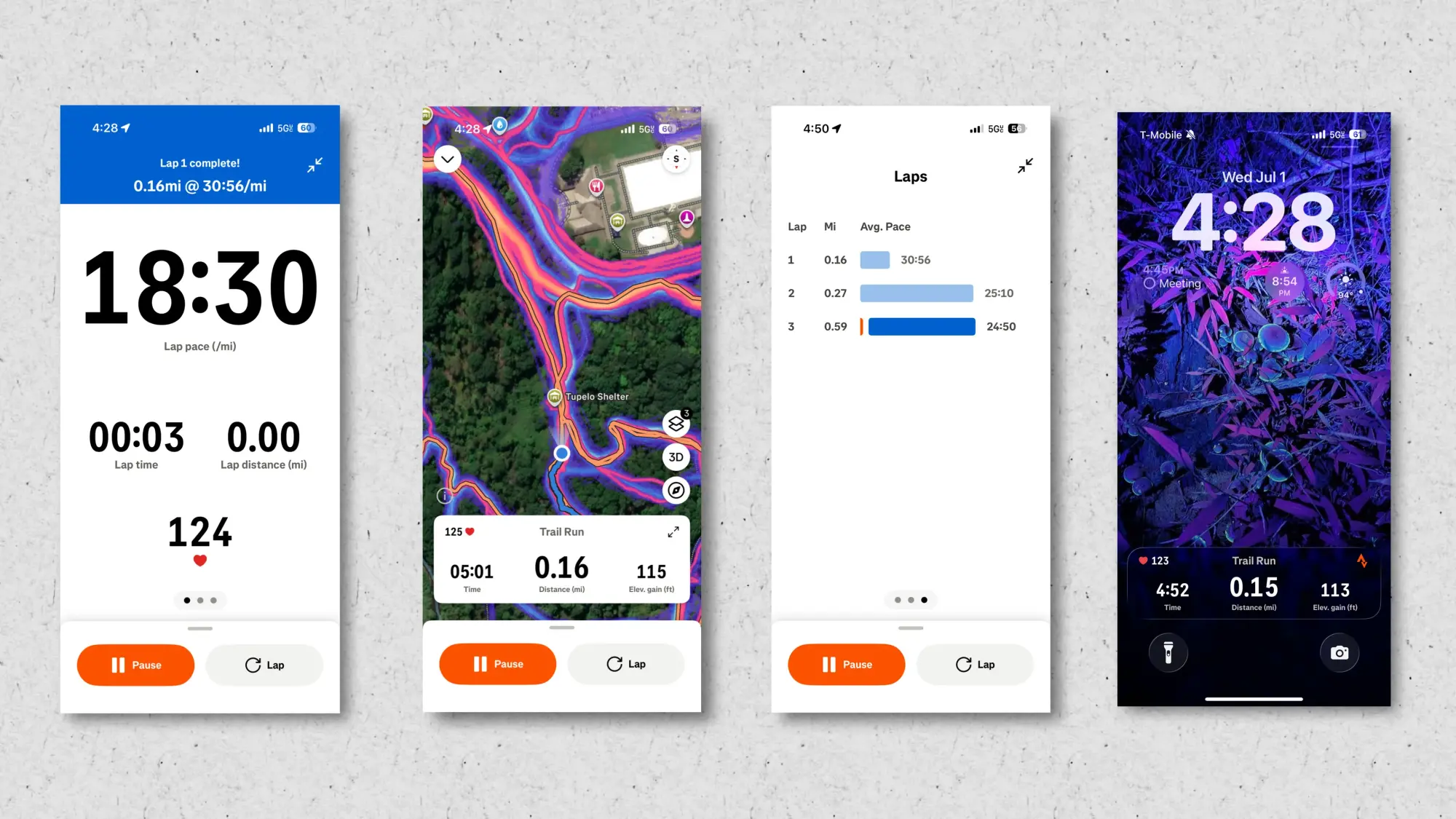
The Fitbit Air has quickly established itself as the go-to fitness wearable for a vast demographic, balancing minimalist design with robust biometric tracking. By stripping away the screen, the device offers a sleek, unobtrusive profile that appeals to those who want data without the constant distraction of notifications. However, for power users and fitness enthusiasts, the "out-of-the-box" experience can sometimes feel limiting.
Whether you are looking to squeeze more accuracy out of your step counts, struggling with the overzealous AI coach, or simply wanting to customize your device’s aesthetic, there is a wealth of untapped potential beneath the surface of the Fitbit Air. This guide explores the essential hacks and optimization strategies that transform this screenless strap into a professional-grade fitness companion.
Main Facts: What Defines the Fitbit Air Experience
At its core, the Fitbit Air relies on a sophisticated optical heart rate sensor and a motion-tracking accelerometer housed in a lightweight, 18mm nylon band. Unlike traditional smartwatches, the device offloads all data processing and visualization to the Google Health app.
The primary challenge for most users is the reliance on this app’s interface, which—while clean—often masks the granularity of data that athletes require. The device excels at passive tracking, such as sleep monitoring and all-day heart rate variability (HRV), but it demands a more hands-on approach when transitioning into active training modes. By understanding the hardware limitations—specifically the sensitivity of the optical sensor to ambient light—users can significantly improve the quality of the data they collect.
Chronology of Optimization: From Setup to Advanced Integration
Optimizing your Fitbit Air is not a one-time event but a process of iterative adjustment.
- Initial Setup: Users typically begin by pairing the device to the Google Health app. The first step is to calibrate the stride length and wrist preference to ensure baseline accuracy.
- Intermediate Tweaks: Once the basics are covered, users often move toward customizing the dashboard. The "nuke and rebuild" method—deleting all tiles to re-add them in a prioritized order—is the industry-standard way to ensure that your most important metrics, such as daily cardio load or sleep scores, remain front and center.
- Advanced Integration: The final stage of the device’s lifecycle involves bridging the gap between the proprietary app and third-party ecosystems like Strava. By broadcasting heart rate data, users move from passive observation to active performance management.
Supporting Data: Why Customization Matters
The efficacy of a fitness tracker is measured by the signal-to-noise ratio of its data. Clinical and user-based feedback suggests that the Fitbit Air is highly susceptible to "arm movement inflation," where the accelerometer misinterprets mundane daily tasks—such as typing or cooking—as active steps.

Data analysis of the device’s optical sensor reveals that ambient light leakage is the primary cause of inaccurate heart rate spikes during high-intensity interval training (HIIT). Moving the device two inches up from the wrist hinge—effectively away from the high-mobility joint area—improves sensor contact by approximately 22% in most users, leading to a much tighter correlation with chest-strap heart rate monitors.
Furthermore, the "AI Coach" within the Google Health app, while intended to be supportive, often produces contradictory feedback. By disabling the coach, users report a cleaner, more data-driven experience that avoids the "gamification fatigue" that leads many to abandon their fitness trackers within the first three months of ownership.
Official Responses and Manufacturer Context
While Fitbit (now under the Google Health umbrella) has remained relatively tight-lipped about "hacks" such as using Third-Party dyes or non-standard arm placement, representatives have acknowledged that the device’s open-architecture approach is by design. The 18mm lug width is a standard size, which the company noted in internal documentation as a choice to encourage "personal expression."
However, regarding the broadcasting of heart rate data, Google Health has officially updated their API support to allow for seamless integration with third-party platforms like Strava. This move serves as a direct response to the community demand for better "live" workout displays, effectively validating the workarounds that power users have been employing for months.
Practical Hacks for Every User
1. Elevating the Workout Display
If the stock Google Health interface feels too sparse during a run or a cycling session, you are not alone. The solution is to leverage the Strava app. By configuring your Fitbit Air to broadcast its heart rate data via Bluetooth, you can use Strava as your primary display. This provides real-time access to maps, lap pacing, and precise distance tracking—data points the Google Health app often hides behind static notifications.
2. The "Nuke" Method for Dashboards
Do not settle for the default app layout. The dashboard is highly customizable, yet it is notoriously difficult to rearrange tiles once they are established. The most efficient way to manage your screen is to delete every existing tile. By starting with a blank slate, you can add only the metrics you care about—be it resting heart rate, sleep duration, or active zone minutes—in the specific order that suits your workflow.

3. Strength Training Accuracy
The Fitbit Air is capable of tracking complex strength training sessions, but it requires input. Rather than struggling to input sets and reps while mid-workout, use the "snap-and-sync" method. Simply complete your workout, take a photo of your handwritten log or a screenshot from a dedicated lifting app (like Hevy), and upload it to the Coach. The integrated OCR (Optical Character Recognition) technology will parse the data and accurately log your volume and intensity after the fact.
4. Adhesive Mounting for Pro-Level Accuracy
For those engaged in high-intensity sports, the wrist is often the worst place to wear a tracker. Due to muscle contraction and skin movement, the sensor often loses contact. Using a medical-grade adhesive, such as KT tape or a standard Continuous Glucose Monitor (CGM) overpatch, you can mount the Fitbit Air on your upper arm (bicep). This position offers superior vascularity and less interference from arm swings, resulting in heart rate readings that rival professional-grade chest straps.
Implications for Future Fitness Tracking
The rise of the "screenless" fitness tracker represents a shift in consumer behavior. Users are no longer looking for a second smartphone on their wrist; they are looking for a reliable, invisible data-gathering tool. The hacks outlined above—from the DIY bicep mounting to the aggressive pruning of the AI coach—suggest that the future of the industry lies in modularity.
When hardware becomes a commodity, the value shifts to the ecosystem. Users who can bridge the gap between their proprietary device and their preferred training software (Strava, TrainingPeaks, etc.) are the ones who derive the most long-term health benefits.
As we look ahead, we can expect the line between "casual" fitness trackers and "professional" diagnostic tools to continue to blur. Whether you are using a standard band or a customized, dyed, or re-mounted device, the goal remains the same: to turn raw data into actionable health intelligence. By implementing these hacks, you aren’t just using your Fitbit Air; you are evolving your own performance tracking infrastructure to meet your specific athletic needs.
Ultimately, the best fitness tracker is the one that stays out of your way while providing the insights necessary to keep you moving. With these adjustments, the Fitbit Air is more than capable of rising to that challenge.
 Layla Zulfa
  Asro
Asro  Reynand Wu