
 By Nana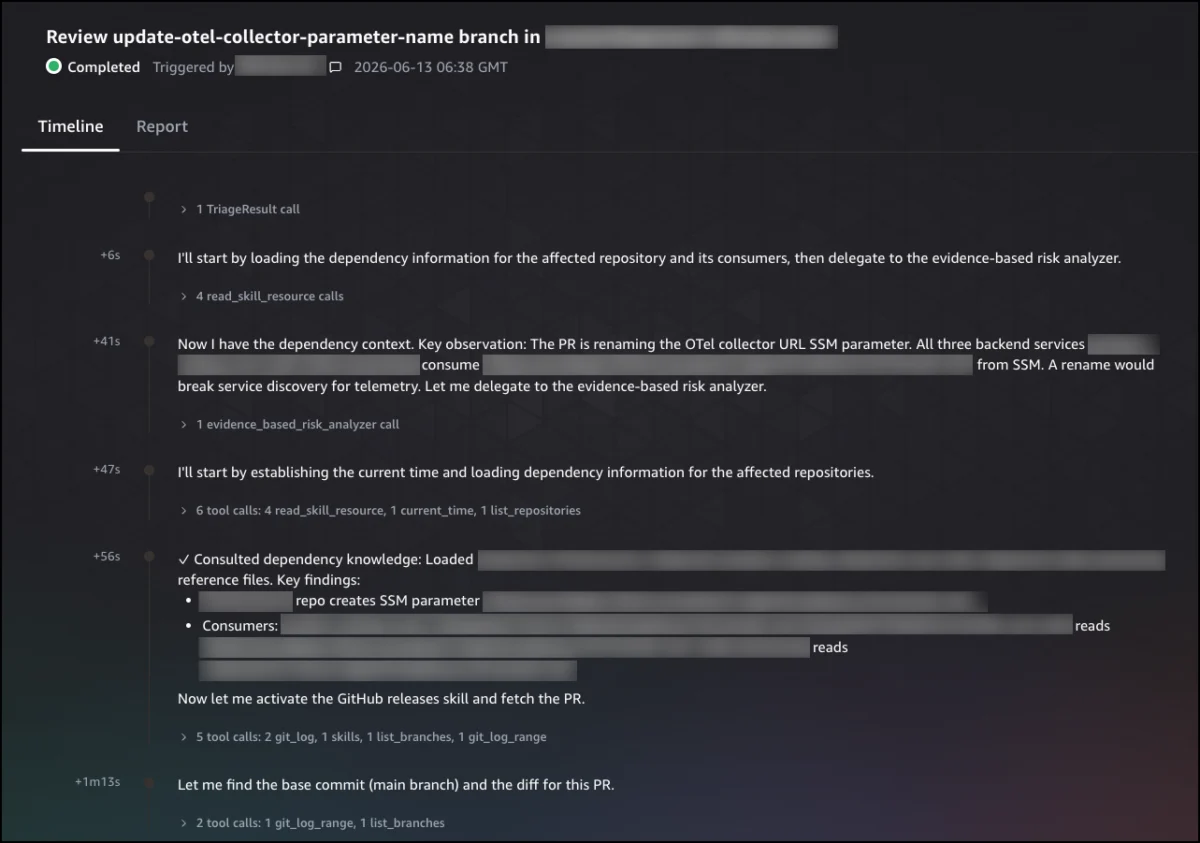
In the modern software development landscape, the sheer velocity of code generation—driven largely by the proliferation of AI-assisted coding tools—has created a paradoxical bottleneck. While developers are writing code faster than ever, the human-centric processes of code review, security validation, and regression testing have struggled to keep pace. Today, Amazon Web Services (AWS) is taking a decisive step toward closing this gap with the introduction of new release management capabilities for the AWS DevOps Agent, now available in public preview.
By evolving the DevOps Agent from a post-deployment diagnostic tool into a proactive, "always-available" teammate that spans the entire software development lifecycle (SDLC), AWS is signaling a fundamental shift in how organizations manage the transition from code to production.
The New Frontier: Release Readiness and Autonomous Testing
The AWS DevOps Agent was previously recognized for its ability to autonomously investigate production incidents, perform root cause analysis, and provide mitigation strategies. With today’s announcement, the agent extends its reach into the "left" side of the development lifecycle, introducing two critical features: Release Readiness Review and Autonomous Release Testing.
Release Readiness Review
This capability acts as an intelligent gatekeeper. Before a change is merged into a production branch, the agent evaluates the code against a combination of general industry best practices and organization-specific standards provided in plain English. The agent’s analysis is multi-dimensional:
- Dependency Risk Assessment: It identifies cross-repository dependencies that could inadvertently break downstream services.
- Policy Compliance: It cross-references code changes against the AWS Well-Architected Framework and custom internal guidelines regarding infrastructure, encryption, and network access.
- Isolated Validation: The agent executes the code in an AWS-managed, isolated environment, performing "user journey" tests to ensure that the application builds and functions correctly before the pipeline even initiates.
Autonomous Release Testing
Going beyond static unit tests, the agent employs generative reasoning to construct and execute dynamic, change-specific test plans. Rather than relying on rigid, pre-written test suites that often become outdated, the DevOps Agent analyzes the specific nature of the code modification and builds a testing strategy tailored to catch functional regressions and integration issues relevant to that exact change.
Chronology: From Incident Response to Full-Cycle Automation
The development of the AWS DevOps Agent represents a strategic evolution in AWS’s commitment to AI-driven operations.

- Initial Launch: AWS introduced the DevOps Agent as a reactive solution, focused on post-deployment stability. It was designed to alleviate the "on-call" burden by autonomously diagnosing production failures and suggesting remediations.
- The Middle Phase: Recognizing that incident response is only one part of the equation, AWS integrated deep environment awareness, allowing the agent to understand how services interact with their dependencies.
- Current Milestone: The transition to "Release Management" represents the integration of these diagnostic capabilities into the pre-merge phase. By moving the agent’s intelligence into the pull request workflow, AWS is addressing the "review queue" crisis, where valuable code sits idle while waiting for human oversight.
Supporting Data: Addressing the Review Bottleneck
The rationale behind these features is grounded in the current realities of software engineering. As AI-powered IDE extensions (such as Amazon Q or Claude Code) accelerate development, the volume of pull requests has surged.
According to internal AWS observations, organizations currently face three primary risks when scaling with AI code generation:
- Review Fatigue: When the volume of changes exceeds human capacity, reviewers are more likely to approve code without deep examination, increasing the risk of technical debt or security vulnerabilities.
- Environment Drift: Test environments often fail to mirror production configurations, leading to "works on my machine" syndromes that the DevOps Agent now mitigates by utilizing production-like, ephemeral environments.
- The "Safety vs. Speed" Tradeoff: Historically, companies believed they had to choose between fast deployment and high safety. The DevOps Agent is designed to dissolve this tradeoff by automating the checks that human reviewers typically perform under time pressure.
Official Perspective: Empowering the Modern Developer
During the preview announcement, the integration of these tools into the developer workflow was highlighted as a core priority. Developers can now trigger a review directly from their integrated development environment (IDE) using plugins like the Claude Code or Kiro power plugins. This creates a "shift-left" dynamic where risks are identified—and often resolved—before a commit is ever finalized.
The agent’s transparency is a cornerstone of its design. By providing a "Timeline" tab in the console, the agent documents its step-by-step reasoning process. This ensures that developers are not merely receiving a "block" or "approve" signal, but a transparent log of what the agent checked, which dependencies it analyzed, and why it reached its final conclusion. This audit trail is essential for compliance and team alignment.
Implications for DevOps Culture
The introduction of these features signals a broader trend in the industry: the rise of "Agentic DevOps."
1. The Human-Agent Partnership
The goal of the AWS DevOps Agent is not to replace human engineers, but to liberate them. By delegating the rote tasks of dependency checking, security policy verification, and routine functional testing to the agent, senior engineers can focus on architecture, complex logic, and innovative features.
2. Standardized Governance
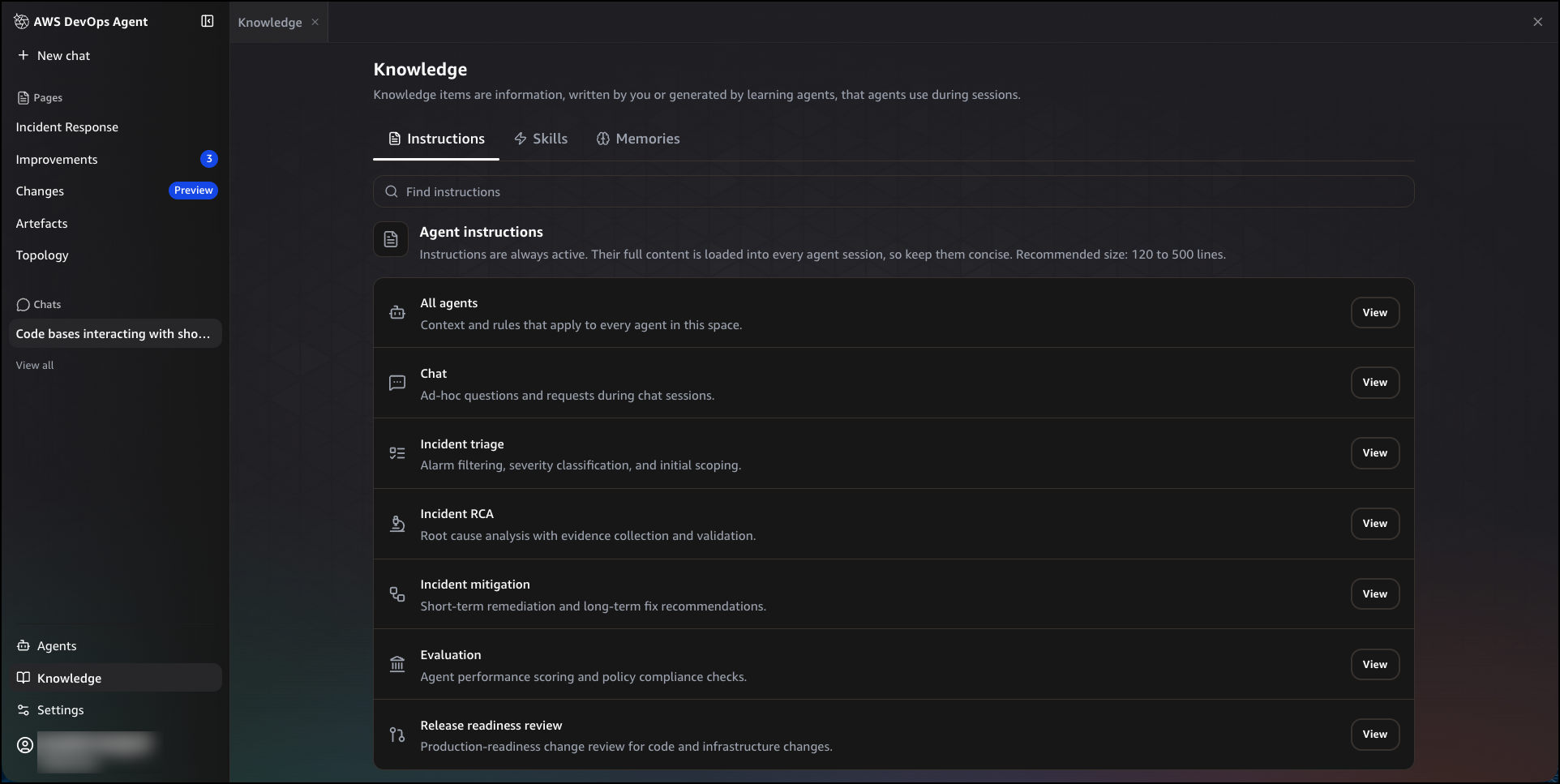
By allowing teams to define their own "Instructions" in plain English, AWS is decentralizing governance. Organizations can set company-wide standards (e.g., "All S3 buckets must be encrypted with CMKs") and ensure that the agent enforces these across every repository without requiring manual oversight from a centralized platform team.
3. The End of "Broken Builds"
Autonomous testing ensures that by the time a pull request is merged, it has already been "battle-tested" against its dependencies and against the production environment’s unique constraints. This significantly reduces the frequency of emergency hotfixes, which are notoriously the most common source of new production bugs.
How to Get Started
For organizations looking to pilot these features, the process is streamlined to integrate with existing Git workflows.
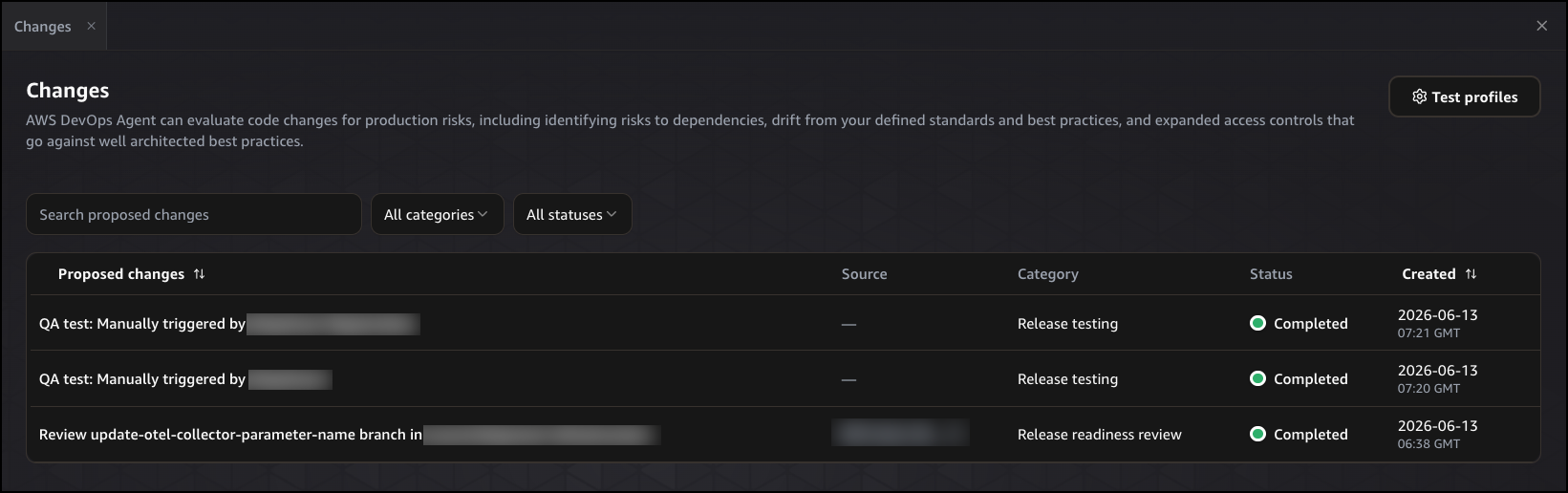
- Repository Connection: Users connect their GitHub or GitLab repositories to an "Agent Space" within the AWS console.
- Knowledge Indexing: The agent performs an initial scan to build a knowledge graph of dependencies across the environment.
- Defining Standards: Using the "Instructions" tab, leads can define custom operational standards that the agent will enforce during reviews.
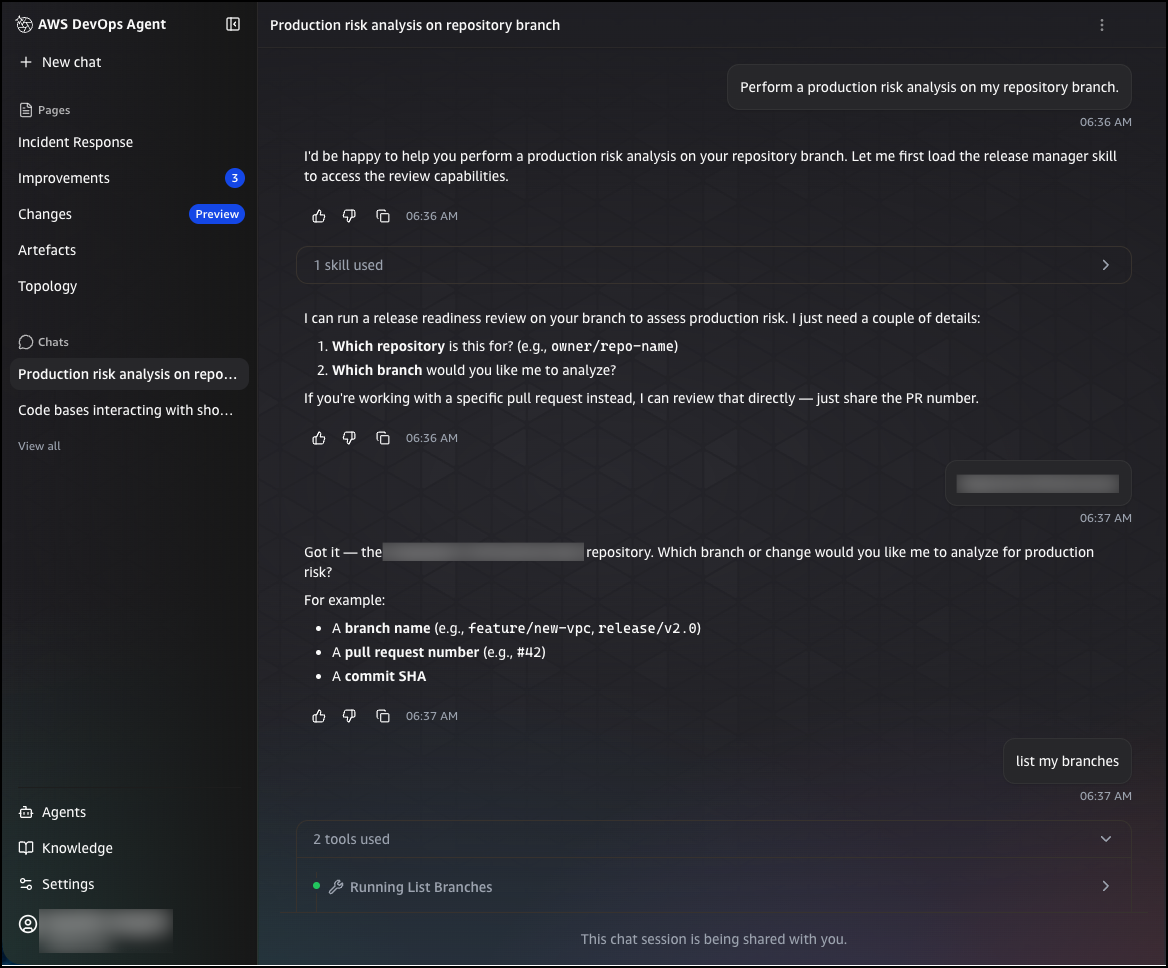
- On-Demand Execution: Developers can trigger reviews either automatically upon pull request submission or on-demand by entering natural language queries in the agent’s chat interface, such as: "Perform a production risk analysis on this branch."
The agent’s output—categorized into BLOCK, Proceed with Caution, or Safe to Release—provides a clear, actionable dashboard for teams to maintain velocity without sacrificing quality.
Conclusion
The release of these new capabilities for the AWS DevOps Agent is more than a feature update; it is a fundamental re-engineering of the release pipeline. By turning the DevOps Agent into an active participant in the coding process, AWS is providing a blueprint for how high-performing teams will operate in an AI-augmented future.
As teams continue to increase their output, the ability to rely on an autonomous system to verify, test, and gate releases will likely become the standard for modern software engineering. For now, the preview in the US East (N. Virginia) region offers a low-friction opportunity for development teams to experience the efficiency of agentic workflows and witness the future of autonomous DevOps firsthand.
 Dwi Wanna
  Lina Irawan
  Ammar Sabilarrohman