
 By Muslim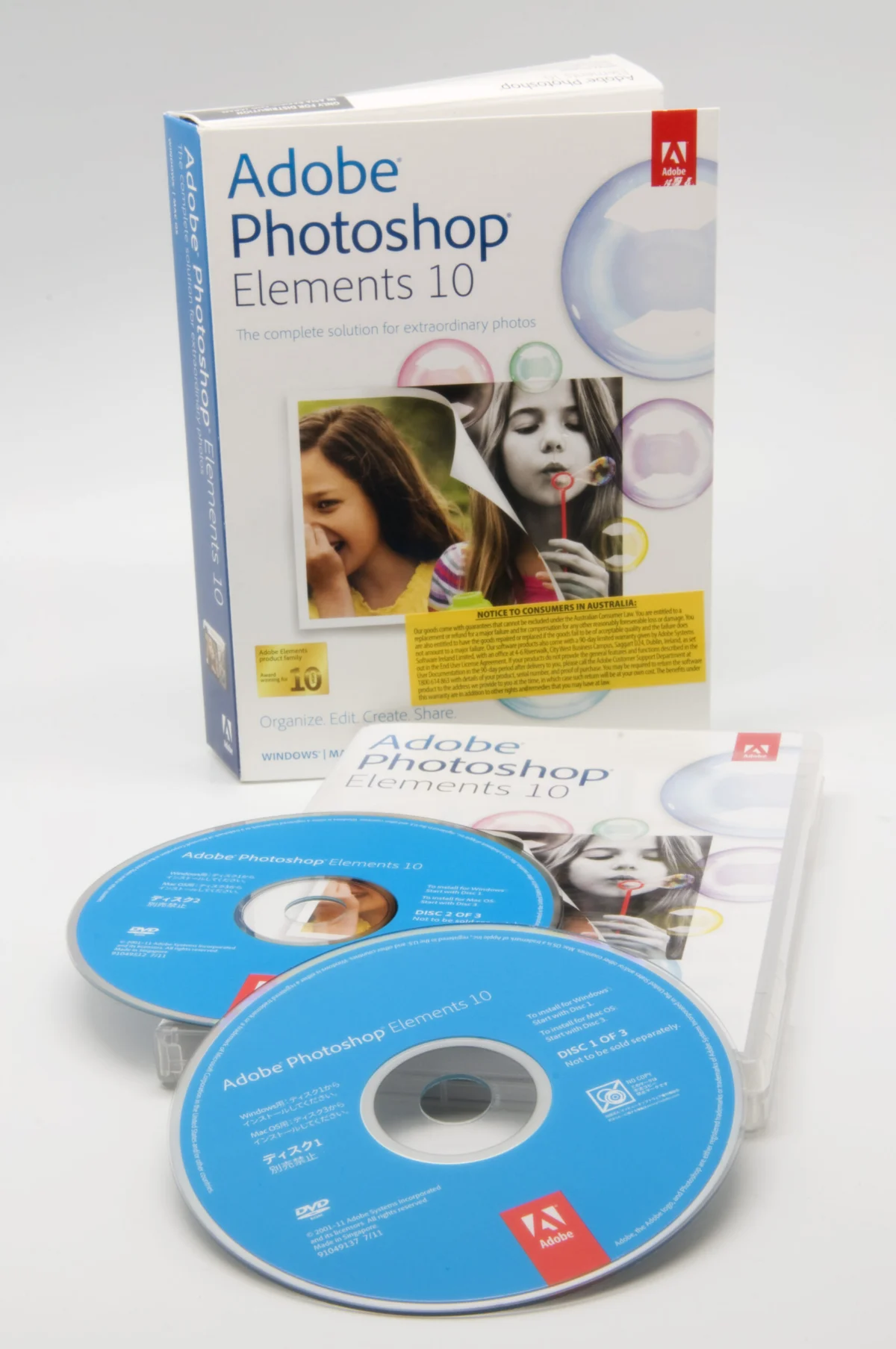
The Tangible Past: A Digital-Native’s Shocking Revelation
In an age dominated by instant downloads, cloud subscriptions, and ephemeral digital licenses, the concept of software existing as a physical object can seem almost alien. For many born into the digital era, applications are merely a click away, residing in an ethereal realm of servers and broadband connections. This prevailing perception was dramatically shattered for me yesterday, leading to a profound, almost existential, moment of technological enlightenment. The revelation? Photoshop, the ubiquitous titan of graphic design, once came on a disk.
My colleagues on the Creative Bloq team bore witness to my crisis of understanding. "Guys, Photoshop used to come on a disk?!?! WTF," I exclaimed, my fingers flying across the keyboard, convinced I had unearthed a historical anomaly. The response, however, was not one of shared astonishment but rather a wave of good-natured ridicule. Messages flooded in, playfully accusing me of making the team "feel old" and emphatically stating that this was, in fact, "not a revelation." The chasm of the generational divide within our creative hub had never felt so vast, so undeniable. While a blush of shame undoubtedly colored my cheeks, my amazement remained unquelled. How could this iconic graphic design software, now seamlessly integrated into our digital workflows, ever have been anything but a mere click away? And as for the mention of "floppy disks" – a term that conjured images of ancient, forgotten relics – my mind reeled.
It’s crucial to preface this by acknowledging that, intellectually, I understood software wasn’t always downloadable online. The abstract notion of older computing systems implied physical media. Yet, the sheer tangibility of Photoshop, a program so intrinsically linked to the digital manipulation of images, had simply never materialized in my consciousness. The idea of holding a physical copy, inserting it into a drive, and going through a manual installation process felt like something from a bygone era, far removed from the sleek, subscription-based model of Adobe Creative Cloud we know today. This moment of personal discovery, however, opened a fascinating window into the rich and complex history of software distribution, prompting a deeper dive into how a digital powerhouse like Photoshop evolved from a collection of physical bytes to an omnipresent cloud service.
A Journey Through Time: Photoshop’s Evolving Distribution Model
The story of Photoshop’s distribution is a microcosm of the broader evolution of the software industry itself, reflecting monumental shifts in technology, user behavior, and business models. From its humble beginnings on multiple floppy disks to its current status as a cloud-based subscription, Photoshop’s journey is a testament to relentless innovation and adaptation.
The Dawn of Digital Art: Floppy Disks and Early Versions (Late 1980s – Early 1990s)
To truly appreciate the transformation, one must journey back to the late 1980s. Photoshop’s origins trace back to Thomas and John Knoll, who developed a pixel-based image editor that caught the eye of Aldus Corporation. Initially released as Aldus Photoshop 1.0 in 1990 for Macintosh, and subsequently acquired by Adobe in 1993, the software was a revolutionary tool for manipulating images digitally.
In these nascent days of personal computing, the internet as we know it was non-existent, and storage capacity was severely limited. Hard drives were small, and optical drives were a futuristic dream. Consequently, software distribution relied almost entirely on floppy disks. Early versions of Photoshop, even with their comparatively basic functionalities by today’s standards, were substantial programs that often spanned multiple 3.5-inch floppy disks. Installing Photoshop 1.0 or 2.0 meant a tedious process of inserting one disk after another, waiting for data to transfer, and then being prompted for the next. Each disk held a mere 1.44 megabytes of data, meaning a program of even moderate size required a small stack of these square, magnetic media.
The user experience was a far cry from today’s instant gratification. Installation could take considerable time, and the physical act of managing the disks was an integral part of acquiring and using the software. These early versions also came with significant limitations. As one Reddit user nostalgically recalled, Photoshop existed "before it introduced layers." The absence of this fundamental feature, which we now take for granted, highlights the incredible advancements made over the decades. Layers, a core component of non-destructive editing, were only introduced in Photoshop 3.0 in 1994. Prior to this, image manipulation was largely destructive, making complex compositions a painstakingly difficult and often irreversible process. The software was expensive, often costing hundreds of dollars, positioning it as a professional tool primarily for graphic designers, photographers, and print shops who could justify the significant investment.
The CD-ROM Era: Expanding Horizons (Mid-1990s – Mid-2000s)
The mid-1990s heralded a significant technological leap with the widespread adoption of CD-ROMs. These optical discs, capable of storing around 650-700 megabytes of data, were a game-changer for software distribution. What once required a dozen or more floppy disks could now fit comfortably on a single CD. This era marked a period of rapid growth and increased accessibility for Photoshop.
Installing Photoshop from a CD-ROM was a vastly improved experience. Users simply inserted the disc, launched an installer, and typically waited for a single, continuous data transfer. This convenience, combined with the increasing power of personal computers, allowed Photoshop to expand its feature set dramatically. Versions like Photoshop 7 (released in 2002) and the early Creative Suite (CS) editions (beginning with CS in 2003) were staples of this era. These releases introduced more sophisticated tools, enhanced performance, and a more robust user interface, further cementing Photoshop’s dominance in the market.
The physical product became a tangible asset. Users would purchase a boxed copy from electronics retailers like Best Buy, as one Reddit user remembered: "I remember purchasing Photoshop as a CD from Best Buy in 2007!" These boxes often contained the installation CD(s), a physical manual (another relic of the past!), and a product key. Owning a physical copy provided a sense of security and permanence; the software was "yours" to keep and install as many times as needed (within license terms) without an internet connection. This model was widely accepted and formed the foundation of software purchasing for over a decade.
The Digital Transition: Downloads and the Shift Away from Physical Media (Late 2000s – Early 2010s)
As the 21st century progressed, the internet underwent its own revolution. Broadband connections became increasingly common and faster, making the download of large files a practical reality for the average user. This paved the way for a gradual but inevitable shift away from physical media.
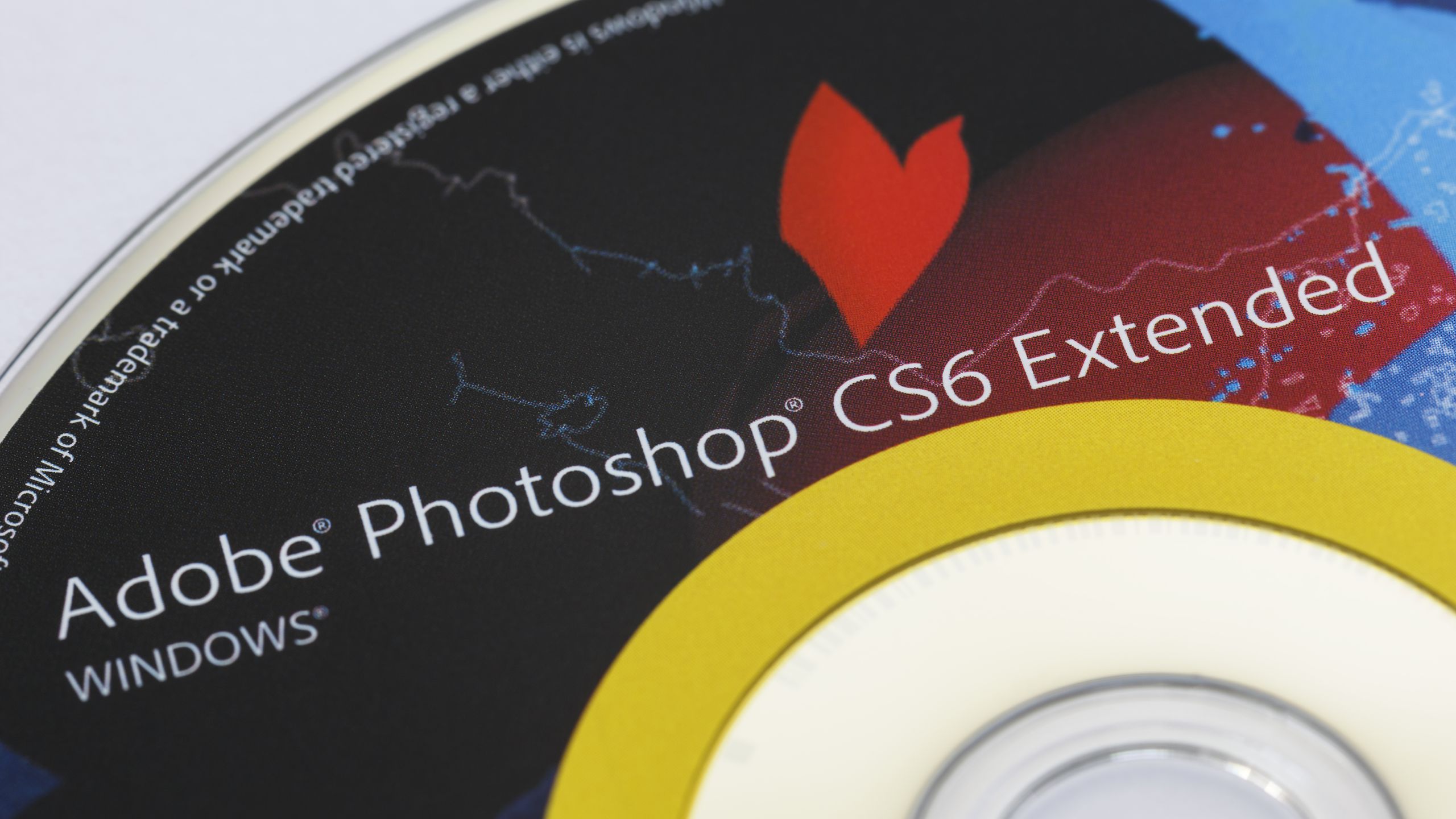
Adobe, like many software companies, began offering digital downloads alongside its boxed products. Users could purchase a license online and download the installer directly, eliminating the need to visit a store or wait for shipping. This offered immediate access and reduced distribution costs for Adobe. While physical copies still held sway for a time, especially for those with slower internet or a preference for tangible products, the convenience of digital distribution was undeniable. It was during this period that the seeds of the subscription model were sown, as companies explored ways to leverage the internet for more flexible and continuous engagement with their users. This transitional phase allowed Adobe to test the waters, refine its digital delivery infrastructure, and prepare for the monumental shift that was to come.
The Creative Cloud Revolution: Subscription-Based Future (2012 onwards)
The most significant paradigm shift in Photoshop’s distribution occurred in 2012 with Adobe’s controversial pivot to the Creative Cloud (CC) model. This move completely phased out perpetual licenses and physical media, requiring users to pay a recurring subscription fee for access to Photoshop and other Adobe creative applications.
Adobe’s rationale for this drastic change was multifaceted. Firstly, it was a powerful anti-piracy measure. Perpetual licenses were highly susceptible to illegal copying and distribution. A subscription model, requiring regular authentication and online verification, made piracy significantly harder to sustain. Secondly, it allowed Adobe to deliver continuous updates and new features seamlessly. Instead of waiting for major version releases every 18-24 months, users would always have the latest iteration of the software. This fostered a more agile development cycle and kept the software constantly evolving. Thirdly, it provided Adobe with a more predictable and stable revenue stream, moving away from erratic sales spikes tied to major releases. Finally, Creative Cloud facilitated a unified ecosystem, integrating various applications and cloud services for asset management, collaboration, and mobile access.
The user reaction was initially mixed, often leaning towards strong backlash. Many long-time users felt a sense of loss of ownership, arguing that they were now "renting" software rather than owning it outright. Concerns about perpetual costs, especially for hobbyists or those who only used Photoshop occasionally, were widespread. The feeling of being locked into a subscription, with no recourse if one decided to stop paying, was a major point of contention. Despite the initial resistance, Adobe held firm, and the Creative Cloud model eventually became the industry standard for professional creative software. Its benefits, such as instant access, seamless updates, cloud syncing, and integration with mobile platforms like Photoshop for Android, gradually won over a significant portion of the user base, transforming the way creative professionals work.
Supporting the Narrative: User Testimonies and Industry Trends
The anecdotal evidence from the Reddit thread serves as a powerful testament to the tangible past of Photoshop and the generational shift in tech experiences. Users reminiscing about their physical copies paint a vivid picture of a different era.
One user’s memory of "purchasing Photoshop as a CD from Best Buy in 2007!" perfectly encapsulates the tail end of the CD-ROM era, where retail stores were still primary distribution channels for software. The act of going to a physical store, browsing the software aisle, and making a purchase was an experience in itself, vastly different from today’s digital storefronts.
Even more poignant is the recollection: "I’ve still got my Photoshop 2.0 floppy disk set. I couldn’t part with them when I was cleaning stuff out." This speaks to the emotional connection users had with their physical software, a sense of owning a valuable tool, a piece of technological history. These floppy disks represent not just an installation medium but a tangible link to a foundational period in digital art. For some, they are relics of their professional beginnings, tools that enabled their first forays into digital creation.
The functional limitations mentioned by users also provide crucial context: "About 1999 I discovered at work that there was a 99 layer limit and if you saved your work with 99 layers it wouldn’t load again," and the even more striking, "I used Photoshop before it introduced layers. I feel so old." These statements highlight the incredible evolution of Photoshop’s capabilities. A 99-layer limit, or the complete absence of layers, sounds like an absolute nightmare for any modern designer accustomed to intricate, non-destructive workflows. It underscores how much designers have come to rely on features that were once considered groundbreaking, or even non-existent. These limitations forced designers to be incredibly efficient and methodical in their approach, often merging layers as they went to manage file sizes and system resources – a process that would likely induce panic in today’s multi-layered digital canvases.
These testimonies are not just personal anecdotes; they reflect broader industry trends. The shift from physical media to digital distribution, and then to subscription models, was driven by technological advancements (faster internet, increased storage), economic factors (cost of manufacturing and distribution, desire for recurring revenue), and evolving consumer expectations (instant access, continuous updates). Photoshop’s journey mirrors that of countless other software applications, from operating systems to video games, all of which have moved away from physical ownership towards digital access.
The Implications: Ownership, Accessibility, and the Digital Divide
The transformation of Photoshop’s distribution model carries significant implications for users, the software industry, and the very concept of digital ownership.
The Shifting Paradigm of Software Ownership
Perhaps the most profound implication of the Creative Cloud model is the fundamental shift in the concept of software ownership. Gone are the days of purchasing a perpetual license, where a user "owned" a specific version of the software indefinitely. Now, users essentially "rent" access to Photoshop. This has distinct pros and cons.
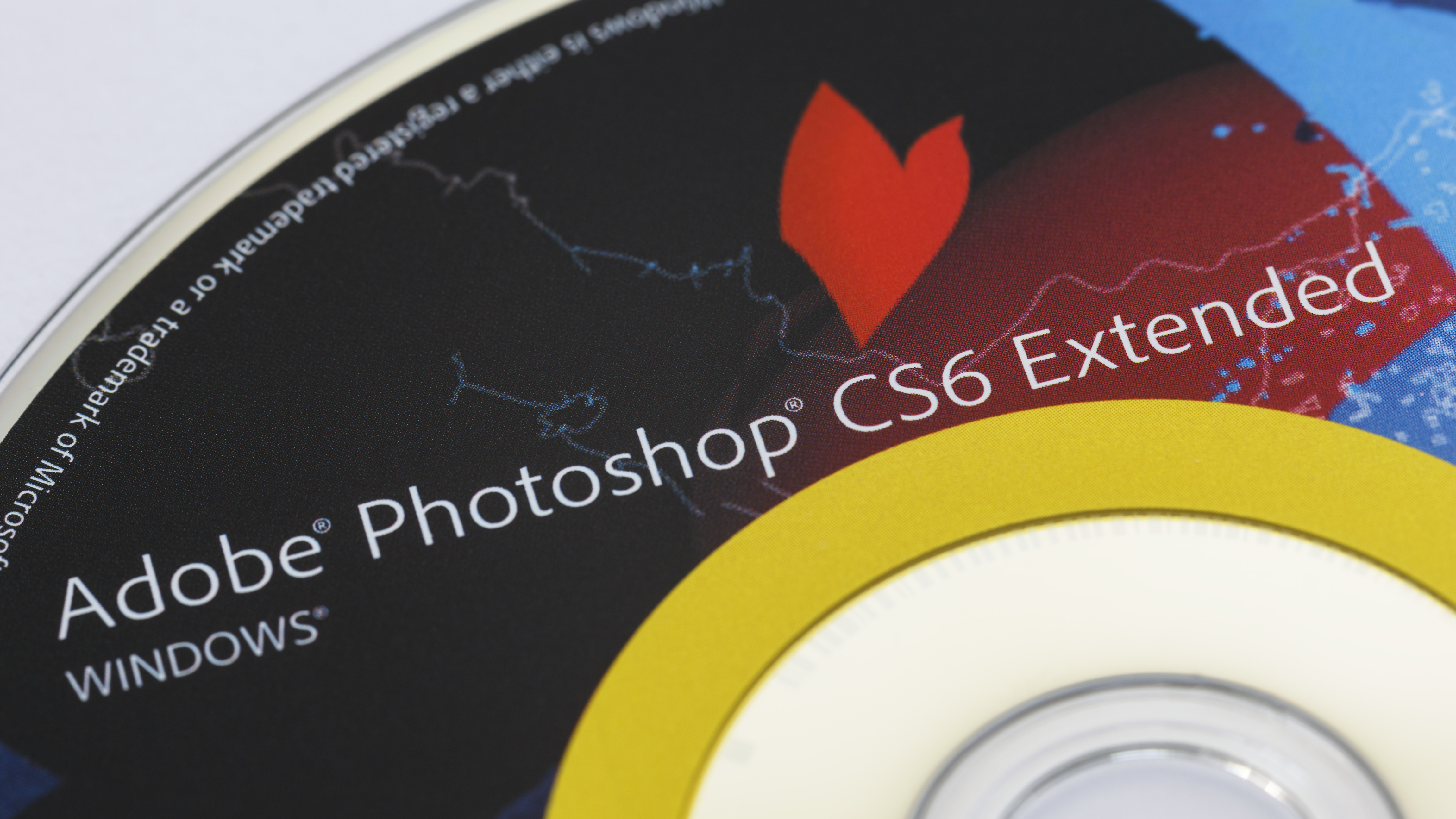
For consumers, the immediate upfront cost is lower, making professional-grade software more accessible to a wider audience, including students and freelancers. The benefit of always having the latest version, with new features and bug fixes delivered continuously, is also a significant advantage. However, the recurring subscription fees can add up over time, potentially exceeding the cost of a perpetual license, especially for long-term users. Furthermore, the reliance on an active subscription means that if payments cease, access to the software is revoked. This has led to considerable user frustration, exacerbated by Adobe’s controversial pricing structures and widely reported issues with subscription cancellation terms, which have even resulted in settlements over alleged deceptive practices. Users feel a lack of control and a vulnerability to Adobe’s pricing decisions.
For companies like Adobe, the subscription model provides a stable, predictable revenue stream, allowing for better long-term planning and investment in research and development. It also helps combat piracy and fosters a closer, continuous relationship with their user base. However, it places a higher burden on the company to consistently deliver value and updates to justify the ongoing cost to subscribers.
Accessibility and Convenience: The Modern Experience
The digital, subscription-based model has undeniably enhanced accessibility and convenience. Photoshop is now instantly available to anyone with an internet connection, regardless of their geographical location. This global reach has democratized access to professional design tools in ways that physical distribution never could.
Updates are seamless and often automatic, ensuring users always have the most secure and feature-rich version. Cloud integration allows for files to be stored, synced, and accessed across multiple devices, including mobile platforms like Photoshop for Android, which further expands creative possibilities on the go. This level of flexibility and interconnectedness has revolutionized creative workflows, enabling collaboration and productivity that were unimaginable in the era of physical disks. The instant availability and constant evolution mean that new designers can jump in immediately, benefiting from years of accumulated features and refinements without the barrier of a large upfront purchase or the hassle of physical installation.
Bridging the Generational Gap in Tech Perception
My personal "WTF" moment serves as a clear illustration of the generational gap in how technology is perceived and interacted with. For digital natives, software is inherently intangible, a service rather than a product. The idea of a physical disk is akin to a historical artifact, a quaint relic of a bygone era. This divide extends beyond Photoshop, touching upon music, movies, and even operating systems.
Understanding this historical context is vital, not just for nostalgia, but for appreciating the rapid pace of technological change and its impact on culture and industry. It highlights how different generations develop different mental models for how technology works and how services are delivered. For older generations, the tangibility of software represented ownership and control; for younger generations, the fluidity and instant access of cloud services are paramount. This difference in perspective can sometimes lead to misunderstandings or, as in my case, moments of amusing realization, but it also underscores the importance of technological literacy that spans historical eras.
The Future of Software Distribution and Preservation
The dominance of Software-as-a-Service (SaaS) is likely to continue, with subscription models becoming the norm across various industries. This trend raises important questions about digital preservation. If software is only accessible via a subscription, what happens when a service is discontinued or when old file formats become unsupported? The tangible nature of physical disks, for all their inconveniences, offered a form of archival stability. The digital future demands new strategies for ensuring that creative works and the tools used to create them remain accessible for future generations.
The ongoing evolution also keeps the debate alive regarding alternative distribution models and open-source alternatives. While Adobe’s suite is dominant, the desire for perpetual licenses and more open, community-driven software persists, demonstrating that the market continues to seek diverse solutions beyond the subscription model.
Conclusion: A Legacy of Innovation and Evolution
Photoshop’s journey from a collection of floppy disks to a cloud-based subscription service is more than just a story of changing distribution methods; it’s a narrative of relentless innovation, adaptation, and the ever-evolving relationship between humans and technology. My initial shock at discovering its tangible past quickly transformed into a profound appreciation for the path it has traversed.
From the laborious installations of multi-disk sets and the groundbreaking introduction of layers, to the expansive capabilities delivered on CD-ROMs, and finally, to the instant, ubiquitous access of the Creative Cloud, Photoshop has consistently pushed the boundaries of what’s possible in digital image manipulation. It has revolutionized industries, empowered countless artists, and shaped the visual landscape of our modern world.
While the convenience of modern Photoshop, with its instant downloads, continuous updates, and cloud integration, is undeniable and largely superior for contemporary workflows, there is a certain charm and historical weight to its physical origins. It serves as a powerful reminder that behind every seamless digital experience lies a history of hardware limitations, ingenious solutions, and the continuous march of technological progress. Appreciating this past not only bridges generational gaps but also enriches our understanding of the digital present and prepares us for the technological innovations yet to come. Photoshop, in its myriad forms, remains an enduring testament to the power of creative vision and technological evolution.
 Evan Lee Salim
  Nana
Nana  Ammar Sabilarrohman