
 By Azzam Bilal Chamdy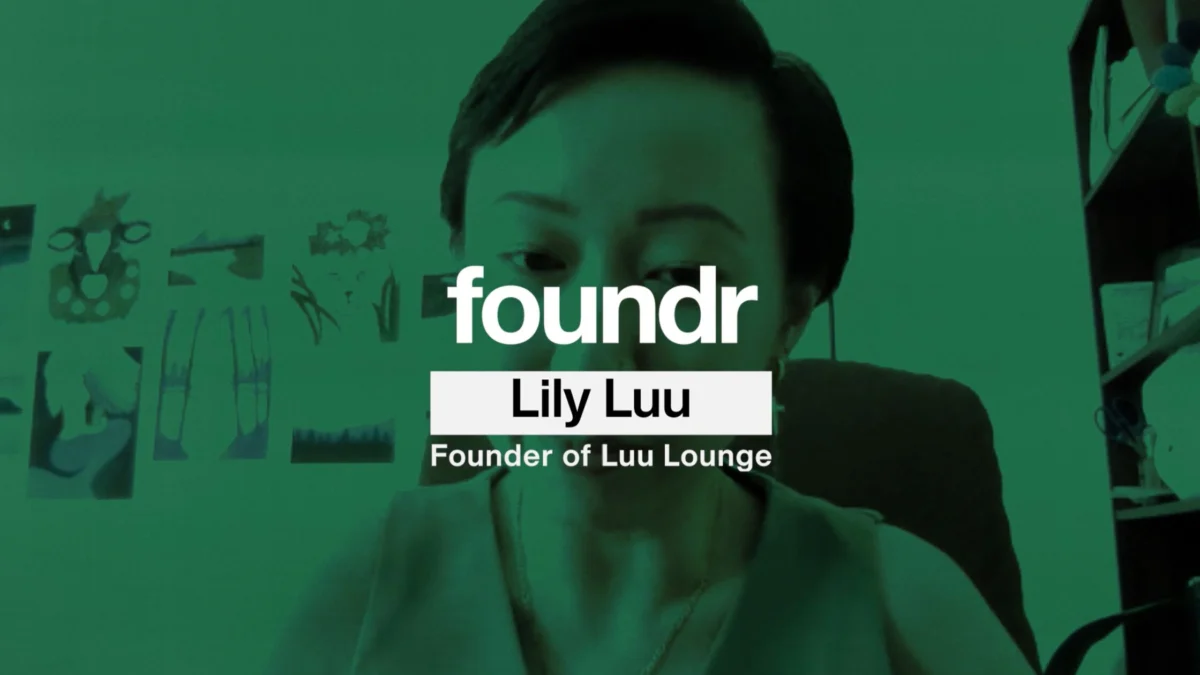
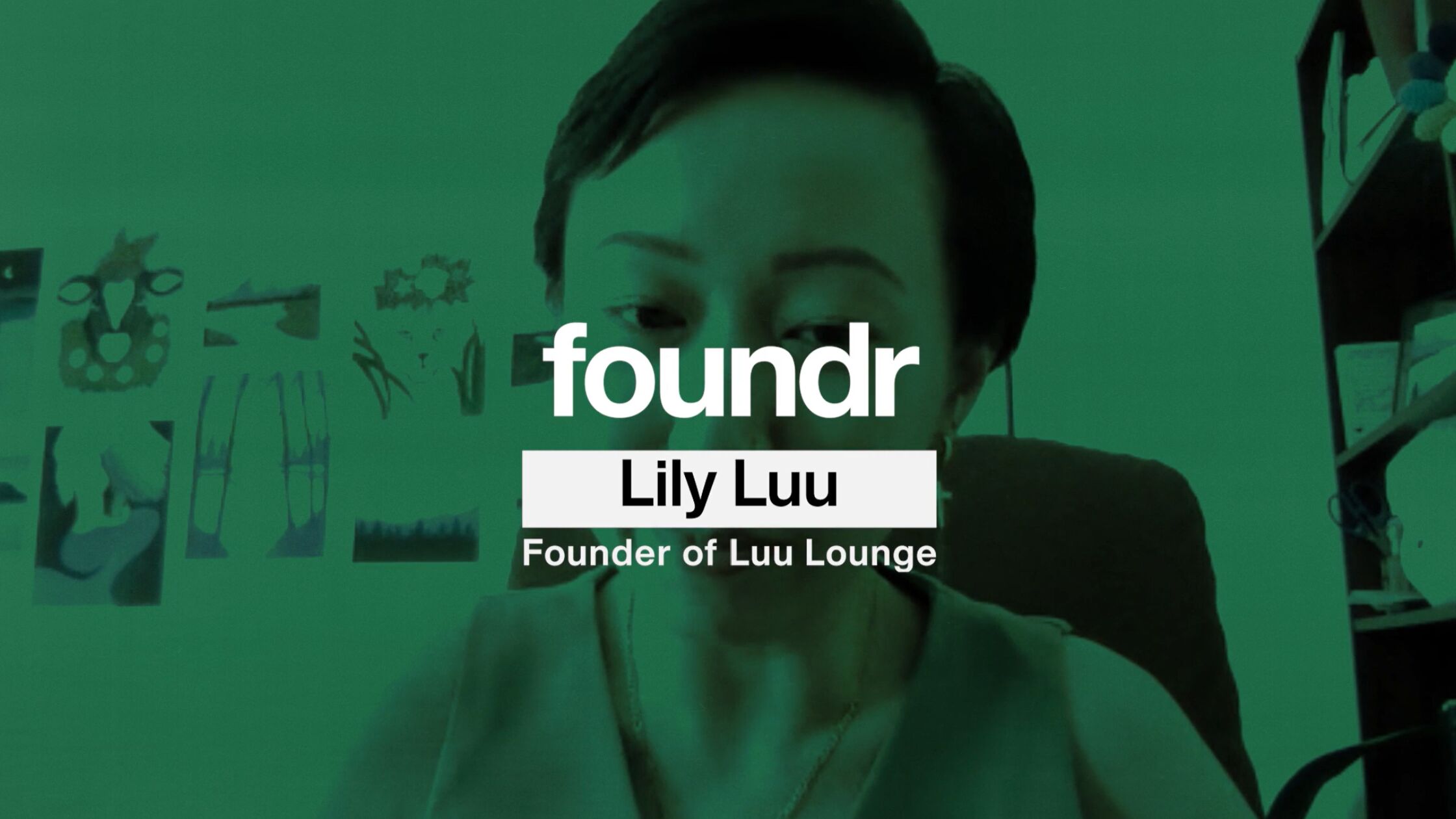
In the modern entrepreneurial landscape, the "side hustle" has evolved from a simple hobby into a sophisticated engine for innovation. For Lily, a professional working in the high-stakes world of electric vehicle (EV) infrastructure, the transition from corporate employee to apparel brand founder wasn’t born from a desire for fashion fame, but from a persistent, daily nuisance.
Living with three dogs while managing a demanding 8-to-5 work week left Lily in a constant battle against pet hair. When her professional attire—and her patience—began to fray under the accumulation of fur, she turned a common domestic annoyance into a business opportunity. The result is a specialized clothing brand that has successfully bridged the gap between functional fabric engineering and direct-to-consumer (DTC) viral marketing.
The Genesis of an Idea: Solving a Personal Problem
Most successful consumer brands begin with a "pain point," and for Lily, that point was literal. "I work in electric vehicle infrastructure. It’s a nice eight-to-five, Monday through Friday," Lily explains. "I have three dogs, and I was always just covered in fur all the time."
The frustration was not just aesthetic; it was a matter of professional presentation. Lily realized that if she were struggling with this issue, thousands of other pet owners likely were as well. She began to ask herself the fundamental question that would define her brand: How could I make clothes where the hair just doesn’t stick—or where it can be easily wiped away?
This inquiry led to a year-long odyssey of product development. Unlike drop-shipping operations that rely on off-the-shelf inventory, Lily committed to developing a proprietary, pet-hair-resistant fabric. This commitment to quality meant a significantly longer runway before a market-ready product could be manufactured. She spent twelve months vetting manufacturers, testing textiles, and refining designs that would look professional enough for an office setting while performing under the rigorous conditions of a multi-pet household.
Chronology of a Viral Launch
Building a brand while maintaining a full-time career requires a delicate balancing act of time management and strategic visibility. Lily chose to "build in public," a strategy that leverages transparency to foster community loyalty.
The Development Phase
Throughout her year-long research and development phase, Lily utilized platforms like TikTok to document her progress. By sharing the raw, unpolished reality of sourcing fabric and iterating on samples, she cultivated an audience that felt invested in the brand’s success long before a single item was for sale. This wasn’t just marketing; it was social validation.
The Viral Tipping Point
As she shared her progress on social media, the audience response was immediate and overwhelming. The "build in public" strategy validated her hypothesis: there was a massive, underserved market of pet owners desperate for high-quality, hair-resistant apparel. When the first product drop finally went live, the results were instantaneous. Lily recalls that her initial inventory sold out within a few hours, confirming that the demand she had nurtured was real and substantial.
Scaling the Infrastructure
With the brand moving from concept to commerce, the challenge shifted from proving demand to managing it. As orders poured in, Lily found herself navigating the complexities of fulfillment, customer service, and digital marketing—all while adhering to her Monday-to-Friday corporate schedule. It was at this critical juncture that the necessity for automated, high-efficiency tools became undeniable.
Navigating the Digital Marketing Learning Curve
As any new entrepreneur will attest, the leap from product creation to customer communication is often where businesses stumble. For Lily, the hurdle was email marketing—a discipline she was entirely new to.
"I’m very new to email marketing," she admits. Faced with limited time due to her professional obligations, she required a solution that was both intuitive and powerful. She initially gravitated toward industry standards like Klaviyo, hoping to manage her email flows and automations independently.
However, the experience proved counterproductive. The platform’s complexity created a "circular" workflow where Lily found herself spending hours troubleshooting rather than focusing on brand growth. "I was kind of going in circles with it, and things weren’t looking like how I wanted them to look," she noted. "I felt like I was being punished for growing."
This realization prompted a strategic pivot to Omnisend, a platform designed for leaner, faster-moving teams. The transition provided an immediate relief, allowing her to set up complex automations with a user-friendly interface. "I was able to pop all my automations together really quickly, and then things were also looking like how I wanted them to look," she said. This switch was a turning point, allowing her to reclaim her time and focus on the core aspects of her business.
Supporting Data and Operational Efficiency
The transition to a streamlined marketing stack had tangible impacts on Lily’s bottom line and operational capacity.
- Audience Size: By the time of her first major launch, Lily had cultivated a list of 3,000 engaged subscribers—a significant figure for a startup operating entirely on organic social growth.
- Conversion Strategy: Lily utilized a combination of email and SMS marketing to create a "drop" culture. By coordinating specific release times and providing early access via text message, she built anticipation that transformed her list into a high-intent buying force.
- Automation ROI: By automating her welcome sequences and abandoned cart flows, Lily reduced the amount of time required to manage customer touchpoints by approximately 70%, allowing her to maintain her full-time job without sacrificing the customer experience.
Official Perspectives: The Value of "Set-and-Forget"
Lily’s approach highlights a recurring theme in modern entrepreneurship: the shift away from manual, high-touch marketing to automated, high-leverage systems.
"I’m glad I can just put it on and leave it so I don’t worry about it," Lily explains. For a founder balancing a corporate career, the ability to rely on "set-and-forget" automation is not just a luxury—it is a survival mechanism. Omnisend allows her to run launch campaigns, coordinate inventory drops, and communicate with customers via SMS and email without requiring her constant presence in front of a dashboard.
This hands-off approach allows the marketing engine to run in the background, keeping customers informed and engaged while Lily focuses her energy on product development and order fulfillment. The result is a professional-grade customer journey that would typically require a dedicated marketing team to manage.
Implications for Future Founders
Lily’s story serves as a blueprint for the "side-hustle" entrepreneur. Her success suggests several key takeaways for those looking to follow in her footsteps:
- Solve a Personal Niche: By targeting a specific, lived-in problem (pet hair), she eliminated the guesswork often associated with market research.
- Build in Public: Transparency builds trust. By inviting customers into the development process, she created a loyal fan base that was ready to purchase the moment the product launched.
- Choose Tools That Scale With You: The frustration Lily felt with complex software is common. Choosing tools that prioritize simplicity and speed—like Omnisend—is critical when time is your most limited resource.
- Leverage Automation Early: Founders often wait too long to automate. By integrating email and SMS flows from the beginning, Lily ensured that her growth would not become a burden on her time.
Conclusion: A Model for Sustainable Growth
The evolution of Lily’s brand from a kitchen-table idea to a viral, sought-after label is a testament to the power of modern digital tools. By effectively managing her time, choosing the right technological partners, and staying true to the problem she set out to solve, she has successfully built a business that thrives alongside her career.
For other aspiring founders, the message is clear: You do not need to choose between a steady career and the pursuit of a business dream. With the right strategy and a commitment to operational efficiency, the two can coexist, allowing for a path of sustainable, manageable, and highly rewarding growth.
Are you ready to scale your own business without doubling your workload? Omnisend offers the tools necessary to automate your growth. Foundr readers can access an exclusive 50% discount for their first three months by using code FOUNDR50 at checkout. Start building your brand today.
 Dwi Wanna
  rifanmuazin
  Asep Darmawan