
 By Dwi Wanna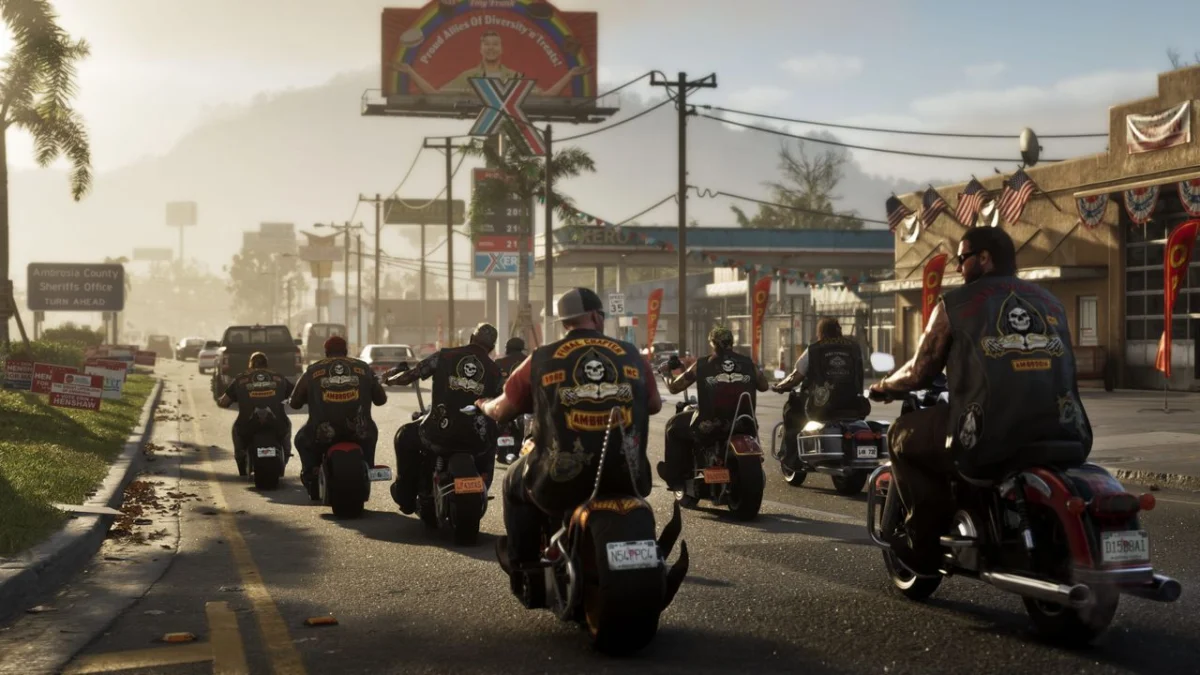
The highly anticipated Grand Theft Auto VI (GTA VI) has stunned the gaming world with its breathtaking graphical fidelity, pushing the boundaries of realism in interactive entertainment. However, beneath the veneer of its cinematic visuals, a seasoned industry observer voices a profound unease, suggesting that this pursuit of hyper-realism could inadvertently compromise core gameplay elements, limit accessibility, and herald a new, more expensive era for gaming as a whole.
The initial reveal of GTA VI’s in-game screenshots and trailers has been met with near-universal acclaim, showcasing a level of detail, lighting, and texture work previously reserved for Hollywood blockbusters. Yet, for an individual with two decades of experience dissecting graphic design, 3D animation, and visual effects, this technological marvel elicits not just admiration, but a genuine, almost emotional apprehension about the future trajectory of the beloved franchise and the broader gaming landscape.
Main Facts: The Dazzling Dawn of a New Era
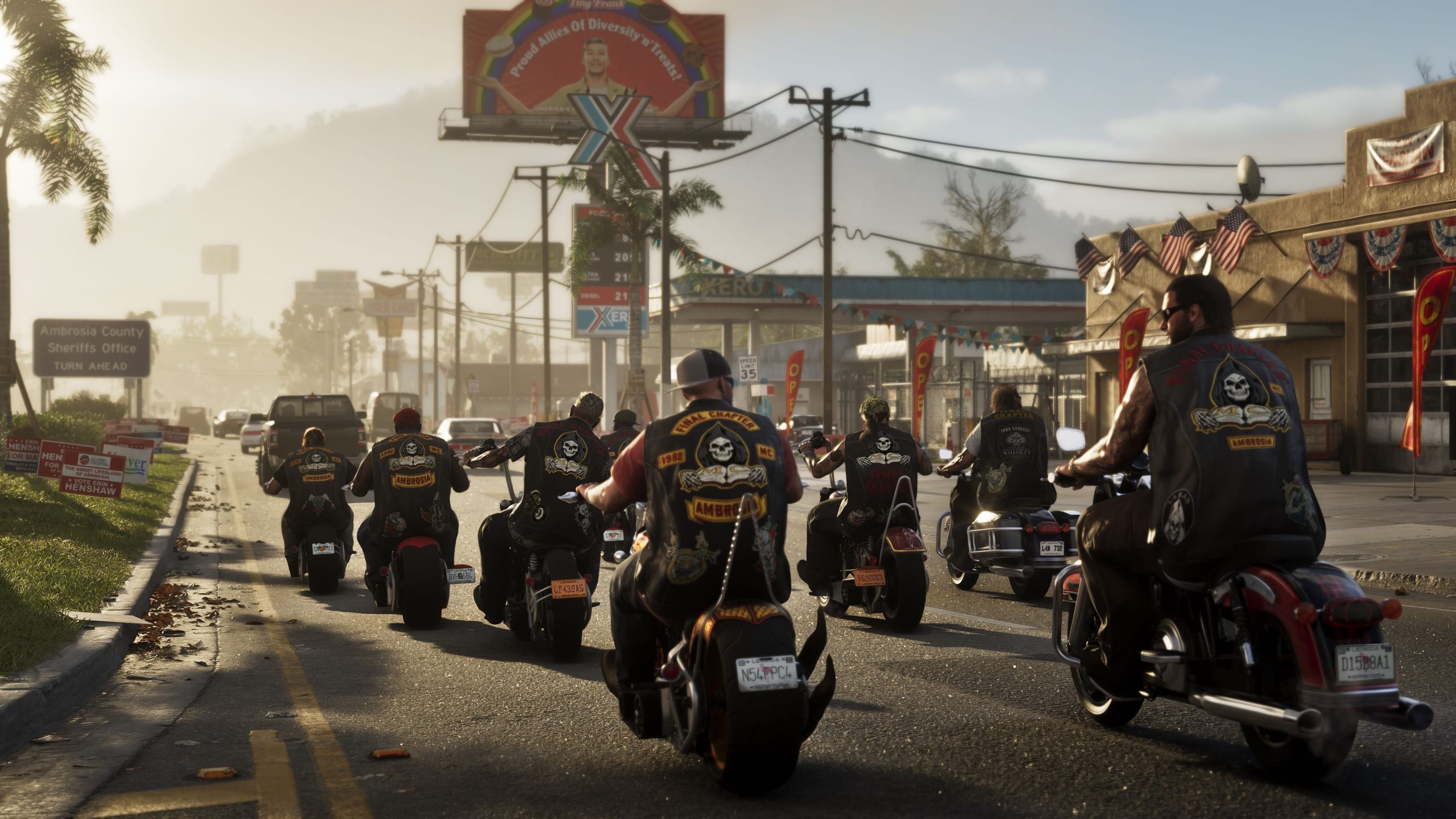
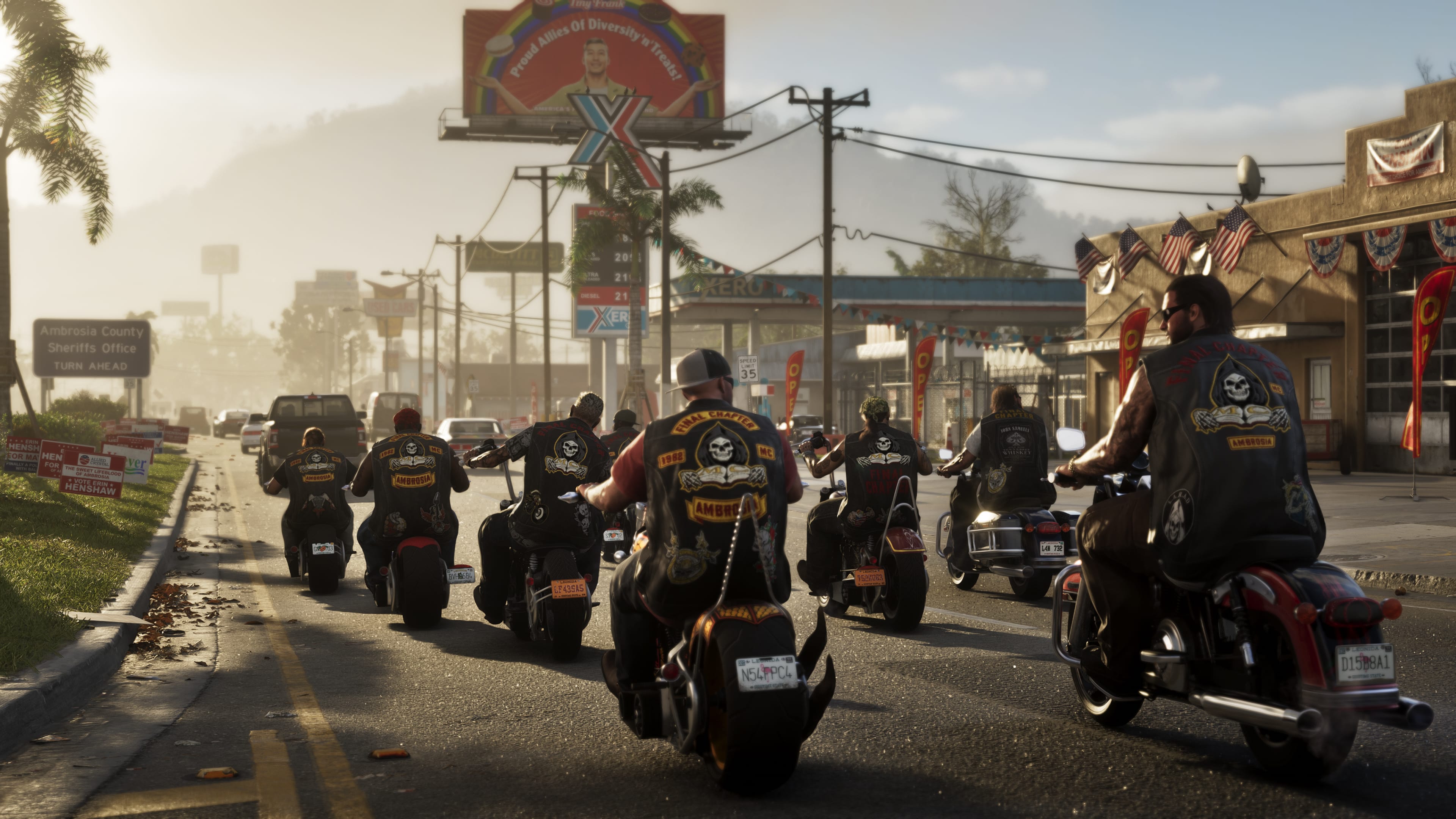
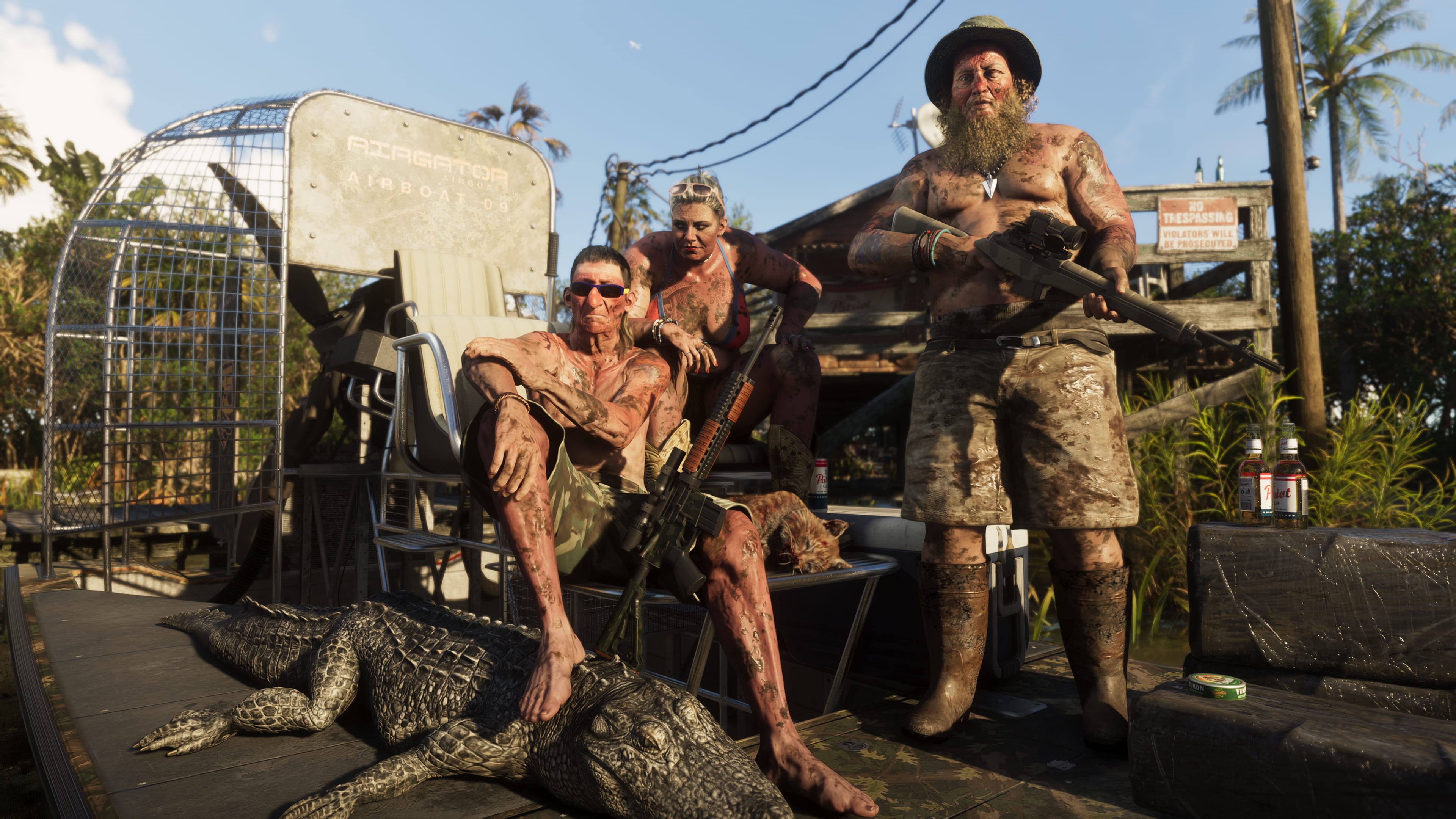
Rockstar Games, renowned for its meticulously crafted open-world experiences, has once again set an impossibly high bar with Grand Theft Auto VI. The officially released media, which the developer asserts represents "equal parts gameplay and cutscenes," displays environments and character models rendered with an astonishing degree of photorealism. Sunlight dappling through palm trees, the intricate reflections on wet asphalt, the subtle nuances of facial expressions, and the sheer density of environmental assets paint a picture of a virtual world indistinguishable from reality at times.
This visual revolution is powered by what appears to be a significantly upgraded iteration of the RAGE (Rockstar Advanced Game Engine) engine, showcasing advancements in global illumination, physically based rendering, and advanced particle systems. The images evoke a sense of immersion that promises to redefine player expectations for open-world games.
However, this unprecedented fidelity, while lauded, forms the crux of the underlying concerns. The author, a long-time observer of visual media, articulates a three-pronged worry:
- The "Vibe Problem": The potential dilution of GTA’s signature satirical and chaotic tone as realism clashes with its established "cartoon logic."
- The "Frame Rate Problem": The practical challenges of achieving smooth performance (e.g., 60 frames per second) on current and even future hardware, given the immense computational demands of such a realistic and dynamic world.
- The "Cost Problem": The precedent set by the Ultimate Edition’s $100 price tag, hinting at a potential industry-wide escalation in game pricing.
These anxieties collectively suggest that while GTA VI’s graphics are an undeniable triumph of engineering and artistry, they might also represent a turning point with significant, potentially challenging, implications for players, developers, and the economic model of the gaming industry.
Chronology: A Decade of Anticipation Culminates in Visual Spectacle and Growing Concerns
The journey to GTA VI has been a long and eagerly awaited one, spanning over a decade since the release of its predecessor, Grand Theft Auto V, in 2013. This prolonged silence from Rockstar Games fueled immense speculation and anticipation, making every scrap of official or leaked information a global event.
Early Whispers and Leaks (Post-GTA V): Following the monumental success of GTA V and its online component, GTA Online, rumors of the next installment began almost immediately. Unofficial leaks and analyst predictions sporadically surfaced, building a mythos around the game even before its official acknowledgment. These early whispers often focused on potential settings (a return to Vice City being a popular theory) and the ever-present desire for graphical advancements.
The Official Confirmation (February 2022): Rockstar Games officially confirmed the development of a new Grand Theft Auto title, sparking an immediate frenzy across the gaming world. While no details were provided at the time, the mere acknowledgment validated years of fan speculation and set the stage for future reveals.
The Massive Leak (September 2022): A significant data breach saw numerous development videos and screenshots of GTA VI leaked online. While unofficial and raw, these leaks offered the first glimpse into the game’s setting, character dynamics (confirming a female protagonist for the first time in the series’ mainline history), and early graphical capabilities. Despite the unauthorized nature of the leak, it inadvertently showcased the ambitious scale of the project and confirmed the Vice City-inspired setting of Leonida.
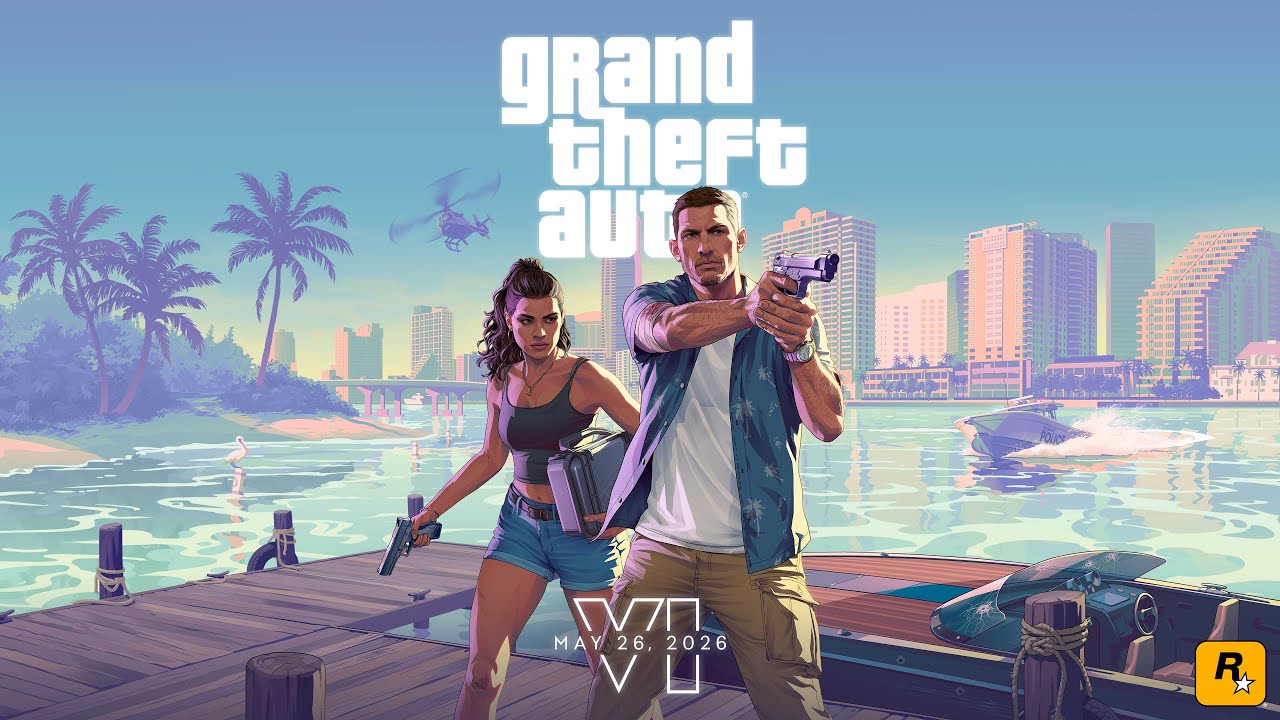
The Trailer Drop (December 2023): Against a backdrop of unprecedented hype, Rockstar Games released the first official trailer for GTA VI. Originally planned for later in the month, the trailer was released early due to an external leak. It immediately shattered viewership records, offering a two-minute montage of stunning visuals, dynamic environments, and glimpses of the dual protagonists, Lucia and Jason. The trailer meticulously showcased the vibrant, often chaotic, lifestyle of Leonida, replete with satirical social commentary delivered through in-game "social media" clips. It was this trailer that truly cemented the game’s visual prowess in the public consciousness, with many viewers struggling to differentiate between game footage and real-life cinematography.
Official Screenshots and Media Releases (Post-Trailer): Following the trailer, Rockstar released a selection of high-resolution in-game screenshots, further solidifying the visual benchmark. These images, depicting everything from biker gangs on sunlit roads to murky swamp scenes with alligators, and bustling nightclubs, reinforced the impression of a world meticulously crafted for ultimate immersion. It was within this context that Rockstar made its crucial statement: the visuals shown were "equal parts gameplay and cutscenes," implying that this fidelity would be experienced live by players.
Performance and Pricing Discussions Emerge: As the initial awe subsided, industry analysts and the gaming community began to dissect the implications of such high fidelity. Discussions around performance targets (particularly 60fps), hardware requirements, and the sheer development cost became prevalent. The subsequent announcement of the Ultimate Edition’s $100 price point for pre-orders added another layer to the emerging concerns, turning what was once pure excitement into a more complex conversation about technological achievement versus practical realities and market economics. The chronology thus illustrates a rapid progression from pure anticipation to a more nuanced assessment of the game’s potential impact.
Supporting Data: Deconstructing the Technical, Psychological, and Economic Underpinnings
The concerns raised about GTA VI’s hyper-realism are not born of mere conjecture but are rooted in established technical limitations, psychological principles of media consumption, and prevailing economic trends within the gaming industry.
The Apex of Graphical Prowess: What "Cinematic" Truly Means
When the author describes GTA VI’s visuals as possessing "the kind of lighting and texture work I’d expect from a Hollywood movie," it speaks to specific advancements in rendering technology:
- Global Illumination (GI): This technique simulates how light bounces off surfaces, creating incredibly realistic ambient light and shadows. Unlike older methods that relied on pre-baked lighting, real-time GI dynamically adjusts, making scenes feel naturally lit regardless of time of day or environmental changes. The subtle interplay of light and shadow visible in the screenshots suggests highly advanced GI implementation.
- Physically Based Rendering (PBR): PBR models how light interacts with different materials based on their physical properties (roughness, metallicness, reflectivity). This ensures that surfaces like wet asphalt, worn leather, polished chrome, or human skin react to light in a consistently realistic manner, contributing significantly to the visual "pop" and authenticity.
- High-Resolution Assets and Texture Streaming: The sheer detail in environmental objects, character clothing, and even distant vistas indicates the use of extremely high-resolution textures. Efficient texture streaming is crucial to load these massive assets without hitching, especially in a sprawling open world.
- Advanced Particle Systems and Volumetric Effects: Smoke, fog, water splashes, and explosions, as hinted in the trailers, likely utilize sophisticated particle systems and volumetric rendering to create realistic atmospheric effects and dynamic interactions, further blurring the line between game and reality.
- Next-Gen Character Models and Animation: The expressiveness of the characters, the realistic skin shaders, and the fluid animations contribute heavily to the cinematic feel. Rockstar has historically excelled in character design, and GTA VI appears to elevate this to new heights, employing advanced motion capture and facial animation techniques.
Compared to other visually stunning titles like Red Dead Redemption 2 (also by Rockstar), Cyberpunk 2077, or The Last of Us Part II, GTA VI appears to push these elements further, striving for an almost documentary-like authenticity that demands significant computational horsepower.
The "Vibe Problem": Realism, Satire, and the Uncanny Valley
The core of the "vibe problem" lies in the psychological impact of hyper-realism on a game traditionally built on satirical exaggeration and a suspension of disbelief. Grand Theft Auto has always operated on a foundation of "cartoon logic," where over-the-top violence, absurd character behavior, and tonal whiplash (e.g., surviving a rocket blast only to calmly order a burger) were accepted because the visual style provided a buffer.
- The Uncanny Valley: As visuals approach photorealism, imperfections or inconsistencies become more jarring. If a character looks almost human but then performs an impossible feat or reacts in an unrealistic way, it can pull players out of the immersion, creating a sense of unease or artificiality rather than engaging them.
- Stylization as a Narrative Tool: Past GTA titles used a stylized aesthetic to reinforce their satirical intent. The exaggerated character models, vibrant color palettes, and slightly caricatured world allowed for sharp social commentary without becoming overtly grim. A move towards photorealism risks making the inherent violence and dark humor feel less like satire and more like a disturbing depiction of reality, potentially alienating players who enjoyed the previous tonal balance.
- Emotional Resonance: A stylized character being "mown down by a car" elicits a different, often more detached, emotional response than a highly realistic character experiencing the same fate. The latter can evoke genuine discomfort, shifting the player’s experience from "fun chaos" to something potentially more morbid or ethically ambiguous, challenging the lighthearted mayhem that defines much of GTA’s appeal.
The "Frame Rate Problem": Performance Bottlenecks and Hardware Demands
The concern regarding frame rates is a practical one, impacting the fluidity and responsiveness of gameplay.
- Frame Rate Explained: Frame rate (frames per second, or fps) refers to how many individual images a display shows per second. Higher fps (e.g., 60fps) results in smoother motion, reduced input lag, and a more responsive feel, especially crucial in fast-paced action games. Lower fps (e.g., 30fps) can lead to a choppier, less immediate experience.
- CPU Bottleneck: The original article highlights a critical point: "The bottleneck won’t be the graphics card but the CPU." While GPUs handle rendering visuals, CPUs manage the complex logic of the game world. In an open-world title like GTA VI, this includes:
- Dense NPC Crowds: Each non-player character requires AI routines, pathfinding, and interaction logic. Simulating hundreds or thousands of unique NPCs simultaneously in a bustling city is immensely CPU-intensive.
- Live Traffic Simulation: The complex algorithms governing vehicle AI, traffic flow, and collision detection across a vast network of roads place a heavy burden on the CPU.
- Environmental Simulation: Dynamic weather, physics interactions (destructible environments, ragdoll physics), and real-time world events all demand significant CPU power.
- Game Logic: All mission scripting, player input processing, and general game state management reside on the CPU.
- Hardware Implications:
- Current-Gen Consoles (PS5, Xbox Series X): While powerful, these consoles have fixed hardware. Achieving consistent 60fps with GTA VI’s level of detail, especially in CPU-heavy scenarios, is a formidable challenge. Reports suggest 30fps or a variable 40fps mode (requiring a 120Hz display) are more realistic targets for a "fidelity" mode.
- PS5 Pro: Even an upgraded console like the rumored PS5 Pro, while offering a more powerful GPU, might still be limited by its CPU architecture in scenarios dominated by heavy simulation, potentially still struggling to hit a locked 60fps in all situations.
- Xbox Series S: This lower-spec console is already expected to make significant compromises, likely running at a lower resolution and/or even lower frame rates, potentially with reduced environmental detail or NPC density.
- PC: While PCs offer scalable hardware, running GTA VI at its "best settings" (max fidelity, high resolution, high frame rate) will demand an "extremely expensive graphics card" and a top-tier CPU, effectively pricing out a significant portion of the PC gaming community. This creates an accessibility barrier, limiting the number of players who can experience the game as intended by its creators.
The "Cost Problem": Setting a New Industry Price Ceiling
Rockstar’s decision to price the standalone Ultimate Edition of GTA VI at $100 / £90 is a significant economic marker.
- Current Industry Standard: The prevailing price for new AAA games has generally settled around $60-$70 for standard editions, with special editions often pushing to $80-$90.
- The Ultimate Edition Precedent: The $100 price point for a "standalone" (implying a base game plus digital extras, not necessarily a physical collector’s item) sets a new high for a flagship title. Given Rockstar’s stature as an industry leader and the immense demand for GTA VI, this pricing strategy is likely to be watched closely by other major publishers.
- Potential for Industry-Wide Price Hikes: If GTA VI sells exceptionally well at this price point (which it is widely expected to do), it could normalize higher retail prices for future AAA releases across the industry. Publishers might argue that increased development costs (driven partly by the pursuit of higher graphical fidelity, as exemplified by GTA VI) necessitate higher consumer prices. This could lead to a significant increase in the overall cost of gaming, making it a more expensive hobby for consumers.
- Value Proposition: For many players, a $100 game represents a substantial investment, prompting more scrutiny of its content, longevity, and replayability. This could shift consumer purchasing habits, making them more selective about which titles they buy at launch.
In essence, the supporting data paints a picture of a game that is a technical marvel but whose very brilliance brings forth a cascade of challenges related to its artistic integrity, technical performance, and economic accessibility, issues that resonate far beyond the confines of a single title.
Official Responses: Rockstar’s Strategic Silence and Definitive Statements
Rockstar Games operates with a distinct strategy regarding information dissemination, often preferring to let their products speak for themselves while carefully curating official statements. In the context of GTA VI’s graphical fidelity and its implications, their responses, or lack thereof, are highly significant.
On Graphical Fidelity: "Equal Parts Gameplay and Cutscenes"
Rockstar’s most direct official response concerning the game’s visuals is their assertion that the released screenshots are "equal parts gameplay and cutscenes." This statement is crucial because it directly addresses the common industry practice of showcasing highly polished, pre-rendered cutscene footage that doesn’t always reflect the actual in-game graphical experience. By explicitly stating that these stunning visuals are representative of live gameplay, Rockstar aims to assure players that the fidelity seen in trailers and screenshots will be consistent during interactive segments. This claim, if fully realized, would represent a monumental achievement in real-time rendering and further underscores the technical ambition behind GTA VI. It also implicitly challenges the industry to match this level of visual consistency between passive and active gameplay.
On Performance: A Conspicuous Silence
Conversely, Rockstar has "stayed quiet so far on the issue of performance." This silence is arguably as telling as any direct statement. In an era where frame rates are a significant talking point among the gaming community, especially for demanding open-world titles, the absence of a definitive commitment to 60fps, even for higher-end consoles, suggests that achieving this target universally might be challenging.
Game developers often choose to remain silent on performance specifics until closer to launch, or they might offer general statements about "optimizing for the best possible experience." Rockstar’s silence allows them to manage expectations while continuing to optimize. It also leaves room for the possibility of different performance modes (e.g., a "fidelity mode" at 30/40fps and a potential "performance mode" at lower resolution/settings for 60fps, though the latter seems less likely given the fidelity goals). This lack of official confirmation fuels the ongoing speculation and concern among technical analysts and players who prioritize smooth gameplay.
On Pricing: Definitive Confirmation for the Ultimate Edition
In stark contrast to their performance silence, Rockstar has been explicit about pricing. The confirmation of the Ultimate Edition at $100 / £90 alongside pre-orders is a definitive market statement. This is not a speculative figure but an official price point set by the publisher. This decision indicates a clear strategy to position GTA VI as a premium product, likely reflecting the immense development costs associated with its scale and fidelity. As an industry leader, Rockstar’s pricing choices carry significant weight, and this particular price point is a bold move that has immediately sparked discussions about the future economic model of AAA gaming.
In summary, Rockstar’s official responses demonstrate a strategic approach: confidently showcasing the visual prowess, maintaining a cautious silence on potentially problematic performance aspects, and making clear, definitive statements on pricing that align with their perceived value of the product. This blend of transparency and strategic ambiguity is characteristic of a company that understands how to manage hype and expectations for one of the most anticipated entertainment products of the decade.
Implications: Reshaping Gameplay, Accessibility, and the Industry Landscape
The choices Rockstar Games has made with GTA VI, particularly in its relentless pursuit of graphical realism, carry profound implications that extend beyond the game itself, potentially reshaping the very fabric of the gaming experience, player accessibility, and the broader industry.
Implications for Gameplay: The Vibe Dilemma and Experiential Trade-offs
The "vibe problem" is perhaps the most fundamental implication for GTA VI’s gameplay. If the hyper-realistic visuals indeed clash with the series’ established tone of anarchic satire and comedic chaos, players might experience a significant shift in how they engage with the game.
- Tonal Inconsistency: The seamless blending of a hyper-realistic world with the often-absurdist actions of the player character (e.g., surviving impossible falls, engaging in over-the-top shootouts) could create a dissonant experience. The "comic book chaos" that allowed players to detach and enjoy the mayhem might be replaced by a feeling of disturbing realism, making the violence feel heavier and the satire less biting.
- Player Adaptation: Will players adapt to this new tonal balance, or will it detract from the "fun vibe" that has been a hallmark of the series? The success of games like Red Dead Redemption 2 demonstrates Rockstar’s ability to craft serious, narrative-driven experiences with high realism, but GTA has always occupied a different, more irreverent space.
- Impact of Frame Rate on Core Mechanics: A consistent 30fps or even 40fps, while playable, will inevitably impact the core mechanics of a fast-paced open-world game like GTA.
- Driving: High-speed chases and intricate maneuvers will feel less responsive and fluid, potentially making precision driving more challenging and less satisfying.
- Combat: Quick reflexes and accurate aiming in shootouts could be hampered by increased input lag and less smooth visual feedback.
- Immersion: While high fidelity aims for immersion, a choppy frame rate can be a significant immersion breaker, especially during intense action sequences. The trade-off between visual fidelity and smooth performance is a critical choice that will directly affect the player’s moment-to-moment experience.
Implications for Accessibility: Hardware Barriers and the Digital Divide
The sheer graphical demands of GTA VI inherently create accessibility barriers, potentially alienating a significant portion of the gaming community.
- Console Divide: Xbox Series S owners are already bracing for visual compromises, likely facing lower resolutions, reduced graphical effects, and potentially even lower frame rates. This creates a tiered experience where not all current-generation console owners will play the "same" game.
- PC Exclusivity to High-End Hardware: When GTA VI eventually arrives on PC, achieving anything close to its best settings will necessitate an "extremely expensive graphics card" and a powerful CPU. This effectively limits the "ultimate" experience to a niche of players with top-tier hardware, leaving many PC gamers unable to fully appreciate the game’s visual ambition without substantial financial investment.
- Widening the Digital Divide: This trend contributes to a growing digital divide within gaming, where the most graphically advanced experiences become exclusive to those with the deepest pockets. It raises questions about inclusivity and whether the industry is prioritizing visual spectacle over broader player access.
Implications for the Industry: Pricing, Development Cycles, and the Arms Race
Rockstar’s decisions with GTA VI are likely to send ripple effects throughout the entire video game industry.

- New Price Ceiling for AAA Games: The $100 Ultimate Edition price point is a bold statement. If GTA VI achieves its expected commercial success at this price, it could normalize higher price tags for future AAA releases. Other major publishers, facing their own escalating development costs, might follow suit, justifying it by pointing to the precedent set by Rockstar. This would fundamentally alter the economic landscape of gaming for consumers, making the hobby more expensive.
- Accelerated Technological Arms Race: The unparalleled graphical fidelity of GTA VI will likely intensify the "arms race" among developers to match or exceed this visual benchmark. This pursuit of realism requires:
- Increased Development Budgets: More complex assets, advanced rendering techniques, and larger teams translate to skyrocketing development costs.
- Extended Development Cycles: The level of detail required for hyper-realism inevitably lengthens development timelines, leading to longer waits between major releases.
- Talent Demand: There will be an even greater demand for highly skilled artists, animators, and technical engineers capable of producing such high-fidelity content.
- The "Experience vs. Spectacle" Debate: GTA VI’s approach will reignite the debate within the industry about whether the relentless pursuit of graphical spectacle is coming at the expense of other crucial aspects of game design, such as innovative gameplay mechanics, narrative depth, or broader accessibility. Are developers becoming too focused on "wow" factor visuals over truly groundbreaking interactive experiences?
Implications for Rockstar Games: Legacy and Future Direction
For Rockstar itself, the implications are equally significant.
- Reinforced Reputation (if successful): If GTA VI successfully navigates these challenges, delivering an unparalleled experience that balances realism with engaging gameplay, it will cement Rockstar’s legacy as a true pioneer and innovator in the open-world genre.
- Risk of Backlash (if concerns materialize): Conversely, if the "vibe problem" proves too jarring, or performance issues are widespread, or the price point is met with significant consumer resistance, it could lead to a rare moment of backlash for the otherwise universally praised developer.
- Future Direction: The success or challenges faced by GTA VI will undoubtedly influence Rockstar’s future design philosophies and technological investments, potentially dictating whether they continue down the path of extreme photorealism or explore alternative artistic directions for their next titles.
Ultimately, Grand Theft Auto VI stands at a pivotal moment, not just for the franchise but for the entire gaming industry. It represents the pinnacle of current graphical achievement, yet it simultaneously casts a long shadow of questions and concerns regarding the future of gameplay, accessibility, and the economic model that underpins our digital entertainment. As the author aptly concludes, despite these anxieties, the anticipation remains palpable, and the world will be watching closely to see whether Rockstar can once again redefine what’s possible, or if the pursuit of perfection comes with unforeseen costs. The industry holds its breath, hoping that these worries are ultimately unfounded, and that GTA VI delivers on its promise to be nothing short of incredible.
 Evan Lee Salim
  Nana
Nana  Ammar Sabilarrohman