
 By Laily UPN
In the world of Business-to-Business (B2B) marketing, the era of "quick wins" and impulse buys is effectively over. Unlike B2C environments, where a consumer might be persuaded by a well-placed advertisement to purchase a pair of shoes, a single B2B sale can involve a dozen stakeholders and a sales cycle that spans the better part of a year.
For modern marketers, social media is no longer just a megaphone for broadcasting press releases. It has become a vital instrument for building institutional trust, nurturing complex buying committees, and proving the long-term ROI of marketing efforts. This guide explores the strategic shift in B2B social media and how to transform your presence into a measurable profit center.

Understanding the B2B Social Landscape
B2B social media marketing is the strategic use of platforms to foster relationships between organizations. The primary objective is not to chase individual consumers, but to capture the attention of founders, department heads, and procurement teams who hold the keys to business decisions.
Key Differences: B2B vs. B2C
The fundamental distinction lies in the nature of the purchase. B2B transactions are characterized by:

- High stakes and high risk: A bad decision can cost a professional their job or a company millions.
- Multiple stakeholders: From end-users to financial controllers and C-suite executives, you must speak to different needs simultaneously.
- Rational, research-heavy cycles: Buyers are looking for proof, case studies, and long-term viability rather than emotional hooks.
Chronology of a Modern B2B Strategy
To build a sustainable social media machine, marketers must move beyond ad-hoc posting and toward a structured, funnel-based approach.
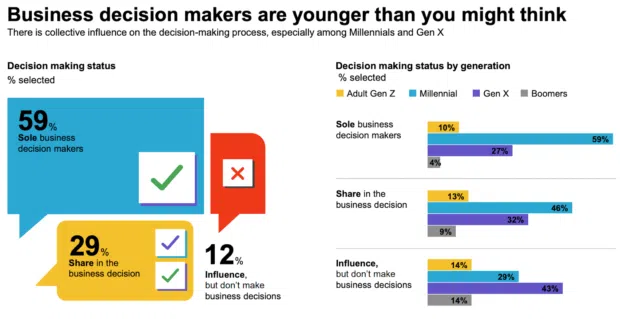
- Audience Mapping: Identify where your specific buyers consume information. For 98% of Fortune 500 CEOs, LinkedIn remains the primary source. However, as Millennials now lead 59% of B2B buying decisions, forward-thinking brands are increasingly testing Instagram and even TikTok to meet these buyers where they are.
- Foundation Setting: Begin with 2–3 platforms. Expanding too quickly leads to "dead" channels that signal a lack of brand reliability.
- Content Alignment: Map your output to the funnel:
- Top of Funnel (Awareness): Myth-busting, industry trends, and educational carousels.
- Middle of Funnel (Consideration): Webinars, comparison guides, and expert interviews.
- Bottom of Funnel (Decision): Case studies, testimonials, and product demos.
- Integration: Align social output with your Account-Based Marketing (ABM) and demand generation teams to ensure messaging consistency.
Supporting Data: The Power of Video and Advocacy
The landscape is shifting toward authenticity and proof. Recent benchmarks highlight why specific tactics are outperforming traditional static posts:
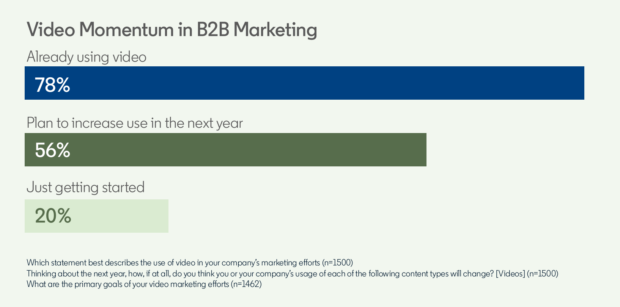
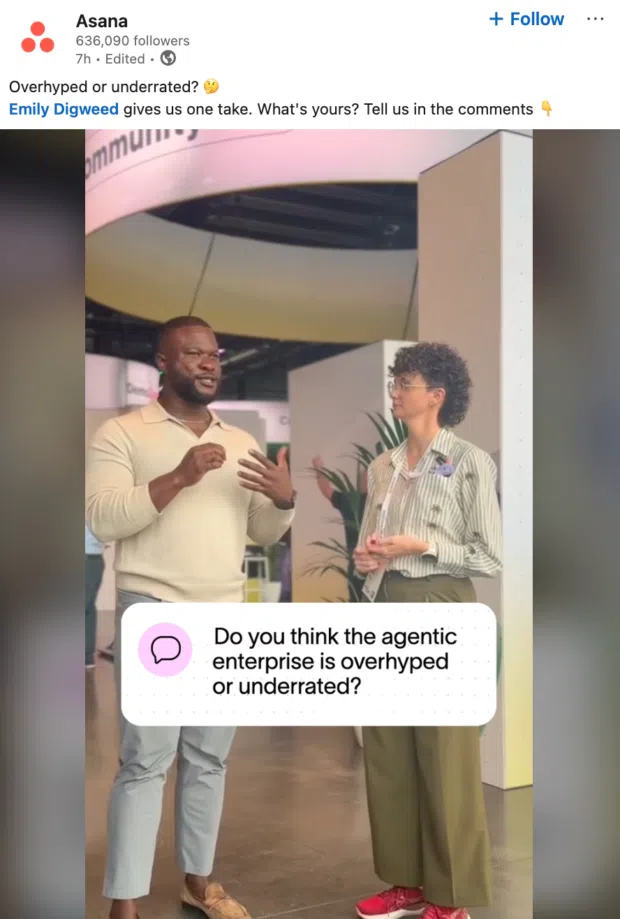
- The Rise of Video: 78% of B2B marketers are currently using video, with 56% planning to increase their investment in the coming year. On platforms like LinkedIn, short-form, emotionally resonant video content is seeing significantly higher completion rates than "polished" corporate commercials.
- The Trust Currency: Employee advocacy is perhaps the most untapped asset in B2B. Data shows that employee-shared content generates 200% higher click-through rates and 700% more engagement than company-branded posts.
- The Podcast Factor: With 73% of U.S. adults now listening to podcasts, advertising in this space is proving to be a high-trust medium. Nearly half (49%) of listeners have taken action after hearing a podcast ad, making it a critical consideration for B2B budgets.
Implications of "Dark Social"
One of the most challenging aspects of B2B marketing today is "Dark Social"—the private, untrackable conversations occurring in DMs, Slack channels, and industry Discord servers.
Traditional analytics often miss these interactions, leading to an underestimation of social media’s impact. To counteract this, marketers are shifting toward:
- Social Listening: Monitoring brand sentiment and industry trends to gain context that standard traffic metrics cannot provide.
- Private Communities: Launching LinkedIn groups or proprietary forums where the conversation can be better monitored and nurtured.
Proving ROI: Moving Beyond Vanity Metrics
The greatest challenge facing the modern B2B marketer is the demand for accountability. Execs are no longer satisfied with "likes" or "impressions." They require a clear line from social activity to revenue.
The Attribution Model
B2B sales are rarely linear. A buyer might engage with a LinkedIn post, attend a webinar, and read a whitepaper months before signing a contract. A "last-touch" attribution model—giving all credit to the final interaction—is often misleading.

Organizations are increasingly adopting multi-touch attribution, which spreads credit across the entire journey. This approach allows marketers to demonstrate that social media acted as the catalyst at the awareness stage, even if the final sale occurred via a direct email to a sales representative.
Reporting to the C-Suite
When presenting to leadership, frame your social strategy as a profit center. Instead of discussing engagement spikes, focus on:
- Customer Acquisition Cost (CAC) reduction: How social media decreased the cost of reaching qualified leads.
- Sales Enablement: How social content shortened the average sales cycle by providing prospects with the necessary documentation to build internal consensus.
- Pipeline Velocity: The measurable increase in leads moving from "consideration" to "demo" as a result of targeted social nurture campaigns.
Conclusion: The Path Forward
B2B social media is a marathon, not a sprint. It requires a commitment to high-value educational content, a willingness to empower employees as brand advocates, and the technical rigor to track performance across a fragmented customer journey.
As the B2B buying committee continues to get younger and more digitally native, the companies that win will be those that prioritize trust over hype. By leveraging advanced analytics, aligning social with revenue goals, and humanizing the brand through video and user-generated content, you can turn your social presence from a support function into a primary driver of enterprise growth.

Frequently Asked Questions (FAQ)
How do B2B companies use social media to drive brand awareness?
B2B firms utilize a "give-to-get" strategy. By providing high-value thought leadership (industry reports, trend analyses) for free, they earn the trust of decision-makers. This awareness is then converted into leads through targeted content that addresses specific pain points at each stage of the funnel.
What is the best platform for B2B?
LinkedIn remains the industry standard due to its professional targeting data. However, YouTube is increasingly essential for long-form educational content and SEO, while Instagram and TikTok are becoming relevant for brands targeting younger decision-makers who prefer short-form, authentic video content.
How should B2B brands measure ROI?
Success should be measured through conversion tracking, attribution modeling, and pipeline analysis. Tools like Hootsuite Advanced Analytics allow marketers to connect social interactions to specific business outcomes, proving that social media contributes to the bottom line rather than just vanity metrics.
What types of content perform best?
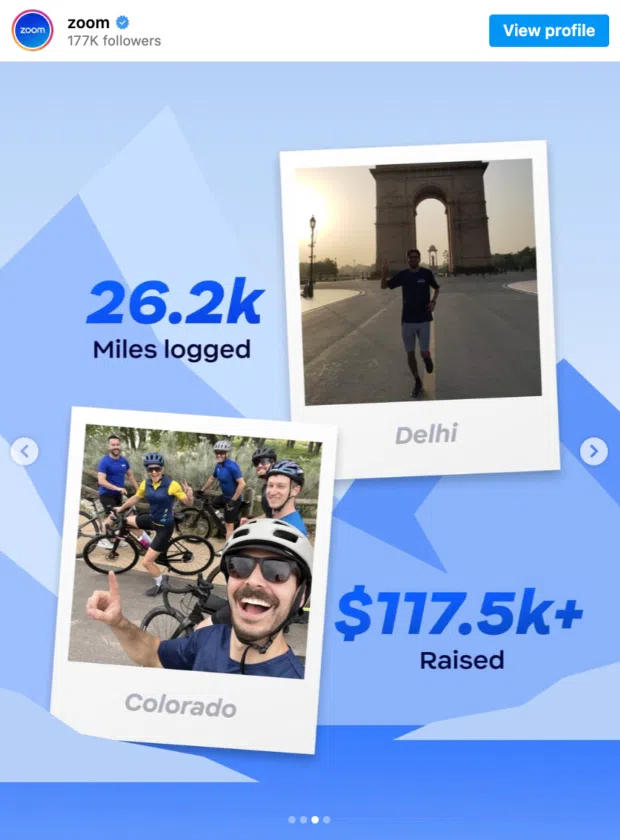
The most effective B2B content is "genuinely useful." This includes actionable how-to guides, customer case studies that provide social proof, and video content that showcases the product in a real-world setting. User-generated content (UGC) is also gaining massive traction as it provides an unbiased look at how a product solves real problems.
 Lina Irawan
  Nana Muazin
  Nila Kartika Wati