
 By Lina Irawan
In the digital landscape of 2026, TikTok has transcended its origins as a short-form entertainment app to become a cornerstone of global commerce and brand strategy. With over 1.59 billion active users, the platform now functions as a primary search engine for Gen Z and a high-conversion sales channel for businesses of all sizes. For brands looking to remain relevant, TikTok is no longer an optional experiment; it is an essential component of a modern, integrated marketing mix.

The Evolution of TikTok Marketing: From Entertainment to Commerce
TikTok marketing is the strategic practice of utilizing the platform’s unique algorithm to build brand awareness, foster community, and drive direct sales. Unlike traditional social media platforms, TikTok’s "For You" page (FYP) algorithm is interest-based rather than graph-based, meaning content is surfaced to users based on what they enjoy rather than who they follow.

This paradigm shift has enabled brands to reach massive audiences without needing a massive existing follower count, provided their content offers genuine value or entertainment. In 2026, the integration of TikTok Shop and advanced in-app checkout features has cemented the platform’s status as a powerhouse for social commerce, allowing users to move from product discovery to purchase without ever leaving the app.

Chronology of Influence: How the Platform Changed the Game
The rise of TikTok marketing follows a clear trajectory:

- The Viral Era (2019–2021): Brands initially struggled to find their footing, often relying on high-production commercials that failed to resonate.
- The Creator Economy (2022–2024): Brands learned that partnering with authentic creators was the secret to success. Influencer marketing moved from polished product placement to subtle, narrative-driven content.
- The Commerce Revolution (2025–2026): With the maturity of TikTok Shop and sophisticated search functionality (TikTok SEO), the platform has become a destination for intent-based shopping, rivaling traditional e-commerce giants.
Supporting Data: Why TikTok Commands Attention in 2026
The numbers tell a compelling story for stakeholders. U.S. users currently spend an average of 44 hours per month on the application. This unprecedented attention span provides brands with a unique opportunity to embed themselves into the daily lives of consumers.
Competitive Benchmarking
| Platform | Primary Audience Age | Ad Formats | Commerce Features |
|---|---|---|---|
| TikTok | 25–34 (Gen Z heavy) | Spark Ads, In-Feed, Shopping Ads | In-app checkout, TikTok Shop |
| Instagram Reels | 25–34 | Reels Ads, Stories Ads | Instagram Shopping |
| YouTube Shorts | 25–44 | Shorts Ads, In-feed | Product links, YouTube Shop |
Strategic Pillars for Success
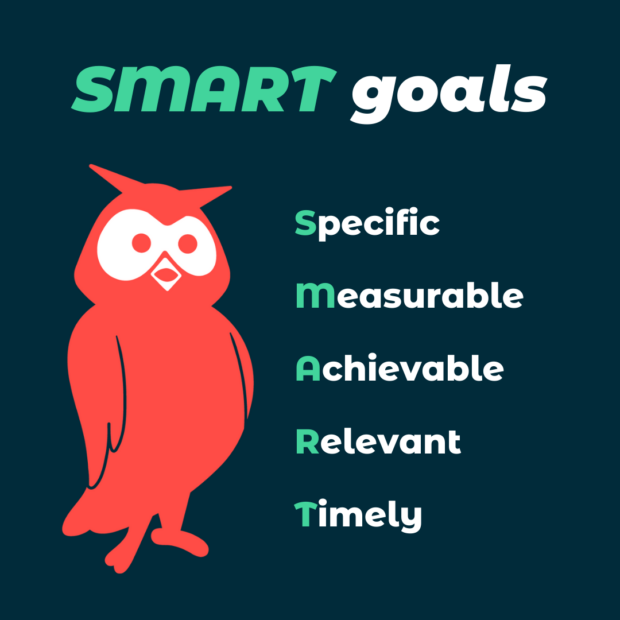
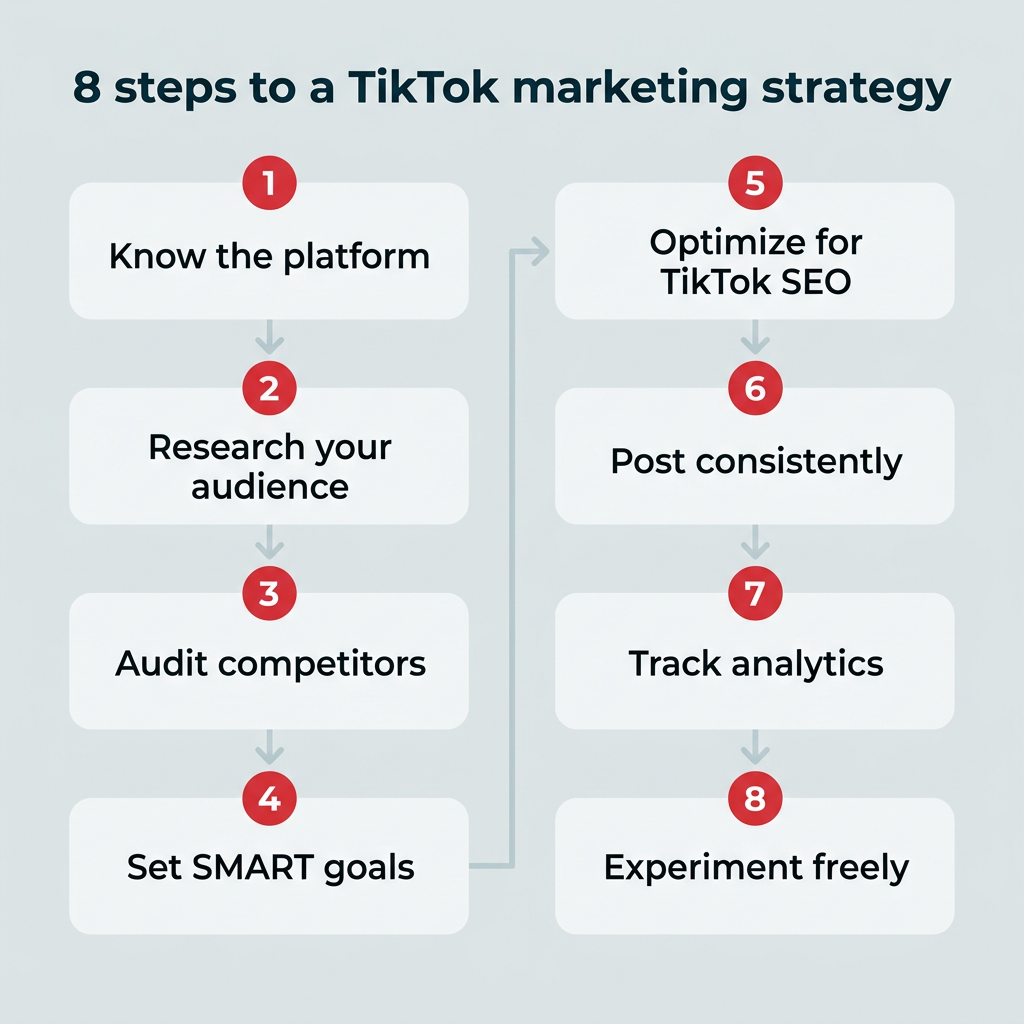
Creating a successful TikTok strategy requires a repeatable, data-backed process.
1. The Power of TikTok SEO
Users are increasingly using the TikTok search bar as a primary engine for discovery. By incorporating relevant, high-intent keywords into captions, on-screen text, and voiceovers, brands can ensure their content appears in search results long after the initial post date.
2. Influencer Partnerships
Influencer marketing remains the most effective way to build trust. When a brand partners with a creator, they aren’t just buying reach; they are borrowing the creator’s credibility. Whether through paid partnerships or the platform’s affiliate program, brands must prioritize creators who align with their core values and audience demographics.
3. The 3-Second Hook
The "3-second rule" is the most vital metric in short-form video. Because the average user’s attention span is razor-thin, the first few seconds of a video must provide a compelling reason to stop scrolling. Whether it’s an intriguing question, a visual spectacle, or a relatable pain point, the hook is the bridge between a view and a conversion.
Official Responses and Regulatory Considerations
As of 2026, TikTok remains a globally dominant force, though its regulatory landscape remains subject to ongoing legislative review in various markets. For enterprise teams, this necessitates a "portable content" strategy. Brands should ensure their core content assets are stored and adaptable for other short-form platforms like Instagram Reels and YouTube Shorts. This risk-mitigation approach allows brands to maintain their momentum regardless of regional policy changes.
Implications for Future Growth
The shift toward "edutainment" and authentic, behind-the-scenes content suggests that the future of marketing is increasingly human. Consumers are rejecting polished, corporate-speak advertising in favor of raw, unfiltered narratives.
Key Takeaways for 2026 Strategy:
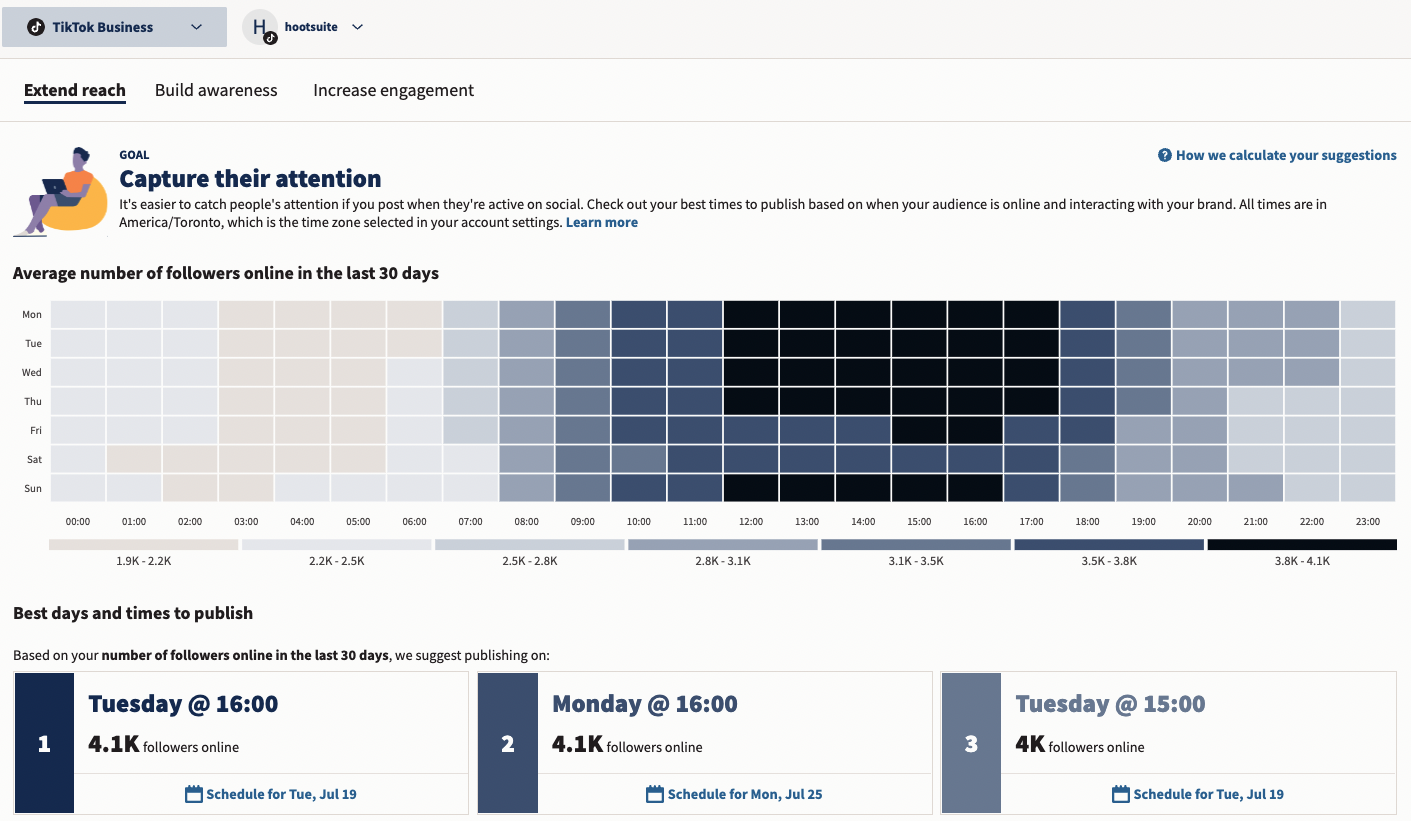
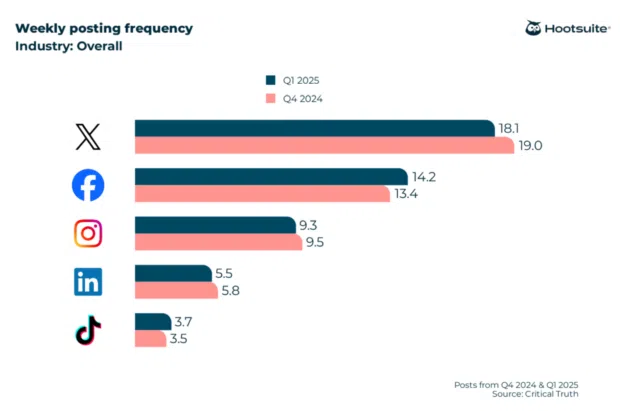
- Post Frequently: Data indicates that posting 3–5 times per week is the optimal frequency for maintaining algorithm favorability.
- Lean into Trends: Use the TikTok Creative Center to monitor trending audio and challenges, but adapt them to your brand voice rather than mimicking them blindly.
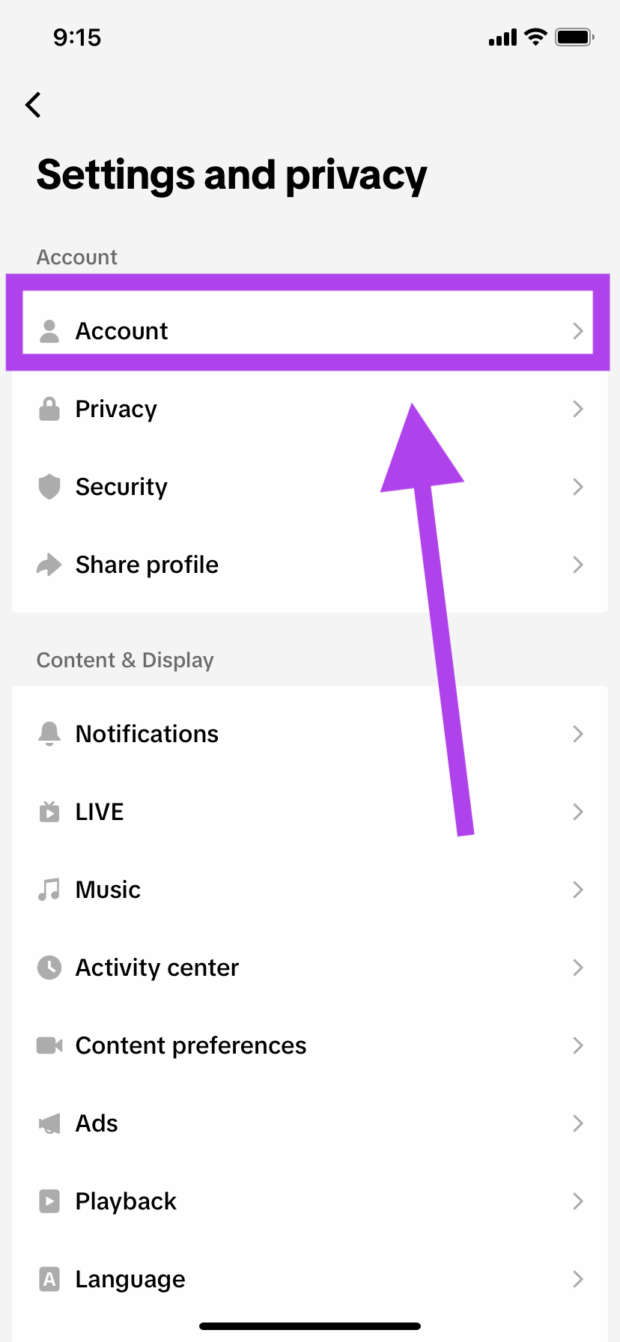
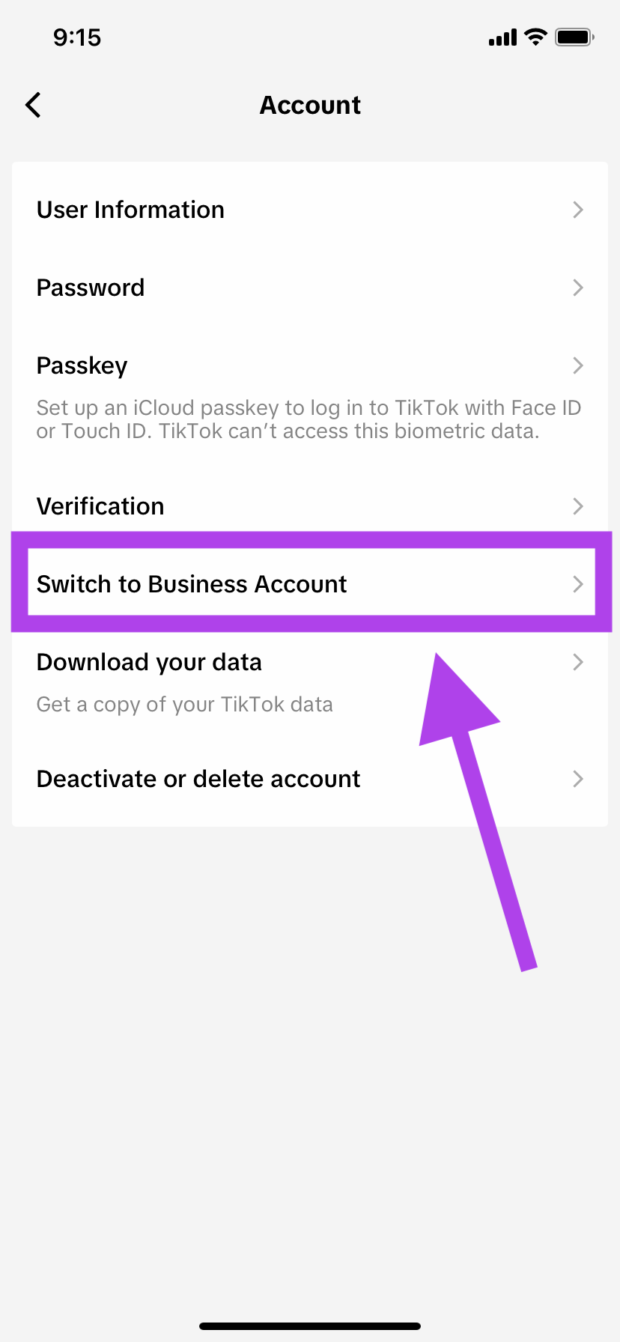
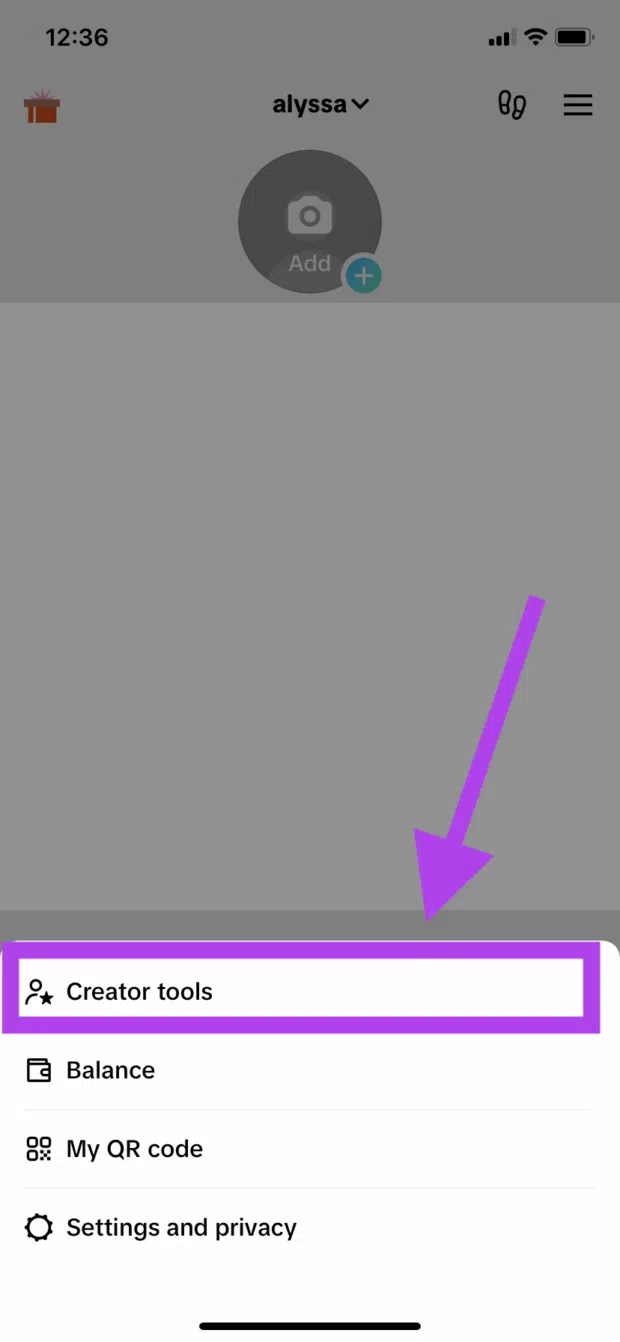
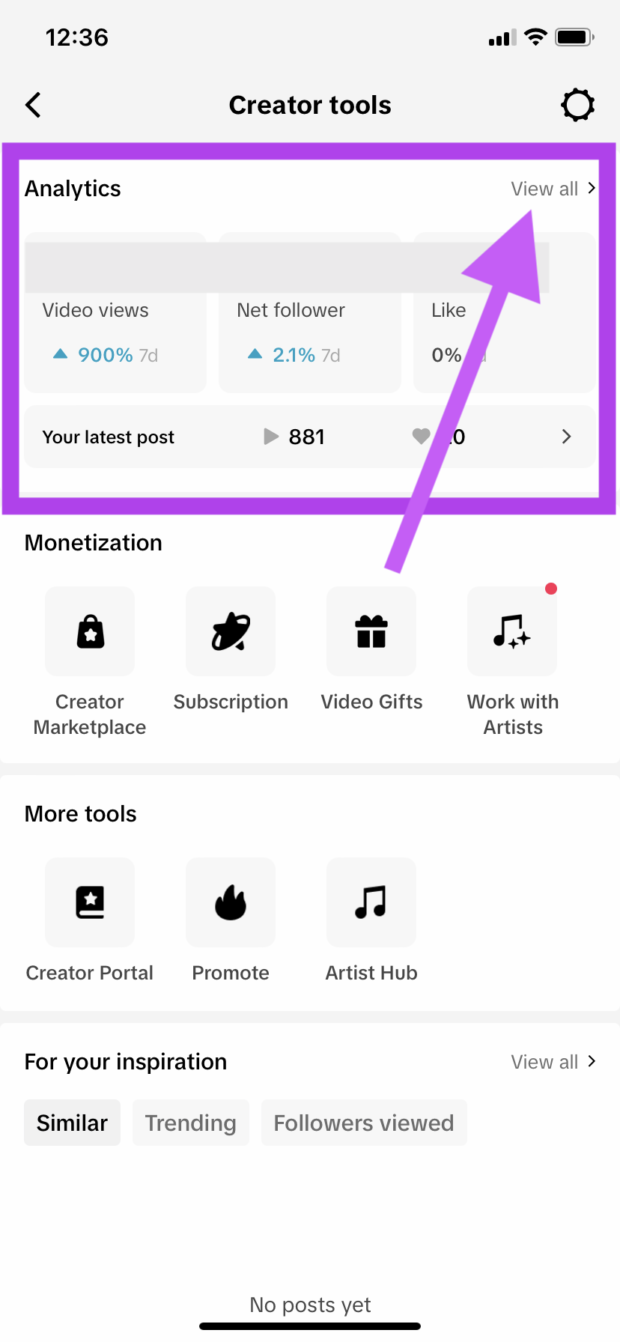
- Measure Everything: Utilize the TikTok Business Center to track engagement, follower growth, and conversion rates. The ability to calculate ROI—comparing the cost of content production against sales generated—is what will ultimately justify continued investment to your leadership team.
- Experimentation is Required: Not every post will go viral. By creating a culture of experimentation, brands can iterate on what works and quickly pivot away from what doesn’t.
Conclusion: The Path Forward
TikTok in 2026 is a sophisticated, multi-faceted engine for business growth. By moving beyond simple video uploads and embracing the platform’s SEO, influencer, and commerce capabilities, brands can turn passive viewers into loyal advocates.
To succeed, you must stop thinking like an advertiser and start thinking like a creator. Whether you are a small business looking for your first 1,000 followers or a global enterprise managing a multi-channel campaign, the formula remains the same: provide value, optimize for discovery, and stay authentic to your brand. As the digital landscape continues to evolve, those who treat TikTok as a living, breathing ecosystem rather than a billboard will be the ones who dominate the market.
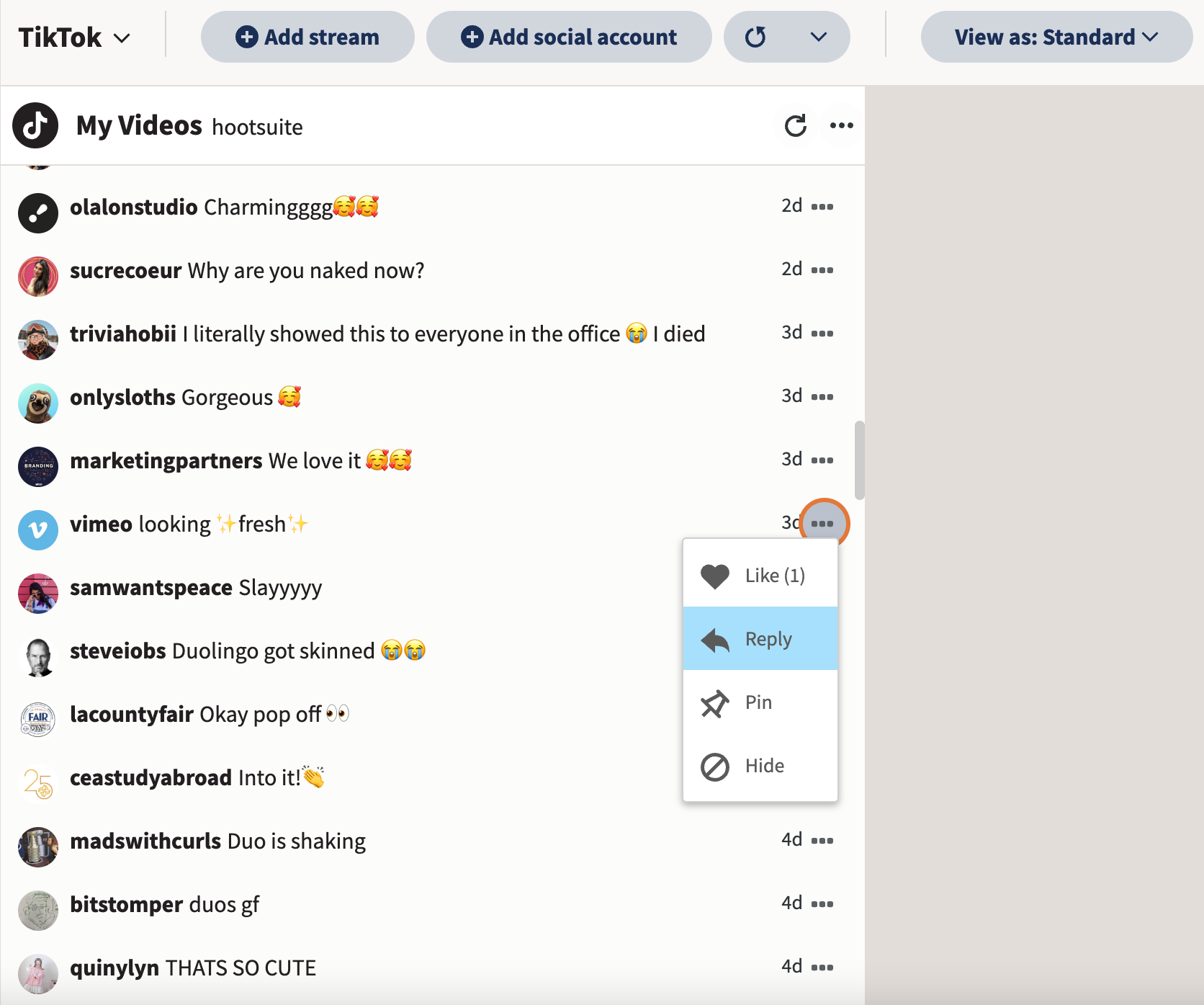
For those ready to scale, consider utilizing management tools such as Hootsuite to streamline your scheduling, moderate community comments, and synthesize your performance data into actionable reports.
 Suro Senen
  Jia Lissa