
 By Siti Muinah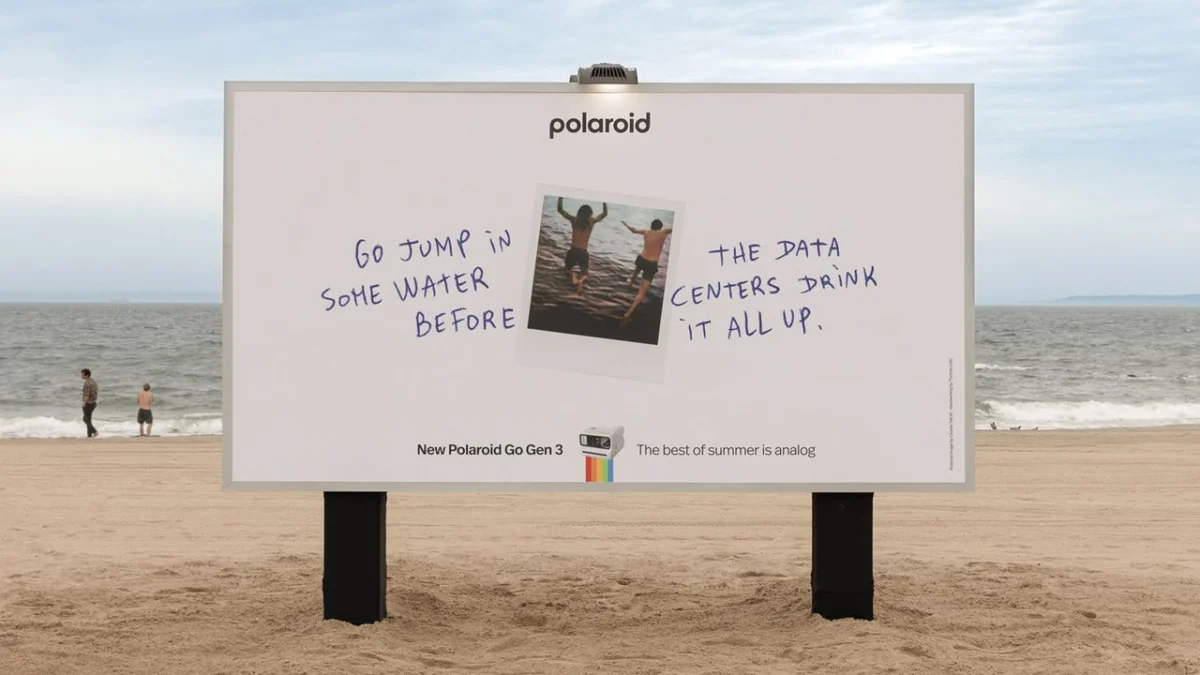
London, UK – [Date of Publication] – In an audacious move that challenges the pervasive digital landscape, iconic instant camera brand Polaroid has unveiled its latest global campaign, "The best of Summer is Analog." This provocative initiative, coinciding with the launch of the new Polaroid Go Generation 3 camera, serves as a powerful call to arms, urging individuals to disconnect from their screens and re-engage with the tangible joys of the real world. Eschewing the conventional glitz of modern advertising, Polaroid champions a stripped-back, "anti-design" aesthetic, leveraging poignant and often satirical messaging to advocate for human warmth and authentic experiences in an increasingly digitised existence.
Main Facts
Polaroid, a brand synonymous with instant gratification and tangible memories, has cemented its commitment to the analog movement with its new campaign, "The best of Summer is Analog." This strategic push is designed to highlight the unique appeal of the Polaroid Go Generation 3, a compact instant camera that embodies the brand’s ethos of spontaneous, real-world photography. The campaign’s core message is a direct counter-narrative to the prevailing digital culture, encouraging a deliberate disengagement from screens and a reconnection with physical environments and human interactions.
At the heart of the campaign lies a distinctive "anti-design" approach. Instead of slick, heavily produced digital advertisements, Polaroid opts for raw, authentic visuals, often resembling candid instant photos adorned with handwritten-style fonts. This aesthetic choice is deliberate, aiming to convey a sense of genuine human touch and rebellion against the polished, often artificial, imagery dominating online spaces. The campaign’s messaging is equally impactful, blending provocative statements with playful sarcasm to critique the pitfalls of over-digitisation. From a striking billboard on Coney Island beach to widespread placements across global metropolises like London and New York, Polaroid’s message resonates with a growing public sentiment of digital fatigue. The brand’s Creative Director, Patricia Varella, articulates this philosophy, stating that for Polaroid, "the simple act of existing is already an act of rebellion," positioning the campaign not as anti-digital, but profoundly "pro-human."
Chronology
Polaroid’s Resurgence and the Analog Revival
The journey leading to "The best of Summer is Analog" is rooted in Polaroid’s remarkable resurgence. After facing significant challenges and even bankruptcy in the early 21st century due to the rise of digital photography, the brand was acquired and rebranded as Polaroid Originals in 2017, later reverting to simply Polaroid. This revival marked a deliberate mission to reclaim its heritage and reignite the joy of instant, tangible photography. Early branding efforts focused on nostalgia, simplicity, and the unique, imperfect charm of instant prints. Campaigns consistently emphasised the value of physical objects in an ephemeral digital world, urging consumers to "touch grass" and embrace a more grounded existence. This consistent messaging built a foundation for the current campaign, establishing Polaroid as a thought leader in the analog space and a voice for digital balance. The brand carefully cultivated an image that celebrated imperfections, delayed gratification, and the beauty of the moment captured without filters or endless retakes. This trajectory saw a steady increase in interest in instant photography, particularly among younger generations seeking authenticity and a break from the curated online persona.
The Launch of the Go Generation 3
The "The best of Summer is Analog" campaign is intricately tied to the market introduction of the Polaroid Go Generation 3. The Go series, first launched to critical acclaim, represented a significant step for Polaroid: creating its smallest, most portable instant camera to date. Designed for on-the-go spontaneity, the Go camera perfectly encapsulates the campaign’s spirit of living in the moment and capturing experiences without the burden of excessive gear or digital distractions. The Generation 3 iteration likely features enhancements in user experience, film quality, or design, making it an even more attractive tool for those seeking to embrace an analog lifestyle. By launching this campaign concurrently with the new camera, Polaroid strategically positions the Go Generation 3 not just as a product, but as an enabler of a desired lifestyle – one free from the constant pressure of digital performance and consumption. It encourages users to pack light, explore, and document their summer adventures in a way that is both immediate and enduringly physical.
Campaign Rollout and Key Locations
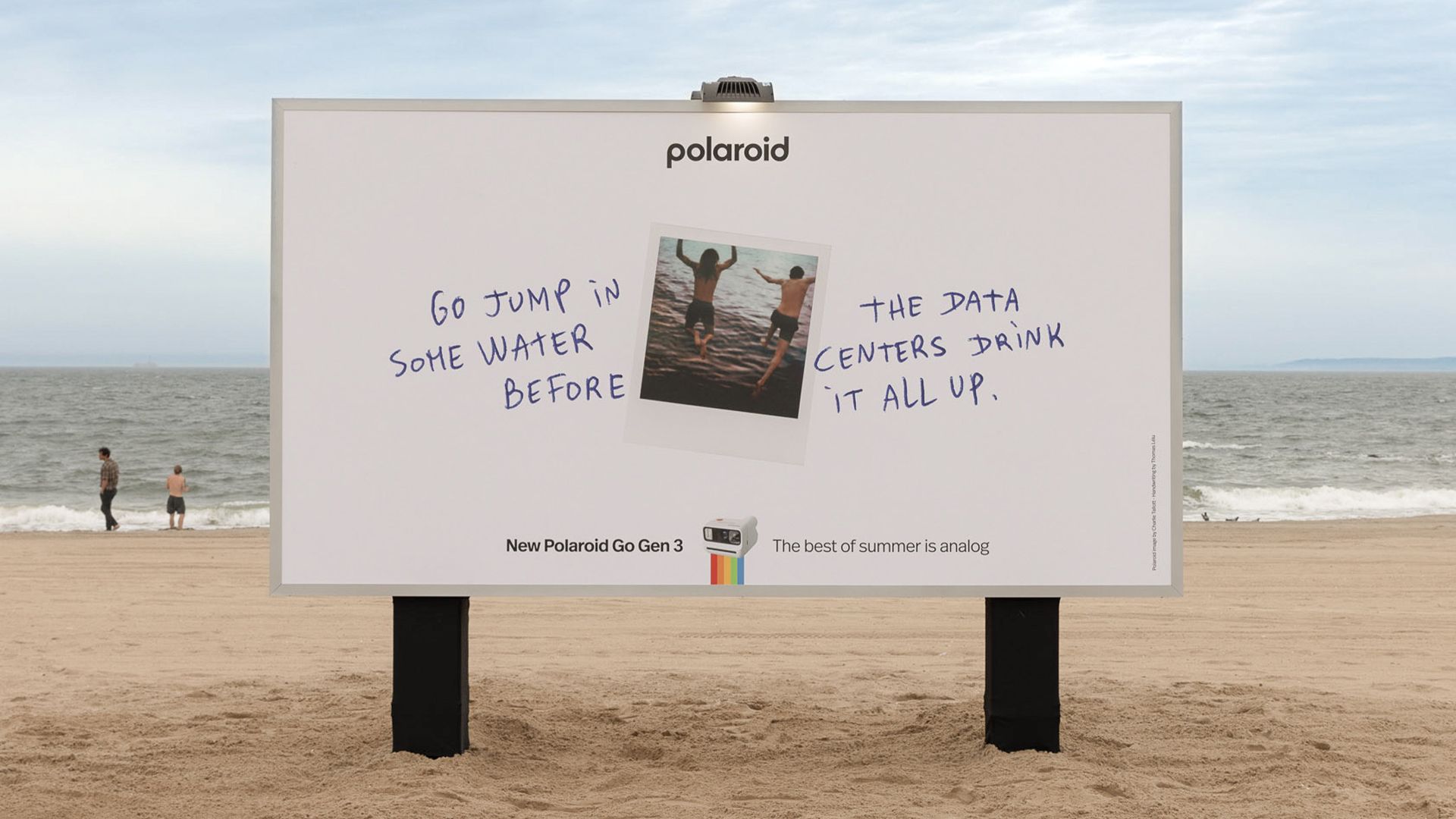
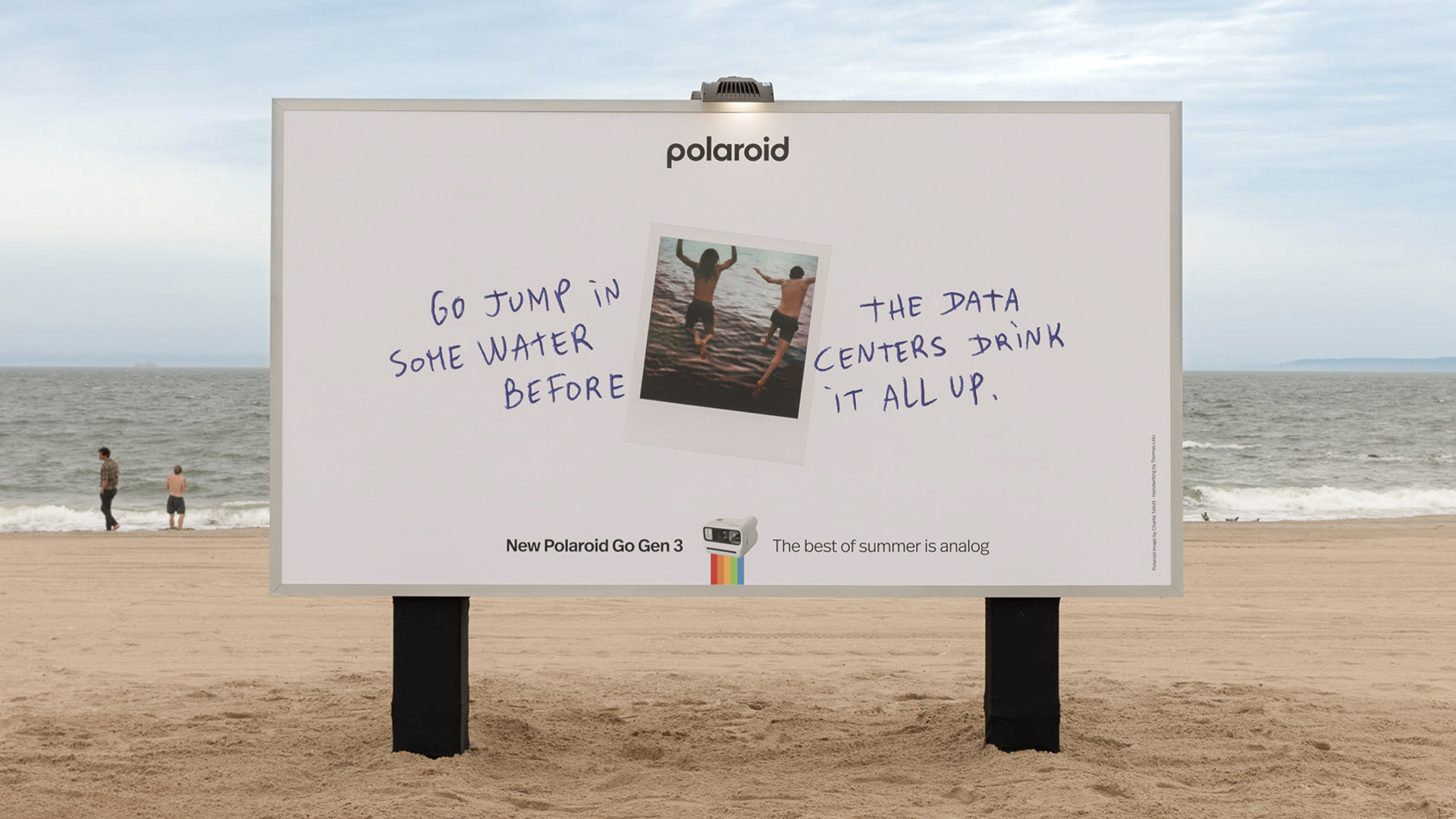
The campaign’s physical manifestation began with a striking statement on Coney Island beach in New York. A large billboard, strategically placed against the backdrop of a quintessential summer destination, displayed the memorable and subtly foreboding message: "Go jump in some water before the data centers drink it all up." This initial placement immediately set the tone – playful, thought-provoking, and deeply connected to the themes of nature, human experience, and environmental awareness.
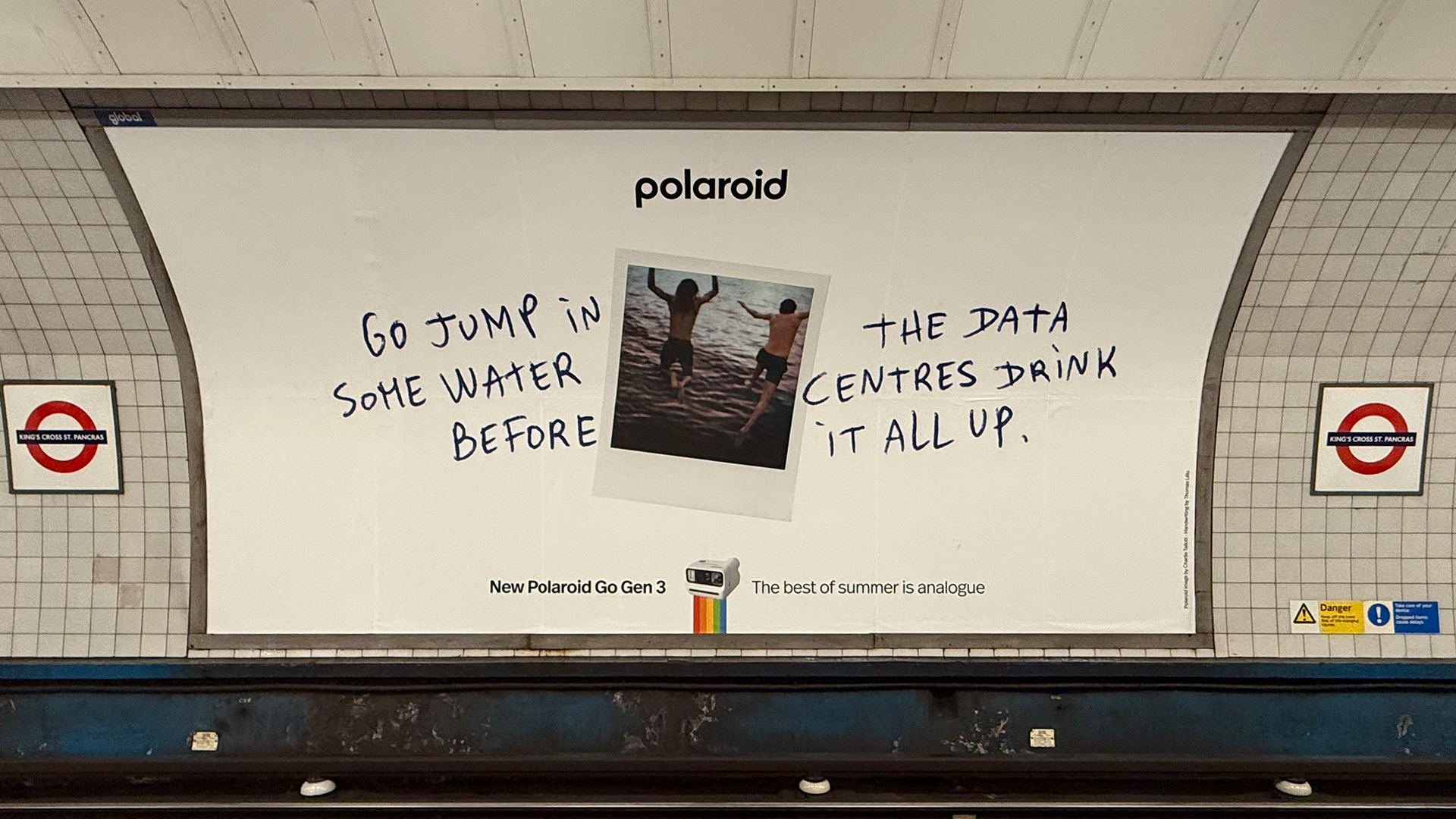
Following this impactful debut, the campaign expanded its global footprint, targeting key urban centers known for their vibrant youth culture and high digital engagement. In New York, additional placements reinforced the message of analog living amidst the city’s ceaseless digital pulse. Across the Atlantic, London became a major focus, with a significant "station overtake" at King’s Cross – a bustling transport hub – ensuring maximum visibility for commuters. Further placements in trendy, creatively-driven areas like Bethnal Green and Hackney amplified the campaign’s reach among a demographic often at the forefront of cultural shifts. Simultaneously, the campaign extended to South Korea, a global leader in digital innovation and connectivity, making Polaroid’s analog message particularly resonant and perhaps even more radical in that context. This multi-city, multi-continent rollout demonstrates Polaroid’s ambition to make its message heard loud and clear, transcending geographical and cultural boundaries.
Supporting Data
The "Anti-Design" Philosophy in Detail
Polaroid’s embrace of "anti-design" is not merely a stylistic choice; it is a calculated strategic move designed to cut through the digital noise. In an advertising landscape saturated with high-fidelity graphics, elaborate animations, and digitally enhanced visuals, Polaroid’s stripped-back approach stands in stark contrast. The use of handwritten-style fonts evokes a sense of personal touch, intimacy, and authenticity, reminiscent of notes scribbled on a physical photograph. The candid, often imperfect, Polaroid snaps featured in the campaign reinforce this commitment to reality over digital perfection. This aesthetic actively rejects the glossy, often impersonal, look of contemporary digital ads, which can sometimes feel overwhelming or disingenuous. By presenting visuals that feel raw and unpolished, Polaroid taps into a longing for genuineness. This "human warmth" inherent in the design counteracts the campaign’s subtly foreboding or provocative messages, making them feel less like corporate dictates and more like friendly, albeit pointed, advice from a trusted voice. The effectiveness lies in its ability to disarm and engage, inviting contemplation rather than passive consumption.
Deconstructing the Provocative Messaging
The campaign’s strength truly lies in its poignant and often sarcastic copy, each slogan a carefully crafted statement on contemporary life:
-
"Go jump in some water before the data centers drink it all up." This message, prominently displayed on Coney Island, carries significant weight. It subtly highlights the immense environmental impact of digital infrastructure – particularly the vast amounts of water consumed by data centers for cooling. Beyond the environmental critique, it serves as a direct, almost primal, call to action: engage with nature, experience the physical world, before the unseen mechanisms of the digital world consume our shared resources and attention. It’s a powerful metaphor for prioritizing real-world experiences over virtual ones.
-
"You can’t bask in blue light." This statement directly addresses the physical and psychological toll of excessive screen time. "Blue light" has become shorthand for the detrimental effects of digital devices on sleep patterns, eye health, and overall well-being. By juxtaposing this with the act of "basking" – a word associated with warmth, sunlight, and relaxation – Polaroid underscores the artificiality and inherent limitations of digital immersion compared to the sensory richness of outdoor experiences. It’s a reminder that genuine relaxation and rejuvenation come from disconnecting.
-
"Dance like nobody is recording." This slogan taps into a deep-seated anxiety of the digital age: the constant pressure to perform for an unseen audience, to curate every moment for social media. The fear of being recorded, judged, or going "viral" often stifles spontaneity and authentic expression. Polaroid’s message champions the uninhibited joy of simply being, free from the self-consciousness induced by pervasive recording devices and sharing platforms. It’s an invitation to reclaim personal freedom and genuine self-expression.
-
"What a glorious day to stare into various screens for hours on end." This is perhaps the most overtly satirical and self-aware message. Its sarcasm is designed to make audiences pause and reflect on their own habits. By framing endless screen time as "glorious," Polaroid highlights the absurdity of our collective addiction to digital devices, prompting a smile of recognition and, hopefully, a moment of introspection about how we choose to spend our precious time. This playful jab encourages a re-evaluation of priorities.
The Broader Societal Context: Digital Fatigue and the Search for Authenticity
Polaroid’s campaign resonates deeply with a burgeoning cultural phenomenon: digital fatigue. As global screen times soar and digital interfaces mediate an increasing number of our interactions, a counter-movement towards digital detox, mindfulness, and the pursuit of tangible experiences is gaining momentum. The "touch grass" meme, for instance, playfully but pointedly encourages people to step away from online arguments and re-engage with the physical world. Research from various institutions and mental health organizations consistently points to the negative impacts of excessive screen time, including increased anxiety, depression, and feelings of inadequacy stemming from social media comparison.
This societal backdrop provides fertile ground for Polaroid’s message. Consumers, particularly younger generations who have grown up entirely immersed in digital technology, are increasingly seeking authenticity and real-world connection. They value unique experiences, handcrafted items, and direct human interaction over perfectly curated online personas. The appeal of analog products – vinyl records, film cameras, physical books – is not merely nostalgia; it represents a conscious choice to slow down, engage more deeply, and appreciate the tactile, the imperfect, and the enduring. Polaroid isn’t just selling a camera; it’s selling a remedy for digital overload and a gateway to a more balanced, present-moment existence.
Official Responses
Insights from Polaroid’s Creative Director
Patricia Varella, Creative Director at Polaroid, offers profound insights into the strategic thinking behind "The best of Summer is Analog." Her statements underscore the brand’s self-awareness and its deliberate positioning as a cultural commentator rather than just a product manufacturer.
Varella’s assertion that "When we stopped asking ‘How do you make instant cameras appealing to Gen Z?’ and started asking ‘Why should Polaroid exist at all in an AI era?’ we knew we were on to something," reveals a fundamental shift in perspective. This indicates a move beyond mere demographic targeting to a deeper philosophical inquiry about the brand’s enduring relevance in a rapidly evolving technological landscape. By questioning its own existence, Polaroid found its unique purpose: to champion human experience against the backdrop of artificial intelligence and pervasive digital immersion.
She elaborates, "For Polaroid, the simple act of existing is already an act of rebellion." This powerful statement positions Polaroid as an inherently subversive entity in a world increasingly dominated by digital paradigms. Every instant photo taken, every tangible memory created, becomes a small act of defiance against the intangible, ephemeral nature of digital data. It’s a rejection of algorithmic curation in favour of personal, unmediated experience.
Crucially, Varella clarifies the brand’s stance: "While our campaigns are provocative and challenge our relationship with technology, we’re not anti-digital. We know we have to live alongside it, but we’re deeply pro-human, and know what humanity gives us. And we know what we stand to lose if we don’t protect it. That’s a fight worth fighting." This distinction is vital. Polaroid is not advocating for a complete rejection of technology, which would be unrealistic in today’s world. Instead, it advocates for balance and conscious consumption. The brand acknowledges the necessity of digital tools but champions the irreplaceable value of human connection, sensory experience, and the real-world interactions that define our humanity. The "fight worth fighting" is not against digital itself, but for the preservation of these essential human elements that risk being overshadowed or diminished by unchecked technological advancement. It’s a call for a mindful integration of technology into our lives, ensuring it serves humanity rather than supersedes it.
Market Reception and Industry Commentary
The "The best of Summer is Analog" campaign has garnered significant attention and largely positive reception within the advertising industry, design communities, and among consumers. Critics have lauded its bold departure from conventional advertising tropes, praising its "anti-design" aesthetic for its refreshing authenticity and ability to cut through the relentless digital noise. Its thought-provoking slogans have been widely shared and discussed across social media platforms, ironically using digital channels to spread an analog-first message. This meta-awareness has further enhanced the campaign’s appeal, demonstrating a clever understanding of modern communication dynamics.
Industry commentators have highlighted how Polaroid has successfully carved out a unique brand identity in a crowded market. In a world where every smartphone boasts advanced camera features, Polaroid differentiates itself not by technological superiority, but by offering an alternative philosophy of photography – one centered on intentionality, presence, and the tangible outcome. This campaign solidifies Polaroid’s position as a lifestyle brand, appealing to a demographic that values experience and authenticity over mere convenience. Consumers, particularly those experiencing digital fatigue, have expressed strong resonance with the campaign’s messages, viewing Polaroid as a brand that genuinely understands and addresses their contemporary anxieties about technology. The campaign’s ability to spark genuine reflection and conversation makes it a memorable and impactful example of modern advertising that transcends mere product promotion.
Implications
Impact on Brand Identity and Market Position
This campaign significantly strengthens Polaroid’s brand identity, cementing its position not just as a camera manufacturer, but as a lifestyle advocate. By explicitly championing analog living and critiquing unchecked digital immersion, Polaroid has carved out a distinctive niche in the crowded imaging market. It differentiates itself sharply from smartphone brands and digital camera manufacturers, which primarily compete on megapixels, processing power, and connectivity. Instead, Polaroid offers a counter-narrative, appealing to consumers who prioritise tangible memories, authentic experiences, and a deliberate slowdown.
The campaign positions Polaroid as a thoughtful, culturally aware brand that understands the zeitgeist of digital fatigue. This intellectual and emotional connection with its audience fosters strong brand loyalty, moving beyond simple product features to a shared set of values. For the Polaroid Go Generation 3, this means it’s not just another compact camera; it becomes a symbol of conscious choice, a tool for intentional living, and an accessory for those seeking to reclaim their presence in the real world. This enhanced brand identity is likely to attract a growing segment of consumers who are actively seeking alternatives to an always-on, always-connected lifestyle.
Future of Analog in a Digital World
"The best of Summer is Analog" is more than just a marketing campaign; it’s a significant statement on the enduring relevance and potential future growth of analog experiences in a predominantly digital world. The campaign suggests that the appeal of analog is not merely nostalgic but represents a deeper societal yearning for tangibility, simplicity, and authenticity. As digital saturation intensifies, the value of physical objects and unmediated experiences is likely to appreciate further.
The environmental undertones of messages like "Go jump in some water before the data centers drink it all up" also hint at a growing convergence between the analog movement and environmental consciousness. This positions analog choices as potentially more sustainable and mindful alternatives to the resource-intensive digital ecosystem. Polaroid’s campaign contributes to a broader cultural conversation about mindful consumption and the environmental footprint of our digital lives, potentially inspiring other brands and consumers to consider the implications of their digital reliance. The future of analog, as championed by Polaroid, appears to be not in opposition to digital, but as a vital counterbalance, offering essential spaces for reflection, connection, and sensory engagement.
The Power of Provocative Advertising
Polaroid’s campaign serves as a powerful case study in the effectiveness of provocative and culturally resonant advertising. In an age where consumers are bombarded with information and often tune out traditional ads, a campaign that dares to challenge societal norms and spark genuine conversation stands out. The "anti-design" approach, coupled with bold, often satirical, messaging, demonstrates that authenticity and intellectual engagement can be far more impactful than high production values.
By inviting reflection and subtly critiquing contemporary digital habits, Polaroid creates a memorable and shareable campaign. It doesn’t just sell a product; it sells an idea, a philosophy. This approach fosters a deeper connection with the audience, transforming passive viewers into active participants in a cultural dialogue. The campaign proves that in a world awash with digital noise, a clear, authentic, and slightly rebellious voice can capture attention and inspire action.
A Call to Rebalance
Ultimately, "The best of Summer is Analog" is a resounding call for rebalance. Polaroid isn’t suggesting a return to a pre-digital era, but rather a conscious re-evaluation of our relationship with technology. It’s an invitation to embrace the benefits of the digital world while fiercely protecting and nurturing the essential human experiences that technology often overshadows. The campaign encourages individuals to step away from screens, to engage with their surroundings, to form genuine connections, and to create tangible memories that can be held, shared, and cherished.
In a hyper-connected world, Polaroid reminds us of the profound joy found in the simple, the immediate, and the real. It positions its instant cameras not just as devices, but as instruments for living a more present, authentic, and human life. By championing "analog summer," Polaroid inspires a collective shift towards a more mindful existence, where the best moments are not just captured, but truly lived, unrecorded and unfiltered, in the vibrant tapestry of the real world.
 Evan Lee Salim
  Nana
Nana  Ammar Sabilarrohman