
 By Basiran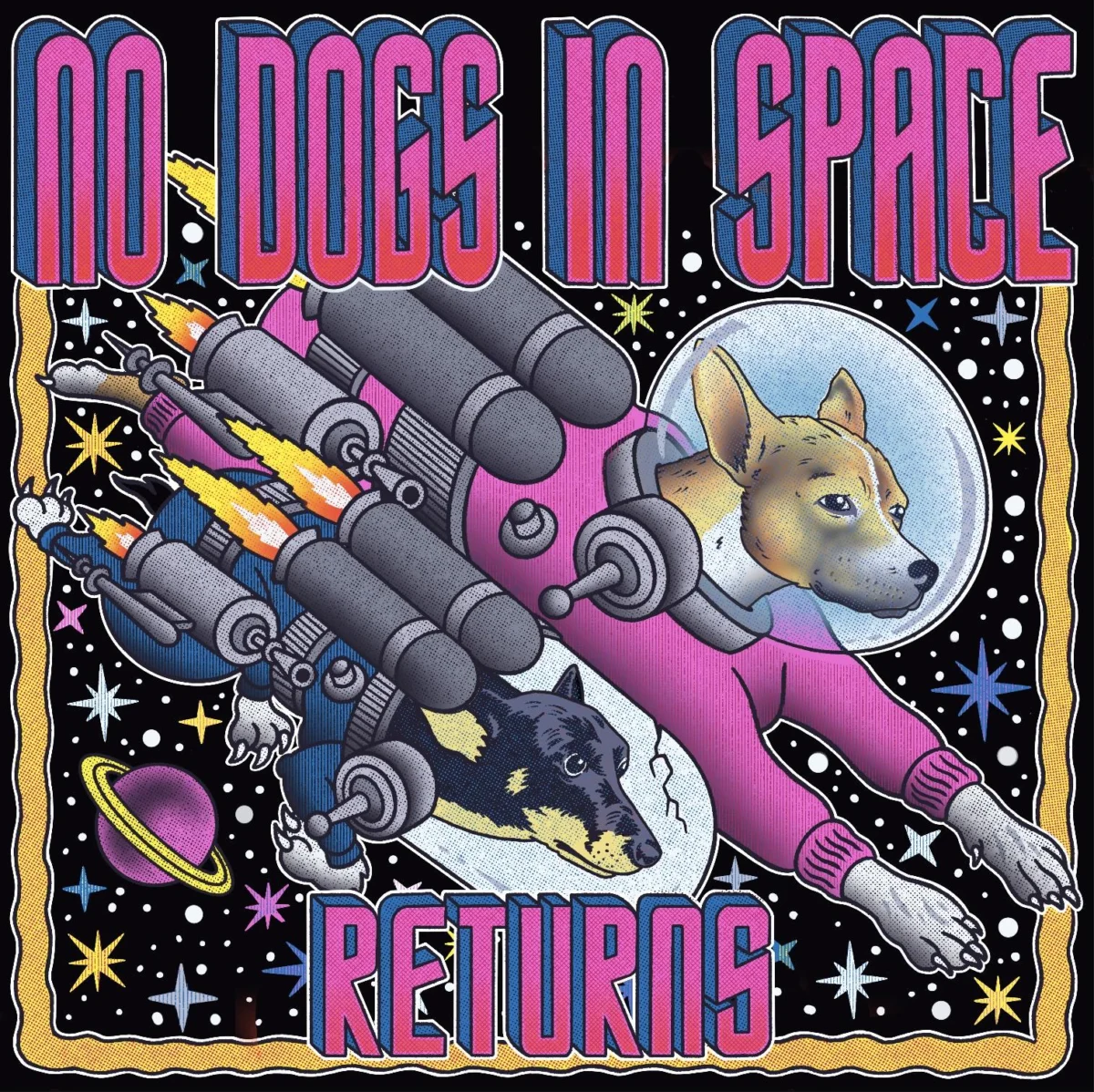
After an absence of more than two years that left music enthusiasts and ardent fans wondering about the future of the critically acclaimed audio documentary series, No Dogs in Space has officially returned. Hosts Carolina Hidalgo and Marcus Parks are back behind the microphones, launching their fourth season, aptly titled Punk 2.0.
For a show celebrated for its exhaustive, novelistic deep dives into the cultural and historical epochs of countercultural music, the hiatus was a profound quietness for its listeners. But behind the scenes, that silence was filled with false starts, exhaustive research tangents, personal realizations, and a deliberate recalibration of what makes the podcast click.
Main Facts: Back to Basics With Punk 2.0
The flagship episode of Punk 2.0 debuted this week, kicking off a multi-part exploration of the New York Dolls. For Parks and Hidalgo, diving back into the gritty, glitter-smeared origins of the Dolls—whose frontman, David Johansen, hails from Staten Island—was a deliberate choice to return to their roots.
According to the hosts, the new season is built on the philosophy of getting back to basics. While they toyed with the idea of expanding their historical aperture even wider—Parks admits they briefly considered tackling the monumental task of doing a series on Ludwig van Beethoven—they ultimately recognized where their true zone of genius lies.
"We wanted to go all over," Parks reflected during interviews surrounding the launch. However, they soon acknowledged that their greatest asset is telling a punk story. "Not the punk story, but a punk story," Parks clarified.
Furthermore, the hosts realized that punk rock is where the inherently most fascinating, human-scale stories reside. After grueling months of translating complex German texts into English for their previous experimental rock series, Hidalgo and Parks came to a humorous yet accurate conclusion: at its core, the history of many great underground bands usually boils down to little more than "art school kids fucking around."
Chronology: The Two-Year Road to Season Four and the DC Detour
The journey to Punk 2.0 was far from straightforward, shedding light on the grueling nature of independent music journalism and archival deep-dives. The two-year gap between seasons wasn’t caused by a lack of ambition; rather, it was the result of a massive, eight-month developmental dead-end.
Initially, Hidalgo and Parks set their sights on dissecting the legendary Washington, D.C., punk scene. Their original blueprint was to launch the season by focusing heavily on Bad Brains. However, as they began peeling back the historical layers, they hit a formidable ideological wall.
"We worked on it for over six months," Hidalgo revealed to The Verge. Upon deeper investigation, they confronted the band’s deeply problematic, fire-and-brimstone homophobia. While No Dogs in Space has never shied away from the complicated, often abrasive personal lives of its subjects, the magnitude of this particular hurdle made it an exceptionally tough narrative anchor.
Refusing to give up on the region immediately, the duo pivoted to covering the broader D.C. underground ecosystem as a single, sweeping entity—a move Hidalgo now warns against with a laugh: "Never do that."
Parks described how the scope of the project continually ballooned. What was supposed to be a tight punk narrative began pulling in vital, foundational threads from outside the strict genre boundaries, such as Chuck Brown and the rich history of go-go music. At one point, they even pondered whether Georgetown University’s legendary WGTB radio station deserved its own standalone miniseries.
Ultimately, the sheer weight of the narrative collapsed under its own mass. "When you try to put all of them together, you can’t. You just can’t put all of these stories together," Parks said. After dedicating eight months to the regional history, the hosts had to admit defeat and shelve the D.C. project.

However, the intensive research was not a total loss. Out of those eight months of archival excavation emerged a dedicated, two-part series on rock guitar pioneer Link Wray, which is slated to premiere later this year.
Supporting Data: Tangents, Obsessions, and Audio Innovation
One of the signature charms of No Dogs in Space has always been its willingness to abandon the linear path in favor of bizarre, hyper-specific historical rabbit holes. Punk 2.0 continues this tradition, yielding incredible anecdotes about the peripheral figures of the New York underground.
During the research for the New York Dolls series, Hidalgo developed a profound fixation on Mott the Hoople. Best remembered by mainstream audiences for the David Bowie-penned anthem "All the Young Dudes," the band’s actual history is a testament to serendipity. Hidalgo highlighted lead singer Ian Hunter, noting that he "was just a guy digging ditches. And then he got a call from a friend who said, ‘Hey, there’s a band, and like, they’re not very good, and they need a new lead singer,’ and so he just showed up." Hunter’s legacy extends far beyond his work with Mott the Hoople; he also penned "Cleveland Rocks," a track later popularized by The Presidents of the United States of America as the iconic theme song for The Drew Carey Show.
Meanwhile, Parks found himself utterly consumed by the life of downtown fixture and drag queen Jackie Curtis. "It could be argued that the punk style that is often credited to Richard Hell probably actually originated with Jackie Curtis," Parks noted, underscoring the interconnectedness of New York’s bohemian avant-garde. Parks also shared a quintessential, chaotic anecdote about Curtis inching across a windowsill "like Batman" to break into a recently deceased neighbor’s apartment simply to salvage her wardrobe before the coroner arrived.
These sprawling, idiosyncratic detours are the lifeblood of the podcast. For Hidalgo and Parks, this relentless pursuit of minutiae is not just a stylistic choice—it is a cognitive reflex.
Official Responses and Personal Reflections: The Power of Neurodivergence
Addressing the intense focus required to produce the show, the hosts offered a candid look into their creative process and personal lives.
"We live our lives in like a state of obsession," Parks explained. In a deeply personal revelation, both hosts shared that they were recently diagnosed with autism. Rather than viewing this as a hurdle, they recognize it as the secret engine driving the podcast’s exhaustive depth. "Obsession really is, it is kind of our superpower. And we were both recently diagnosed with autism and discovered that that’s just who we are. That’s the superpower that we get."
This hyper-focused dedication has translated not only into meticulous audio documentaries, but also into a major logistical expansion for the show’s return. For the first time in the history of No Dogs in Space, the entire season will be made available not just as an audio feed, but as full, dedicated video episodes hosted on YouTube, catering to fans who prefer a visual component alongside the deep-dive storytelling.
Implications: Where the Genre Goes From Here
The return of No Dogs in Space signals a vital win for long-form, independent music journalism in a media landscape increasingly dominated by short-form, algorithmic content. By taking the time necessary to get the story right—even if it means scrapping eight months of work—Hidalgo and Parks have reaffirmed the value of patience in historical curation.
For listeners looking to dive into the catalog, the new New York Dolls series serves as an ideal entry point into the protopunk and glam movements that laid the architectural groundwork for modern alternative culture. Paired with past masterclasses covering acts like The Replacements, Dead Kennedys, and Joy Division, the podcast remains a masterclass in cultural anthropology disguised as music history.
Punk 2.0 is available to stream right now across all major platforms, including Apple Podcasts, Spotify, and via full-length video episodes on YouTube. As Hidalgo and Parks continue to map out the eccentric, beautiful detours of rock history, one thing is certain: the underground has never sounded so alive.
 Nana Wu
  Nana Muazin
  Ali Ikhwan