
 By Nila Kartika Wati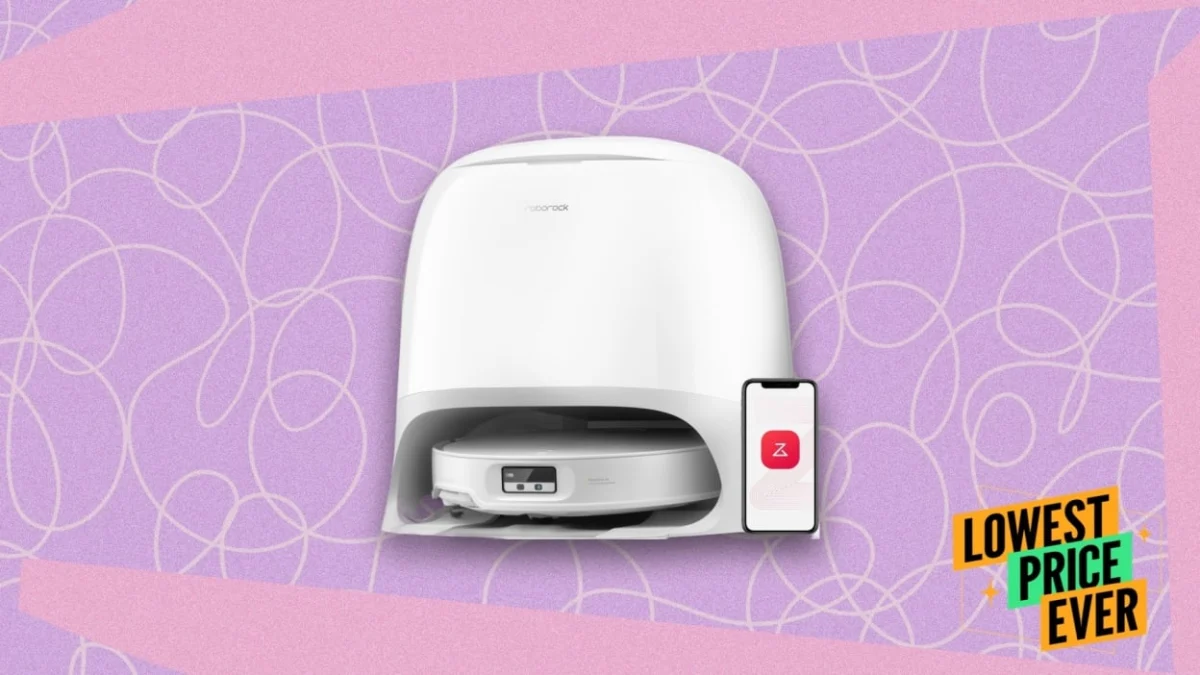
September 14, 2026 — For households managing a chaotic mix of shedding pets, multi-textured flooring, and low-clearance furniture, standard entry-level robot vacuums often fall short of expectations. High-end cleaning assistants are designed to bridge these gaps, but their steep pricing frequently puts them out of reach.
However, a major price drop on Amazon has temporarily disrupted the smart-home market. The Roborock Qrevo CurvX, a top-tier robotic vacuum and mop cleaner typically priced at $1,499.99, is currently available for $799.99. This massive $700 discount (approximately 47% off) marks the lowest recorded price for the model since its debut, positioning a flagship-tier device at a price point normally reserved for midrange appliances.
Main Facts
The Roborock Qrevo CurvX represents a significant leap forward in automated home maintenance, engineered specifically to tackle complex floor plans and heavy debris loads.
- Unprecedented Discount: The Qrevo CurvX is currently on sale on Amazon for $799.99, slashed down from its standard $1,499.99 MSRP. Price-tracking data confirms this is an all-time low for the device.
- Heavy-Duty Suction Power: The unit features an impressive 22,000 pascals of suction, capable of pulling deep-seated pet hair, fine dust, and heavy crumbs out of thick carpeting.
- Anti-Tangle Technology: Equipped with a DuoDivide main brush system, the vacuum actively guides hair toward the center to prevent frustrating brush roll jams—a common issue in pet-heavy households.
- Intelligent Navigation & Clearance: Featuring a retractable, top-mounted LiDAR sensor, the vacuum can dynamically lower its total height to just 3.14 inches, allowing it to easily slip beneath low sofas, beds, and complex furniture layouts.
- Advanced Docking Station: The companion base station automates nearly all routine maintenance by emptying the dustbin, refilling the water tank, washing the mop pads with 176°F hot water, and drying them with 113°F warm air.
Chronology: The Evolution of Smart Cleaning Solutions
The journey toward fully autonomous home maintenance has accelerated dramatically over the past decade. Understanding where the Roborock Qrevo CurvX fits requires looking back at how robotic vacuums have evolved:
- Early Generations (Mid-2010s): Initial automated vacuums relied on random bounce navigation. They frequently got stuck under furniture, struggled with thick carpets, and lacked any form of reliable mopping capabilities, often leaving streaks or damp patches on hardwood floors.
- The Rise of Smart Mapping (Late 2010s to 2020s): The integration of LiDAR and optical cameras allowed vacuums to systematically map homes. However, users still faced significant manual upkeep, including constantly untangling hair from brushes, hand-washing dirty mop pads, and emptying small onboard bins.
- The Self-Cleaning Era (2024–2025): Manufacturers shifted focus to multifunctional docking stations capable of automatic emptying and water management. While these features solved many maintenance headaches, they were strictly locked behind luxury price tags exceeding $1,300 to $1,500.
- September 2026 Price Breakthrough: The current steep discount on the Qrevo CurvX signals a pivotal moment where high-end, self-maintaining features are beginning to cross the price threshold into more accessible territory, offering flagship-level performance at a mid-tier price point.
Supporting Data & Technical Specifications
To understand whether an $800 investment is justified, tech analysts and consumer advocates look closely at the hardware capabilities and automated features packed into the Qrevo CurvX:
Suction and Debris Management
With 22,000 Pa of suction, the CurvX sits at the absolute cutting edge of raw vacuuming power in the consumer market. When combined with the DuoDivide main brush, which splits hair flow toward a central collection point, the machine drastically reduces maintenance time spent cutting tangled hair and threads off the roller.
Maneuverability and Versatility
- Lifting Chassis: The robot can elevate its body to cross thick carpets, exercise mats, and raised door sills without stalling.
- Extendable Components: Both the side brush and the mop pads can extend outward to reach deep into corners and flush against baseboards, ensuring zero-gap cleaning along room perimeters.
- Carpet Protection: The mop pads automatically elevate by 17 millimeters when transitioning from hard flooring to carpet, preventing wet mops from dragging across rugs.
Maintenance-Free Docking
The multi-functional dock handles the dirtiest aspects of ownership. After every cleaning cycle, the dock:
- Vacuums dry debris from the robot’s onboard bin into a larger sealed bag.
- Sanitizes the dual rotating mop pads using 176°F (80°C) hot water to dissolve stubborn oils and bacteria.
- Rapidly dries the damp pads using 113°F (45°C) warm air, preventing mold growth and unpleasant odors.
- Employs an integrated dirt-detection sensor to automatically prompt a second cleaning pass if high-traffic zones require extra attention.
Software and Customization
Through the Roborock companion app, users retain granular control over their cleaning routines. Features include customized room scheduling, virtual no-go zones, multi-floor mapping, and SmartPlan 2.0, an AI-driven system that automatically adapts cleaning patterns based on specific room layouts and flooring materials.

Official Responses and Industry Reception
While manufacturers like Roborock frequently run promotional discounts around seasonal shopping windows, industry insiders note that a flat $700 price reduction on a current-generation flagship model is exceptionally aggressive.
Retail analysts suggest that brands are increasingly using deep promotional cuts to capture market share in the competitive smart-home ecosystem. As consumers grow more selective with their discretionary spending, lowering the barrier to entry for high-tier models serves as an effective strategy to convert hesitant buyers who might otherwise settle for basic, sub-$300 alternatives.
Early consumer reviews and tech publication evaluations have largely praised the Qrevo CurvX for solving real-world cleaning friction points—specifically highlighting the effectiveness of the low-clearance LiDAR retraction and the efficiency of the high-temperature self-washing dock.
Implications for Consumers and the Smart-Home Market
The arrival of a $799 price tag on a $1,500 flagship appliance carries several broad implications for both everyday shoppers and the wider consumer electronics industry:
1. Blurring the Line Between Midrange and Flagship
For years, buyers faced a stark compromise: purchase an affordable robot vacuum and accept frequent maintenance, missed spots, and poor carpet performance, or invest upwards of $1,400 for a hassle-free, fully automated experience. This price drop proves that premium features—such as heated pad washing, automatic bin emptying, and intelligent obstacle clearance—are trickling down into more attainable price brackets.
2. Shifting Consumer Value Expectations
As high-end appliances see steeper and more frequent promotional discounts, consumers are increasingly trained to wait for major sales events before upgrading their smart homes. This dynamic puts pressure on competitor brands (such as iRobot, Eufy, and Dreame) to match aggressive pricing structures to remain competitive in the automated cleaning space.
3. Long-Term Value Assessment
Even at a heavily discounted rate of $800, a robot vacuum remains a significant financial investment. However, for households with high-shedding pets, sprawling floor plans, and complex furniture layouts, the reduction in manual labor—eliminating daily dustbin emptying, pad washing, and untangling—offers substantial time-saving value that standard budget vacuums simply cannot replicate.
Disclaimer: Deal pricing and product availability are subject to change following the time of publication. Lifehacker and associated publishers may earn an affiliate commission from links featured in promotional articles.
 Layla Zulfa
  Asro
Asro  Reynand Wu