
 By Nila Kartika Wati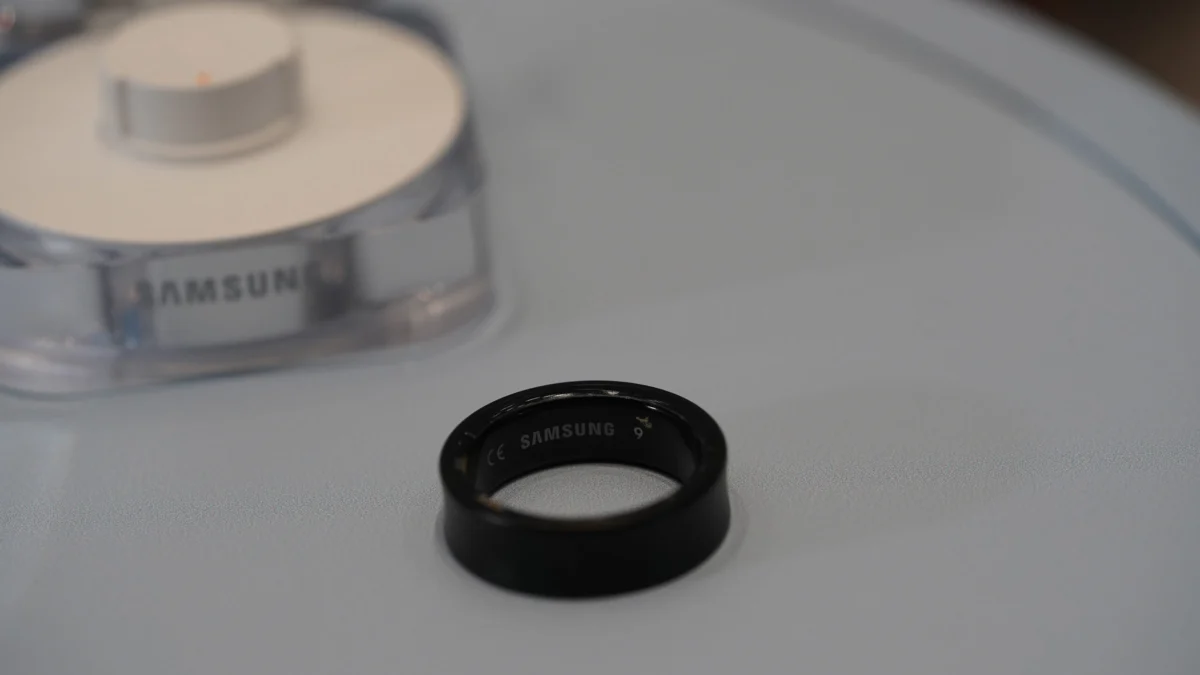
London, UK – The much-anticipated Samsung Galaxy Ring, a prominent entry into the burgeoning smart ring market, has recently become available to UK consumers at an unprecedented discount, sparking widespread discussion among tech enthusiasts and industry analysts. Originally priced at a premium £399 upon its launch, select models of the wearable are now retailing for just £104.99 on Amazon UK. This substantial price reduction, however, comes with a significant caveat: the deal is exclusively applicable to smaller ring sizes, specifically size 5 across all colour variants and size 6 for the Titanium Black model.
This dramatic shift in pricing, observed nearly two years after the initial buzz around the device began, raises pertinent questions about Samsung’s inventory management, market strategy, and the overall trajectory of the smart ring segment. While a boon for individuals with smaller fingers, the limited availability at this price point hints at potential overstocking of less common sizes or a strategic move to clear inventory ahead of future product cycles. Adding to the intrigue, the Galaxy Ring is currently listed as unavailable on Samsung’s official UK online store, further fueling speculation about its market positioning and distribution strategy.
The Unveiling and Initial Hype: A Chronology of Anticipation
The journey of the Samsung Galaxy Ring has been marked by significant anticipation since its first subtle reveal. Samsung, a global titan in consumer electronics, began teasing its foray into the smart ring category in early 2023, generating considerable excitement. This was largely due to the device’s potential to integrate seamlessly into Samsung’s expansive Galaxy ecosystem, offering a more discreet and less intrusive form of health and wellness tracking compared to traditional smartwatches.
January 2023: The First Glimpse
Rumours and patent filings began to circulate, indicating Samsung’s active development of a smart ring. The prospect of a major player like Samsung entering the niche dominated by companies like Oura immediately elevated the smart ring conversation.
February 2024: Official Unveiling at Galaxy Unpacked
The Galaxy Ring was officially unveiled during Samsung’s Galaxy Unpacked event in February 2024. While a full feature set and pricing were not immediately disclosed, the device was presented as a sophisticated health tracker, capable of monitoring sleep patterns, heart rate, activity levels, and more, all within a sleek, minimalist design. The emphasis was on its comfort, long battery life, and seamless integration with the Samsung Health app.
Summer 2024: Market Launch and Premium Pricing
The Galaxy Ring officially launched in various markets, including the UK, with a premium price tag of £399. This positioning placed it firmly at the higher end of the wearable market, comparable to some premium smartwatches and significantly above most existing smart rings. The initial reception was a mix of admiration for its design and feature set, coupled with some reservations about its price point and the nascent stage of the smart ring market. Many, including this reporter, adopted a "wait and see" approach, anticipating a potential price adjustment as the market matured or as initial sales data emerged.
A Closer Look at the Deal: Specifics and Limitations
The current Amazon UK deal, slashing the price of the Galaxy Ring to £104.99, represents a staggering 74% reduction from its launch price. Such a steep discount is typically reserved for end-of-life products or models that have significantly underperformed.
Available Sizes and Colours:
- Size 5: Available in all colour variants (likely Silver, Gold, and Titanium Black).
- Size 6: Exclusively available in Titanium Black.
The restriction to these specific, smaller sizes is the most striking aspect of the offer. For comparison, a quick check reveals that other, more common sizes (e.g., 7-12) remain close to the original £399 price point, if available at all. This highly selective discount strongly suggests an inventory-driven motivation rather than a universal price adjustment.
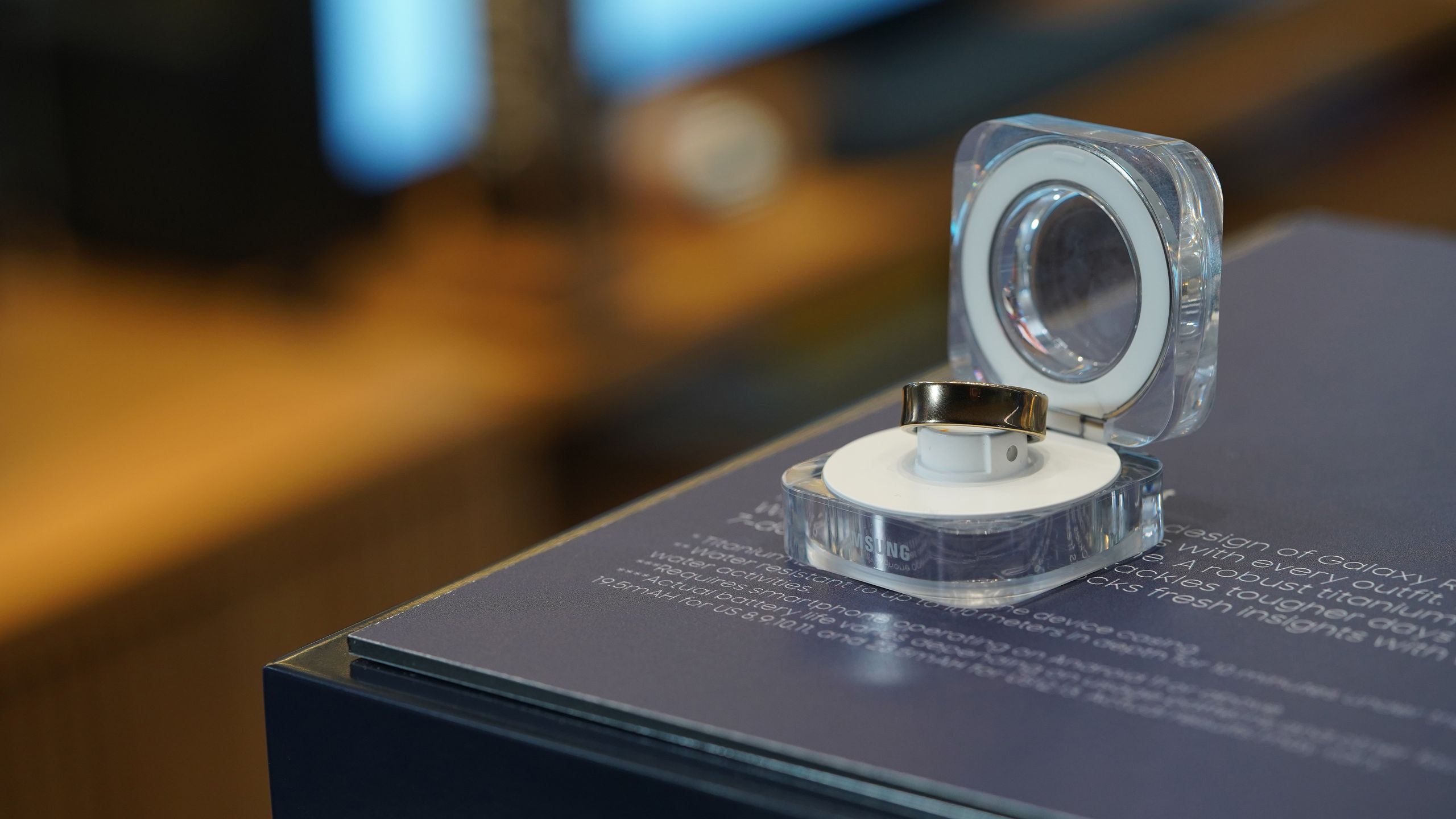
During a hands-on session at Samsung HQ in London prior to the launch, this reporter noted the importance of accurate sizing for optimal comfort and data collection. My own fitting revealed a size 10 was necessary, suggesting that sizes 5 and 6 are indeed on the smaller end of the spectrum for the average adult. This personal experience reinforces the hypothesis that these particular sizes might represent surplus stock that Samsung is eager to move.
Supporting Data: The Smart Ring Ecosystem and Samsung’s Play
The smart ring market, while still relatively niche compared to smartwatches, has been steadily gaining traction. Devices like the Oura Ring have carved out a loyal user base by offering unobtrusive, continuous health monitoring, particularly focused on sleep and recovery. The entry of a tech giant like Samsung was seen as a potential game-changer, lending mainstream credibility to the form factor.
Key Features of the Samsung Galaxy Ring:
- Comprehensive Health Tracking: Heart rate, blood oxygen levels (SpO2), sleep tracking (sleep stages, duration, consistency), skin temperature, and activity tracking (steps, calories burned).
- Vitality Score: A personalized score based on physical and mental readiness, offering actionable insights for well-being.
- Seamless Samsung Ecosystem Integration: Designed to work flawlessly with Samsung Galaxy smartphones and the Samsung Health app, providing a unified health dashboard.
- Design and Comfort: Lightweight, sleek, and designed for continuous wear without interference with daily activities. Available in several finishes.
- Battery Life: Touted to offer several days of battery life, a significant advantage over many smartwatches that require daily charging.
Competitive Landscape:
- Oura Ring: The market leader, known for its advanced sleep tracking and recovery insights. Offers a premium experience, often requiring a subscription for full features.
- Ultrahuman Ring Air: Another strong contender, focusing on fitness, recovery, and sleep.
- Other Players: Smaller brands continue to emerge, often targeting specific niches within health and fitness.
Samsung’s strategy with the Galaxy Ring was clearly to leverage its brand recognition and ecosystem strength to capture a significant share of this growing market. By offering a device that integrates with its popular smartphones and health platform, Samsung aimed to provide a compelling alternative for users seeking a more minimalist wearable experience. However, the premium pricing at launch, combined with the novelty of the form factor for many consumers, may have presented a challenge in achieving rapid mass adoption, especially for less common sizes.
Unpacking the Price Adjustment: Potential Reasons
The precipitous price drop for specific sizes of the Samsung Galaxy Ring invites several interpretations, ranging from benign inventory management to more strategic market recalibrations.
1. Inventory Management and Overstocking:
The most straightforward explanation is that Samsung has an excess of Galaxy Rings in sizes 5 and 6. Manufacturing wearables often involves forecasting demand across various sizes, and it’s plausible that initial projections for these smaller sizes were higher than actual sales. Retailers like Amazon would then be incentivized to clear this surplus inventory through aggressive discounts. The fact that other sizes remain at full price strongly supports this theory.
2. Market Testing and Demand Assessment:
It’s possible this discount serves as a form of market testing. By offering a steep reduction on specific sizes, Samsung (or its retailers) could be gauging the price elasticity of demand for the Galaxy Ring. If these discounted units sell rapidly, it might provide valuable data for future pricing strategies or for understanding the actual market value consumers place on the device, separate from its initial premium positioning.
3. Preparing for a Refresh or Successor Model:
While the Galaxy Ring is relatively new, the tech industry moves at a rapid pace. Discounts often precede the launch of a refreshed model or a second generation. Clearing current inventory, even at a loss for certain units, allows manufacturers to make way for new products incorporating updated technology, improved features, or revised sizing strategies. Given the product’s relatively recent launch, this might be a less likely immediate reason, but it’s a standard industry practice.
4. Adjusting to Market Reception and Competitor Pricing:
The smart ring market is competitive, and while Samsung has a powerful brand, the Oura Ring has a significant head start and a dedicated user base. Oura’s pricing, while premium, also often involves a subscription model, which shifts the financial burden over time. Samsung’s initial high price might have encountered resistance, leading to a need for price adjustments to stimulate sales, especially in segments where demand might be softer (like less common ring sizes).
5. Distribution Channel Dynamics:
The observation that the Galaxy Ring is unavailable on Samsung’s official UK store, while discounted on Amazon, highlights potential complexities in distribution. It could indicate that Samsung is prioritizing direct sales channels for its core products or that there are different inventory strategies for various retail partners. Third-party retailers often have more flexibility to implement aggressive pricing to move stock.
Official Responses and Industry Whispers
As of now, Samsung has not issued any official statement regarding the specific pricing strategy or the availability discrepancies for the Galaxy Ring in the UK. This silence is typical for manufacturers concerning specific retail deals, as they often prefer to maintain a consistent brand image and pricing narrative.
However, industry analysts and tech journalists have begun to weigh in:
- Inventory Management Focus: Many analysts lean towards the overstocking theory for smaller sizes. "A discount of this magnitude, especially on specific SKUs, almost always points to an inventory clearance effort," noted one independent tech market observer. "It’s not uncommon for new product categories to have initial misjudgements in demand for various configurations, including size."
- Strategic Repositioning: Others suggest a more deliberate move. "Samsung might be testing the waters for a more accessible price point," proposed a wearables market specialist. "The initial £399 was a bold statement, but the smart ring market isn’t as mature as smartwatches. They might be looking to broaden the appeal, even if it starts with clearing specific inventory."
- Ecosystem Integration Challenge: Some experts point to the broader challenge of integrating new hardware. "While Samsung’s ecosystem is strong, a smart ring requires a different kind of user commitment than a phone or watch," explained a consumer tech editor. "Getting users to adopt a new, subtle form factor takes time, and price is a significant barrier to entry for many."
The lack of direct commentary from Samsung means that the true motivations behind this dramatic price reduction remain speculative. However, the market’s reaction and the immediate impact on consumer perception are undeniable.
Implications for Consumers and the Smart Ring Market
The sudden price drop carries significant implications for various stakeholders:
For Consumers:
- A "Bittersweet Deal": For those with smaller fingers (size 5 or 6) or those willing to try the Titanium Black in size 6, this represents an incredible opportunity to acquire a premium smart ring at a fraction of its original cost. It lowers the barrier to entry significantly, allowing more people to experience advanced health tracking in a discreet form factor.
- Frustration for Others: For the vast majority of potential buyers who require larger sizes, the deal is a source of frustration. They either miss out on the discount entirely or face the prospect of paying nearly four times as much for the exact same technology, simply due to their finger size. This can lead to a perception of unfair pricing or missed opportunities.
- Value Perception: Such a steep discount, even if limited, can impact the perceived long-term value of the product. Consumers might become hesitant to pay full price for future Samsung smart rings if they anticipate similar price drops.
For Samsung:
- Inventory Clearance: Successfully moving excess inventory, even at a reduced margin, is crucial for financial health and preparing for future product lines.
- Brand Perception Risk: While discounts can drive sales, overly aggressive or poorly communicated price drops can damage a brand’s premium image and create uncertainty among early adopters who paid full price.
- Market Data Collection: The sales velocity of these discounted units will provide valuable insights into price sensitivity and demand curves for smart rings, informing future product development and pricing strategies.
- Ecosystem Expansion: Getting more Galaxy Rings into the hands of consumers, even at a lower price, expands the user base for Samsung Health and reinforces the company’s commitment to its wearable ecosystem.
For the Smart Ring Market:
- Increased Competition: Samsung’s entry, even with pricing adjustments, validates the smart ring as a legitimate and growing category. This increased competition can drive innovation and potentially lead to more competitive pricing across the board.
- Price Pressure: Other smart ring manufacturers, particularly those in the premium segment, may feel pressure to review their own pricing strategies to remain competitive, especially if Samsung continues to offer more accessible price points.
- Broader Adoption: A major player offering a smart ring at a more accessible price point could accelerate mainstream adoption of the technology, moving it beyond early adopters and health enthusiasts.
Conclusion: A Turning Point for Wearable Tech?
The dramatic price reduction of the Samsung Galaxy Ring on Amazon UK, while limited to specific sizes, marks a significant moment in the evolution of the smart ring market. It underscores the challenges of introducing a new form factor at a premium price point, even for a brand as powerful as Samsung.
Whether this is a tactical inventory clear-out, a strategic market adjustment, or a precursor to future developments, the deal undoubtedly offers an enticing proposition for a segment of consumers. For those with smaller fingers, the dream of affordable, integrated health tracking via a sleek smart ring has finally become a reality. For Samsung, it represents a crucial learning opportunity as it navigates the complexities of a dynamic and increasingly competitive wearable technology landscape. The coming months will reveal whether this "bittersweet deal" is an isolated incident or a signal of broader shifts in how smart rings are priced, perceived, and adopted by the global consumer base.
 Evan Lee Salim
  Nana
Nana  Ammar Sabilarrohman