
 By Jia Lissa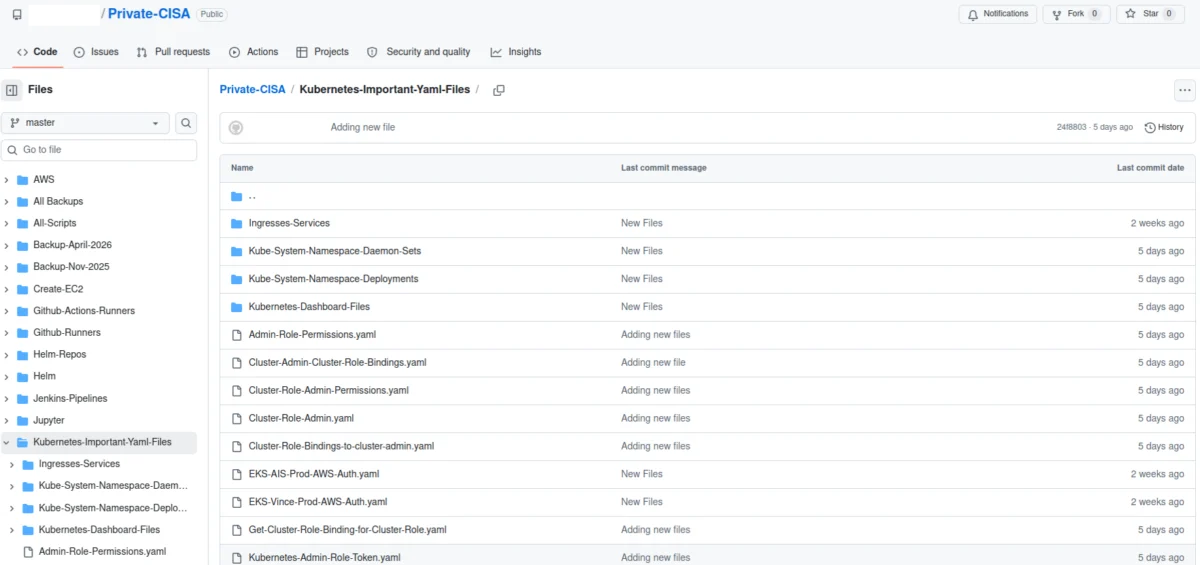
In what cybersecurity experts are calling one of the most egregious data security failures in recent government history, a public GitHub repository maintained by a contractor for the Cybersecurity and Infrastructure Security Agency (CISA) remained exposed to the open internet for months, leaking highly privileged credentials to internal agency systems and Amazon AWS GovCloud environments.
The incident, which was only remediated this past weekend, serves as a harrowing case study in poor security hygiene, highlighting the precarious state of digital infrastructure within the nation’s premier cybersecurity agency. The repository, aptly named "Private-CISA," functioned as an unsecured digital scratchpad, inadvertently broadcasting the keys to the kingdom to any observer capable of monitoring public code archives.
The Discovery: A Red Flag in Plain Sight
The breach was first identified by Guillaume Valadon, a lead researcher at GitGuardian—a firm specializing in automated secret detection. GitGuardian’s infrastructure constantly crawls public repositories, flagging instances where API keys, cryptographic secrets, and passwords are accidentally pushed to public view.
On May 15, Valadon contacted the repository owner after automated systems flagged the account for an unusual density of sensitive data. When the owner failed to respond, and the sensitivity of the exposed files became apparent, Valadon escalated the alert. "I honestly believed that it was all fake before analyzing the content deeper," Valadon noted in correspondence. "This is indeed the worst leak that I’ve witnessed in my career. It is obviously an individual’s mistake, but I believe that it might reveal internal practices."
The repository was not merely a collection of minor configuration files; it was a comprehensive roadmap of CISA’s internal development lifecycle. Files contained detailed documentation on how the agency builds, tests, and deploys software, alongside a treasure trove of plaintext credentials.
Chronology of a Digital Catastrophe
The timeline of the "Private-CISA" repository suggests a protracted period of vulnerability that went undetected by internal monitoring tools.
- September 2018: The contractor’s personal GitHub account is established.
- November 13, 2025: The "Private-CISA" repository is created, marking the beginning of the exposure.
- November 2025 – May 2026: The repository is used regularly, likely as a synchronization mechanism between a CISA-issued work device and a personal computer, leading to a constant stream of sensitive data being pushed to the public cloud.
- May 15, 2026: GitGuardian researchers identify the repository and attempt to initiate contact with the contractor.
- Mid-May 2026: Following notifications to CISA and the involvement of security researchers, the repository is taken offline.
- Post-Removal: Despite the repository being deleted, researchers note that several exposed AWS keys remained active and valid for an additional 48 hours, leaving a window of opportunity for potential exploitation.
Anatomy of the Exposure: Poor Hygiene and Disabled Guardrails
Security analysts who reviewed the repository were struck by the intentionality of the security lapses. The repository did not just suffer from a lack of vigilance; it suffered from the active dismantling of protective measures.
According to commit logs, the contractor deliberately disabled GitHub’s native secret-scanning features—a tool specifically designed to prevent the accidental publication of SSH keys and tokens. By bypassing these guardrails, the contractor ensured that no automated warnings would impede the flow of sensitive data into the public domain.
The content of the repository was extensive. Among the most critical items found were:
- "importantAWStokens": A file containing administrative credentials for three separate AWS GovCloud accounts. GovCloud is a restricted, high-security cloud environment specifically designed to host sensitive government data.
- "AWS-Workspace-Firefox-Passwords.csv": A file containing plaintext usernames and passwords for dozens of internal CISA systems.
- Artifactory Credentials: Plaintext access keys to CISA’s internal "artifactory," a repository housing the building blocks of the agency’s software packages.
Philippe Caturegli, founder of the security consultancy Seralys, conducted a validation test of the keys to determine the scope of the exposure. His findings confirmed that the credentials were not only legitimate but granted high-level administrative access to critical infrastructure.
Implications: The Risk of Lateral Movement
The potential damage of this exposure cannot be overstated. By accessing the agency’s "artifactory," a malicious actor could have performed a supply-chain attack of monumental proportions.
"That would be a prime place to move laterally," Caturegli explained. "If you can place a backdoor in a software package, then every time they build something new, they deploy your backdoor left and right."
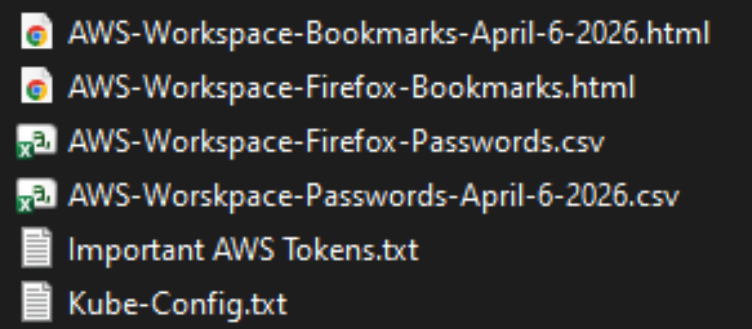
Furthermore, the audit of the repository revealed a systemic reliance on weak authentication. Many of the exposed passwords followed a predictable pattern—the platform name followed by the current year—a practice that is universally condemned by cybersecurity professionals. In a high-stakes environment like CISA, where the agency is tasked with protecting the nation’s critical infrastructure, such rudimentary password management is particularly damning.
The exposure of the "LZ-DSO" (Landing Zone DevSecOps) environment is perhaps the most alarming aspect. This is the pipeline through which the agency’s secure code is developed. A breach here would allow an adversary to compromise the integrity of CISA’s own software deployments, effectively turning the agency’s tools against itself.
Organizational Strain and the Context of the Breach
This incident occurs against the backdrop of significant organizational turmoil within CISA. Following the start of the second Trump administration, the agency has faced severe budgetary and staffing constraints. Reports indicate that CISA has lost nearly one-third of its workforce due to a combination of early retirements, buyouts, and resignations.
Analysts suggest that this "brain drain" and the resulting increase in workload for remaining staff may have created an environment where shortcuts—such as using a public GitHub repo to sync work files between home and office—became normalized. When an agency is stretched thin, the meticulous processes required for high-security operations are often the first to be sacrificed.
"What I suspect happened is the contractor was using this GitHub to synchronize files between a work laptop and a home computer," Caturegli said. "This would be an embarrassing leak for any company, but it’s even more so in this case because it’s CISA."
Official Responses and Next Steps
The contractor responsible for the repository is an employee of Nightwing, a government contracting firm based in Dulles, Virginia. When reached for comment, Nightwing declined to discuss the matter, referring all inquiries to CISA.
In a formal statement, a CISA spokesperson acknowledged the exposure and confirmed that an investigation is currently underway. "Currently, there is no indication that any sensitive data was compromised as a result of this incident," the spokesperson stated. "While we hold our team members to the highest standards of integrity and operational awareness, we are working to ensure additional safeguards are implemented to prevent future occurrences."
However, the agency’s assurance that no data was "compromised" is difficult for security experts to verify. In the world of cyber-espionage, the absence of evidence is not evidence of absence. If a sophisticated threat actor had monitored the public repository, they would have had the ability to exfiltrate data silently, leaving no obvious traces of a breach.
Conclusion: A Wake-Up Call for Federal Contractors
The CISA repository leak is a poignant reminder that even the most advanced cybersecurity agency is only as strong as its weakest link. In this case, the link was a contractor utilizing a public platform for the storage of high-value government secrets.
As CISA works to recover from this embarrassment, the incident raises broader questions about the federal government’s reliance on third-party contractors and the lack of oversight regarding their security practices. If the agency tasked with securing the nation’s infrastructure cannot enforce basic security protocols among its own personnel and contractors, the vulnerability of the broader U.S. digital landscape remains a critical, and perhaps existential, concern.
Moving forward, CISA will likely be forced to implement more rigorous technical controls, such as mandatory hardware-backed authentication (MFA) and stricter Data Loss Prevention (DLP) policies that prevent the synchronization of internal agency data with public-facing cloud services. Whether these measures can be implemented effectively during a period of such significant organizational contraction remains to be seen.
 Sagoh
Sagoh  Evan Lee Salim
  Ammar Sabilarrohman