
 By Nana Wu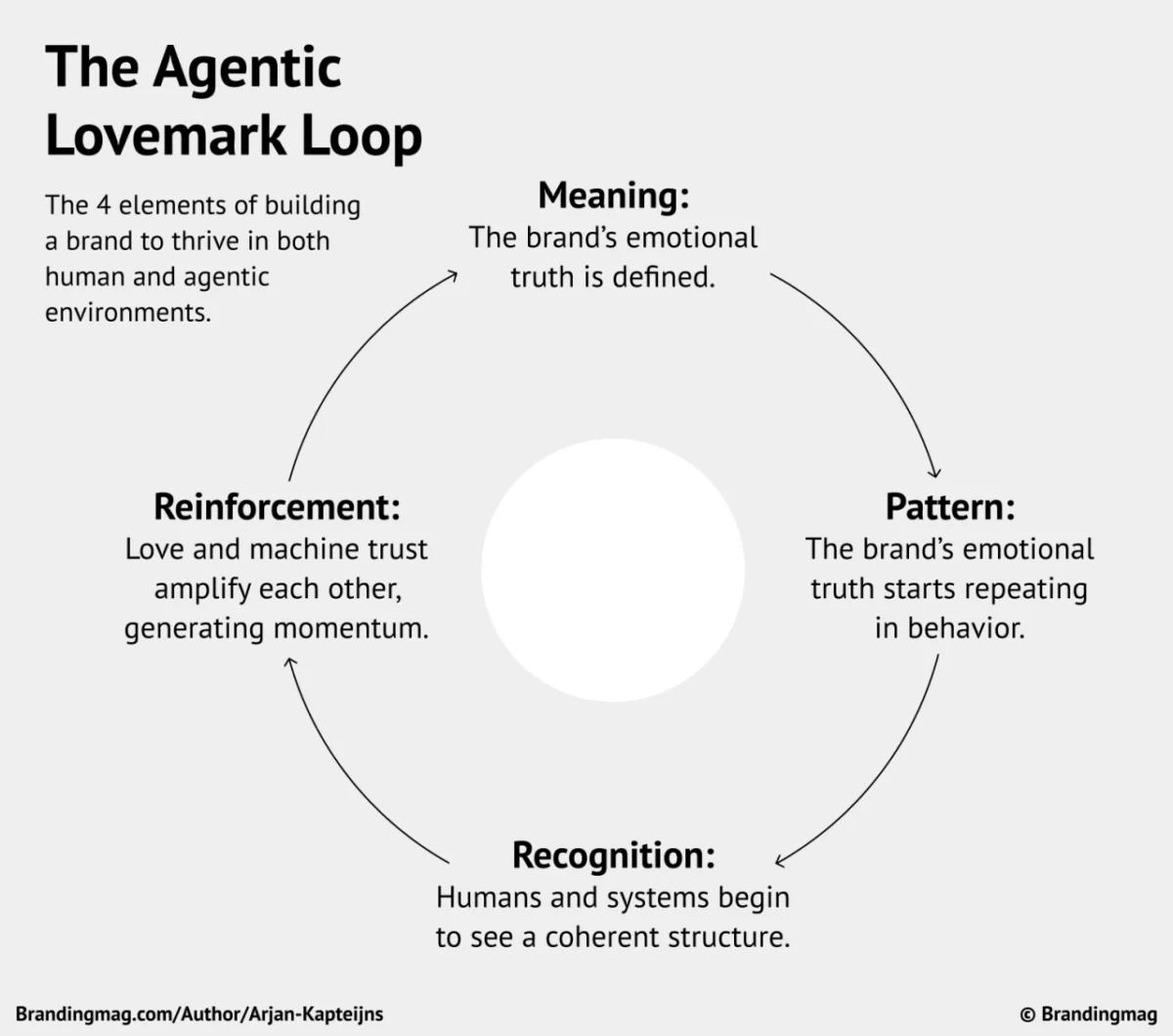
In an era where the consumer decision journey is increasingly being delegated to artificial intelligence, the very foundation of brand building is undergoing a seismic shift. For decades, the gold standard of marketing has been the "Lovemark"—a concept championed by Kevin Roberts at Saatchi & Saatchi, which posits that brands must earn both the respect and the love of their customers to achieve enduring success.
However, as intelligent agents—AI-driven assistants that search, filter, and purchase on our behalf—begin to mediate our daily choices, the classic Lovemark model faces an existential test. A new manifesto by Thomas Marzano, Brand Constitutions: The Legible–Lovable Standard for Building Equity in an Agentic Economy, has emerged as a crucial bridge between these two worlds, arguing that modern brands must be simultaneously "lovable" to humans and "legible" to machines.
The Evolution of the Brand-Customer Dynamic
A Shift in Decision Logic
The traditional marketing funnel was built on the premise of human agency: a person sees an ad, researches options, feels an emotional connection, and makes a choice. In the "Agentic Age," that journey is being compressed. Intelligent agents are replacing the messy, interpretive human process with system-driven filters based on pattern recognition, provenance, and data structure.
While "respect" was once the rational pillar built on performance and reliability in the human mind, it must now evolve into "machine trust." Systems cannot feel, but they can verify. They assess consistency, analyze metadata, and evaluate behavioral signals. Consequently, the new requirement for a successful brand is twofold: it must maintain its emotional resonance for the human heart while presenting a high degree of structural clarity for the machine.
The Rise of the Agentic Lovemark
An "Agentic Lovemark" is defined as a brand that successfully balances these two forces. It is not merely a brand that customers love; it is a brand whose emotional DNA is so consistently encoded into its behaviors, rituals, and interfaces that intelligent agents identify it as a "high-trust" entity.
When a brand achieves this, the Agentic Lovemark Loop begins:
- Meaning: The brand defines a clear emotional territory.
- Pattern: That meaning is codified into behavioral signatures and operational rhythms.
- Recognition: Systems identify these stable patterns as markers of trust.
- Reinforcement: Agents prioritize the brand, deepening the human connection through increased visibility and repeated positive interactions.
The Chronology of an Evolving Philosophy
The conceptual evolution of the Lovemark began with a rebellion against the commoditization of the late 20th century. Kevin Roberts argued that brands were dead and that only "Lovemarks"—brands that inspire irrational loyalty through myth, sensuality, and intimacy—would survive.
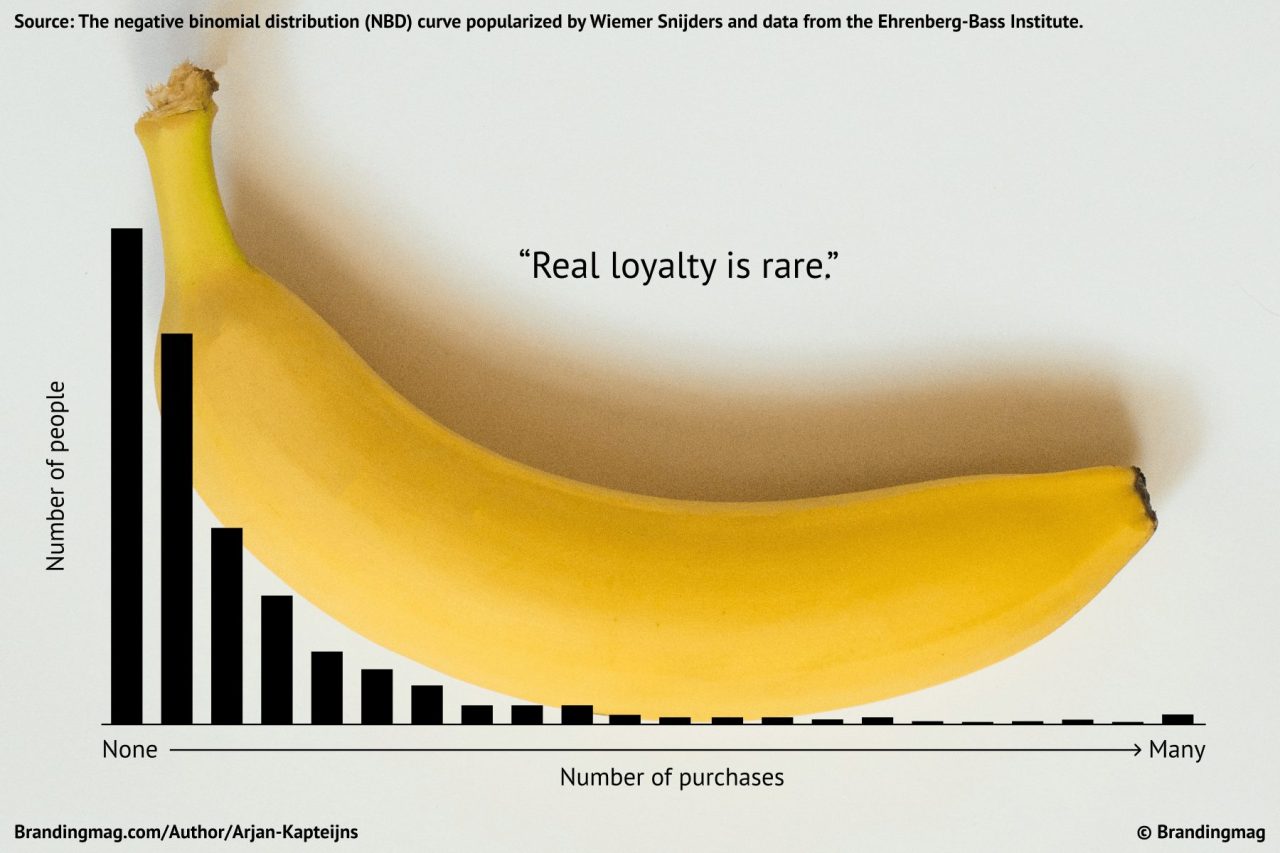
For years, this philosophy served as the North Star for marketers. However, the rise of big data and behavioral economics introduced a counter-narrative, most notably via the Ehrenberg-Bass Institute. Byron Sharp’s "banana principle" suggested that loyalty is largely a statistical consequence of market penetration and availability rather than emotional attachment.
Today, we are witnessing a synthesis of these schools of thought. In an agentic environment, the randomness of human shopping is being reduced. Agents stabilize preferences by reinforcing previous choices. As a result, the "banana" of consumer behavior is shifting; the volatility of the past is being replaced by system-reinforced loyalty. Emotional loyalty is no longer just a "romantic luxury"—it is becoming the anchor that prevents consumers from switching when a machine suggests an alternative.
Supporting Data: The New Operating Logic
Recent insights from McKinsey regarding "Agentic Commerce" underscore the urgency of this transition. As Generative AI flattens the discovery phase, content commoditization becomes a genuine threat to brands that rely solely on functional advertising.
The data suggests that:
- Qualification precedes persuasion: In an agentic economy, the system decides which brands enter the "consideration set." If a brand is not legible, it is excluded before a human ever sees the option.
- Consistency as a metric: Machines value "structural clarity." Brands that exhibit high variance in their digital presence, service delivery, or data provenance are penalized by algorithms that prioritize predictability.
- Emotional resonance as a differentiator: Once a system narrows a search to a few high-trust brands, the final decision is often tipped by the human’s underlying emotional preference—the "Lovemark" factor.
Official Perspectives and the "Brand Constitution"
Thomas Marzano’s Brand Constitutions serves as the strategic framework for this new reality. A "Brand Constitution" is not a set of bureaucratic rules; it is an intentional codification of a brand’s cohesion. It defines the brand’s purpose, its visual and tonal signatures, and its "quest"—the behavioral logic that makes it stand out.
Experts in the field argue that the "organizing idea" of a brand—such as Nike’s belief that everyone is an athlete or Apple’s commitment to creative empowerment—must now function as the bridge between human emotion and machine logic.
As noted in the manifesto, the creative community has voiced legitimate concerns regarding this shift. Renowned Dutch creative Aad Kuijper has cautioned against the "perfection" of AI, arguing that humans have a natural allergy to anything that feels overly engineered. The implication is clear: The soul of a brand must remain human. AI can assist in building the structure, but it cannot invent the "crooked line" or the "human imperfection" that creates genuine emotional tension.
Implications for Future Marketing
The Dual Audience Mandate
The primary implication for modern brand builders is that they now serve two distinct masters. To succeed, they must:
- Speak to humans: Use storytelling, identity, and myth to ignite irrational, deep-seated loyalty.
- Speak to machines: Use metadata, behavioral consistency, and structural clarity to ensure the brand is always "visible" to the agentic filters.
The End of Randomness
The "Agentic Lovemark" signals the end of the era where brands could rely on random, impulse-driven purchases. In the future, if a brand is not part of an agent’s pre-approved list of trusted entities, it will cease to exist for the consumer. This places a premium on the long-term "behavioral signature" of a company. A brand’s history of reliability is no longer just a reputation; it is a data set that machines use to predict future performance.
The Creative Frontier
The creative practitioner’s role is shifting from that of a storyteller to that of a "system architect." They must ensure that the "emotional territory" of the brand is not lost in the translation to digital metadata. The challenge is to maintain the mystery and passion of a Lovemark while ensuring that every digital touchpoint—from website structure to customer service scripts—is coherent enough for an AI to parse.
Conclusion: The New Gold Standard
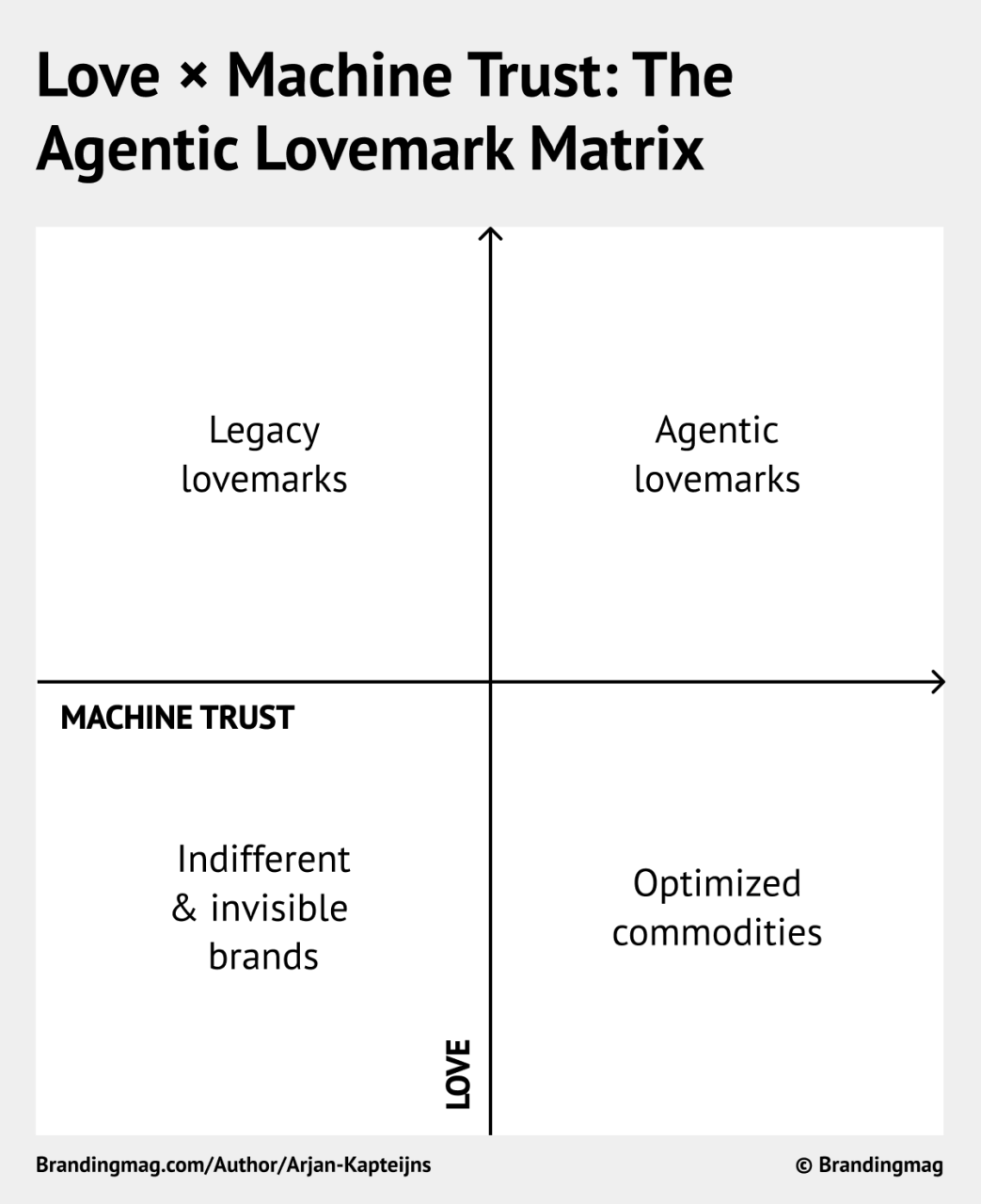
Becoming an Agentic Lovemark is not a destination but a continuous loop. It requires a synthesis of soul and system. Brands that fail to integrate these two dimensions risk falling into one of two traps: being "lovable but invisible" or "legible but replaceable."
The future belongs to brands that treat their "Brand Constitution" as a living document—one that captures the human emotion of a brand and translates it into the language of the machine. In this age, the most successful brands will be those that have mastered the art of being human in a world increasingly governed by algorithms. They will be the brands that are loved by the people who use them, and recognized, trusted, and recommended by the machines that help them live their lives.
As we move forward, the "Agentic Lovemark" represents the ultimate competitive advantage: the ability to exist simultaneously in the human heart and the machine mind, turning the cold logic of AI into a powerful engine for enduring emotional connection.
 Nila Kartika Wati
  Muslim