
 By Basiran
In an era where consumers are bombarded by thousands of advertisements, social media posts, and corporate communications daily, the ability to stand out is no longer just about the product—it is about the personality behind the logo. Brand voice has transcended being a mere marketing buzzword; it has become the fundamental bedrock upon which trust, recognition, and long-term customer loyalty are built.
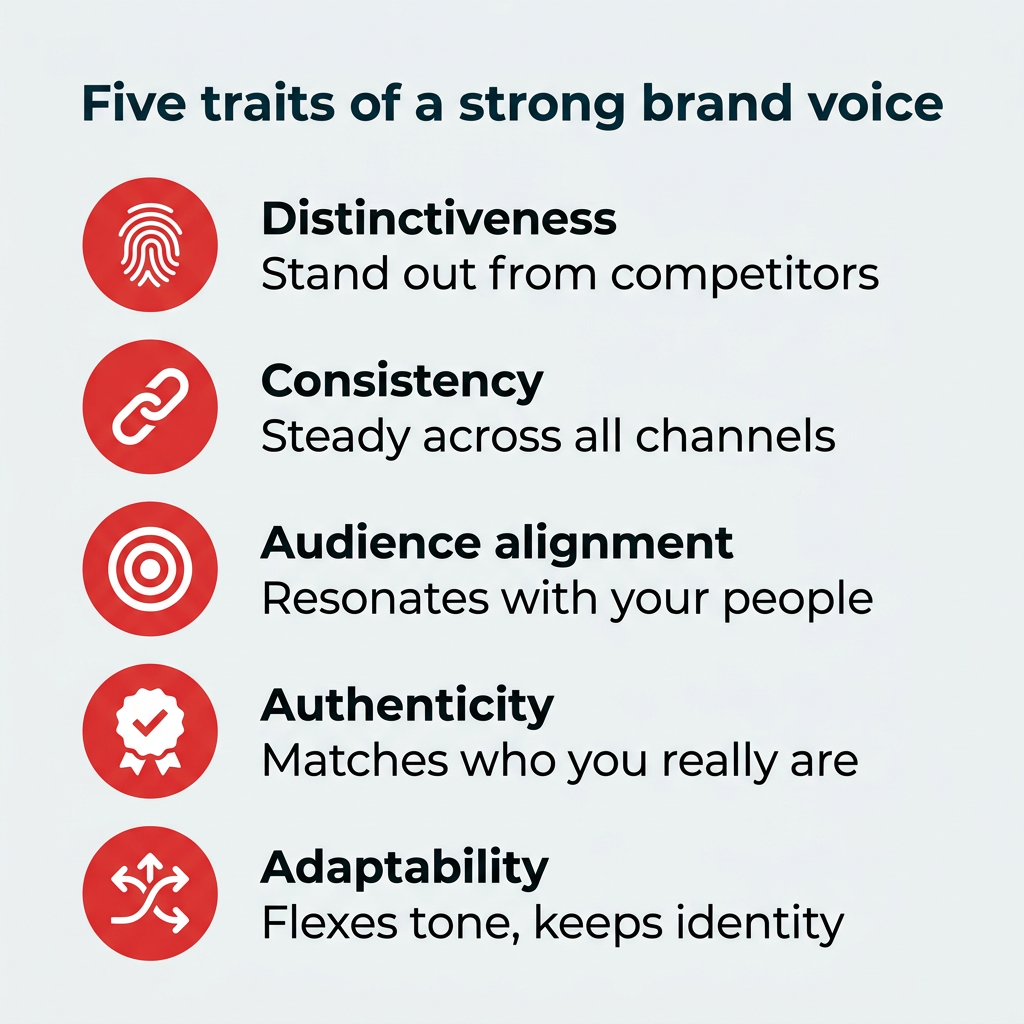
A brand’s voice is the consistent, distinct way it portrays itself through language. It is the "human" element of a corporation, defined by tone, vocabulary, and stylistic choices. As modern markets shift toward authenticity, businesses that fail to define a clear, intentional voice risk fading into a sea of corporate ambiguity.

The Core Distinction: Voice vs. Tone
To master communication, one must first distinguish between "brand voice" and "brand tone." While often used interchangeably, they serve different functions in a communication strategy.
- Brand Voice (The Personality): This is the immutable core of your brand. Just as an individual’s personality remains consistent regardless of whether they are at a funeral or a wedding, a brand’s voice should be recognizable across every channel. It is the fundamental "who" of the company.
- Brand Tone (The Context): This is the tactical adjustment of your voice based on the situation. Your tone should flex depending on whether you are announcing a major product innovation, responding to a customer service crisis, or sharing a lighthearted holiday greeting.
Essentially, a brand has one voice, but many tones. The goal is to ensure that even when the tone shifts, the underlying personality remains unmistakable.

Supporting Data: The ROI of Consistency
Consistency is not just an aesthetic preference—it is a financial imperative. Research consistently indicates that a unified brand presentation can increase revenue by as much as 33%. When a company speaks with a fragmented or erratic voice, it creates cognitive dissonance for the consumer, leading to confusion and, ultimately, a lack of trust.
Furthermore, the rise of Artificial Intelligence in content creation has placed a premium on human-centric branding. A survey by Klaviyo and Datalily highlights that consumers are four times more likely to trust a brand less if they detect unrefined, AI-generated content that lacks a clear, humanized brand identity. In this landscape, a well-defined brand voice serves as the ultimate quality control benchmark.
A Chronological Framework for Building Brand Identity
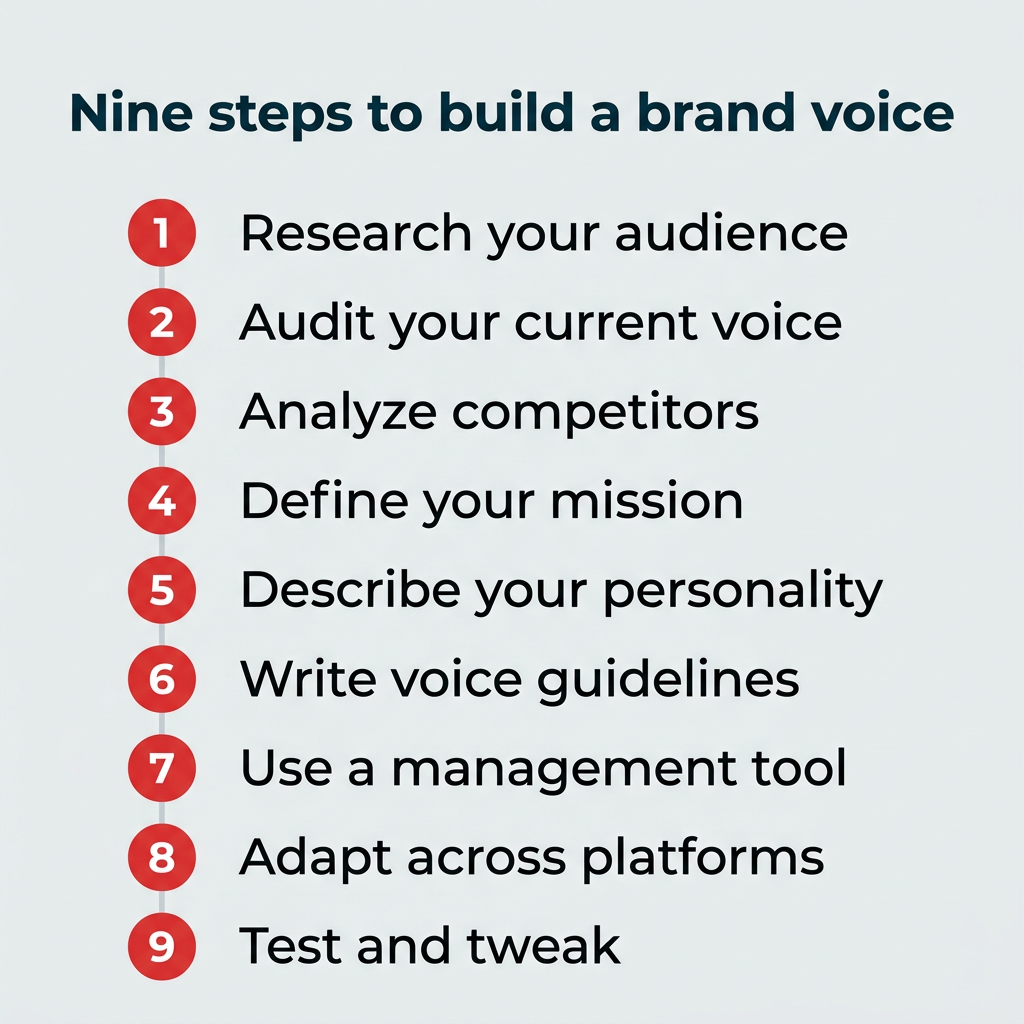
Developing a brand voice is an iterative process. It requires a systematic approach to ensure the final output is not merely a collection of preferences, but a functional tool for every team member in the organization.
Phase 1: Research and Audit
The journey begins with deep audience research. Who are your customers? How do they speak to each other? By analyzing current social media engagement, teams can identify which posts resonate and which fall flat. A brand audit of existing content is essential here; it reveals where your messaging currently drifts from your desired personality.
Phase 2: Defining the Persona
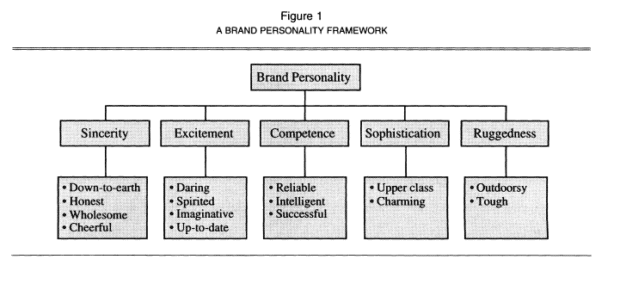
Once you understand the audience, you must codify the brand’s "character." Using frameworks like Jennifer Aaker’s Dimensions of Brand Personality (Sincerity, Excitement, Competence, Sophistication, and Ruggedness), companies can choose the specific traits that define them.
Phase 3: The Documentation Strategy
A brand voice guide is the blueprint for your communication. It should include:
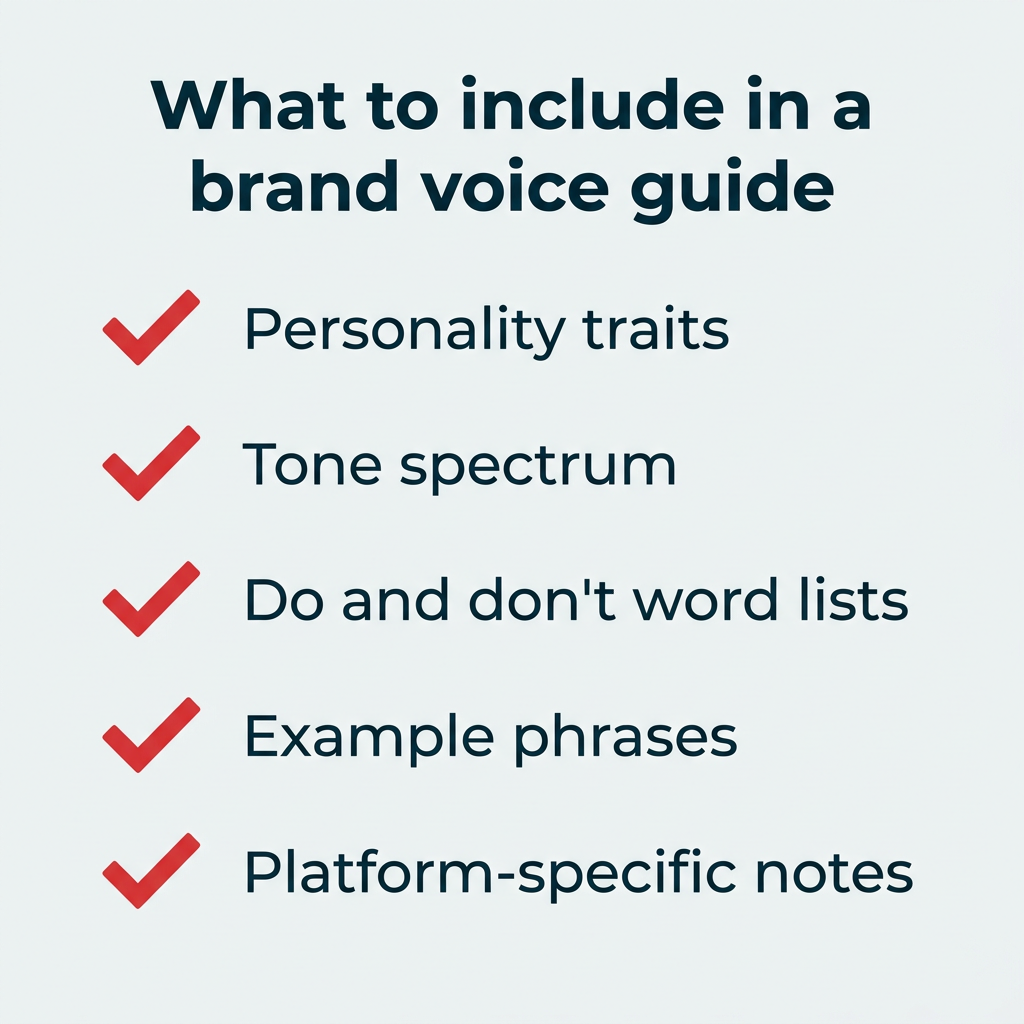
- Personality Traits: 3-5 core adjectives defining the brand.
- The Tone Spectrum: Guidance on how to modulate the voice for different scenarios.
- The "Do and Don’t" List: Concrete examples of preferred vocabulary versus forbidden jargon.
- Platform-Specific Nuances: Acknowledge that the voice for a LinkedIn white paper will naturally differ from a TikTok script, even while remaining fundamentally the same.
Real-World Case Studies: Branding as a Differentiator
Several market leaders have leveraged brand voice to turn common commodities into iconic status symbols.
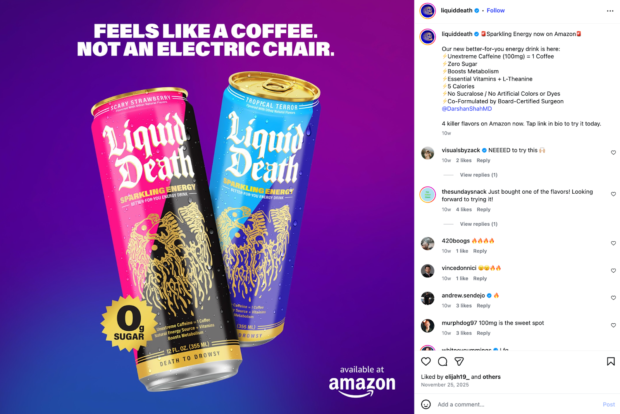
Liquid Death: The Power of Subversion
Liquid Death, a water company, is perhaps the most prominent example of using voice as a primary competitive advantage. By adopting a "heavy metal" and irreverent persona, they have successfully positioned themselves as the polar opposite of traditional, sterile bottled water brands. Their voice is not just a marketing tactic; it is their primary product differentiator.

Calm vs. Headspace: The Nuance of Wellness
Even within the same industry, brand voice creates distinct market segments. Calm utilizes a voice that is grounded, supportive, and gentle, mirroring its product goals. In contrast, Headspace uses bold colors and a more playful, lighthearted tone. Both are effective, but they speak to different segments of the wellness market through their deliberate choice of vocabulary and rhythm.
The Trader Joe’s Approach
Trader Joe’s excels by utilizing a conversational, "friendly crew member" tone. Their long-form captions on social media tell the story of a product—why it exists, how it tastes, and how it fits into a lifestyle—rather than simply selling the item. This fosters a sense of intimacy that is difficult for larger, more corporate retail chains to replicate.
Implications for Modern Organizations
For organizations, the implications of a poorly managed brand voice are significant. In an age of digital transparency, a single "off-brand" tweet or a tone-deaf response to a customer complaint can escalate into a full-scale PR crisis.
Enabling Teams with Technology
As companies scale, ensuring that every employee, freelancer, and agency partner adheres to the brand voice becomes a challenge. The solution lies in a combination of strict documentation and robust social media management tools. Platforms like Hootsuite allow organizations to implement approval workflows, ensuring that all content—whether written by a human or generated by an AI assistant—is vetted against the established brand guidelines before it ever goes live.
The Evolution of Voice
It is vital to remember that a brand voice is never "finished." As social channels evolve, so too must the way a brand interacts with them. A brand that sounded perfectly professional in 2010 might need to adopt a more conversational, video-first approach in 2025. Periodic reviews—ideally annually—ensure that the brand remains aligned with the cultural zeitgeist while holding onto its core values.
Conclusion: The Human Imperative
In the digital marketplace, people do not buy from brands; they buy from entities they perceive as human, relatable, and trustworthy. According to the 2025 Edelman Trust Barometer, 73% of consumers place more trust in brands that authentically reflect the culture they inhabit.

Building a strong brand voice is an exercise in empathy. It requires a deep understanding of who your customers are, what they value, and how they prefer to be addressed. By committing to a consistent, well-documented, and adaptable voice, businesses can move beyond the transaction and build a lasting relationship with their audience. The brands that win the future will be those that realize their voice is their most valuable asset in an increasingly noisy world.
 Reynand Wu
  Muslim
  Nila Kartika Wati