
 By Ammar Sabilarrohman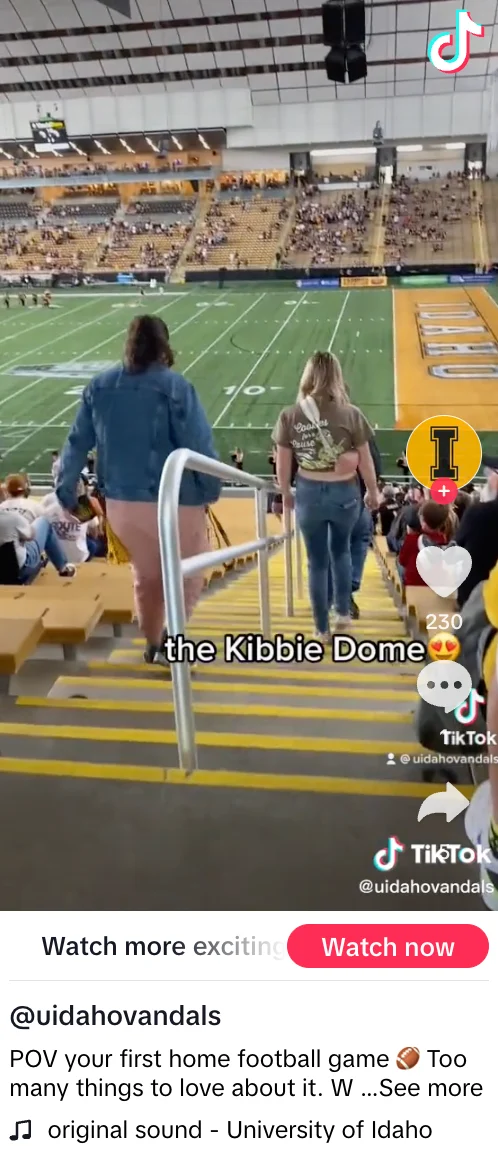
In the modern academic landscape, the digital front door is no longer the university website—it is the social media feed. As we navigate 2026, higher education institutions are facing a paradigm shift in how they attract, retain, and communicate with a new generation of digital natives. For universities and colleges, social media has evolved from an optional marketing add-on into a critical infrastructure component for enrollment, community building, and institutional reputation.

The Evolution of Student Expectations
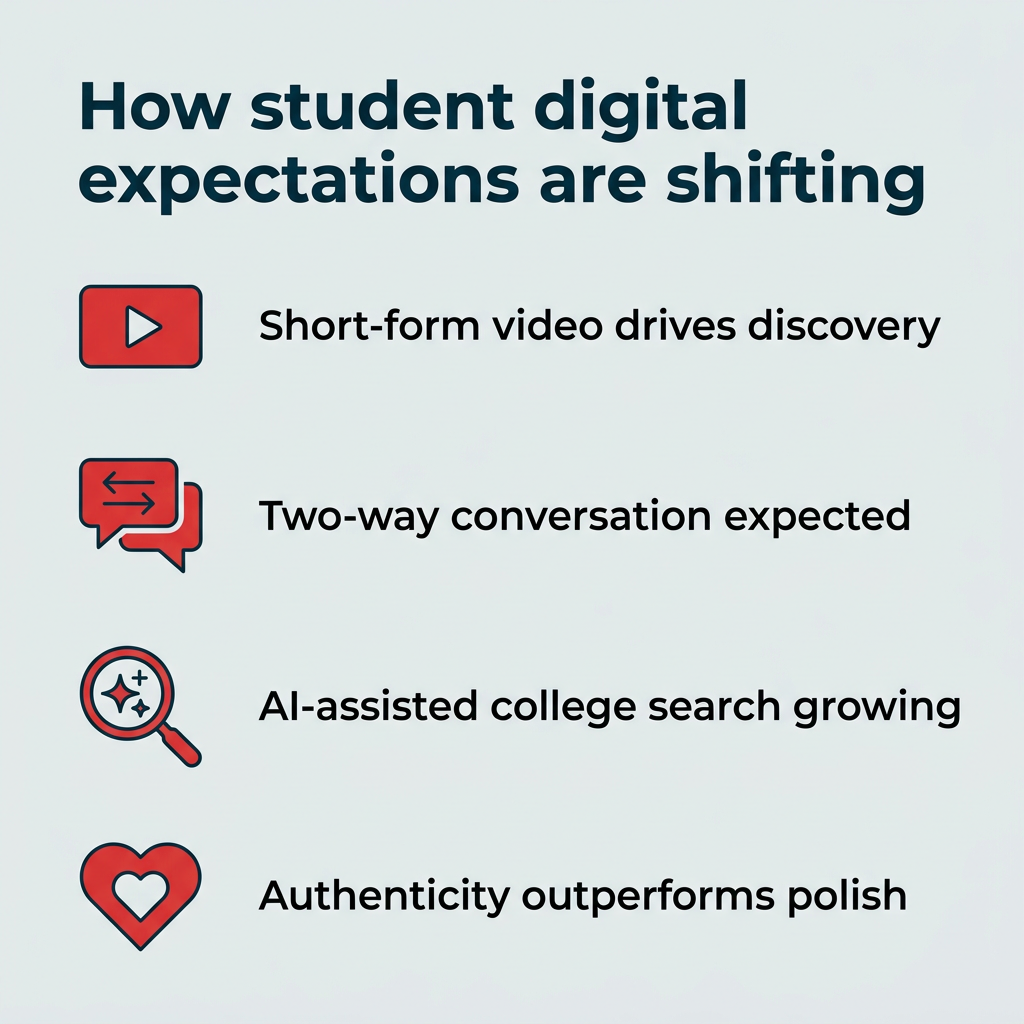
The era of broadcasting polished, top-down institutional messaging is coming to a close. Today’s prospective students, predominantly from Gen Z and the emerging Gen Alpha, prioritize authenticity and real-time interaction over high-production-value advertisements. Research indicates that 56% of students consider social media a deciding factor in their initial college search—long before they ever step foot on a campus for a tour.

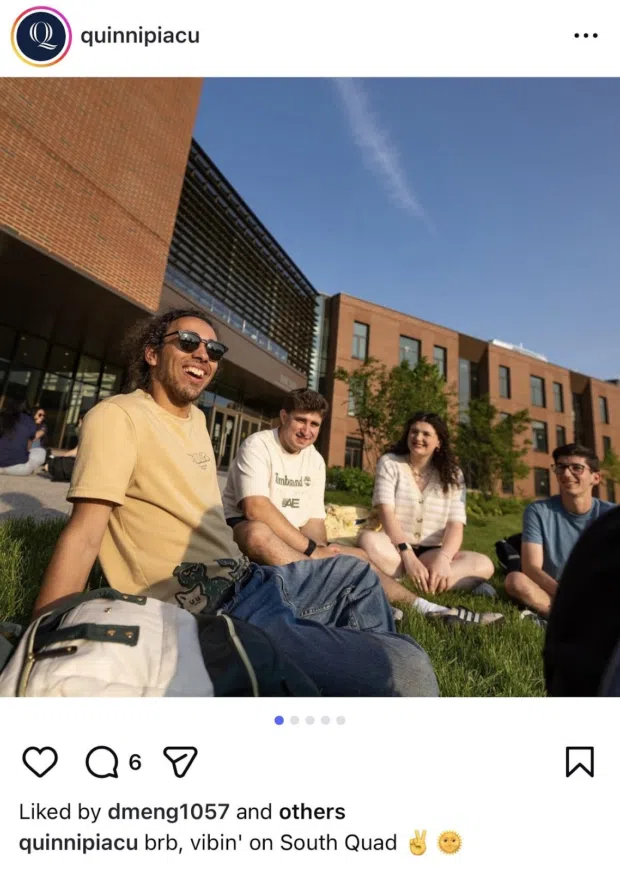
These students are looking for social proof. They want to see genuine student life, raw perspectives on academics, and tangible evidence of a university’s values in action. If a school’s social presence feels artificial, prospective students are likely to view the institution itself with skepticism.
Chronology of the Social Shift in Academia
The integration of social media into higher education has moved through distinct phases over the last decade:

- 2015–2018: The "Broadcast" Era. Institutions used Facebook and Twitter primarily to push press releases and official announcements. Engagement was low, and content was often formal and static.
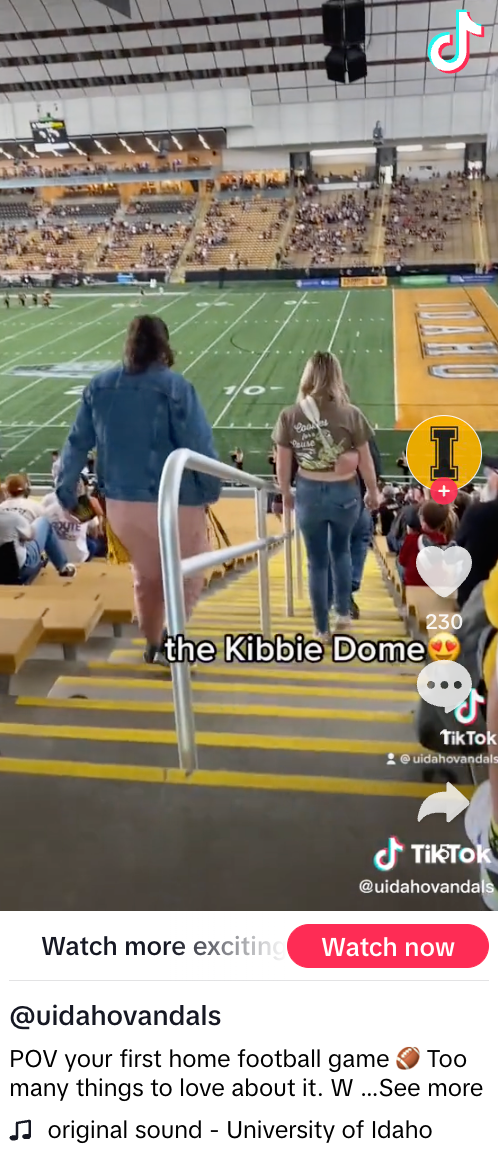
- 2019–2022: The "Community" Era. With the rise of Instagram and the birth of TikTok, colleges began experimenting with student takeovers and influencer-style content. The focus shifted toward humanizing the campus experience.
- 2023–2025: The "Direct-to-Consumer" Era. Institutions began treating social channels as customer support hubs. Direct messaging, rapid response times, and community-building groups became the standard for student recruitment and alumni management.
- 2026 and Beyond: The "Authentic Ecosystem." Current strategy focuses on decentralization. Universities are now empowering students, faculty, and staff to act as brand ambassadors, while utilizing AI-driven social listening to monitor sentiment and manage crises in real-time.
Supporting Data: Why Strategy Matters
The quantitative impact of a robust social media strategy is no longer anecdotal. According to recent industry reports, the metrics speak for themselves:
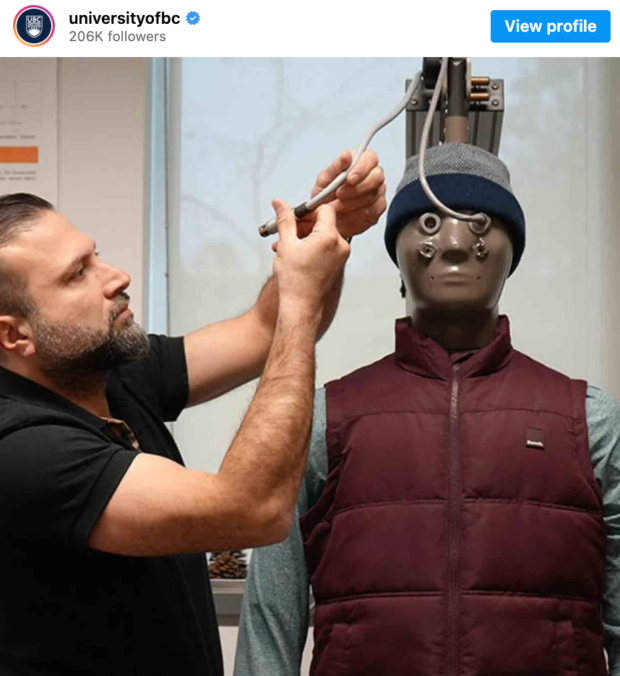
- Enrollment Conversion: 84% of students find virtual tours and student-led video content essential to their research process.
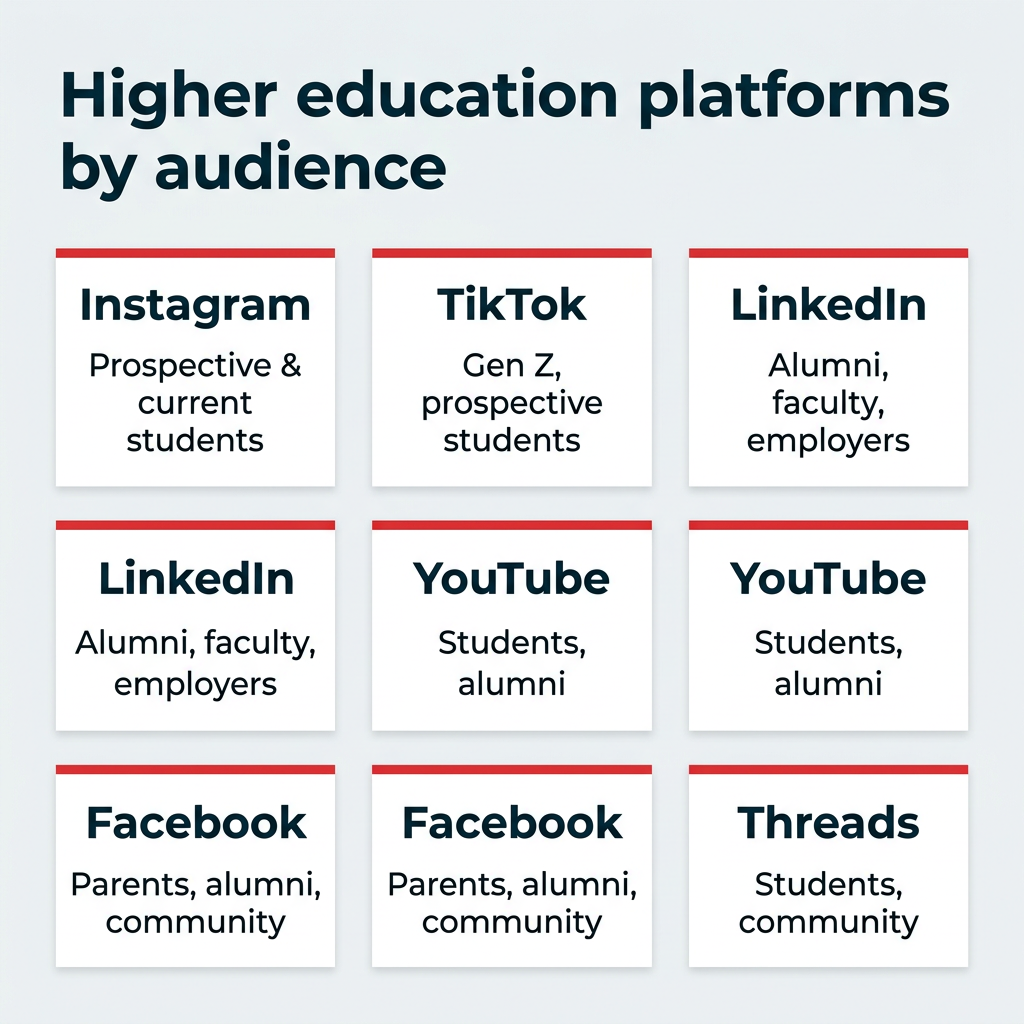
- Demographic Alignment: While Facebook remains a primary tool for connecting with alumni and parents, TikTok and Instagram have become the undisputed territory for reaching undergraduate prospects.
- Advocacy ROI: User-generated content (UGC) campaigns consistently yield higher engagement rates than branded posts, as students trust the perspectives of their peers over official institutional accounts.
Strategic Pillars for Success
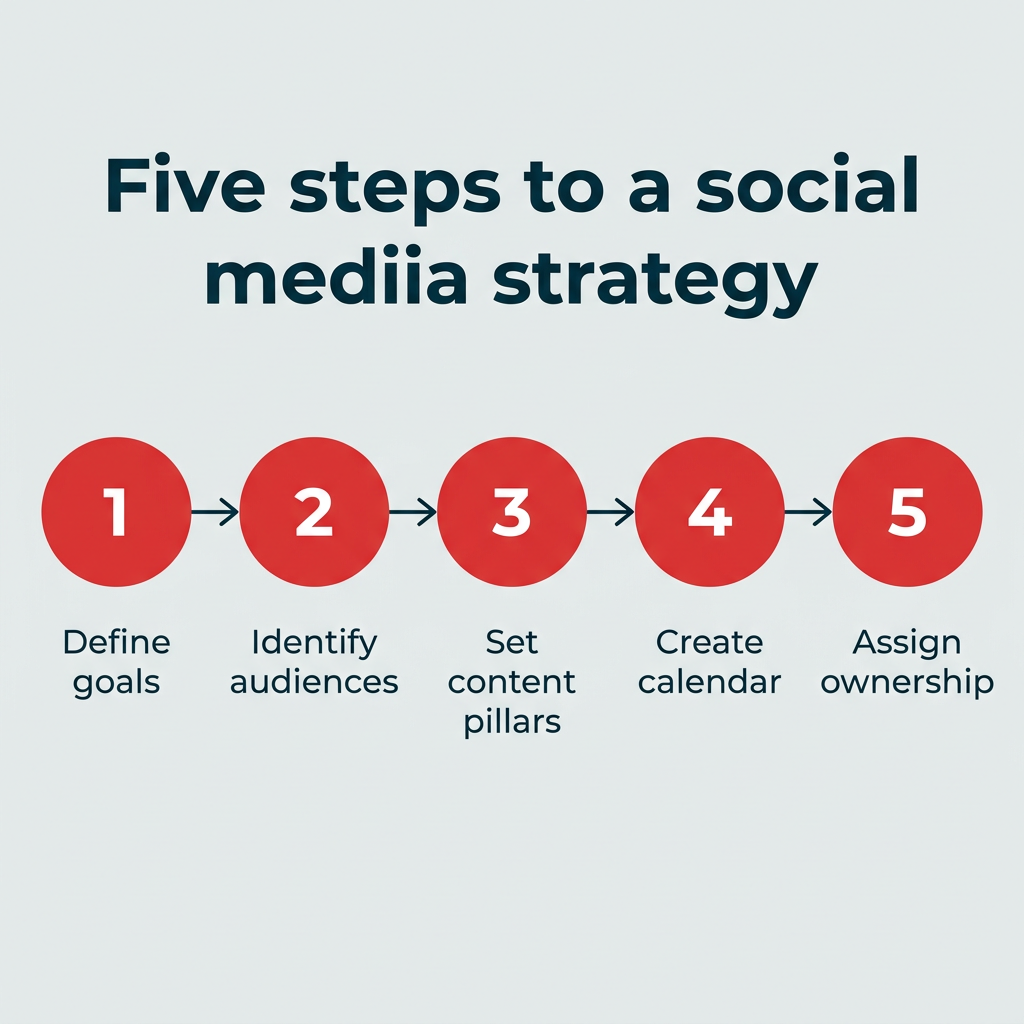
To thrive in this competitive environment, institutions must move beyond ad-hoc posting. The following pillars form the backbone of a successful 2026 strategy:
1. Unified Governance and Multi-Departmental Collaboration
A major university may juggle dozens of accounts, from the main athletics page to niche department research accounts. Without a unified social media management platform, this leads to brand fragmentation. Centralized governance—using role-based permissions and shared content calendars—ensures that every post, whether from the Dean of Engineering or the Admissions office, aligns with the university’s overarching brand voice.
2. Radical Authenticity and Student-Led Content
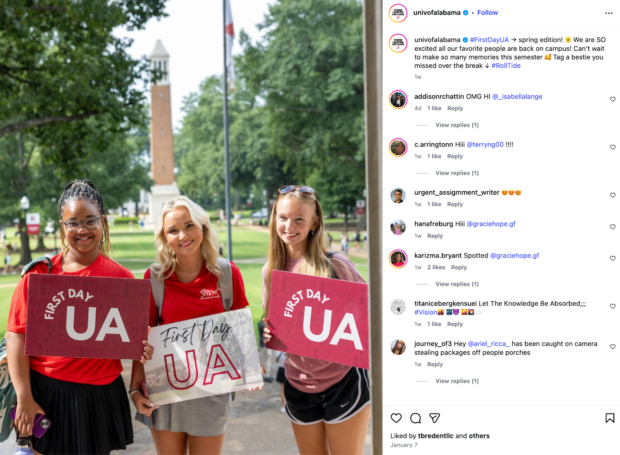
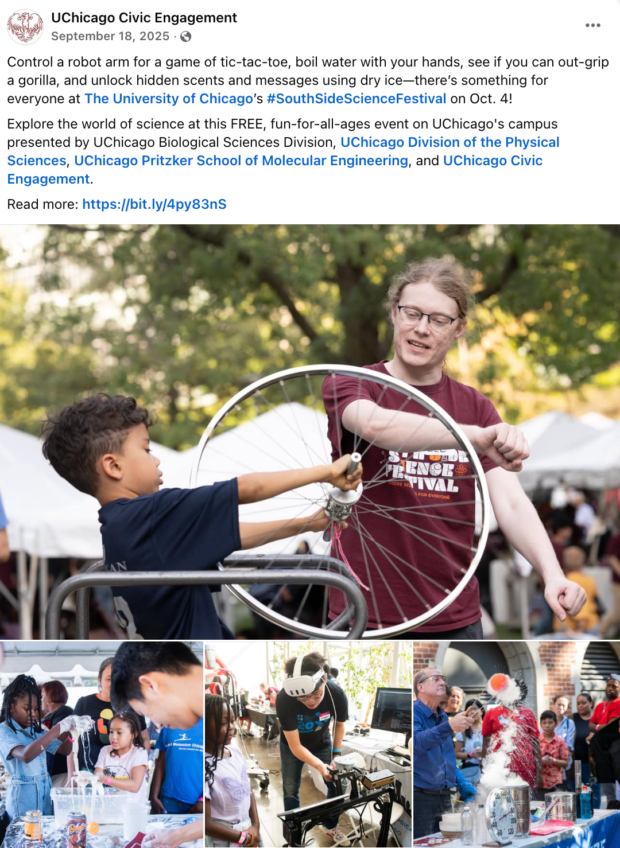
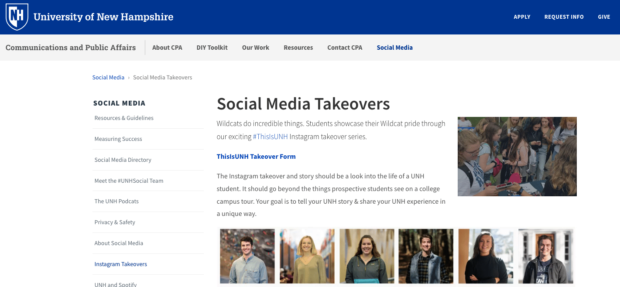
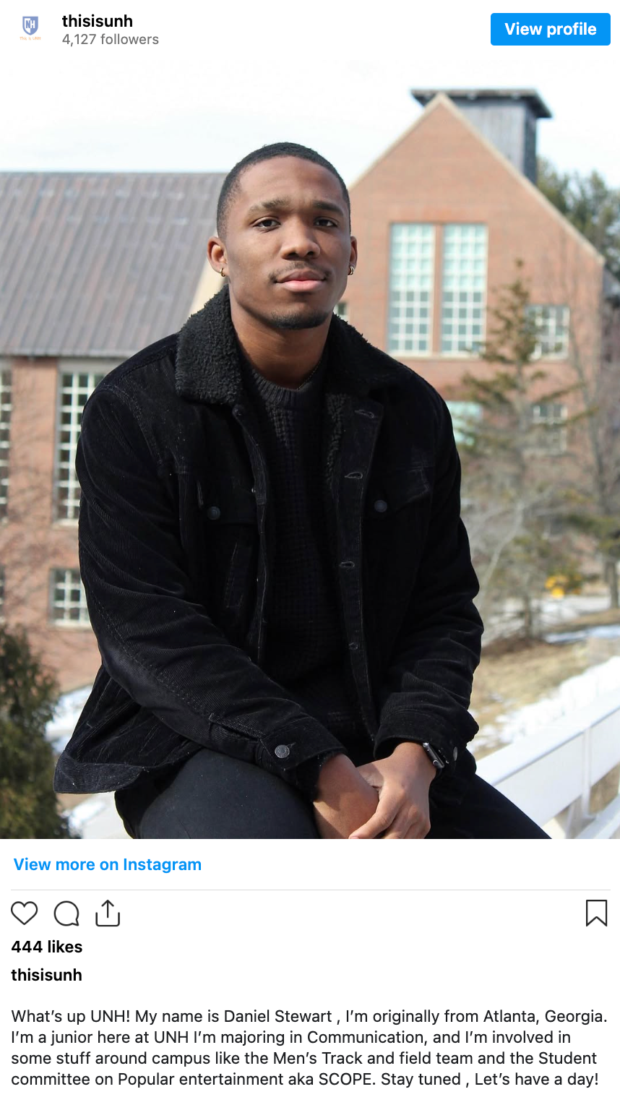
The most effective recruitment tool is the student voice. Institutions like the University of New Hampshire have mastered the "student takeover," where current students document their daily lives. This provides an unfiltered look at campus culture, effectively bridging the gap between a student’s home life and their future collegiate reality.
3. The Shift to Social Listening
Social media is not just a megaphone; it is a laboratory for sentiment analysis. By using social listening tools to monitor hashtags and keywords, universities can detect issues—such as cafeteria complaints, safety concerns, or shifting academic trends—before they escalate into public relations crises.
4. Real-Time Crisis Communication
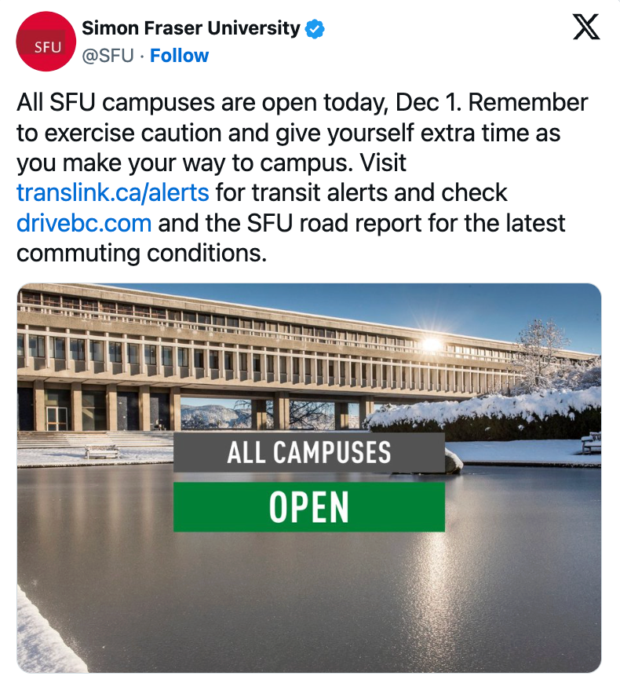
In an age of instant information, the ability to communicate during a campus emergency is paramount. Social media has become the primary channel for real-time updates regarding weather, safety, or administrative changes. A pre-approved, structured crisis management plan allows communication teams to deploy messaging across all channels simultaneously, ensuring consistency when accuracy matters most.
Implications for Future Enrollment
The implications of these digital strategies are profound. Universities that fail to adapt their social presence risk being filtered out of the consideration set by prospective students. Conversely, institutions that successfully leverage their social ecosystem create a "digital community" that persists long after graduation.
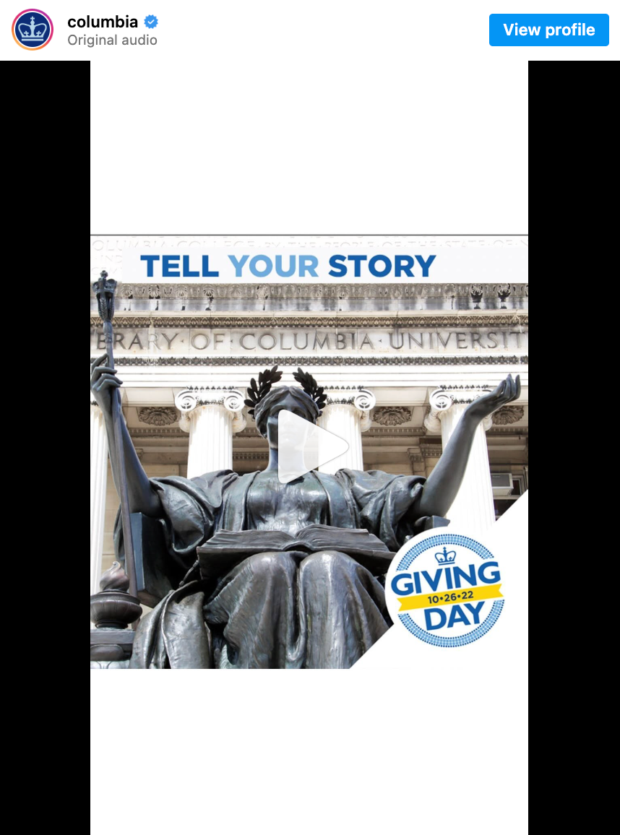
This community approach directly influences alumni relations and fundraising. By maintaining active, engaging groups for alumni and utilizing targeted social campaigns for giving days, universities can turn their graduates into lifelong advocates. The goal is to build an ecosystem where the student experience, from recruitment to the boardroom of a successful alumnus, is tied together through a seamless digital thread.
Official Perspectives: The Role of the Digital Classroom
Education experts increasingly view social media as an extension of the classroom. Beyond recruitment, institutions are using platforms like LinkedIn for career development and YouTube for massive, open-access lectures. The A. Holly Patterson Library at Nassau Community College, for example, has pioneered programs that integrate social media literacy into the curriculum, teaching students how to vet information—a vital skill in the digital age.
By embracing this, universities signal that they are not just providers of degrees, but hubs for continuous learning and discourse. The campus is no longer bound by physical geography; it exists wherever a student, professor, or alum engages with the university’s digital content.
Conclusion: The Path Forward
For higher education institutions in 2026, the mandate is clear: be present, be authentic, and be responsive.

Success is no longer measured by follower counts alone, but by the depth of engagement and the ability to convert digital interest into real-world action. Whether it is through the strategic use of short-form video to drive applications or the implementation of AI-assisted customer care to resolve student inquiries, social media has become the heartbeat of the modern campus.
As you refine your strategy, remember the core tenets of the digital campus:
- Plan: Build a strategy that reflects your institutional values.
- Listen: Use data to understand your audience’s shifting needs.
- Empower: Let your students and staff tell the story.
- Measure: Always tie your digital efforts back to institutional goals.
In an increasingly crowded market, the institutions that stand out will be those that treat their social channels not as billboards, but as the vibrant, evolving communities they truly are. By fostering these connections today, universities secure their relevance for the students of tomorrow.
 Reynand Wu
  Muslim
  Nila Kartika Wati